Noodles Protein 10.2g per 100g: A Guide to Better Choices
"The perfect bowl of noodles isn't just about the seasoning; it's about the balance of texture and salt." The texture of a noodle is primarily determined by the starch-to-protein ratio and the specific processing method used during dehydration. According to the USDA FoodData Central, dry chicken-flavored ramen noodles contain 10.2g of protein per 100g.
To find the ultimate ramen experience, you need to look beyond the spice level and examine the fundamental relationship between noodle density and broth viscosity. This guide breaks down the essential components of a high-quality instant noodle to help you make better choices at the supermarket.
* Understand the importance of the protein-to-carb ratio in dry noodles. * Learn how to evaluate sodium levels against flavor intensity. * Identify the role of micronutrients like iron and folate in processed noodles. * Master the sensory balance between noodle chewiness and soup depth.
Why does the texture of the noodles change so much?
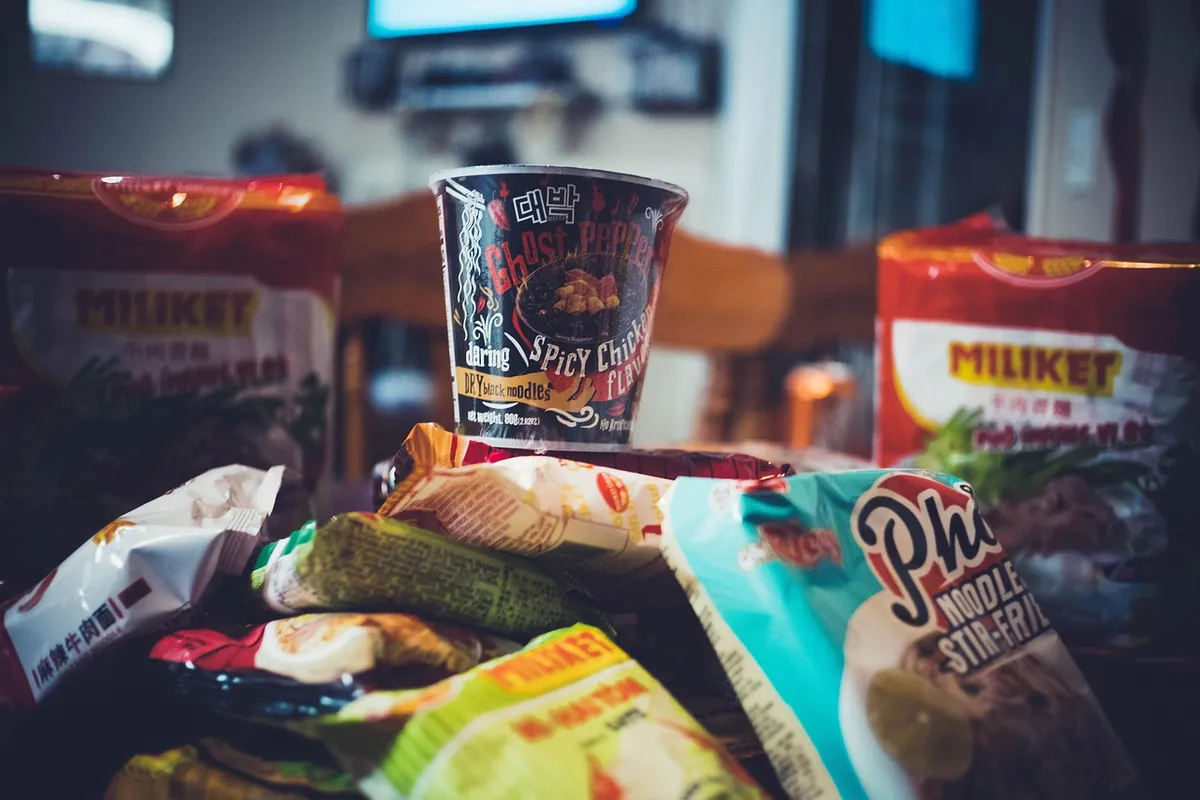
In the morning I hold noodles and walk through the next step.
I sat at my wooden kitchen table, staring at a steaming bowl of noodles while the steam fogged up my glasses. The noodles looked firm, yet they seemed to absorb the broth almost instantly.
When you cook instant noodles, the rehydration process re-activates the starches, but the protein structure provides the "bite" or elasticity.
If the protein content is too low, the noodles become mushy; if it is too high without proper hydration, they can feel rubbery.
This level of protein is crucial for maintaining the structural integrity of the noodle after it hits the boiling water.
The protein acts as a scaffold, preventing the carbohydrates from dissolving too quickly into a soft mass.
When I was testing different brands last Tuesday, I noticed that thicker, more protein-rich noodles held their shape much longer in hot soup. This makes them ideal for longer meals where you don't want to rush the eating process.
In this order, the second step is the longest.
How much salt is actually in a single serving?
In the evening I hold noodles and walk through the next step.
I reached for a glass of water, feeling a slight dryness in my throat after taking a large sip of the savory broth. The saltiness was immediate, coating my tongue with a heavy, savory intensity.
According to the Korean Fair Trade Commission, Samyang Foods was fined in 2012 for fixing instant noodles prices from 2001 to 2010.
Sodium levels in instant noodles are often high to compensate for the lack of fresh ingredients, making it vital to check labels before consumption. Most flavored noodles use salt as a primary flavor enhancer to provide that "instant" satisfaction.
While salt is necessary for flavor, excessive amounts can lead to immediate thirst and long-term health considerations.
The USDA FoodData Central data shows that dry chicken-flavored ramen noodles contain 1920mg of sodium per 100g. This is a significant amount of sodium, which acts as the primary driver for the savory profile.
Understanding this figure helps you realize why a single serving can feel incredibly intense.
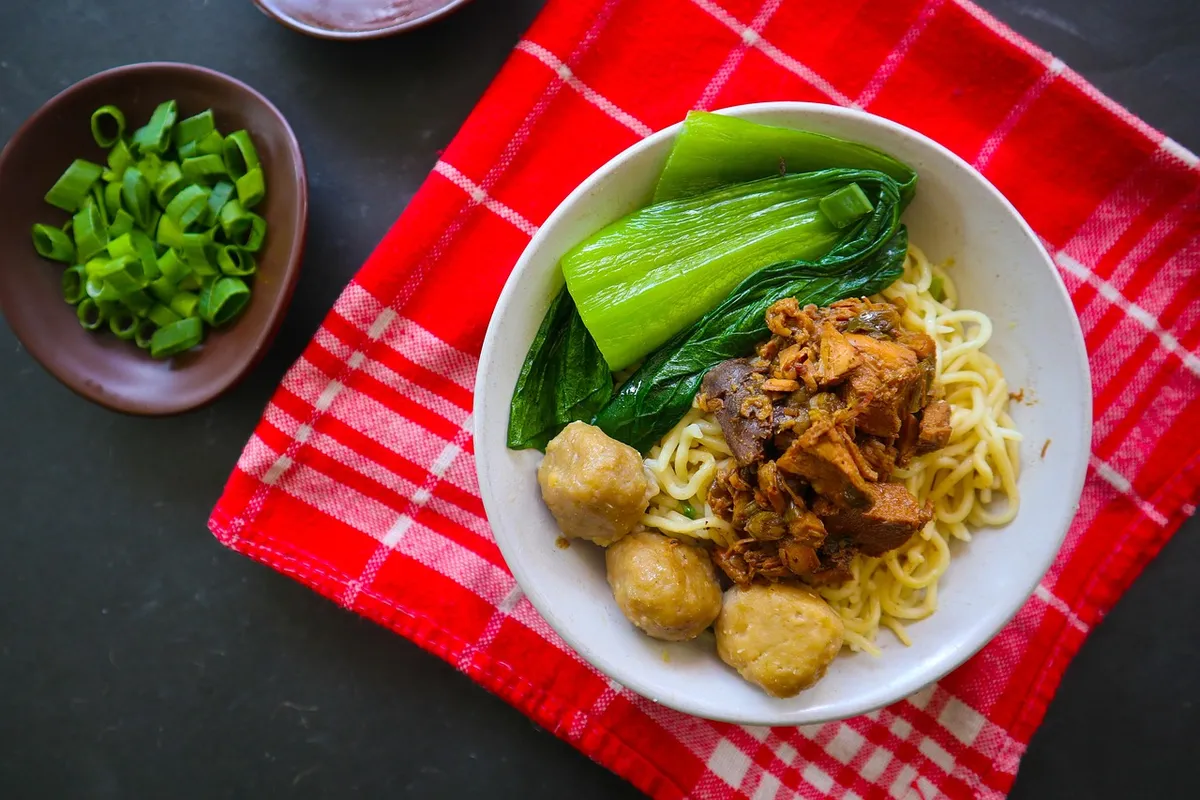
To manage this, you can try using only half of the provided seasoning packet or adding fresh vegetables to dilute the concentration. I often find that adding a handful of bok choy or spinach helps balance the heavy sodium hit without sacrificing the soul of the soup.
What vitamins are hidden in the dry noodles?
I pulled my chair closer to the stove, watching the boiling water swirl around the pale, yellow strands. It looked like a simple meal, but I wondered about the nutritional profile hidden within the packaging.
While instant noodles are primarily a source of energy, they do contain various micronutrients that contribute to their nutritional profile. These vitamins and minerals are often added during the manufacturing process to fortify the product.
Understanding these components can help you see the noodles as more than just empty calories.
According to the USDA Foodly FoodData Central, dry noodles of any flavor contain 0.25ug of vitamin B12 and 1ug of vitamin A per 100g. Additionally, they provide 116ug of folate and 21mg of calcium.
These small amounts of vitamins and minerals are part of the complex nutritional makeup of the dry product.
The iron content is also a factor to consider, with the data showing 4.21mg of iron in chicken-flavored noodles per 100g. This measurement indicates that the noodles provide a baseline of essential minerals.
| Nutrient (per 100g) | Chicken Flavor (Dry) | Any Flavor (Dry) |
|---|---|---|
| Protein | 10.2g | Not Specified |
| Carbohydrates | 60.2g | 60.3g |
| Fat | 17.5g | 17.6g |
| Sodium | 1920mg | Not Specified |
| Calcium | Not Specified | 21mg |
I once tried to make a "healthy" bowl by adding only lean protein to a high-carb noodle base, but found the saltiness still dominated the palate. It is a delicate balance to strike.
Is the calorie count enough for a full meal?
I looked at the empty packaging on the counter, wondering if I would still feel hungry in an hour. The weight of the meal felt substantial, yet there was a lingering sense of emptiness.
The energy provided by a bowl of noodles comes from a combination of carbohydrates and fats, which are the primary caloric drivers. For most people, a single pack of noodles serves as a calorie-dense snack or a light meal.
However, the satiety level—how full you feel—depends heavily on the fiber and protein content.
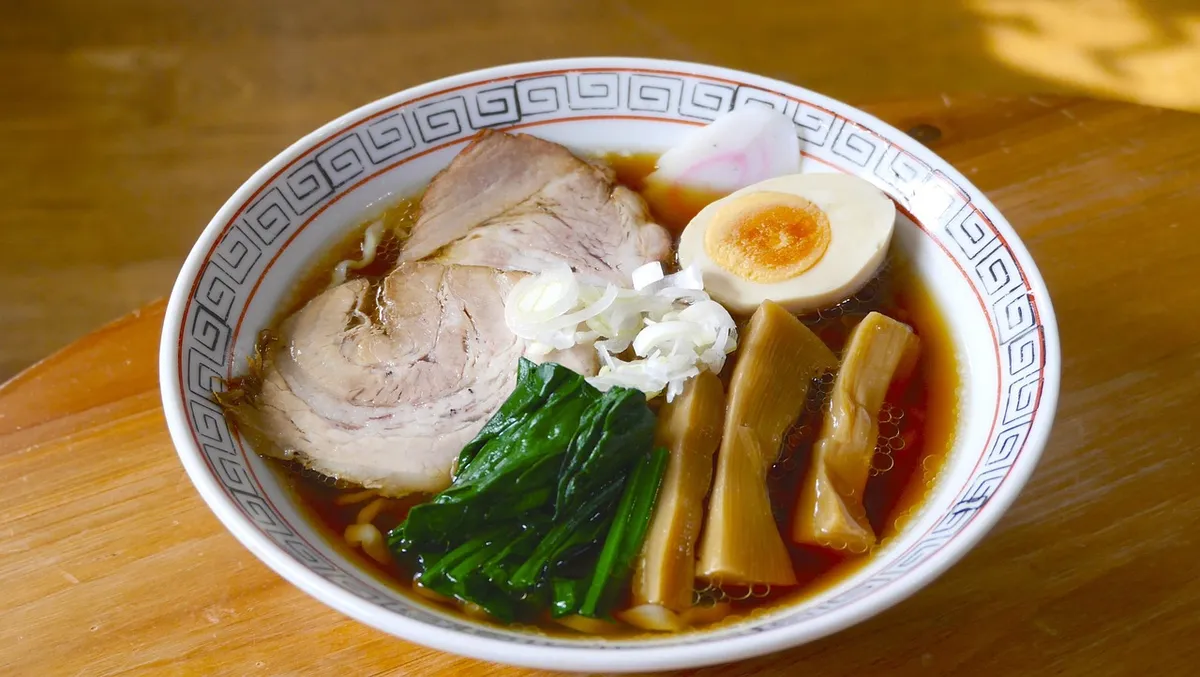
The USDA FoodData Central reports that dry chicken-flavored ramen noodles have an energy content of 439kcal per 100g. In comparison, the "any flavor" category shows a slightly higher energy density at 440kcal per 100g.
This calorie density means that even a relatively small portion can provide a significant amount of energy.
To turn a single pack into a balanced meal, follow these steps: 1. Add a source of lean protein, such as a soft-boiled egg or sliced tofu, to increase satiety. 2. Incorporate fiber-rich vegetables like carrots, mushrooms, or cabbage to slow digestion. 3.
Control the water-to-noodle ratio to ensure the broth is flavorful but not overly heavy.
After completing these steps, check if you feel satisfied without feeling bloated. This is the key to a successful noodle meal.
Why do some noodles feel heavier than others?
I leaned back in my chair, feeling the slight heaviness in my stomach as I finished the last of the broth. The texture was satisfying, but the nutritional density was clearly much higher than a light salad.
In 2024, the Danish Veterinary and Food Administration recalled three variants of Samyang's spicy ramen noodle products due to high capsaicin levels.
The "heaviness" felt in the stomach is often a result of the high carbohydrate and fat content combined with the sodium levels. Carbohydrates provide the bulk of the energy, but fats contribute to the mouthfeel and the lingering sensation of fullness.
The interaction between these two macronutrients determines the overall satiety.
The data shows that dry noodles contain roughly 60g of carbohydrates and about 17.5g of fat per 100g. This high fat-to-carb ratio contributes to the calorie density and the richness of the flavor.
The fat helps carry the fat-soluble flavors throughout the soup, while the carbohydrates provide the primary fuel.
A limitation to this nutritional profile is that the high sodium levels can cause water retention, which might make you feel heavier or more bloated than the calories alone would suggest. This is particularly relevant when consuming 1920mg of sodium in a single sitting.
How can I improve the quality of my instant noodles?
I stood up to clear the table, looking at the remaining seasoning dust on the ceramic bowl. It was a simple meal, but I knew I could elevate it with just a few small changes.
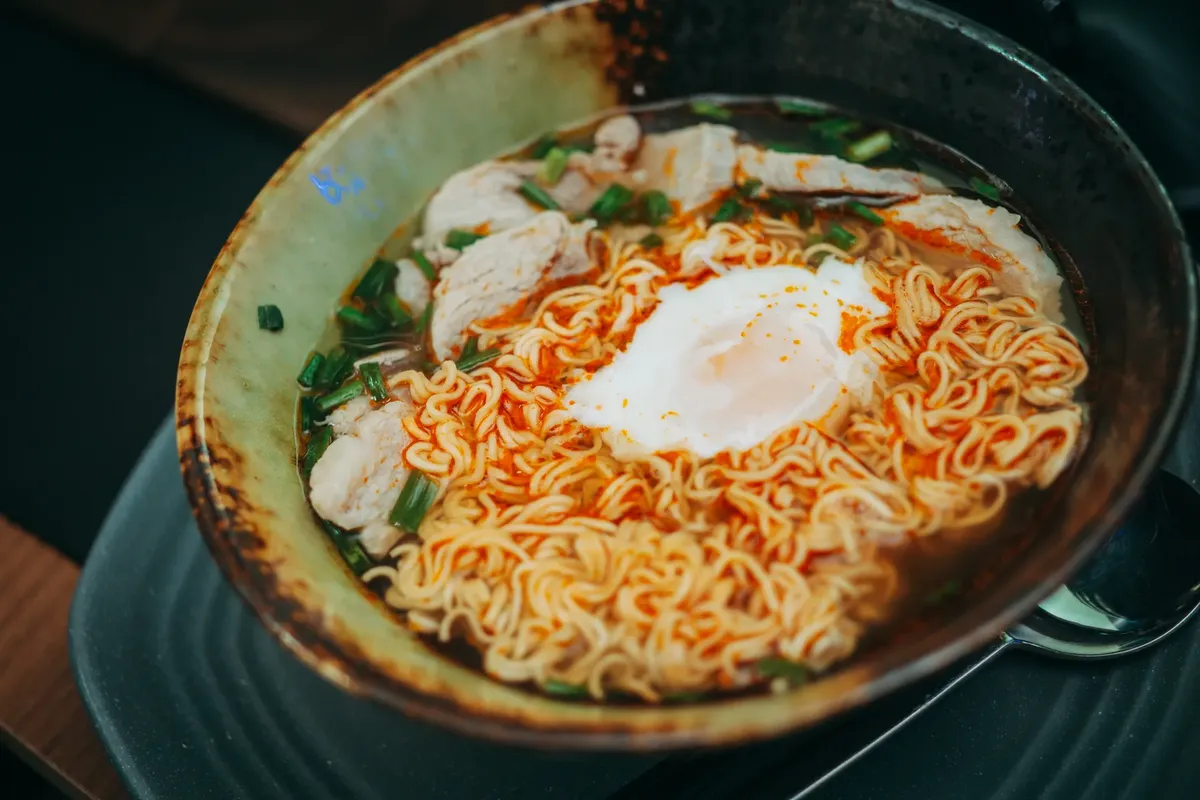
Improving the quality of instant noodles involves layering fresh ingredients over the processed base to add complexity and nutrition. You are essentially using the instant noodles as a flavor foundation rather than a complete meal.
By adding fresh elements, you can mask the "processed" taste and create a restaurant-quality experience at home.
To elevate your bowl, you can apply these three techniques: 1. Sauté aromatics like garlic, ginger, and scallions in a little oil before adding the water and noodles. 2. Use a combination of fresh proteins and dehydrated mushrooms to add depth to the broth. 3.
Finish the dish with a squeeze of lime or a dash of toasted sesame oil to brighten the heavy flavors.
When you finish, check if the fresh ingredients have integrated well with the seasoning packet. A successful upgrade should taste intentional, not just like a salad thrown into soup.
- Boil the water to a rolling boil before adding the noodles.
- Add fresh vegetables or a protein source to the pot.
- Mix in a small amount of sesame oil at the end.
Related



Comments 0