Extreme Spicy Ramen Guide: A 6-Axis Evaluation of Heat
"For the spice fanatics who find standard ramen too mild, we dissect the world's most extreme spicy noodles using a precision 6-axis evaluation."
The difference between a culinary masterpiece and a painful mistake lies in the balance of the heat. This guide breaks down the world's most intense noodles to help you find the perfect burn.
* The distinction between "flavorful heat" and "painful heat" is the key to a high-quality spicy ramen. * A 6-axis evaluation (Noodle, Soup, Flavor, Quantity, Value, Re-purchase) provides a scientific way to compare different spice profiles. * The ultimate spicy ramen experience requires a balance of texture and heat-delivery mechanisms.

How do we define the "Extreme Spicy" spectrum?
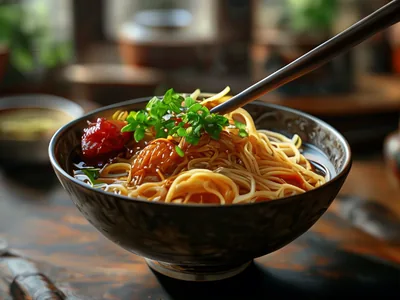
The steam rises from a ceramic bowl in a dim kitchen, hitting the face with a sharp, stinging scent that makes the eyes water before the first bite is even taken. This is the threshold where casual eaters turn back and enthusiasts lean in.
In the world of instant noodles, the Scoville Scale provides a mathematical measurement of heat, but it doesn't account for the human sensory experience. A noodle can be objectively "hot" but subjectively bland.
To separate the culinary hits from the mere chemical burns, we use a 6-axis evaluation framework. This framework measures Noodle Texture, Soup Intensity, Flavor Complexity, Quantity, Price/Value, and Re-purchase Intent.
For the true connoisseur, the goal isn't just to reach a high Scoville rating. The target persona—the spice seeker—looks for a profile where the heat serves the ingredients. If the spice masks the seasoning, the score drops. We are looking for the intersection of pain and pleasure.
The Contenders: Comparing the World's Most Intense Spicy Noodles
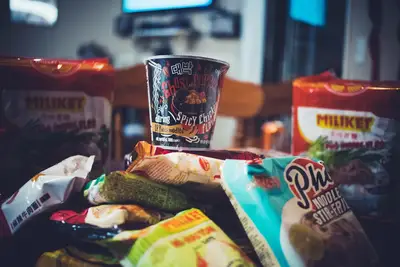
A colorful array of red packets sits on a countertop, ranging from the deep crimson of Korean Buldak variants to the bright, citrusy oranges of Southeast Asian chili pastes. Each represents a different philosophy of heat.
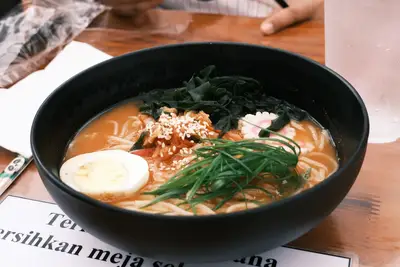
We have selected four representative "extreme" noodles to test the limits of our senses. This includes the heavy-hitting Buldak line, high-heat Korean powder-based noodles, Japanese spicy miso-based instant varieties, and Southeast Asian chili-heavy noodles.
The heat profiles vary wildly: some rely on pure capsaicin-heavy oils that coat the tongue, while others use pepper-based heat that hits the back of the throat.
The competition is visualized through our 6-axis diagram. This allows us to see at a glance whether a noodle is a "flavor-first" bowl or a "pain-first" challenge. By mapping these variables, we can see which products actually deliver a balanced meal and which are merely endurance tests.
Deep Dive: The 6-Axis Evaluation of the Top Contenders
The chopsticks lift a heavy, sauce-coated nest of noodles, the steam carrying a scent that lingers in the room long after the pot is empty. The texture of the noodle is the first thing the palate registers.
Noodle (Texture): The thickness and elasticity of the noodle are critical. A thin, watery noodle will be overwhelmed by heavy spice, while a thick, chewy noodle can stand up to the heat. The "heat-to-carb ratio" is the goal—the noodle should provide enough substance to buffer the capsaicin.
Soup (Liquid Heat): This measures the delivery mechanism. Oil-based spice (like many Korean stir-fry noodles) coats the mouth for a lingering burn, while powder-based heat (often found in soup-style noodles) hits the throat and nose immediately.
Flavor (Complexity): This is the soul of the dish. Does the spice mask the garlic, ginger, or fermented bean paste, or does it enhance them? A high score here means the heat is a seasoning, not a distraction.
Quantity (Volume): This measures the satisfaction level. If the heat is so intense that you can only eat three bites, the "Quantity" score suffers. A great spicy noodle allows for a full meal.
Value (Price): We look at whether the premium price for extreme spice is justified. If a luxury noodle is just "hot water and heat," the value is low.
Re-purchase (The Ultimate Test): This is the cycle of pain and craving. If the burn is too much to handle, you won'll buy it again. If the flavor is great, you'll be back.
| Feature | Oil-Based (Stir-Fry) | Powder-Based (Soup) |
|---|---|---|
| Primary Sensation | Lingering, coating heat | Sharp, immediate heat |
| Noodle Requirement | Thick, chewy, elastic | Medium thickness, absorbent |
| Flavor Profile | Often savory/sweet/salty | Often aromatic/earthy |
| Best Topping | Cheese, fried egg | Soft-boiled egg, green onion |
The Verdict: Which Spicy Ramen Wins the 6-Axis Battle?
The final scores are tallied on a whiteboard, the colorful spider charts showing wide, irregular shapes that represent the diverse personalities of the contenders. Some charts are tall and thin, while others are wide and balanced.
The winners fall into two distinct categories. "The Flavor King" is the noodle that achieves a high score across all axes, particularly in Flavor and Re-purchase. This is the noodle you eat when you want a meal.
"The Pain King" is the noodle that dominates the Soup and Flavor-Intensity axes but struggles with Quantity and Re-purchase. This is the noodle you eat for the challenge.
The "Golden Ratio" of spice is the winner of the lyfe. This is the product that hits the sweet spot—enough heat to satisfy the craving, but enough flavor complexity to make the meal worth the calories.
For daily consumption, the winner is always the one that prioritizes the Noodle and Flavor axes over pure heat.
Pro-Tips: How to Survive and Enhance the Extreme Heat
A glass of cold milk sits next to a steaming bowl, the condensation dripping down the side as the heat begins to take its toll. To manage the burn, you need a tactical approach.
The "Cooling Strategy" is your first line of defense. While water is the instinctual choice, it often spreads the capsaicin oil further. Milk, cheese, or a soft-boiled egg are much more effective because the fats help dissolve the capsaicin.
If the heat is too much, a spoonful of yogurt can coat the tongue and provide immediate relief.
The "Flavor Hack" is how you turn a challenge into a gourmet meal. Adding toppings like sliced green onions, a poached egg, or a drizzle of sesame oil can elevate the 6-axis score. Adding a slice of processed cheese to a Korean spicy noodle is a classic way to balance the heat with creamy fats.
Safety Warning: Always listen to your body. High capsaicin consumption can cause significant gastrointestinal distress. If the "pain" outweighs the "flavor," stop eating.

Comments 0