True essence of ramen broth: Clarity vs heavy creaminess
"The depth of a broth defines the soul of a bowl, where the heavy creaminess of pork meets the sharp clarity of soy."
Understanding the true essence of ramen broth requires distinguishing between the heavy, emulsified fats of tonkotsu and the salt-forward clarity of a shoyu base. This guide explores the textural and flavor profiles of these fundamental styles to help enthusiasts navigate complex menus.
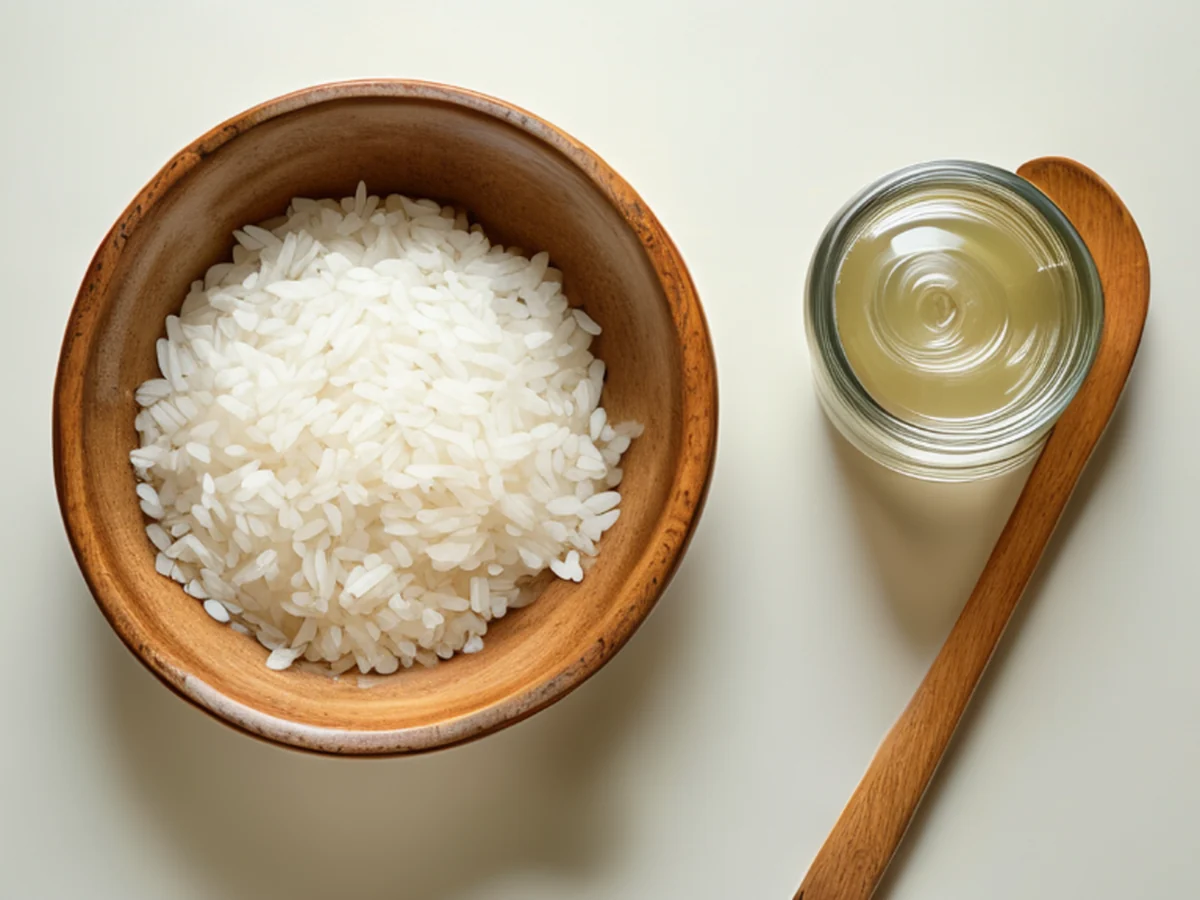
Key takeaways include the distinction between pork-bone emulsions and soy-based clarity, the role of fat in mouthfeel, and how these profiles satisfy different cravings.
How does the profile of tonkotsu differ from shoyu?
At sunset in the dim kitchen, the chef tastes the creamy tonkotsu and realizes the true difference between heavy fat and clear salt.
A chef stirs a heavy pot of simmering bones, watching the liquid turn milky white through intense emulsification. The true essence of ramen broth often begins with this choice between heavy fat and clear seasoning.
Tonkotsu relies on long-boiling pork bones to create a creamy, opaque soup, while shoyu focuses on a soy sauce-based seasoning liquid to provide salt and umami.
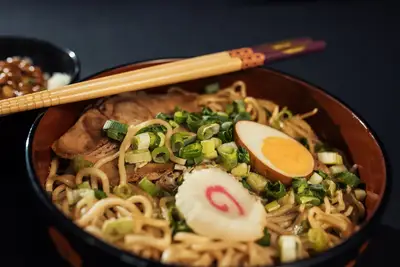
Tonkotsu is characterized by a thick, white appearance and a rich mouthfeel resulting from collagen and fat. In contrast, shoyu is typically a clear, brown broth that highlights the fermented notes of soy sauce.
While tonkotsu offers a heavy, coating sensation, shoyu provides a lighter, more aromatic experience.
What makes the shoyu base so distinct? True essence of ramen broth
Under the bright kitchen lights, the cook pours the dark sauce into the bowl and watches the true amber swirls dance through the clear broth.
The cook pours a dark, fragrant liquid into a clear broth, watching the amber swirls settle. Exploring broth flavor profiles often leads to the discovery of how shoyu acts as a seasoning-heavy base.
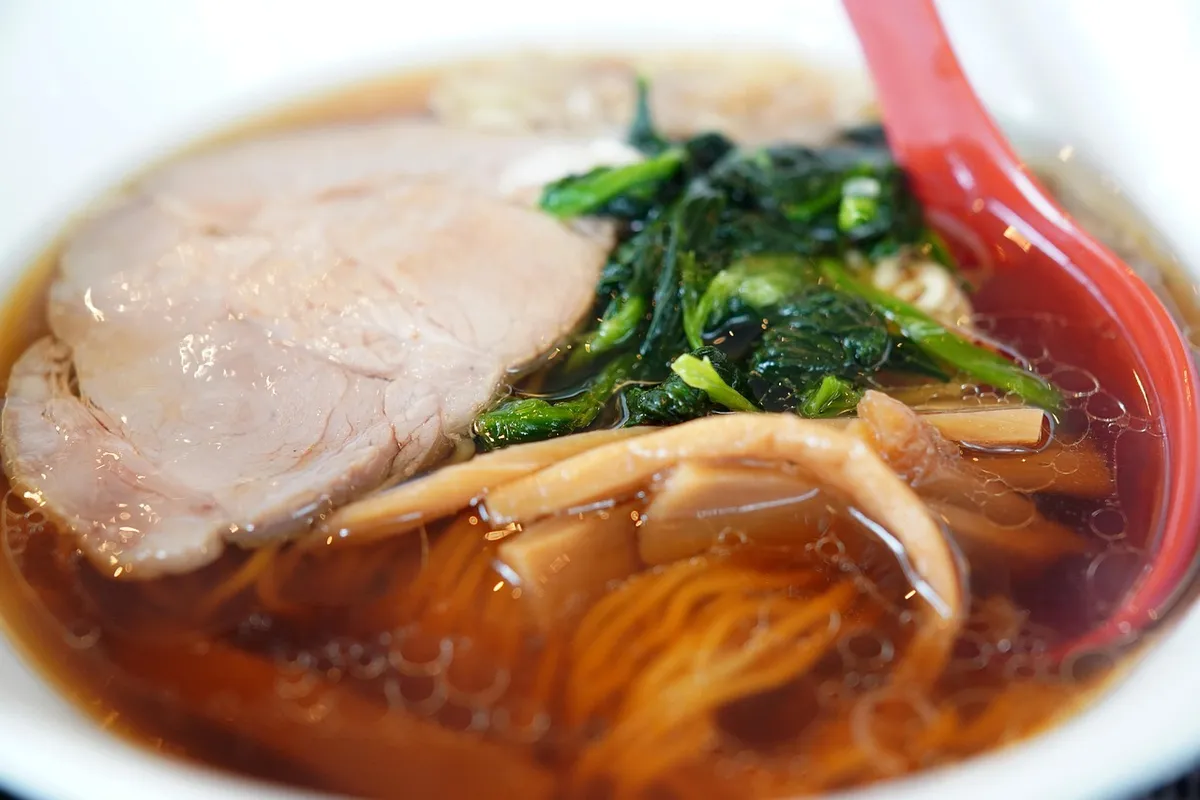
Unlike bone-heavy styles, shoyu uses a concentrated soy-based tare to provide the primary flavor profile.
This style typically uses a combination of dashi or meat stock seasoned with soy sauce to achieve a balance of salt and umami. The clarity of the soup allows the nuances of the seasoning to shine through without the interference of heavy fats.
It remains a staple for those seeking a savory, liquid-driven meal.
How do we analyze rich pork broth in a bowl?
A diner lifts a heavy spoonful of opaque soup, feeling the weight of the broth on the tongue. Analyzing rich pork broth involves understanding how high-heat boiling breaks down marrow and fat into a stable emulsion. This process creates the signature "creamy" texture that defines the style.
The fat content in these soups is significant, often providing a high caloric density. The heavy mouthfeel is not just about salt but about the physical presence of emulsified lipids. This provides a much more filling experience compared to lighter, clear-based soups.
What is the secret to a perfect ramen broth harmony?
A chef carefully balances the saltiness of the tare with the depth of the stock to achieve a seamless taste. Achieving a perfect ramen broth harmony requires the careful integration of the seasoning (tare) and the base stock.
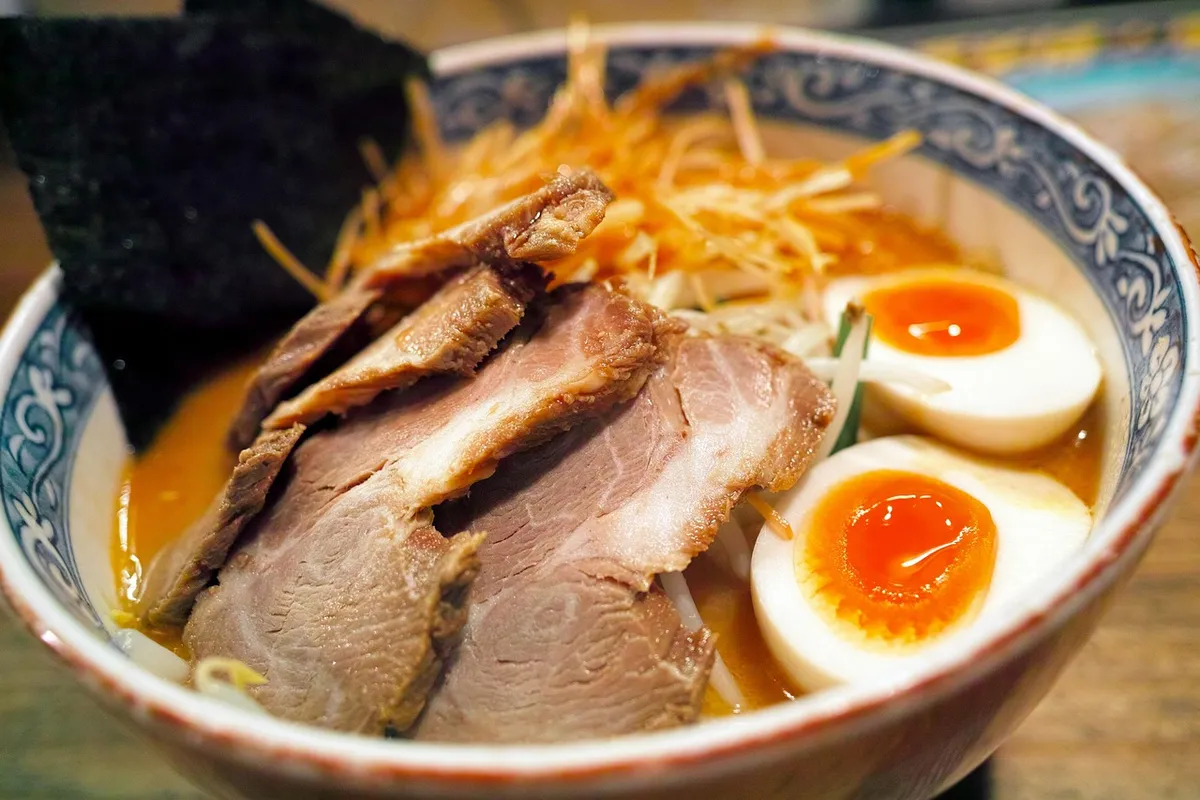
For shoyu, this means balancing the soy saltiness with a light stock, whereas tonkotsu relies on the stock itself to provide the primary body.
The interaction between the noodles and the liquid is also vital, as the broth must cling to the noodles without being overwhelming. A successful bowl ensures that neither the seasoning nor the base dominates to the point of being unbalanced.
How can one compare the nutritional aspects of different noodles?
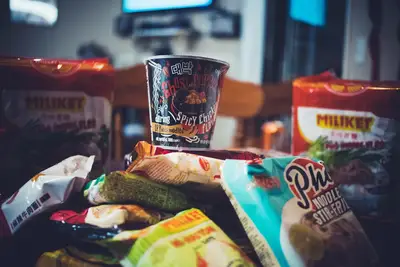
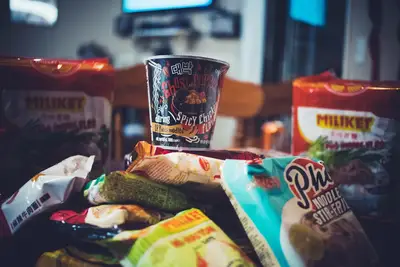
A person examines the ingredients on a package, noting the different values for various flavors. A ramen style comparison guide can be supported by looking at the nutritional composition of different dry noodle bases.
| Ingredient Type (per 100g) | Any Flavor (Dry) | Beef Flavor (Dry) |
|---|---|---|
| Calories | 440kcal | 441kcal |
| Fat | 17.6g | 17.7g |
I noticed that even minor flavor shifts can change the calorie and fat counts slightly. While the base carbohydrate levels remained similar at 60.3g for both, the iron content in the beef flavor was 3.93mg.
What are the limitations of these flavor profiles?
A diner finishes a heavy meal and realizes the intensity might be too much for a midday lunch. A limitation of these styles is that the heavy, fat-laden nature of certain broths may not suit every appetite or time of day.
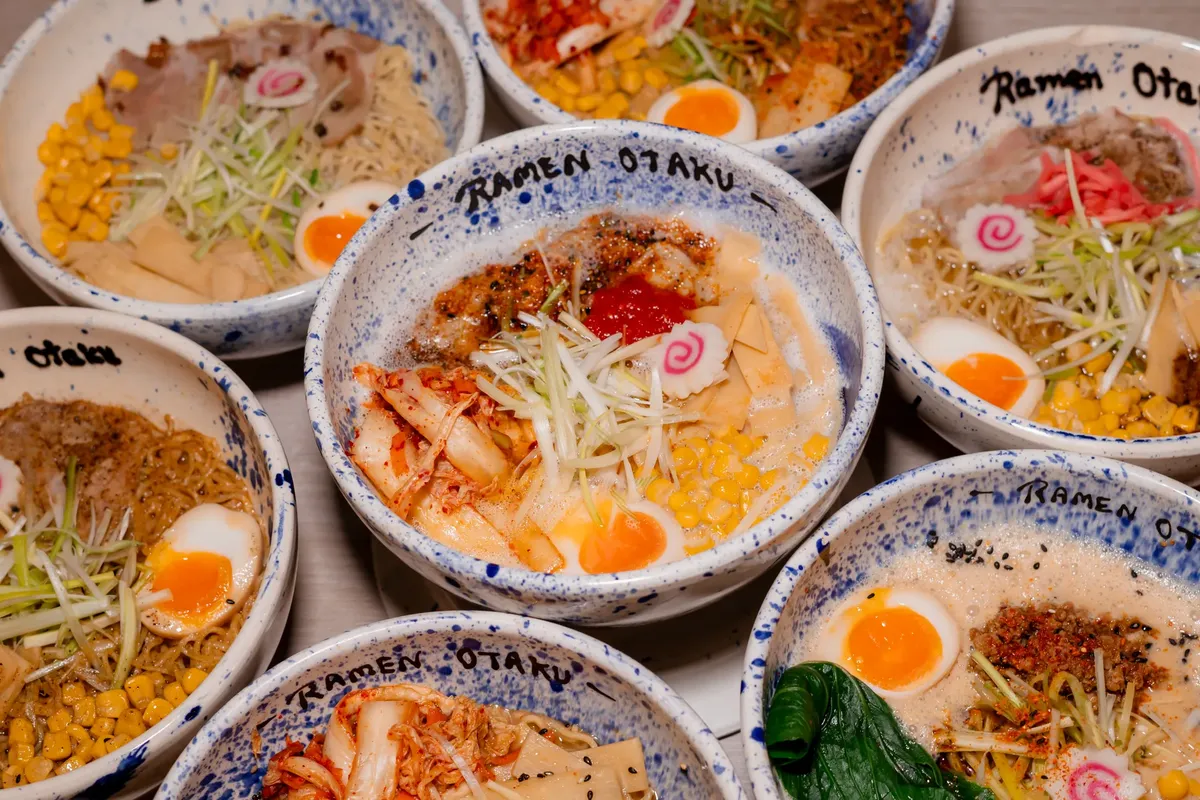
For instance, the extreme richness of a heavy pork-based soup can be overwhelming if not balanced by acidity or lighter toppings.
The nutritional density of these soups is high, making them more of a heavy meal than a light snack. Some people may find the intense saltiness or the thickness of emulsified fats difficult to consume in large quantities.
- How does the profile of tonkotsu differ from shoyu?
- What makes the shoyu base so distinct?
- How do we analyze rich pork broth in a bowl?
The same subject is also called Tonkotsu vs Shoyu deep dive.
The same subject is also called Giro style ramen secrets.
This part also covers Shoyu base flavor breakdown.
Related
- Dotonbori 24 hours ramen shop features guide for best flavor
- Noodles Protein 10.2g per 100g: A Guide to Better Choices
How does the fat content affect the final depth of the broth?
The fat content dictates the physical sensation of the broth on the palate. In a tonkotsu broth, the emulsified lipids create a coating effect, which is a direct result of the long-boiling process.
Conversely, the shoyu broth uses minimal fat, allowing the liquid to remain clear and the seasoning to remain the primary focus. This difference in fat application defines the mouthfeel of the bowl.
To maintain a perfect ramen broth harmony, the chef must consider the interaction between the tare and the base stock. The seasoning (tare) provides the saltiness, while the stock provides the depth.
If the tare is too strong, the broth becomes unbalanced, and the subtle flavors of the stock are lost. The broth must cling to the noodles without dominating the overall taste.
What are the conditions for a satisfying meal?
Satisfying the craving for a heavy, soul-warming richness depends on the emulsification of the pork bones. The heavy mouthfeel is a physical presence of lipids, not merely salt. For those seeking a savory, liquid-driven meal, the clarity of the shoyu broth provides a distinct aromatic experience.
The nutritional density of the soups means that the bowl provides a more filling experience compared to lighter, clear-based soups.
- The broth must be opaque if the goal is the creamy texture of tonkotsu. 2. The broth must be clear if the goal is to highlight the fermented notes of soy sauce. 3. The bowl must balance the seasoning with the stock to avoid an overwhelming taste.
Wikipedia: Ramen Jiro


Comments 0