Cup Noodle Guide: Find Gourmet Flavors in Every Aisle
"Stop settling for the same old flavors: Discover how to turn a simple convenience store run into a gourmet exploration of hidden culinary gems."
Finding a truly great meal in a plastic cup shouldn't feel like a gamble. Whether you are looking for a late-night comfort food or a quick lunch between meetings, the right cup noodle can deliver a complex flavor profile that rivals a sit-down restaurant.
* Beyond the Basics: The best flavors often lie in niche regional brands found in local convenience stores. * The Value Equation: True cost-effectiveness is the intersection of ingredient quality, portion size, and flavor complexity. * The 6-Axis Metric: We use a standardized diagram to objectively compare Noodle, Broth, Flavor, Quantity, Value, and Re-purchase potential.

Why do the best flavors hide in convenience store aisles?
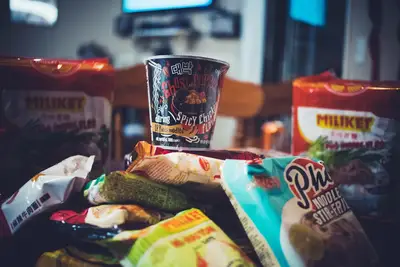
The fluorescent lights of a 24-hour convenience store hum overhead at 11:45 PM. I stood before a wall of colorful packaging, staring at a shelf of noodles, wondering if the $2.50 spent on a spicy seafood cup would actually satisfy a hunger that felt much deeper than a mere craving.
The shift from "emergency food" to "lifestyle gourmet" has transformed the aisles of stores like 7-Eleven and FamilyMart. In the 2020s, we stopped viewing cup noodles as something to eat when the pantry was empty and started viewing them as a legitimate culinary choice.
Local distribution networks now allow for a constant rotation of "limited edition" flavors. This logistics-driven model means a brand can release a seasonal Truffle Miso or a Spicy Garlic base that stays on shelves just long enough to create a sense of urgency.
The psychology of the seeker has also changed. We aren't just looking for calories; we are looking for a specific regional profile.
The enthusiast isn't looking for "salty"; they are looking for the creamy, heavy mouthfeel of a Hakata-style Tonkotsu or the bright, acidic punch of a Taiwanese beef base.
This shift toward flavor-first eating means the ingredients themselves are getting better. As we move through 2025 and into 2026, the gap between instant noodles and restaurant-quality broth is closing.

The Selection: Curating the 'Hidden Gem' Candidates
I sat at my kitchen table with three different packages laid out: a budget-friendly spicy beef, a mid-range seafood base, and a premium creamy chicken. The steam rose in thin ribbons, and I realized that to find a "hidden gem," I had to first define what a gem actually is.
The criteria for this selection process focus on three pillars: flavor depth, texture consistency, and the price-to-quality ratio. A great cup noodle must hold its own after five minutes of soaking in hot water.
We categorize candidates into two groups: 'Classic Staples' and 'Experimental/Premium' picks. The classics provide the reliable base, while the experimental picks push the boundaries of what a dehydrated meal can be.
The "Regional Flavor" factor is the most important variable. Currently, Japanese and Southeast Asian imports are dominating the premium market because they offer complex spice blends and authentic noodle textures that domestic brands often lack.
This guide analyzes a variety of these candidates to see if their complex flavor profiles justify their higher price points compared to standard grocery store brands.
Deep Dive: The Flavor Profile & Sensory Analysis
The plastic lid is peeled back, revealing a pool of savory liquid and a tangle of noodles. The aroma hits first—a sharp, salty scent of dried shrimp and toasted sesame—before the first bite even touches the tongue.
Noodle texture is the first hurdle. We analyze the wheat quality and elasticity. A superior noodle must have enough "bite" to resist becoming mushy after the five-minute mark. The starch content determines if the noodle feels substantial or if it simply dissolves into the broth.
The broth complexity is the soul of the cup. We evaluate base stocks—whether they are bone-based, seafood-heavy, or vegetable-driven—and how well the seasoning balance holds up. A good broth should have layers: a salty hit first, followed by a savory mid-tone, and a lingering spice or umami finish.
We also look for "hidden" elements. These are the small details like dehydrated vegetable quality, specific oil-based flavor enhancers, or a hint of dried chili flakes.
The aroma must act as a precursor to the taste; if the scent is artificial or overwhelming, it often signals a lack of depth in the actual flavor.
The 6-Axis Comparison: Visualizing the Data
A spreadsheet of numbers can tell you if a product is salty, but it cannot tell you if a product is *good*. I looked at my notes, comparing a $1.50 basic beef cup to a $4.50 premium seafood cup, trying to find a way to make them speak the same language.
To make sense of the chaos, we use a -axis Framework. This allows us to compare a cheap snack to a luxury meal on a level playing field.
| Axis | Focus Area | What it Measures |
|---|---|---|
| Noodle | Texture | The chewiness and structural integrity. |
| Broth | Depth | The richness, saltiness, and base intensity. |
| Flavor | Originality | The accuracy of the intended taste profile. |
| Quantity | Satiety | The portion size relative to hunger levels. |
| Value | Price-to-Quality | The "bang for your buck" factor. |
| Re-purchase | Loyalty | The likelihood of buying it again next week. |
A high-priced premium ramen might score a 9 on Flavor but a 4 on Value. Conversely, a budget-friendly staple might score a 9 on Value but a 5 on Noodle texture. The "Sweet Spot" is finding the product that achieves a 7 or higher across all six axes.
Pro-Tips: How to Upgrade Your Cup Noodle Experience
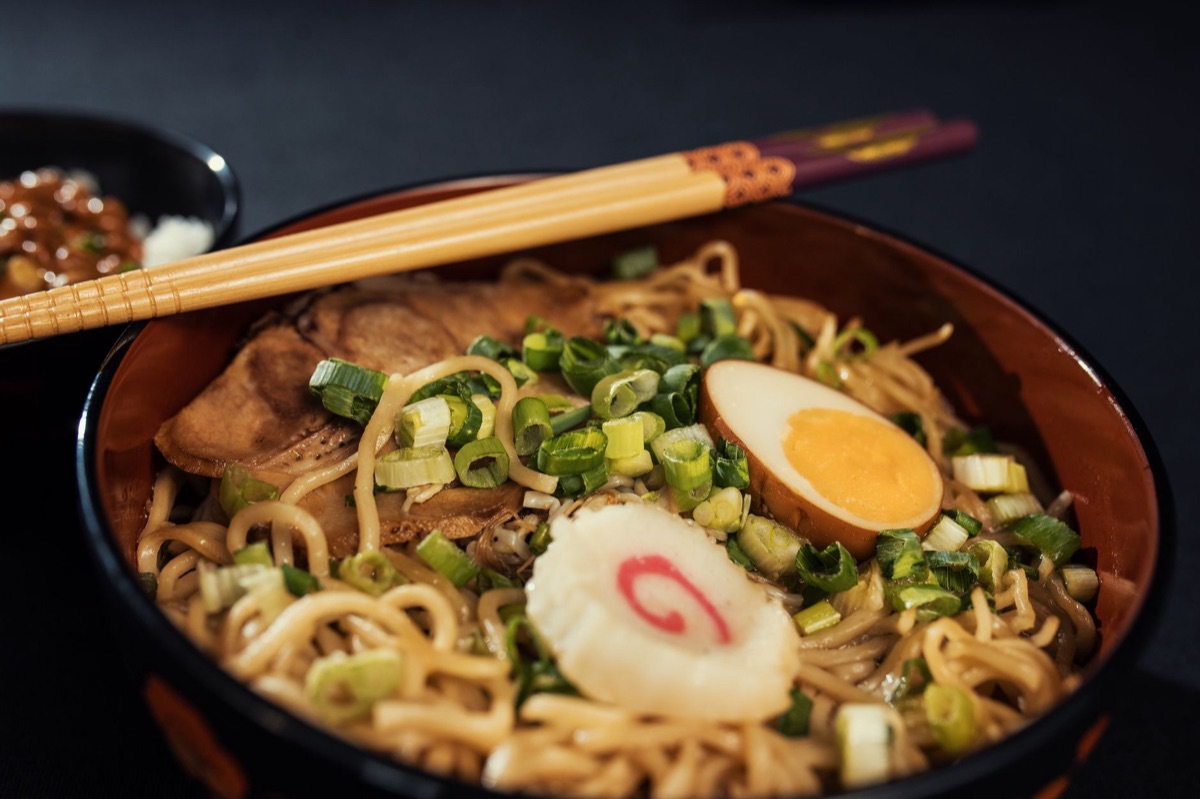
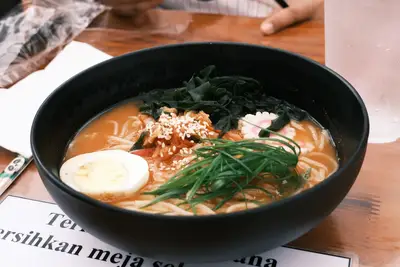
I stared at a single soft-boiled egg sitting next to my steaming bowl. I realized that the difference between a mediocre snack and a gourmet meal often comes down to the small adjustments made in the final two minutes of preparation.
The "Add-on" strategy is the easiest way to elevate a meal. Depending on the profile, adding a slice of American cheese can emulsify a spicy broth into a creamy sauce, while fresh green onions or a poached egg add much-needed texture and protein.
Water ratio precision is a common trap. While you should always start with the fill line, many enthusiasts find that using slightly less water increases the flavor density. If the broth is too thin, the spices won't coat the noodles properly.
Timing is the science of texture. The "3-minute vs. 5-minute" window is critical. If you are using thicker, premium noodles, they may require an extra minute of soaking to reach the center, but if you wait too long, the outer layers will lose their snap.
Finally, consider the "Mix-and-Match" hack. Combining a dry-style noodle cup with a soup-based cup can create a unique fusion. For example, mixing a spicy Korean-style dry noodle with a creamy Japanese-style broth base can result in a heavy, savory masterpiece.
The Ultimate Gourmet Cup Checklist
To ensure you are getting the best possible experience every time you open a lid, follow this step-by-step preparation guide:
- Check the Temperature: Ensure your water is at a rolling boil (at least 212 degrees Fahrenheit) before pouring to properly activate the starch in premium noodles.
- The Precision Pour: Fill the cup exactly to the internal line. If you want a more intense flavor, fill it 2-3 millimeters below the line to increase the broth-to-noodle ratio.
- The Timing Watch: Set a timer for the specific noodle type. Use 3 minutes for thin vermicelli-style noodles and 5 to 6 minutes for thicker, wheat-based ramen noodles.
- The Gentle Stir: After the timer goes off, stir the noodles gently from the bottom up to ensure the seasoning powder is fully integrated into the liquid.
- The Final Topping: Add your fresh ingredients (like green onions, soft-boiled eggs, or sesame oil) only after the noodles are fully hydrated to maintain texture contrast.
Final Verdict: Where to Shop and What to Buy Next
The sun begins to peek through the blinds as I finish the last drop of broth. The winner wasn't the most expensive cup, but the one that balanced the salt of the broth with the chew of the noodle.
The "Best in Class" winners are typically those that lean into authentic regional spices rather than generic "chicken" or "beef" flavors. The most successful products are those where the noodles and the broth feel like they were designed to work together, rather than being two separate components.
To find these gems, look toward specialized importers in your local grocery stores or visit Asian-focused supermarkets. The best flavors are often tucked away in the international aisle, waiting for someone to take a chance on a label they don't recognize.
Please note that these tips are intended for flavor exploration. While these meals are excellent for convenience, they are not intended to replace a balanced diet of fresh whole foods, as the sodium levels in processed noodles can be quite high.
#

Comments 0