Best spicy Southeast Asian ramen: Why choose the right bowl?
"The history of noodles is often a story of survival, shifting from black market stalls to global convenience."
Finding the best spicy Southeast Asian ramen requires balancing heat levels against portion sizes and nutritional density. This guide explores how to select a satisfying meal by evaluating spice intensity, carbohydrate content, and value for money.
You will learn to navigate flavor profiles, manage sodium intake, and understand the historical context of noodle consumption.
How to choose spicy ramen?
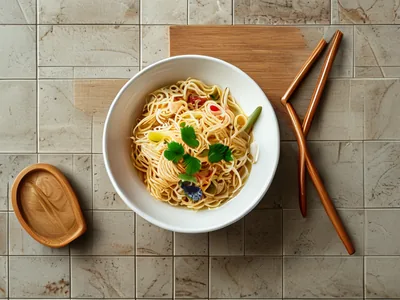
A steaming bowl of noodles sits on a wooden table, the red broth shimmering under the restaurant lights. Selecting the right bowl involves balancing the intensity of the spice with the base of the soup.
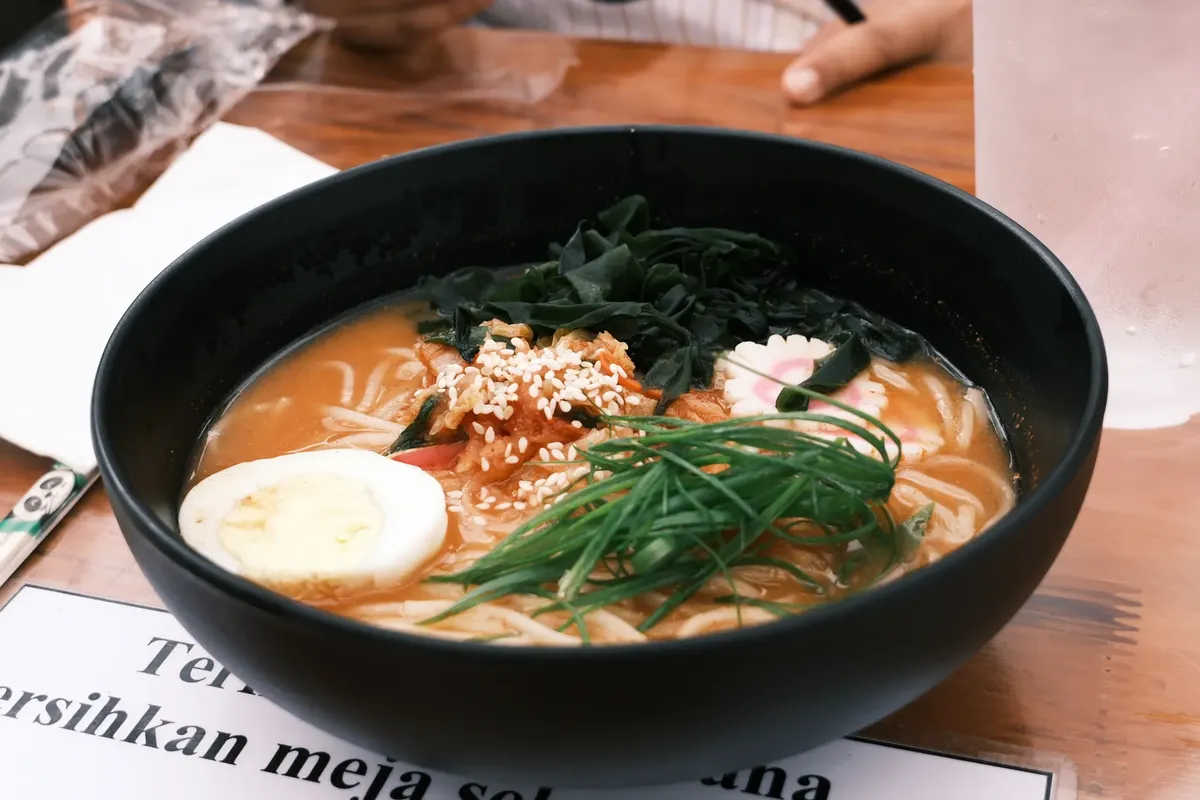
When looking for the best spicy Southeast Asian ramen, diners often prioritize the depth of the chili infusion against the richness of the broth.
The flavor profile of a dish can vary significantly based on the ingredients used. For instance, some instant noodles are designed with specific serving sizes, such as 43 g, which can influence how the spice hits the palate. Understanding these proportions helps in managing the heat during a meal.
A spicy ramen selection tips approach focuses on the relationship between the spice and the soup base. Some varieties use higher fat content to carry the heat, while others rely on pure chili extracts.
Evaluating these elements ensures the spice does not overwhelm the primary ingredients of the meal.
- Check the spice level on the packaging.
- Look for flavor profiles like miso or tonkotsu to balance the heat.
- Select noodles with a thicker texture to withstand the broth.
What defines a large portion ramen guide? Best spicy Southeast Asian ramen
A waiter places a massive ceramic bowl on the table, the steam rising in thick clouds. A large portion ramen guide typically considers the volume of noodles and the density of the toppings to ensure satiety.
For those seeking a heavy meal, the ratio of carbohydrates to protein is a key factor in determining how filling the dish will be.
Carbohydrate content plays a major role in the feeling of fullness after a meal. One specific noodle preparation consists of 385 kilocalories, 55.7 g of carbohydrates, 14.5 g of total fat, 6.5 g of saturated fat, 7.9 g of protein, and 0.6 mg of thiamine.
This breakdown shows how energy is distributed within a single serving.
When comparing different servings, one must look at the total caloric load and the specific macronutrient balance. A substantial meal might lean heavily on carbohydrates to provide immediate energy.
I noticed that choosing a bowl with a higher protein-to-carb ratio often makes the large portion feel more balanced.
In this sequence, the second step is the longest.
How to find value for money ramen?
A customer counts coins at a small counter, eyeing the menu for the best deal. Finding value for money ramen means looking beyond the price tag to the actual nutritional value and satiety provided. A cheap meal that leaves you hungry an hour later is rarely a true bargain.
The cost-to-benefit ratio is often measured by the amount of protein and fiber included in the bowl. While price is a factor, the quality of the ingredients determines the actual value. A well-constructed meal provides enough sustenance to last through several hours of activity.
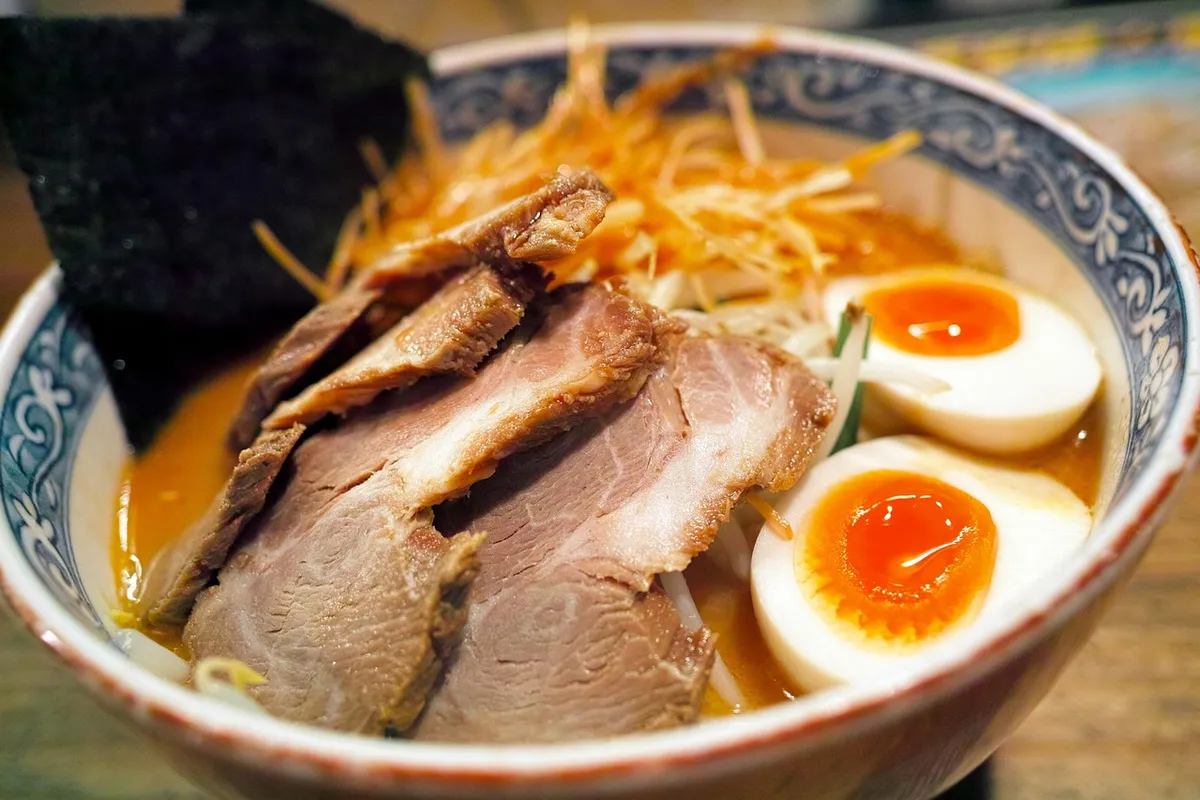
A common way to evaluate value is to check the protein content relative to the price. High-protein options may cost more but offer better long-term satisfaction. Balancing these costs with the desired spice level is the key to a successful dining experience.
What are the risks of high sodium?
A diner reaches for a glass of water after a salty, spicy meal. A spicy vs large portion ramen dilemma often leads to high sodium intake, which can be a significant concern. Many instant ramen noodles are known to contain very high sodium levels, which can affect how you feel after eating.
Sodium levels can vary wildly depending on whether the soup is prepared with different liquids. For example, canned cheese soup prepared with an equal volume of milk contains 406 mg of sodium, while the same soup prepared with an equal volume of water contains 388 mg of sodium.
These small differences can add up in a single meal.
Managing sodium is essential when consuming spicy or large-scale noodle dishes. High salt content can mask the subtle flavors of the spices used in the broth. Keeping an eye on these levels helps in making more informed dietary choices.
How to balance spice and satiety?
A spoon dips into a deep red broth, pulling up a tangle of noodles. The best value spicy ramen is often found where the spice level is high enough to be satisfying but not so high that it prevents you from finishing the portion. This balance is crucial for those who enjoy both heat and volume.
The interaction between spice and satiety is a delicate matter. Too much heat can cause discomfort, while too little might leave the meal feeling bland. Finding the "sweet spot" allows for a more enjoyable dining experience.
| Component | Nutritional Profile (Example) |
|---|---|
| Carbohydrates | 55.7 g |
| Protein | 7.9 g |
I compared these carbohydrate and protein levels to understand how a single serving might affect fullness. Selecting a meal with a structured balance helps avoid the energy crashes often associated with high-carb meals.
How to manage dietary limitations?
A person carefully reads the label on a noodle packet before eating. A limitation in choosing spicy ramen is that high-sodium or high-fat content can make certain meals unsuitable for individuals with specific health restrictions.
- Check the total sodium content on the packaging. 2. Evaluate the fat-to-protein ratio. 3. Consider the portion size relative to your daily caloric needs.
A final check involves verifying the total calories against your remaining daily allowance. This ensures that even a heavy meal fits within your personal dietary goals.
Is high sodium a concern in ramen? Yes, many instant ramen noodles are known to have a serving of 43 g and can contain very high sodium. This can be a significant factor when managing salt intake.
Can the liquid used change the sodium levels? Yes, according to USDA FoodData Central, canned cheese soup prepared with an equal volume of milk contains 406 mg of sodium, whereas the same soup prepared with an equal volume of water contains 388 mg of sodium.
The search for the perfect bowl involves balancing heat, volume, and nutritional content to find a meal that is both delicious and satisfying.
The same subject is also called Spicy ramen taste comparison.
Related


Comments 0