Premium Ramen Value Guide: High-End Flavors
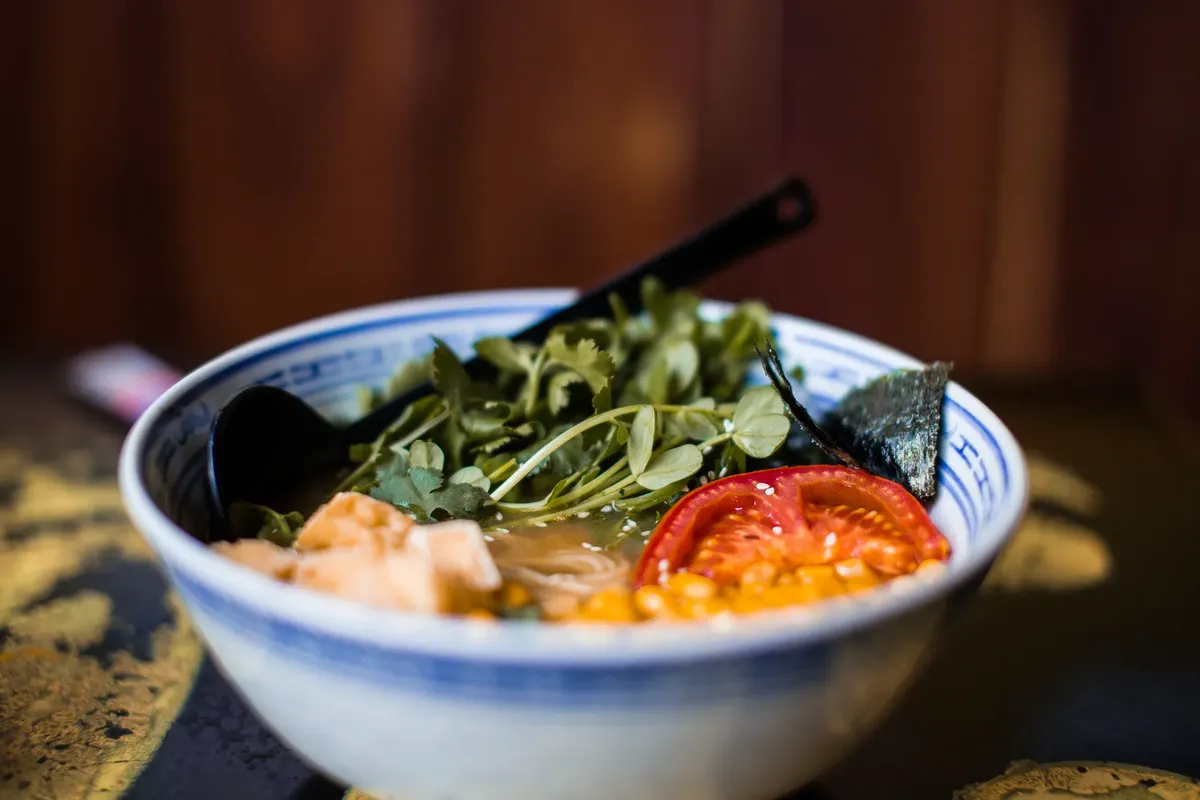
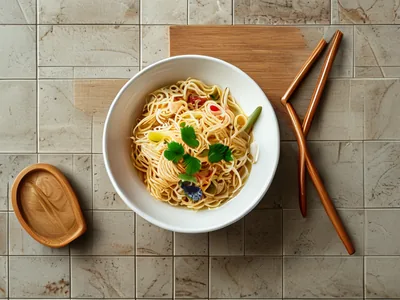
A steaming bowl of noodles sits on a wooden table, the aroma of rich broth rising in a delicate cloud.
Choosing the right meal requires balancing flavor, portion size, and nutritional content to find true value. This guide explores how to evaluate premium ramen by looking at ingredient quality, market-leading brands, and nutritional profiles.
You will learn to compare flavor profiles, understand market shares to identify popular choices, and recognize the nutritional makeup of dry ramen noodles. This guide covers flavor variety, portioning, and the limitations of dry noodle nutrition.
How do you evaluate premium ramen ingredients?
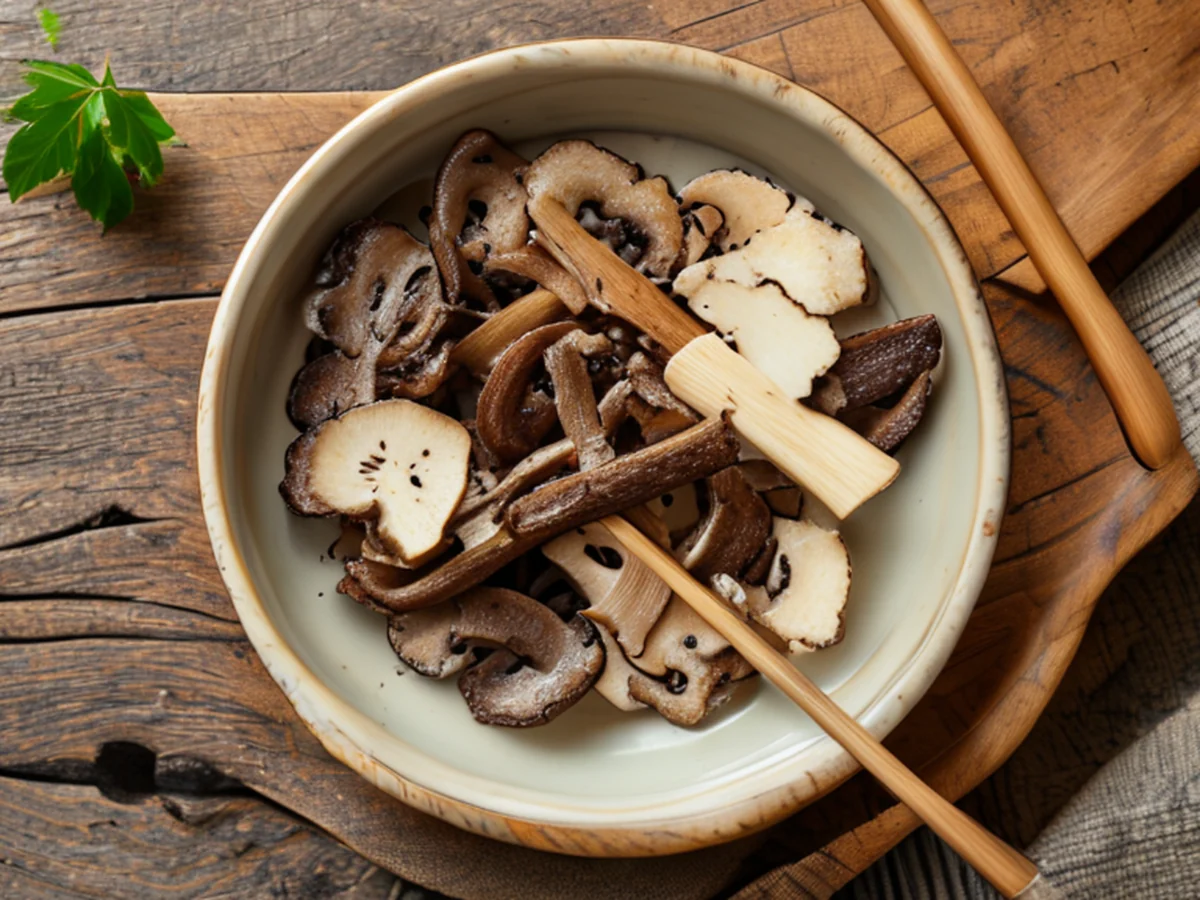
In the quiet kitchen at dawn, I lean forward to inhale the earthy aroma of the premium wheat flour.
A chef carefully selects high-quality flour and aged soy sauce to create a deep, complex broth. Developing a sense for high-end flavors involves recognizing the balance between fats, salts, and vitamins.
A high-end ramen selection focuses on the quality of the base ingredients used in the soup and noodles. For instance, when looking at dry ramen noodle soup, the nutritional profile includes 17.6g of fat and 60.3g of carbohydrates per 100g.
Understanding these components helps in managing caloric intake while enjoying a heavy meal.
A gourmet ramen comparison often involves checking the specific vitamins and minerals present in the dry base.
These figures provide a baseline for understanding the energy density and mineral content of the noodles themselves.
I once sat in a small shop, watching the steam rise from a bowl of thick, creamy broth, wondering how much of that richness came from the fat content.
- Inspect the quality of the wheat used in the noodles.
- Check the freshness of the protein toppings.
- Evaluate the depth of the broth base.
What are the top tier ramen brands to consider?
Under the bright supermarket lights, I run my fingers over the colorful packaging to find the best premium brands.
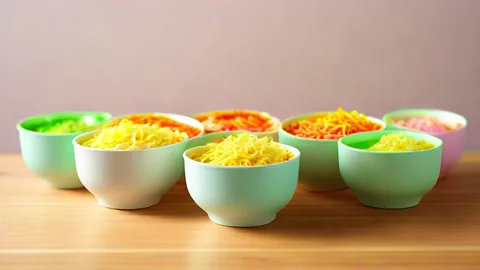
A consumer browses a supermarket aisle, looking at the colorful packaging of various noodle brands. Identifying market leaders can help a buyer find reliable quality and consistent taste.
A top tier ramen review often looks at the dominance of specific manufacturers in different global markets. For example, in Australia, the San Remo Macaroni Company is a major player, with its Fantastic and Suimin brands holding a 30% market share.
This level of popularity suggests a widespread acceptance of their flavor profiles.
The market share of different brands provides insight into which products are most trusted by consumers.
Tōyō Suisan, under the Maruchan brand, maintains a 19.2% market share with products like "Akai Kitsune" and "Midori no Tanuki." Sanyō Foods, known for "Sapporo Ichiban," holds an 11.5% market share. Meanwhile, Myōjō Foods with Charumera holds a 9.9% market share.
| Brand | Market Share |
|---|---|
| San Remo Macaroni Company | 30% |
| Tōyō Suisan (Maruchan) | 19.2% |
In this order, the second is the longest.
How can you manage the luxury ramen portion guide?
A diner looks at a large bowl, deciding whether to finish the entire portion or save some for later. Managing portions is essential when dealing with calorie-dense instant or premium noodles.
A luxury ramen portion guide requires understanding the energy density of the noodles to avoid overconsumption. Since dry ramen noodle soup can contain 440kcal per 100g, portion control is vital for maintaining a balanced diet.
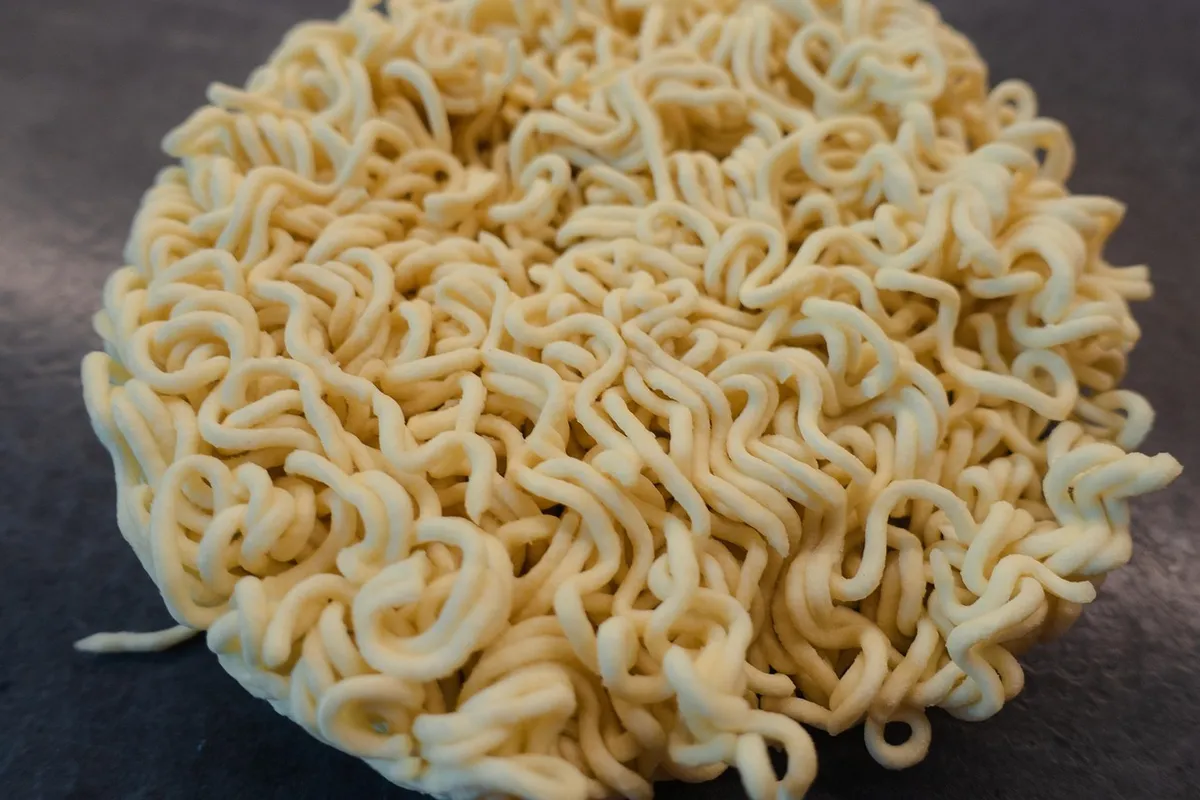
It is helpful to prepare smaller servings if the noodles are particularly rich in fats.
To manage a meal effectively, follow these steps: 1. Measure the dry weight of the noodles before cooking to track exact caloric intake. 2. Supplement the meal with fresh vegetables to increase volume without adding excessive calories. 3.
Check the final volume of the soup to ensure the salt and fat levels are manageable. 4. Conduct a final check of the nutritional label to see the total sodium and carbohydrate count.
What is the impact of flavor on premium ramen value?
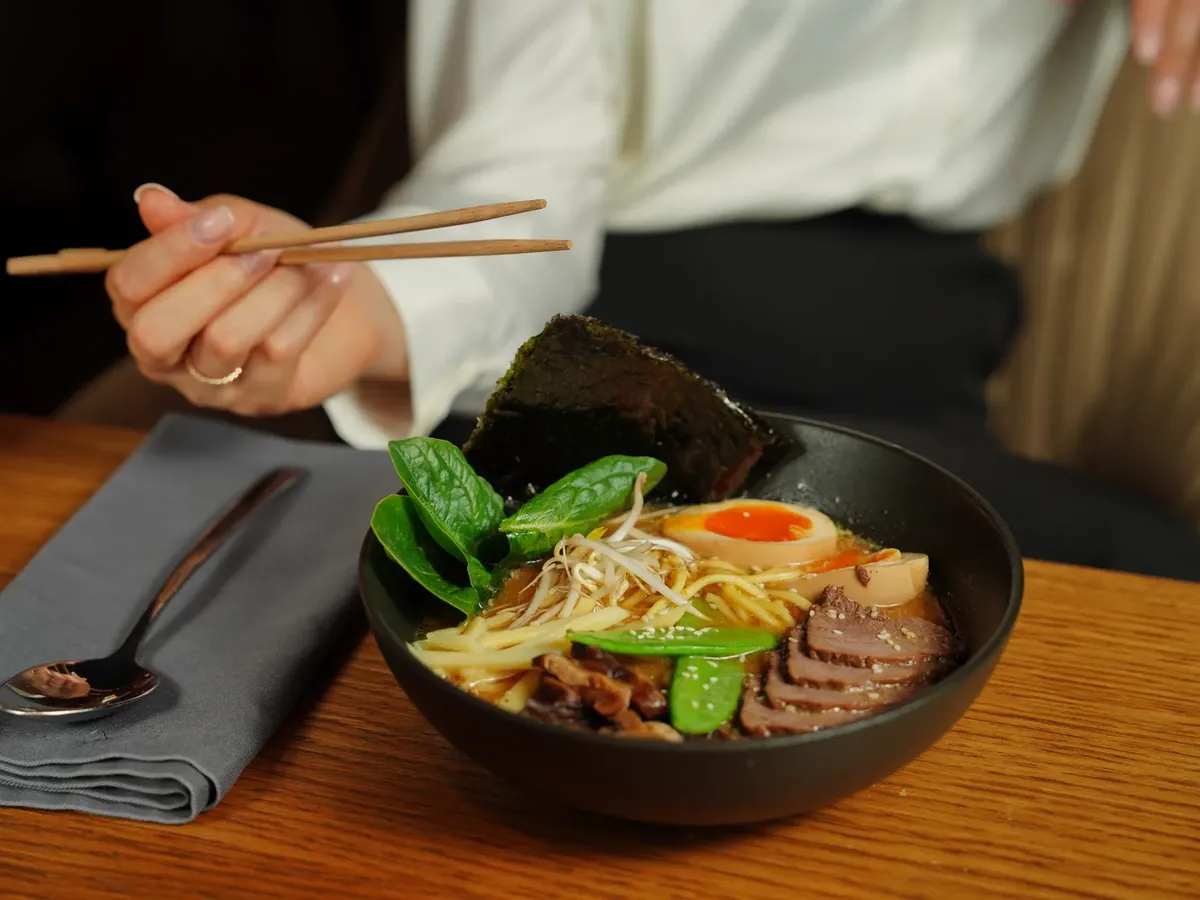
A person tastes a spoonful of broth, noting the subtle notes of garlic and ginger. The intersection of taste and price defines the perceived value of a premium product.
The premium ingredients vs price debate often centers on how much flavor is packed into a single serving. In some markets, local flavors remain king, with one representative noting that local flavors accounted for 90 to 95 percent of sales.
This suggests that even in a globalized market, traditional taste profiles often hold the highest value.
The Vifon brand holds a 35% share of the Polish instant soup market, selling over 100 million packages a year. In other regions, the Wai Wai brand from Thai Preserved Food Factory holds a 23–24 percent share, followed by Ajinomoto's Yum Yum brand at 20–21 percent.
These statistics show how flavor preferences drive market dominance.
How do nutritional facts affect your selection?
A health-conscious individual reads the fine print on a package before placing it in their cart. Comparing nutritional data is a key part of choosing a meal that fits a lifestyle.
The best luxury ramen guide should include an understanding of the vitamins and minerals available in the noodles. For example, 100g of dry ramen noodle soup contains 116ug of folate and 0.3mg of vitamin C. These small amounts of micronutrients are part of the overall nutritional profile.
One limitation of relying on dry noodle data is that the nutritional content changes significantly once water and fresh toppings are added. While the base may have 181mg of potassium, adding fresh ingredients will alter the final density.
Related
- How do dehydration methods affect moisture levels?
- Spicy Ramen History and Trends: Why Heat Evolved Over Time
How does the steaming bowl compare across different flavor profiles?
The steaming bowl itself acts as a vessel for the flavor experience, much like the quality of the broth dictates the overall impression. A comparison between different flavor profiles reveals how ingredient quality translates into sensory experience.
The richness of the broth, visible in the steaming bowl, reflects the balance achieved between fats, salts, and vitamins mentioned earlier.
The journey of taste in a steaming bowl is influenced by the initial selection of base ingredients. High-quality flour and aged soy sauce contribute to the complexity that elevates a meal beyond simple sustenance. This foundational quality is what separates a premium experience from a standard one.
The visual cue of the aroma rising from the steaming bowl is the first signal of the meal's potential. This rising cloud carries the volatile compounds that signal the presence of fats and salts, key components of the broth's depth.
What cautions should accompany the dry noodle base?
The dry noodle base, while providing structure, carries specific nutritional information that requires careful consideration. The high carbohydrate content, for example, is a predictable feature of the dried product.
Therefore, understanding this base is crucial for managing the meal's overall profile.
When assessing the dry noodle base, one must account for the mineral contributions, such as the potassium and calcium mentioned. These minerals contribute to the body's needs but are part of the initial, concentrated package.
The presence of these elements in the dry state allows for precise tracking before water is added.
The fat content listed for the dry ramen noodle soup is a factor that influences the meal's caloric density. This density means that the final meal's caloric load is directly tied to the portion size consumed from the steaming bowl. Careful measurement mitigates potential excess.


Comments 0