How do dehydration methods affect moisture levels?
"In a world where convenience meets a growing global appetite, the humble cup noodle stands as a testament to efficient food engineering and rapid consumer demand."
This guide explores moisture limits, fat content differences between fried and non-fried varieties, and the massive scale of global consumption to help you choose your next meal.
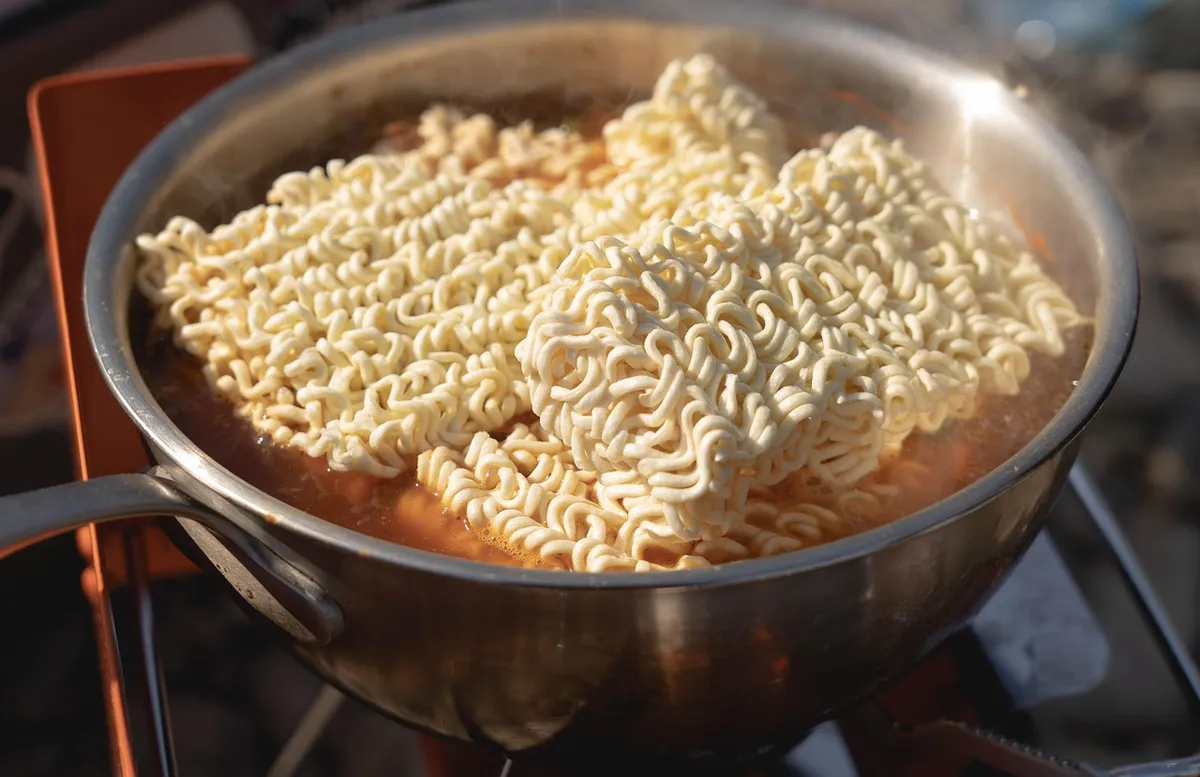
* Moisture limits vary by dehydration method. * Fat content is regulated differently for fried versus non-fried noodles. * Global consumption reached record levels in 2022.
How do dehydration methods affect moisture levels?
A hand reaches for a steaming cup of noodles while the steam rises in a quiet kitchen. The moisture level in an instant noodle depends heavily on whether it was fried or air-dried during production.
For those dehydrated by methods other than frying, the moisture content cannot exceed 14.5%. This difference in moisture affects the texture and shelf life of the noodles.
What is the difference in fat content for fried noodles? Best cup noodles value guide
At noon in the sunny kitchen, I lift a heavy fork to taste the oily, golden noodles.
The golden, crispy texture of the noodles is a direct result of the frying process used to remove water.
According to USDA regulations, oil-fried instant noodles should not have a combined fat content of ingredients and frying higher than 20% of total weight. This cap ensures that even fried products maintain a specific nutritional profile.
How do non-fried noodles compare to fried ones?
Standing in the grocery aisle, I pick up a light packet and feel the dry texture of the non-fried noodles.
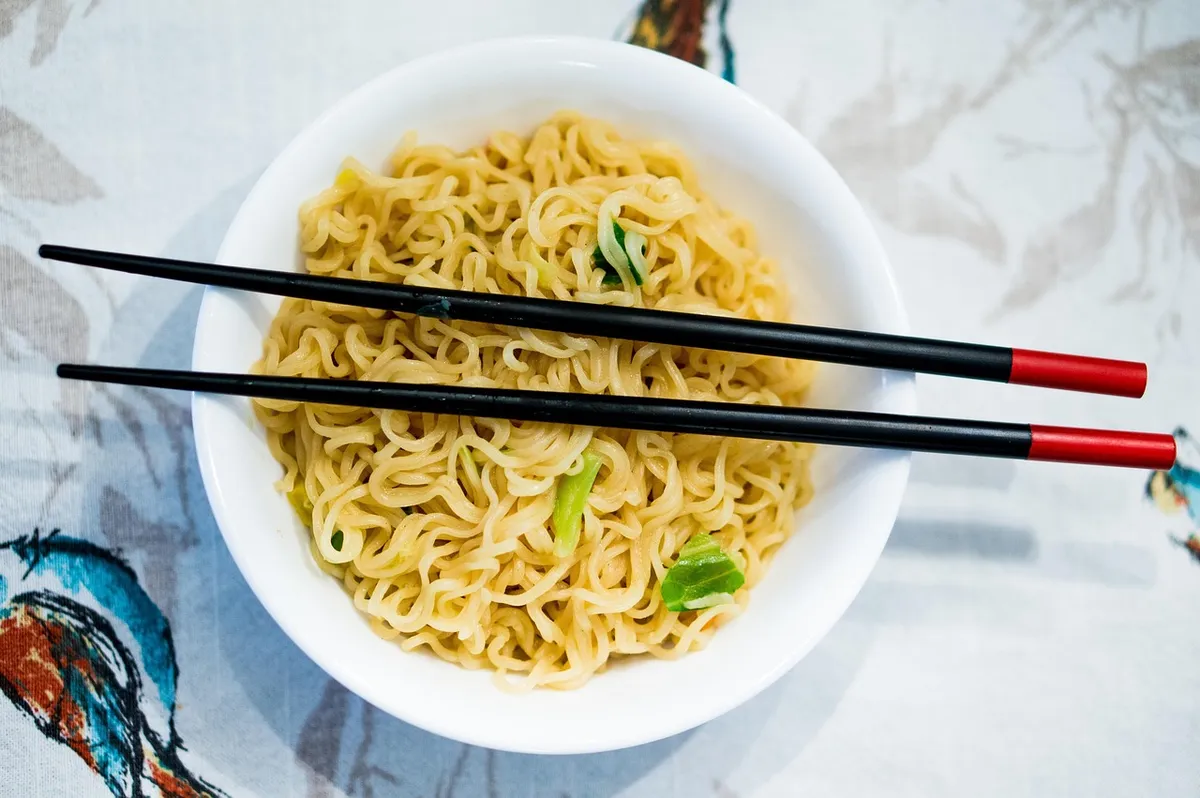
A person chooses a lighter-looking packet of non-fried noodles at the grocery store. These noodles often provide a different mouthfeel compared to their oil-soaked counterparts.
According to the USDA, non-fried instant noodles should have a fat content lower than 3%. This lower fat threshold is a key characteristic of non-fried varieties.
Why is the global appetite for noodles growing?
A busy professional grabs a cup of noodles during a short break in a crowded city. The sheer scale of the market is reflected in recent global consumption statistics.
In 2022, consumers in more than 50 countries slurped their way through a record 121.2bn servings of instant noodles, according to the Osaka-based World Instant Noodles Association. This massive volume highlights the role of these products in global diets.
How to evaluate top rated cup noodles?
A shopper compares two different brands on a supermarket shelf. Evaluating top rated cup noodles involves balancing the preparation method with regulatory standards.
To assess quality, consider these three steps: 1. Check the moisture content based on the dehydration method. 2. Verify the fat content relative to whether the noodles are fried or non-fried. 3. Evaluate the portion size against the specific ingredients used.
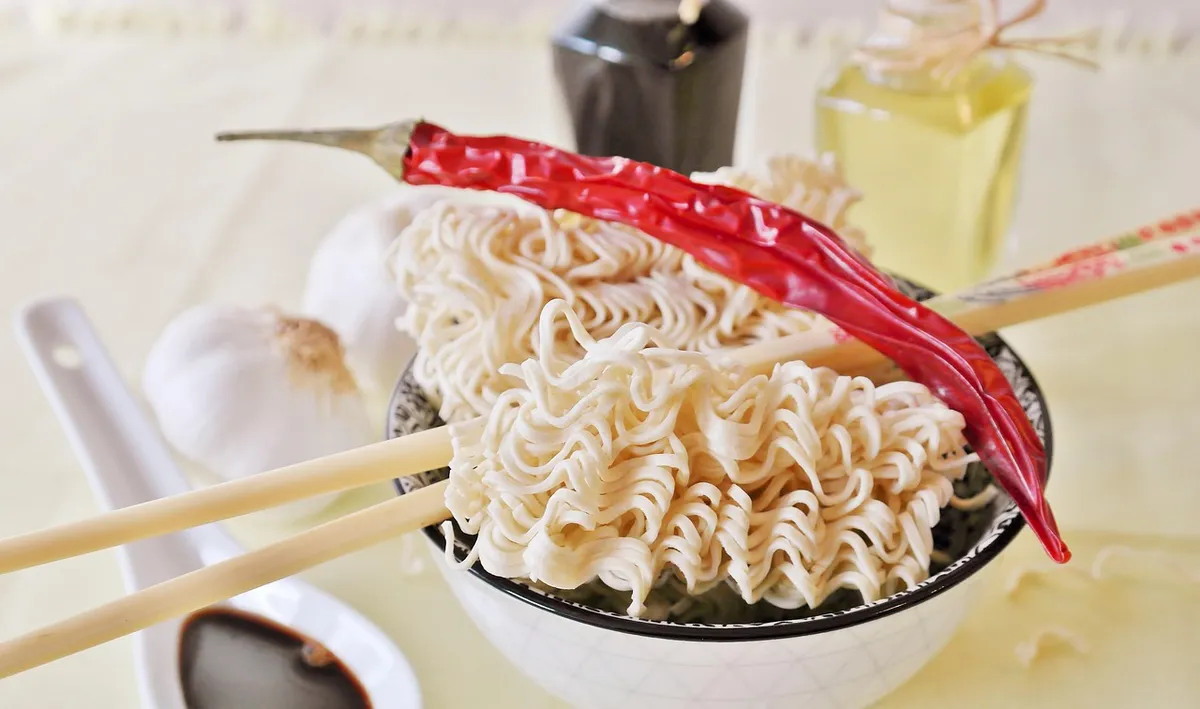
A final check involves ensuring the product meets your personal dietary preferences regarding fat and texture.
What are some cheap and tasty noodles tips?
A student prepares a quick meal in a dormitory setting. Finding cheap and tasty noodles often means understanding how different processing methods change the product.
When looking for value, you can compare the fat content to the texture you prefer. For instance, comparing noodle portion size can help you decide if a specific brand provides enough satiety. You might also explore easy cup noodle recipes to enhance a basic meal.
Using these noodle repurchase rate tips can help you identify which brands consistently meet your needs for both flavor and value.
I once compared a fried noodle to a non-fried one to see how the moisture difference changed the broth absorption.
| Noodle Type | Max Moisture Content | Max Fat Content |
|---|---|---|
| Fried | 8% | 20% |
| Non-fried | 14.5% | 3% |
The limitation of these comparisons is that moisture and fat levels are regulated based on specific dehydration methods, so one cannot be directly swapped for the other without changing the product type.
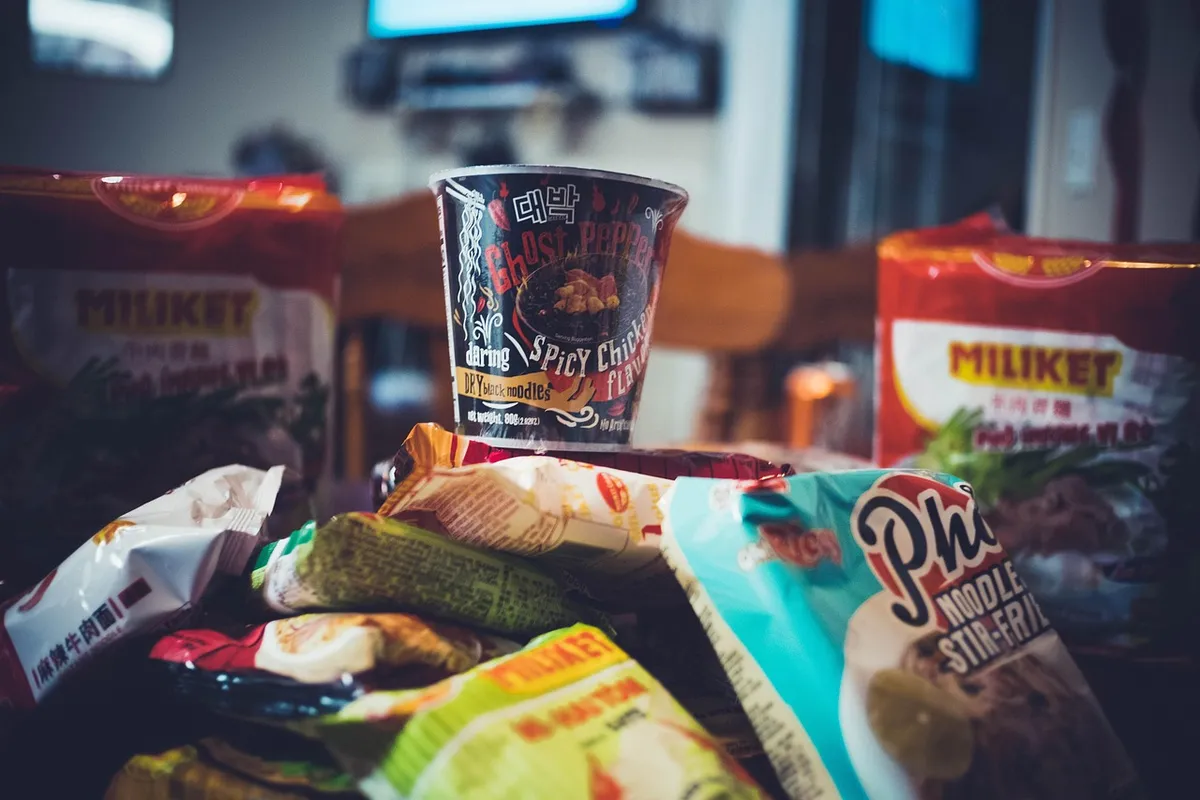
- This guide explores moisture limits, fat content differences between fried and non-fried varieties, and the massive scale of global consumption to help you choose your next meal.
- According to the USDA, for instant noodles dehydrated by frying, moisture content cannot exceed 8%.
- An empty pantry leads to a quick decision to use a packet of oil-fried noodles.
The subject here is Best cup noodles value guide.
The same subject is also called Cup noodle price vs taste.
The same subject is also called Best cup noodle brands.
Comparing noodle portion size
Related
- Spicy Ramen History and Trends: Why Heat Evolved Over Time
- True essence of ramen broth: Clarity vs heavy creaminess
Why is the world's appetite for convenience so high? The world's appetite for convenience drives the popularity of these quick meals. The global consumption figures from 2022 underscore the widespread adoption of these products. This massive scale reflects how deeply integrated cup noodles have become into modern lifestyles.
- The sheer volume consumed globally demonstrates their role in modern diets. 2. The accessibility of these products contributes to their high repurchase rate. 3. They offer a fast solution for busy individuals needing a meal quickly.
While the initial appeal is convenience, the underlying engineering of the noodle dictates its suitability for different dietary needs. Understanding the processing methods allows consumers to match the product to their immediate requirements.
How does the world's need for convenience influence noodle engineering?
The world's need for convenience drives the engineering choices made during the production of these instant noodles. Producers must balance the desire for rapid preparation with the need to maintain acceptable moisture and fat profiles for long-term storage.
This balance is crucial for maintaining product integrity until the consumer adds hot water.
- The dehydration process determines the initial moisture level, which impacts how quickly the product degrades over time. 2. The fat regulation addresses the textural goal sought by the consumer, whether they prefer crispness or a lighter body. 3. The combination of these factors allows the product to survive until it is ready for immediate consumption.
This engineering successfully marries the need for a quick meal with the physical constraints of shelf stability. The world's appetite for convenience finds its perfect match in the engineered properties of the noodle itself.


Comments 0