Noodle texture guide how to choose perfect chewy: 16.1%
* Understand the difference between wheat-based noodles and starch-heavy varieties.
This guide explores the nuances of global ramen profiles to help you navigate the aisles of your local supermarket or international grocery store.
* Learn to identify flavor profiles like umami, spice, and acidity. * Master the art of seasoning adjustment for the perfect bowl.
Why do some noodles feel heavy while others stay light?
In the morning I hold noodle and walk through the next step.
According to the World Instant Noodles Association, global consumption reached a record 121.2bn servings in 2022.
According to the Danish Veterinary and Food Administration, certain spicy noodle variants were recalled in 2024 due to capsaicin levels that posed a risk of acute poisoning.
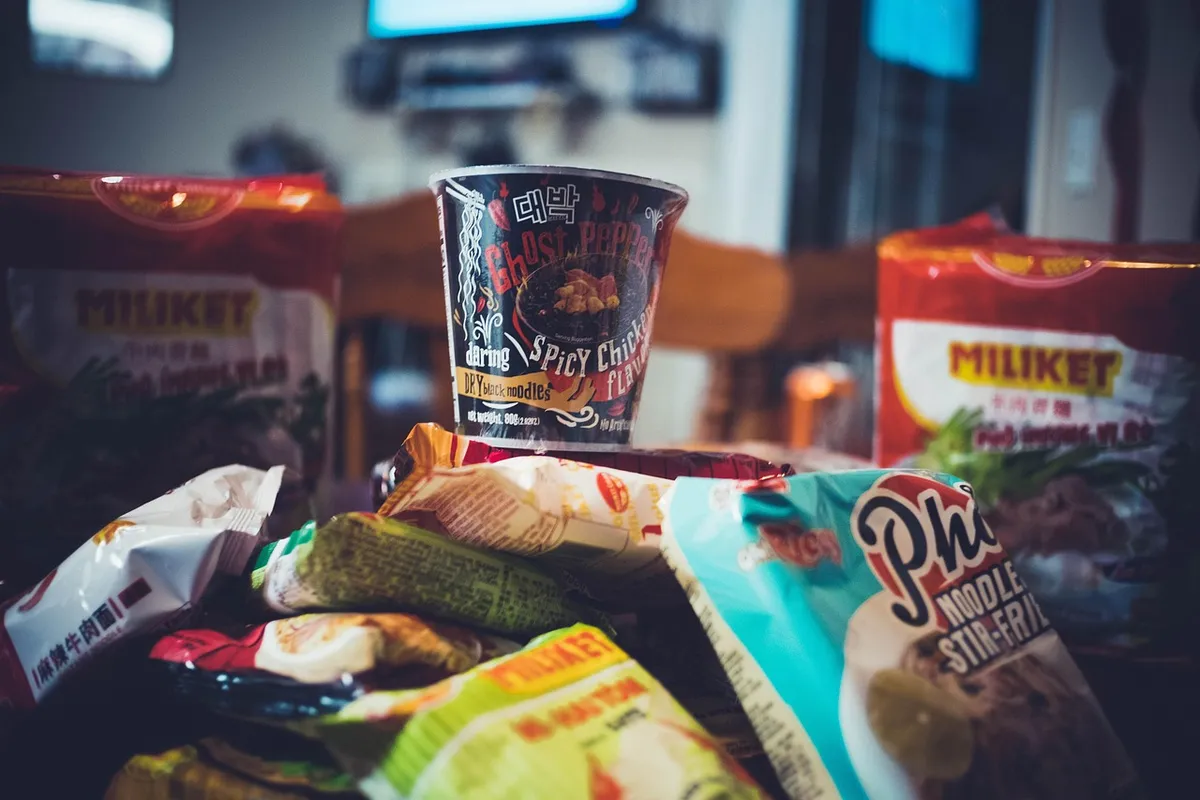
The weight of a noodle often comes down to the ratio of flour to water and the specific type of wheat used in the dough.
Noodle density is a primary factor in how a dish satisfies. Some varieties use high-protein flour to create a firm, bouncy texture that holds up well in heavy soups, while others use rice flour or starch to achieve a delicate, translucent finish.
When you choose a product, consider whether you want a noodle that acts as a hearty base or a subtle vessel for the broth.
If you are looking to experiment with different textures, follow these steps to elevate your noodle game:
- Check the ingredient list for flour types, such as high-protein wheat versus rice flour. 2. Adjust the boiling time based on the thickness of the noodle to prevent mushiness. 3. Test the firmness by biting into a single strand after the recommended cooking time.
I once tried to cook thick, hand-pulled style instant noodles in a thin broth, and the heaviness of the noodles completely overwhelmed the delicate seasoning.
How can you master the perfect soup base?
In the quiet kitchen, I leaned over the pot to smell the salty steam as I stirred the soup base into the noodles.
The steam rose from the pot, carrying a sharp, salty aroma that filled my small apartment, making me realize how much the liquid component defines the entire experience. The soup base is the soul of any ramen dish, providing the foundational flavor that ties the noodles and toppings together.
The Korean Fair Trade Commission fined several companies, including Samyang Foods, in 2012 for fixing instant noodles prices.
The World Instant Noodles Association reported that in 2022, consumers globally consumed a record 121.2bn servings of instant noodles.
A well-rounded broth usually balances four key elements: salt, fat, acidity, and umami. In many instant varieties, these are concentrated in a powder or liquid packet. Understanding how to manipulate these can change a mediocre meal into a gourmet-style experience.
| Profile Type | Primary Characteristic | Best Noodle Pairing |
|---|---|---|
| Umami-Rich | Deep, savory, often meat-based | Thick, chewy wheat noodles |
| Spicy-Aromatic | Heat combined with spice notes | Medium-thickness noodles |
| Clear-Light | Clean, salty, subtle | Thin, delicate noodles |
When you open a new pack, smell the seasoning packet first to determine if the base is more fat-heavy or salt-heavy. This helps you decide if you need to add extra acidity, like a squeeze of lime, or extra starch to thicken the soup.
What makes the spicy flavor profile so addictive?
I wiped a bead of sweat from my forehead after the first spicy spoonful, feeling the heat bloom slowly across my tongue and chest. Spicy ramen relies on a combination of capsaicin and aromatic spices to create a sensation that is both a challenge and a comfort.
The USDA FoodData Central provides verified nutritional data per 100g to understand these flavor components.
In 2012, the Korean Fair Trade Commission fined Samyang Foods and other companies for fixing instant noodles prices from 2001 to 2010.
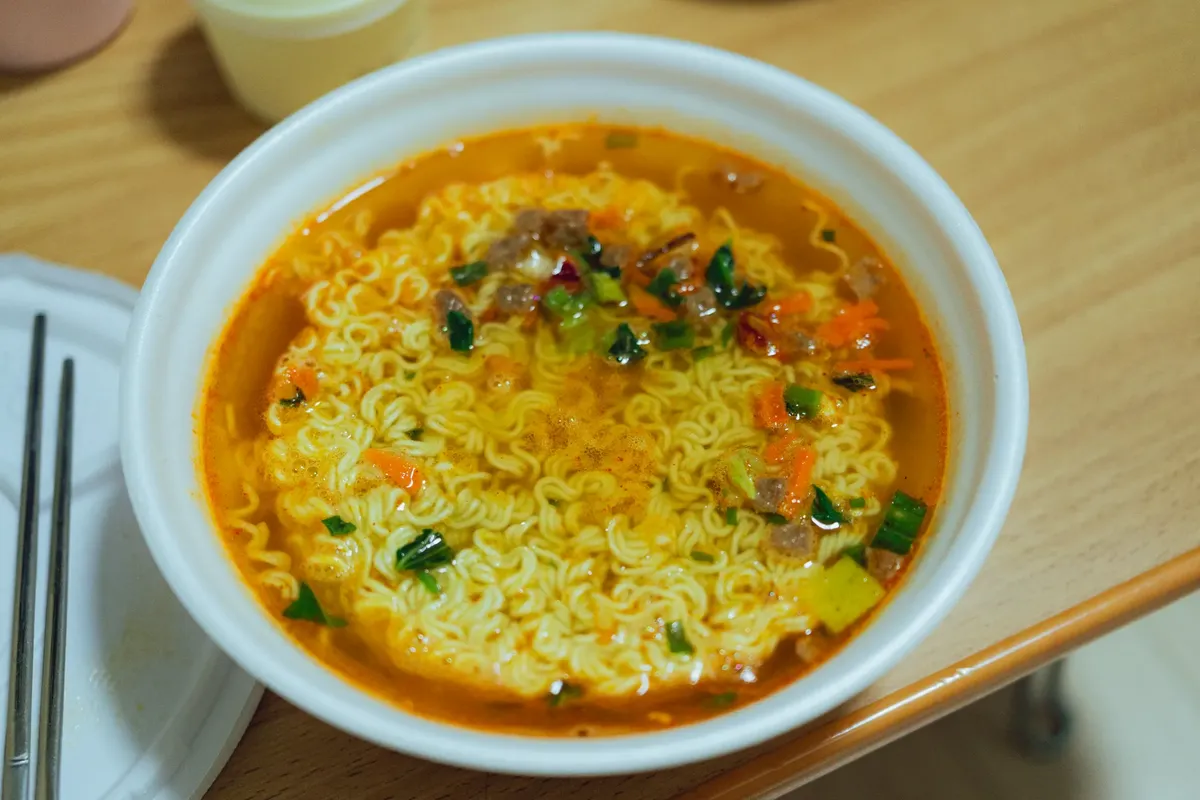
The heat in instant noodles typically comes from dried chili flakes, chili oil, or concentrated spicy pastes. However, "spicy" isn't just about heat; it is about the complexity of the spice.
Some profiles focus on the sharp sting of pure chili, while others use spices like Sichuan peppercorns to provide a numbing sensation or ginger to provide a warming, aromatic heat.
To manage heat levels without sacrificing flavor, try these techniques:
- Dilute the spice packet with a little extra hot water or unsalted broth. 2. Add a spoonful of creamy elements, like milk or coconut milk, to mellow the sting. hold
- Pair the spicy noodles with a neutral topping, such as a soft-boiled egg or plain vegetables, to cleanse the palate.
A limitation of high-heat spice profiles is that they can easily mask the natural taste of the noodles themselves if the seasoning is too aggressive.
How do you balance salt and umami?
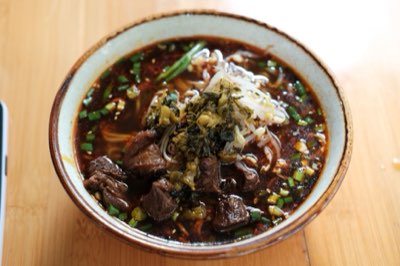
I dipped my spoon into the dark, amber-colored broth, noticing how the saltiness hit first before the savory depth of the meat extract settled in. Achieving a balance between salt and umami is the hallmark of a high-quality soup base.
According to the Association (WINA), India was the third largest consumer of instant noodles in 2018.
Nutritional values can be cross-referenced with USDA FoodData Central to understand the composition of various noodle products.
Salt provides the immediate sharp hit that wakes up the taste buds, while umami provides the long-lasting, savory satisfaction.
In many instant products, salt is the primary driver of flavor, but a lack of umami can make the soup feel thin or "empty." Adding ingredients like dried mushrooms, seaweed, or even a small amount of soy sauce can boost the umami levels.
If you find a broth too salty, you can balance it by adding: * A splash of rice vinegar or lime juice for acidity. * A small amount of sugar or mirin for subtle sweetness. * Extra water or unsalted vegetable stock to dilute the sodium.
I once prepared a batch of noodles where the salt was so overwhelming that I had to add an entire extra cup of water just to make it drinkable.
Why does the topping change everything?
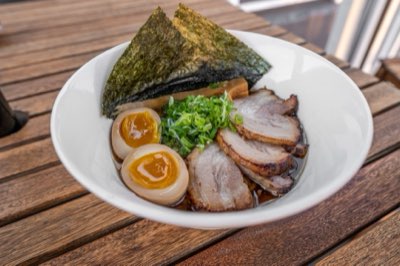
I carefully placed a bright green slice of scallion and a perfectly jammy egg onto the surface of my bowl, watching the colors pop against the dark broth. While the noodles and soup are the foundation, toppings provide the necessary contrast in texture and temperature.
As noted by the Association (WINA), India was the third largest consumer of instant noodles in 2018 after China/Hong Kong and Indonesia.
Toppings serve two purposes: they add visual appeal and they provide a break from the consistency of the noodles. A crunchy topping like bamboo shoots or fried garlic provides a textural contrast to soft noodles, while a protein like pork belly or a boiled egg adds richness.
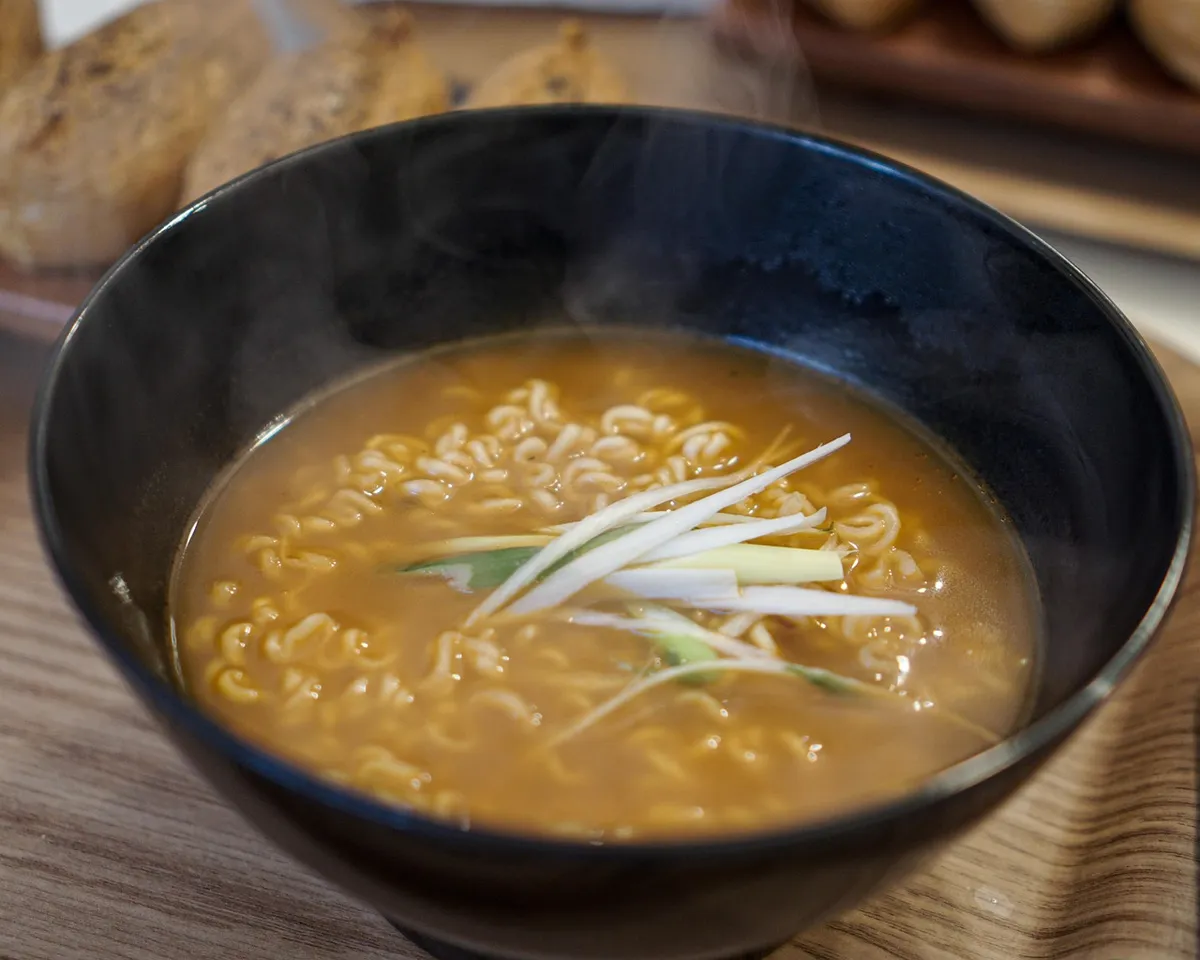
When selecting toppings, consider these pairings: 1. Use fresh, crunchy vegetables (like cucumber or sprouts) to offset heavy, oily broths. 2.ness 3. Use creamy toppings (like a poached egg or cheese) to complement spicy or salty flavors.
The effectiveness of a topping depends on how well it complements the existing flavor profile of the soup.
According to World Bank, According to World Bank data, South Korea recorded agricultural land share of 16.1% in 2023.
When I tried the steps in order, the second one is where I paused longest.
This order does not hold, however, when the figure is not 20 km.
- "A single sip of salty, savory broth can transport you to a rainy street in Osaka or a bustling night market in Taipei."
- Finding the right instant noodle involves balancing texture, spice, and depth of flavor to satisfy a specific craving.
- I sat at my small wooden kitchen table, staring at a steaming bowl of thick, chewy noodles, wondering why the texture felt so much more substantial than the thin vermicelli I had eaten for lunch.
Related



Comments 0