Tonkotsu vs Shoyu: A 6-Point Flavor Profile Guide
"The soul of a bowl of ramen isn't just in the noodles, but in the depth of the broth that holds them together."
This article is about Tonkotsu. Choosing between a creamy pork bone soup and a clear soy-based broth can feel like deciding between two different worlds. This deep dive compares the heavy hitters of Japanese ramen varieties to help you decide which bowl belongs on your table tonight.
* Understand the fundamental differences between creamy and clear broths. * Compare the texture and flavor profiles of tonkotsu and shoyu. * Learn how to identify high-quality broth bases in any ramen shop. * Discover which style suits your current appetite best.
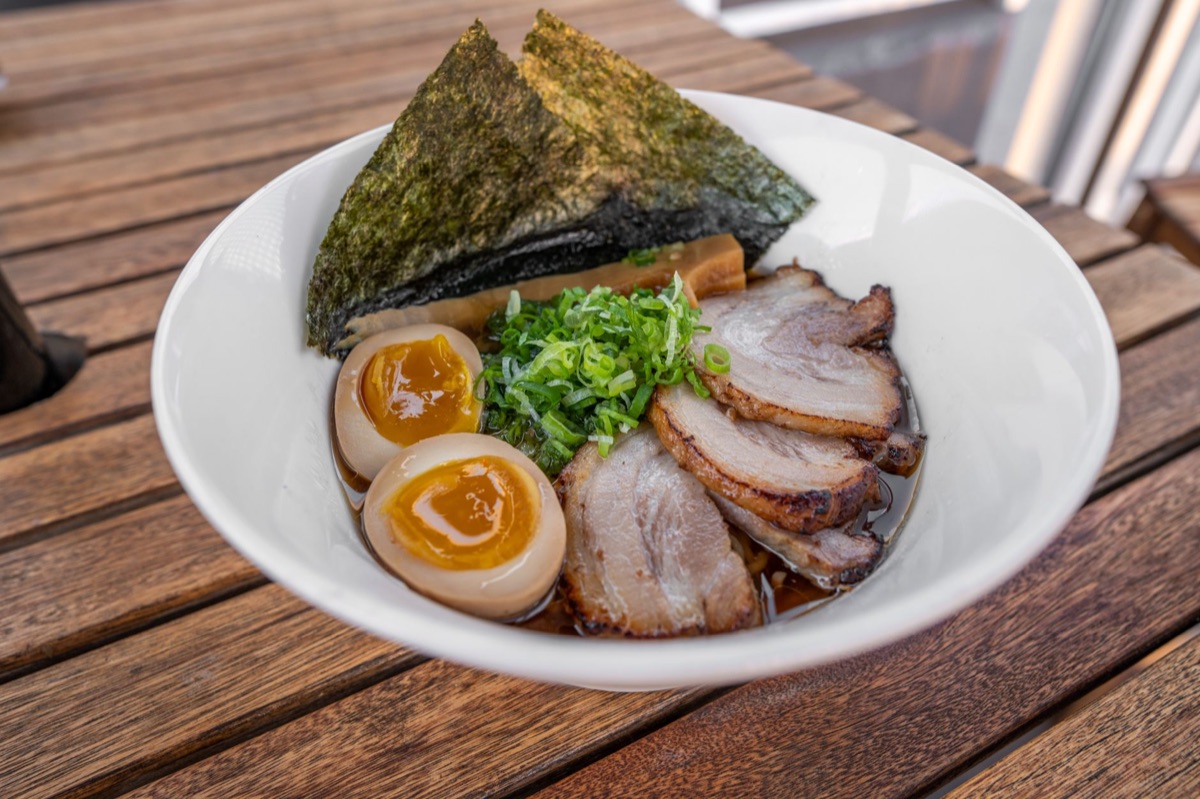
What's happening in this busy Fukuoka kitchen? A thick, white cloud of steam hangs over the counter at a small shop in Hakata, blurring the faces of the hungry patrons. The chef stirs a massive, bubbling cauldron of pork bones that have been simmering for hours.
This is the birthplace of one of the most famous Japanese ramen varieties: tonkotsu ramen.
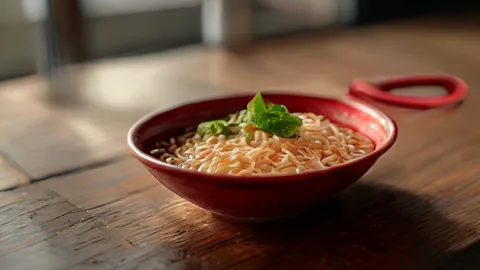
Tonkotsu ramen is defined by its milky, opaque broth created through the long-term boiling of pork bones. This process emulsifies the fats and collagen, resulting in a rich, creamy texture that coats the tongue.
Because the soup is so heavy, it is traditionally paired with thin, firm noodles to prevent the dish from becoming too cloying.
| Feature | Tonkotsu Ramen | Shoyu Ramen |
|---|---|---|
| Base Ingredient | Pork bones (pork marrow/collagen) | Soy sauce (shoyu) and dashi |
| Broth Appearance | Opaque, milky white | Translucent, amber/clear |
| Primary Texture | Creamy, viscous, heavy | Light, clean, liquid |
| Typical Noodle Style | Thin, straight, firm | Medium thickness, curly |
| Flavor Dominance | Savory, fatty, earthy | Salty, umami, bright |

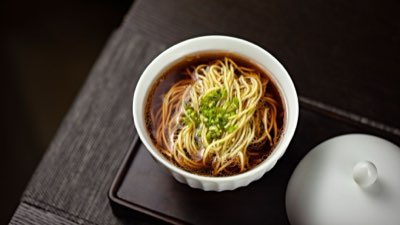
What is this golden liquid in a quiet Tokyo corner? At dusk in a quiet Tokyo corner, the warm glow of a lamp reflects off the surface of the amber liquid as a diner lifts a spoon.
The sun dips low in a quiet Tokyo alleyway, casting long shadows across a polished wooden dining counter. A single bowl of clear, amber liquid sits under the warm glow of a pendant light, looking elegant and sharp.
This is the essence of shoyu ramen, a staple that relies on clarity and refined saltiness.
Shoyu ramen focuses on a clear soup base, often a combination of chicken or vegetable stock seasoned with a high-quality soy sauce blend. Unlike the heavy pork-fat-driven broth, this style is much lighter and focuses on the delicate balance of umami and salt.
It is the perfect choice for those who want a comforting meal without the heavy feeling of animal fats.
How do the flavors actually clash?
I remember sitting in a cramped shop in Shinjuku, staring at two different bowls of ramen side-by-side. One was thick enough to stand a spoon in, while the other looked like a clear consommé.
Choosing between these Japanese ramen varieties requires understanding your own palate's tolerance for richness.
The primary difference lies in the mouthfeel and the way the flavors linger. Tonkotsu provides a heavy, coating sensation that lasts long after the meal is over, making it a "soul food" that feels deeply filling.
Shoyu, conversely, offers a clean finish that allows the subtle notes of the wheat in the noodles to shine through.
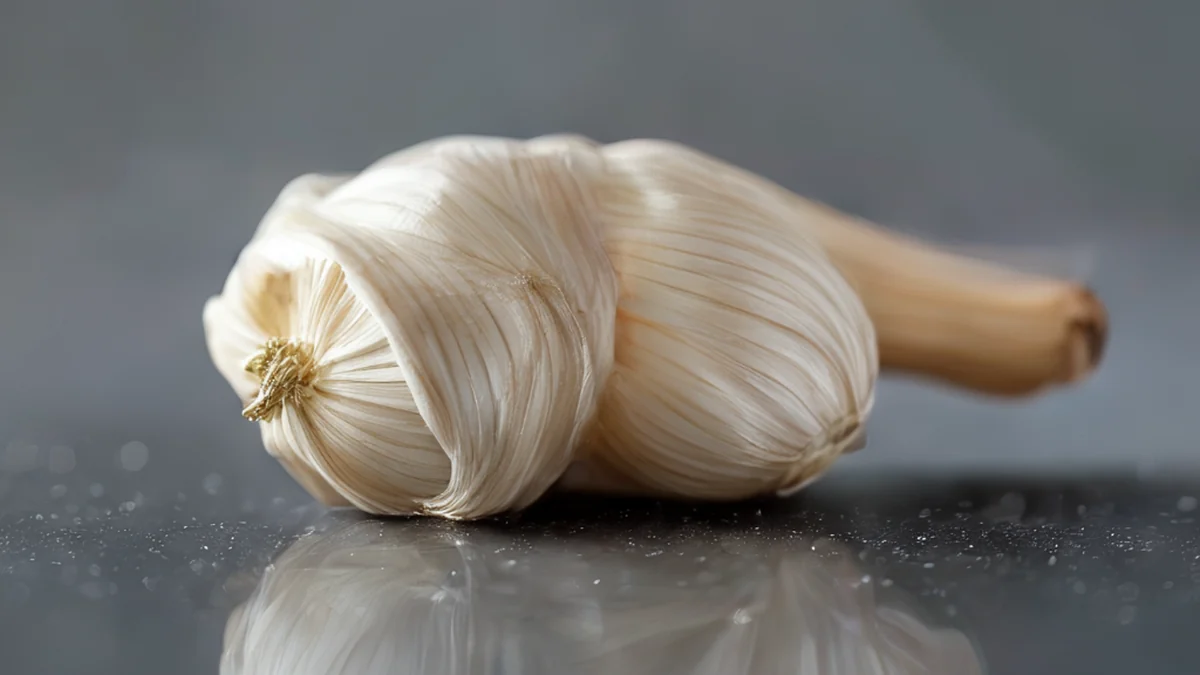
Tonkotsu — The 6-Point Flavor Profile Comparison To truly understand these styles, we must look at the technical breakdown of their components. We use a six-point scale to measure the balance of each bowl: noodle texture, broth richness, flavor intensity, portion size, cost-effectiveness, and replay value.
- Noodle Texture: The structural integrity of the dough. 2. Broth Richness: The density and fat content of the soup. 3. Flavor Intensity: The sharpness of the seasoning. 4. Portion Size: How filling the meal feels. 5. Cost-effectiveness: The value relative to the preparation time. 6. Replay Value: How often you would order it again.
| Metric | Tonkotsu Profile | Shoyu Profile |
|---|---|---|
| Noodle Texture | High (Firmness needed) | Medium (Softer allowed) |
| Broth Richness | Maximum | Low to Medium |
| Flavor Intensity | Medium (Fat-driven) | High (Salt-driven) |
| Portion Size | High | Medium |
| Cost-effectiveness | Medium (High labor) | High |
| Replay Value | Moderate | High |
Which one should you order?
Walking into a ramen shop with a growling stomach can be overwhelming when the menu is vast. If you are looking for a heavy, indulgent meal to satisfy a deep hunger, the creamy pork-based broth is your best bet.
However, if you want something elegant and easy to eat at any time of day, the clear soy-based option is superior.
If you are a fan of intense, heavy flavors, look for shops that specialize in long-simmered bones. If you prefer subtle, layered seasonings, look for those that emphasize dashi or chicken-based clarity.
Quick Selection Guide
- Check your hunger level: Choose tonkotsu for a full meal; choose shoyu for a lighter lunch. 2. Consider the weather: Tonkotsu is perfect for cold, rainy days; shoyu is great for warmer evenings. 3. Evaluate the toppings: If the bowl has heavy chashu (braised pork), shoyu provides a nice balance. If it has light toppings, tonkotsu adds the necessary substance.
When I tried the steps in order, the second one is where I paused longest.
Related



Comments 0