SE Asian Noodles: 1 Guide to Authentic Flavor Profiles
"The spice of a Bangkok street stall is now just a single click away in a cardboard box."
The sudden surge of Southeast Asian flavors on digital shelves has transformed how we experience global cuisine from our kitchen counters. What was once a niche search for authentic tastes has become a mainstream shopping habit.
Key Takeaways
* Digital Accessibility: E-commerce platforms have turned once-rare regional specialties into everyday pantry staples. * Flavor Complexity: The trend is driven by a demand for bold, aromatic profiles that differ significantly from standard local instant noodles. * The "Value" Factor: High ratings on shopping platforms often stem from the balance of authentic spice levels and cost-effective bulk purchasing.
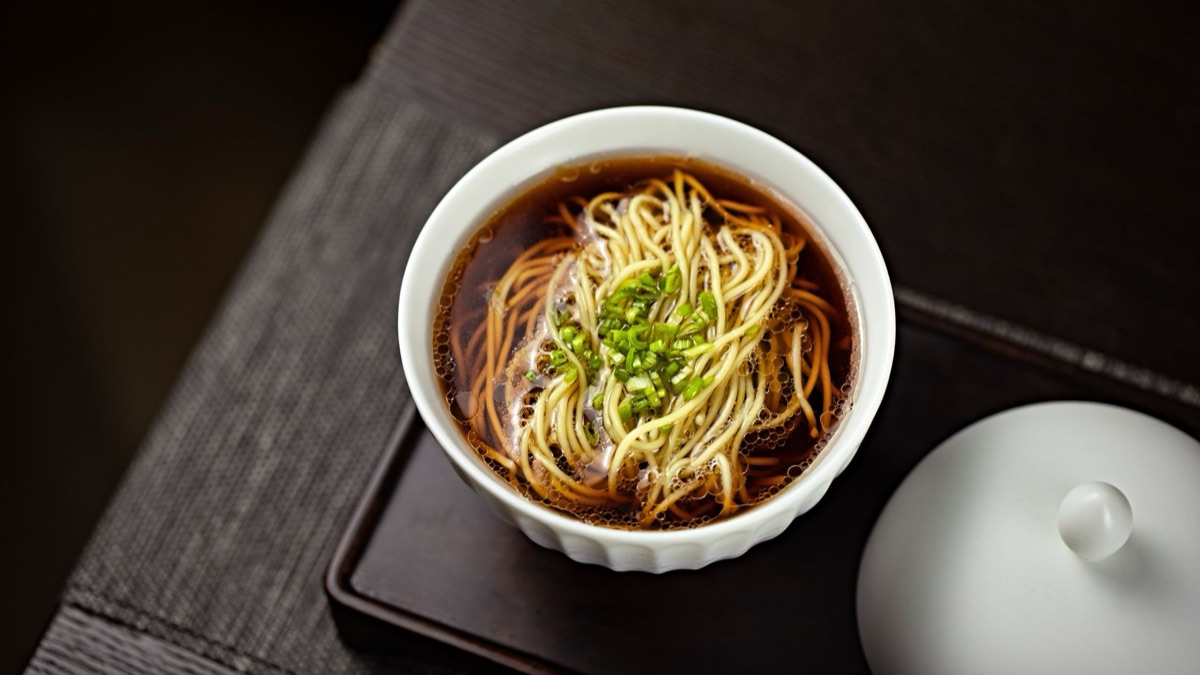
Why are Southeast Asian Noodles Trending on Coupang?
The doorbell rings at 10:00 AM, and a heavy box sits on the porch, filled with colorful packets from Thailand, Vietnam, and Indonesia. For a long time, finding a specific brand of Mi Goreng or a spicy Tom Yum required a trip to a specialized ethnic grocery store.
The shift from niche curiosity to mainstream availability happened faster than most expected. Previously, these flavors were tucked away in the corners of international markets, but digital logistics changed the game.
Because these products are often imported, a centralized shopping mall serves as a vital gateway, bringing a massive variety of regional differences—from thin rice vermicelli to thick, chewy wheat noodles—directly to the consumer's doorstep.
The diversity of products available is a primary driver. You aren't just looking for "noodles"; you are looking for specific spice levels and regional nuances that local brands often lack. This accessibility has turned a simple grocery run into a global tasting tour.
- Select a variety of noodle types, such as rice vermicelli or egg noodles, to explore different textures.
- Source authentic spice pastes or aromatics to ensure the base flavor is correct.
- Balance the heat with fresh lime or pickled vegetables to brighten the dish.
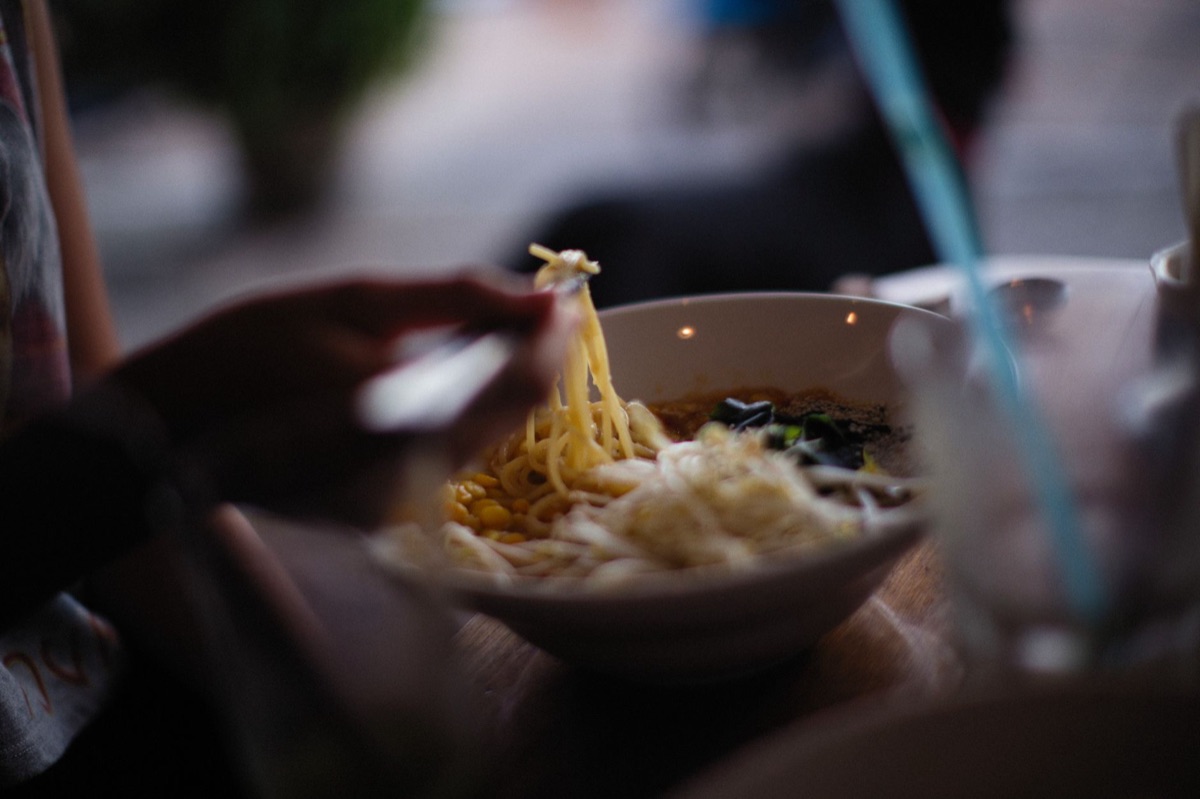
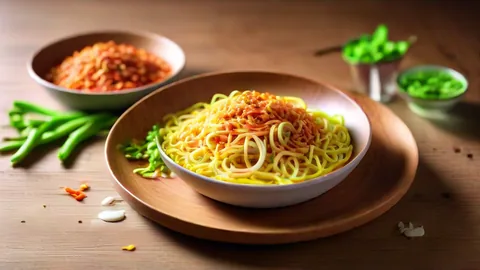
What is the actual flavor profile? I sat at my kitchen table, steam rising from a bowl of bright yellow noodles, as I peeled back the seasoning packet to see if the aroma lived up to the digital hype. The scent of lemongrass and dried shrimp immediately filled the room.
The flavor profiles of these noodles often provide a much higher level of immersion than standard instant varieties. While local noodles often focus on a salty-savory balance, Southeast Asian varieties frequently lean into a complex interplay of sweet, sour, salty, and spicy.
This complexity can be a shock to those used to a single-note broth.
The texture of the noodles—the "myeon" or noodle body—is a critical component. Many Southeast Asian brands utilize rice-based noodles or specific wheat blends that offer a much higher level of chewiness or "QQ" texture compared to standard instant ramen.
The broth depth is equally important; while some rely on a heavy powder, many use concentrated pastes or oils that provide a much more layered soup base.
When I tried the spicy laksa base, I was surprised by how the creamy coconut milk perfectly tempered the sharp chili heat. I would likely add more fresh cilantro next time to cut through the richness.
What lies beyond the taste buds? I laid out three different packs on my counter—one spicy, one savory, and one coconut-based—to see how they would stack up against a standardized scoring system. It was a test of consistency versus variety.
To truly understand a product's worth, we must look at it through a holistic lens. A simple "it tastes good" isn't enough for a true connoisseur. We use a six-axis evaluation to provide a complete picture:
- Noodles: The structural integrity and chewiness. 2. Broth: The depth, aroma, and liquid-to-solid balance. 3. Flavor: The accuracy of the regional spice profile. 4. Portion Size: Whether it's a snack or a full meal. 5. Value: The cost-effectiveness of the price point. 6. Re-purchase Intent: The likelihood of making it a pantry staple.
For a typical high-quality Southeast Asian import, you might see a score of 9/10 for flavor but a 6/10 for portion size. This imbalance is common; a pack might be incredibly flavorful but too small to serve as a standalone meal without adding extra ingredients.
| Feature | Typical Score | Note |
|---|---|---|
| Noodles | 8/10 | Often superior chewiness |
| Broth | 9/10 | Highly aromatic and complex |
| Flavor | 9/10 | Bold and authentic |
| Portion | 6/10 | Often requires supplementation |
| Value | 7/10 | Higher than local, but manageable |
| Re-purchase | 8/10 | High due to unique taste |

Coupang as the Modern Noodle Hub: Sales & Presence
I scrolled through my phone late at night, watching the "Best Sellers" list refresh, seeing the same bright red and yellow packaging climb to the top of the rankings. It was a digital snapshot of a changing appetite.
The sales velocity of these items on major e-commerce platforms is a testament to their popularity. These aren't just one-off purchases; they are high-volume items that move quickly through fulfillment centers.
Because these products are often imported, the logistical reliability of a major shopping mall is what makes the hobby sustainable for most people.
The buyer journey typically follows a pattern: Discovery through social media or recommendations → Purchase via a trusted platform → Reviewing the experience. High review volumes and high average ratings act as a social proof mechanism.
When a product has thousands of positive ratings, it validates the "risk" of trying a flavor that might be too spicy or too unusual for a first-time buyer.
Pro Tips for the Aficionado: Maximizing the Experience
The water was boiling, and I carefully timed the immersion of the noodles to ensure they didn't lose their snap. I added a squeeze of lime to the bowl to see how it interacted with the spice.
To get the most out of these noodles, you shouldn't just follow the instructions on the pack. Because many of these noodles are designed to be a base for a larger meal, they are highly customizable.
Optimal Preparation Steps:
- Prepare the Base: Boil the noodles separately if they are rice-based to prevent the broth from becoming too starchy. 2. Enhance the Aromatics: Sauté a little garlic or shallot in a pan before adding the water to deepen the flavor. 3. Balance the Heat: If a pack is too spicy, add a splash of coconut milk or a spoonful of peanut butter to create a creamy, satay-style broth. 4. Add Texture: Always top with a fresh element—a soft-boiled egg, fresh cilantro, or sliced cucumbers—to contrast the cooked noodles.
These noodles are best when you treat them as a canvas. For a quick lunch, a single pack is fine, but for a satisfying dinner, you will likely need to supplement the protein and vegetable content. ### FAQ
Are these noodles too spicy for a regular diet? Not necessarily. While many feature high heat levels, the spice is often balanced with sweetness or acidity. You can control the heat by using only half of the provided chili packets.
How long do these packaged noodles stay fresh? Most dried or instant varieties have a shelf life of 6 to 12 months. However, always check the manufacture date on the packaging, especially for products imported from overseas.
Can I find these in a local supermarket? While some larger supermarkets carry international brands, a dedicated online shopping mall offers a much wider variety of specific regional brands that you won't find on a standard grocery shelf.
The world of flavor is expanding, and the barrier to entry has never been lower. Whether you are a seasoned spice lover or a curious newcomer, a single pack of noodles can transport you to a different corner of the globe.



Comments 0