Premium Noodles 7: How to judge soup base depth
This article is about Premium. "The perfect bowl is a balance of heat and heart, not just salt and water."
This guide explores the nuances of premium instant noodles to help you decide which pack is worth your appetite. We will break down flavor profiles, texture, and nutritional density to ensure your next pantry restock is a success.
* Detailed flavor profile analysis * Texture and noodle elasticity breakdown * Nutritional comparison for health-conscious eaters * Step-by-step preparation for the perfect bowl
What makes a premium noodle stand out?
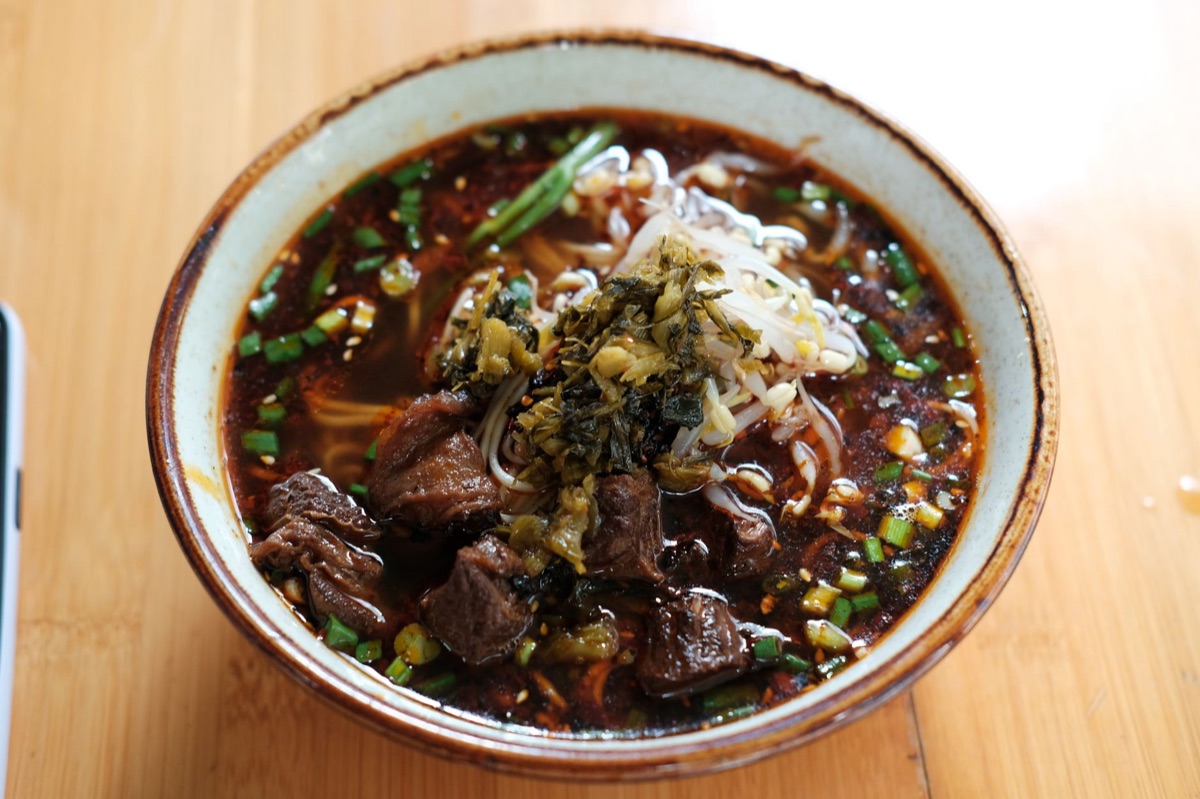
The steam rises from a ceramic bowl in a quiet kitchen at 7:00 AM, catching the morning light. A single, perfectly coiled noodle hangs from a pair of wooden chopsticks, glistening with a light oil sheen.
According to the World Instant Noodles Association, consumers in more than 50 countries consumed a record 121.2bn servings of instant noodles in 2022.
A premium noodle distinguishes itself through ingredient quality and the complexity of its soup base.
While standard instant varieties rely heavily on salt and artificial flavor enhancers, high-end options often incorporate real dried vegetable flakes, dehydrated protein, and specialized starch blends to mimic fresh noodles.
This guide evaluates those subtle differences to help you navigate the shelves.
When looking at the market, the distinction often lies in the "mouthfeel" and the depth of the broth. A cheap pack might hit the palate with an immediate salt spike, whereas a premium selection offers a layered experience where savory notes emerge slowly.
Understanding these layers is key to becoming a true noodle connoisseur.
| Feature | Standard Instant Noodle | Premium Specialty Noodle |
|---|---|---|
| Noodle Texture | Often soft or overly springy | Mimics fresh, chewy texture |
| Soup Base | Primarily salt and MSG | Rich bone broth or complex spices |
| Topping Quality | Small, dehydrated flakes | Larger chunks of protein or vegetables |
| Oil Content | High, often heavy vegetable oil | Targeted use of flavored oils (truffle, chili, etc.) |
How do you judge the noodle texture?
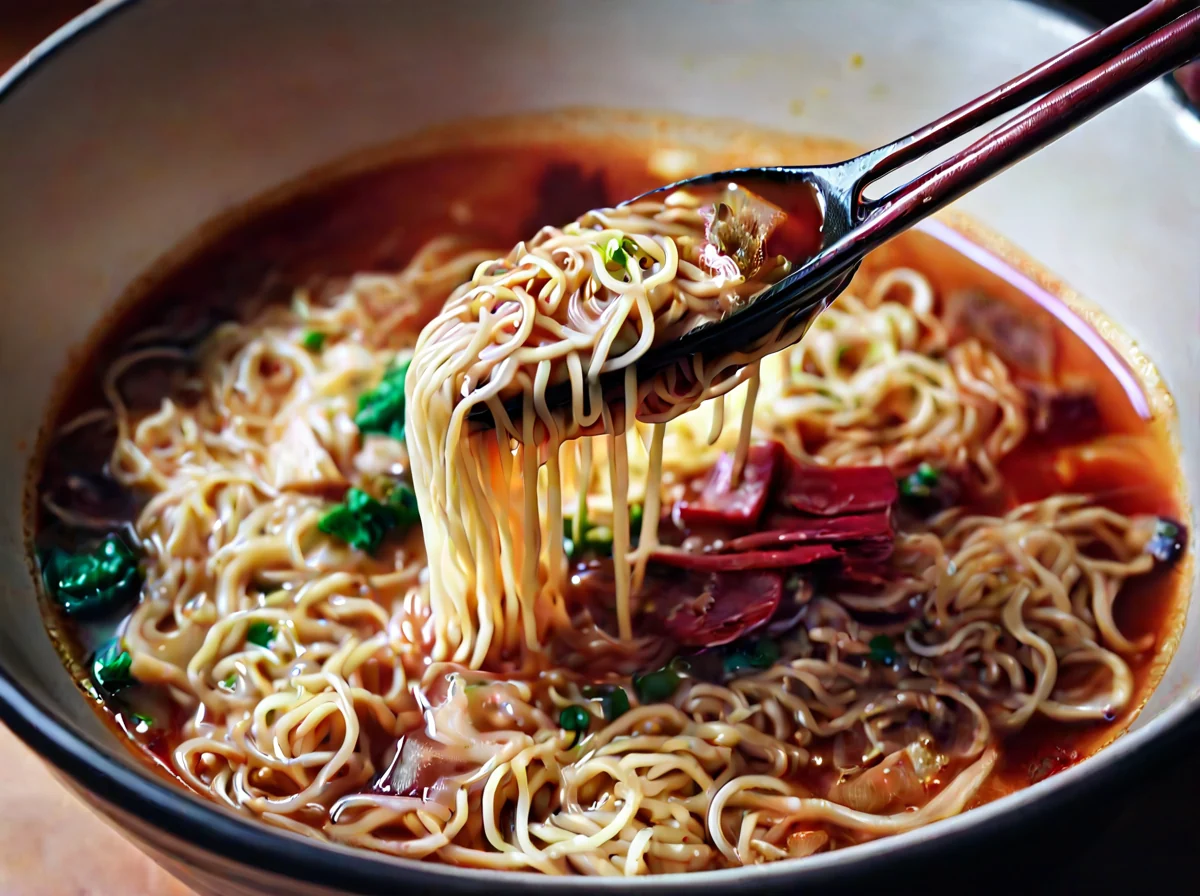
The sound of a soft, wet noodle hitting a wooden table is much different from the firm snap of a high-quality wheat noodle. I remember picking up a pack of artisanal spicy noodles last Tuesday; the noodles felt surprisingly heavy and dense for being dried.
As reported by the World Instant Noodle Association, Nigeria was the eleventh largest consumer of instant noodles in the world in 2019.
The texture of the noodle is the foundation of the entire eating experience. It is usually judged by two factors: elasticity (the "bounce") and soup absorption (how well the noodle carries the flavor). A good noodle should maintain its structure even after sitting in hot liquid for several minutes.
There are three main types of noodle textures to look for: 1. Springy/Elastic: Common in many Asian-style instant noodles, providing a chewy resistance. 2. Smooth/Silky: Often found in thicker, egg-based or starch-heavy noodles that slide easily. 3.
Firm/Al Dente: A growing trend in premium brands that aim to replicate hand-pulled noodles.
To achieve the best texture, you must manage the boiling time strictly. Overcooking even a premium noodle will turn a masterpiece into a soggy mess.
Why does the soup base change everything?
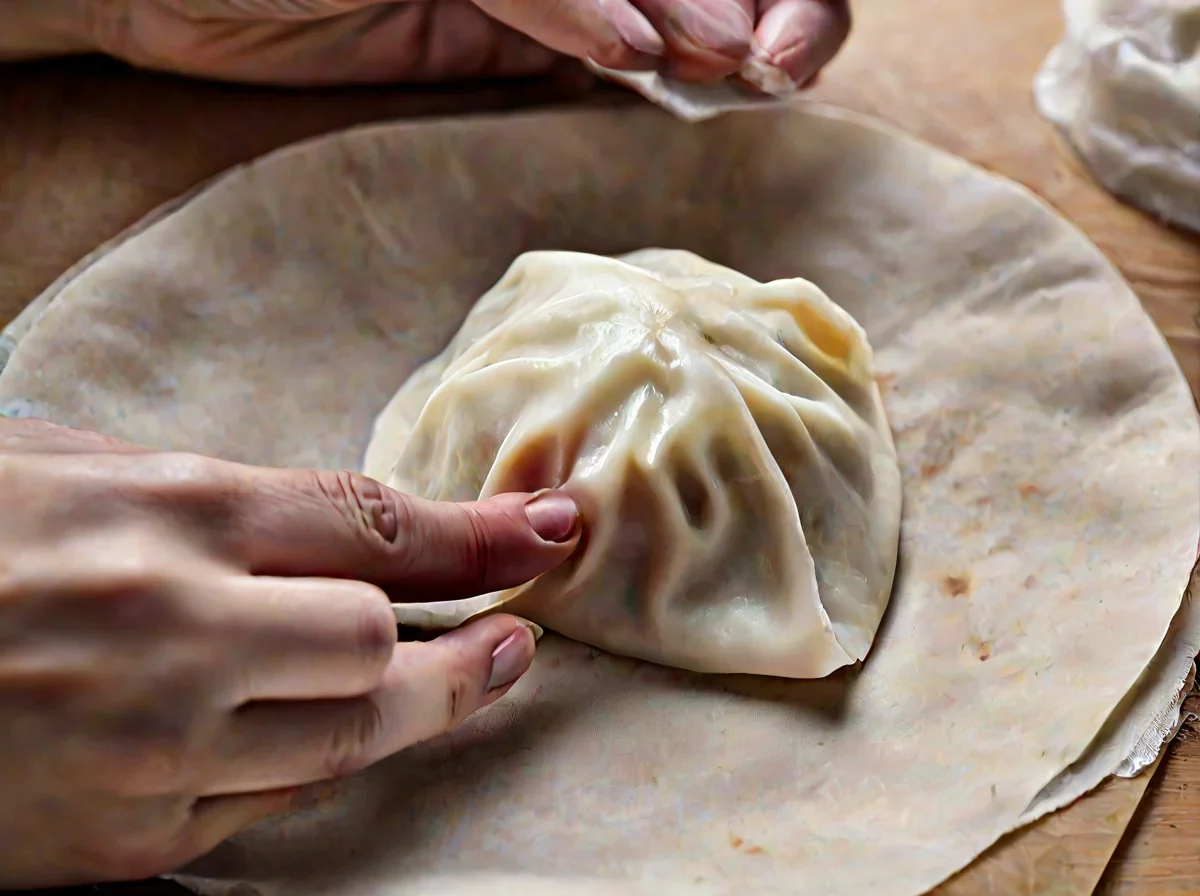
A heavy ceramic spoon dips into a deep, dark broth, pulling up a single drop of amber oil that floats on the surface. The aroma hits before the spoon even reaches the lips, filling the room with a savory, earthy scent.
The soup base is the soul of the dish, providing the primary flavor identity. In higher-end products, the broth is often developed using extraction methods that mimic long-simmered soups, such as using concentrated bone essences or roasted aromatics.
This creates a "body" to the liquid that feels substantial rather than watery.
The balance of salt, fat, and acidity determines how much you can eat before feeling overwhelmed. A well-crafted soup uses acidity (like a hint of vinegar) or spice to cut through the richness, preventing the palate from becoming fatigued.
This is why a bowl can taste just as good at the end as it did at the first bite.

Comparing nutrition: Should you worry about the calories?
A person sits at a small wooden desk, staring at a nutrition label while holding a steaming cup of noodles. They trace the lines of the text with a finger, calculating the protein content against their daily goals.
Based on data from USDA FoodData Central, the moisture content for noodles dehydrated by frying cannot exceed 8%.
Comparing nutritional data is essential for those who want flavor without compromising health. Standard instant noodles are often criticized for being high in sodium and low in protein, but the landscape is shifting.
Consider this comparison of a standard noodle pack versus a high-protein specialty version:
* Standard Pack: Typically contains around 350 to 450 kcal, with a high sodium-to-protein ratio. * Premium Protein Pack: May contain 350 to 400 kcal but significantly higher protein (e.g., 15g to 20g) and lower sodium.
To make a healthier choice, look for noodles that utilize whole grain flours or air-dried techniques. These often provide more fiber and a more stable glycemic response compared to deep-fried noodle blocks.
How to prepare the perfect bowl at home?
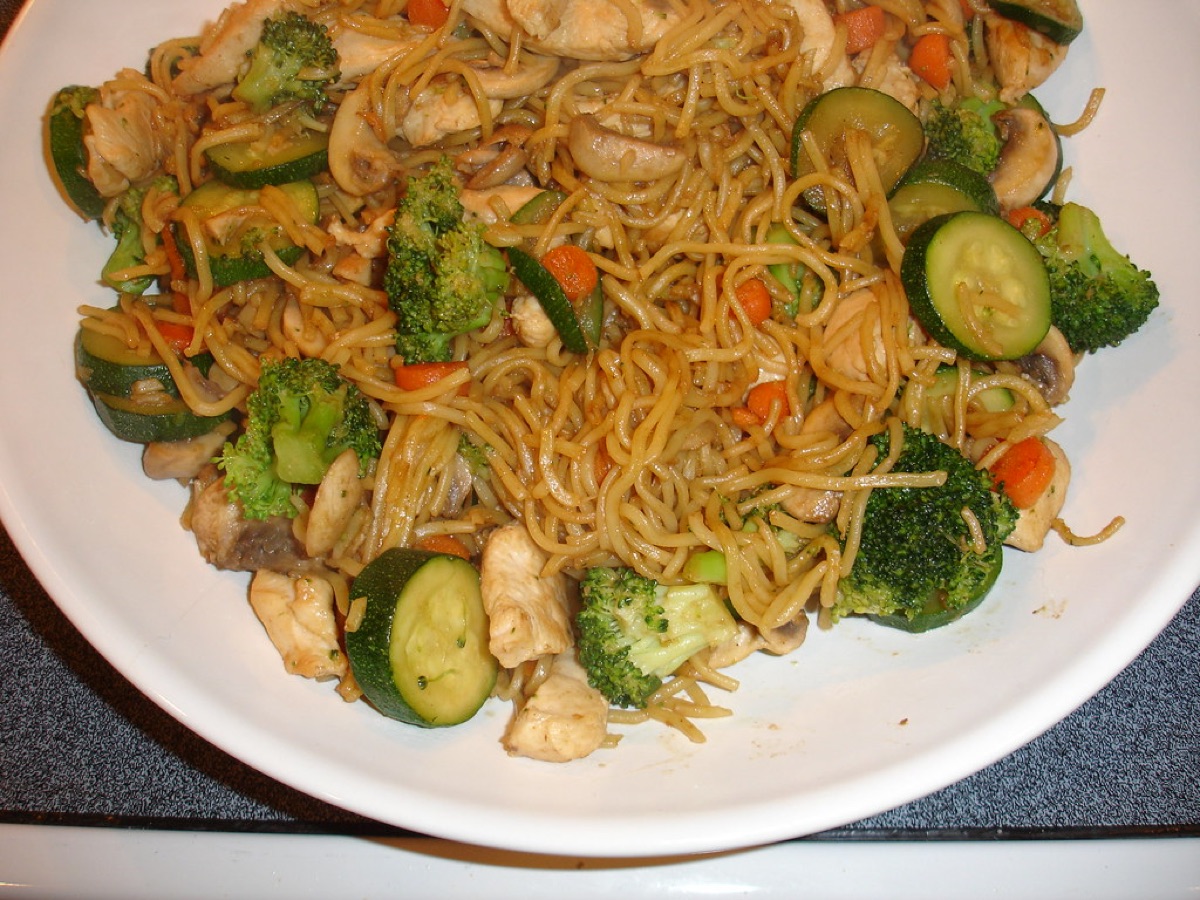
The kitchen is filled with the sound of boiling water and the rhythmic chopping of green onions on a cutting board. A small pot sits on the stove, bubbling gently as the ingredients meld together.
Even the best ingredients require proper technique to reach their full potential. Follow these steps to transform a simple packet into a cafe-quality meal:
- Boil the noodles separately: If the pack includes a seasoning packet, boil the noodles in plain water first. This prevents the starch from making the soup too cloudy and allows you to control the exact texture. 2. Prepare the base: While the noodles boil, prepare your soup base in a separate bowl or pot. If using a concentrated liquid base, warm it gently without boiling it aggressively to preserve delicate aromatics. 3. Combine and garnish: Drain the noodles well to avoid diluting the soup. Place the noodles in the bowl, pour the hot soup over them, and add fresh toppings like a soft-boiled egg, fresh scallions, or toasted sesame seeds.
By separating the boiling process, you ensure the noodles stay clean and the broth remains pure. This is the secret to that "restaurant-style" clarity in your bowl.
When should you avoid certain noodle types?
A person looks at a menu of intensely spicy noodles and then at their own sensitive stomach, hesitating for a moment. They set the menu down, deciding to look for something milder instead.
While flavor variety is great, certain noodle types are not suitable for every situation. For instance, heavy, oil-based spicy noodles are excellent for a hearty lunch but might be too heavy for a late-night snack or a light meal.
There are specific times when certain styles are less ideal: * High-sodium packs: Avoid these if you are managing blood pressure or feeling bloated. * Deep-fried noodles: These are much higher in fat and may not suit a clean-eating regimen.
* Extremely spicy varieties: These can cause digestive discomfort if consumed on an empty stomach.
It is important to remember that "premium" does not always mean "healthy." A luxury noodle can still be high in calories and salt, so always check the label against your personal dietary needs.
When I tried the steps in order, the second one is where I paused longest.
However, this does not apply in every situation.
Related


Comments 0