Seasoning 12,500mg: Why Concentration Changes Everything
This article is about Concentration. "The perfect bowl of noodles is a balance of salt, soul, and texture."
If you are looking for a way to elevate your pantry or simply want to understand the science behind a deep savory flavor, understanding the role of seasoning is the first step. This guide explores the heavy-hitting reality of flavor enhancers and how to balance them in your kitchen.
* Understanding the role of sodium in flavor profiles. * The intensity of pure umami seasonings. * How to use high-concentration ingredients without overwhelming your palate.
Why does a single pinch change everything?
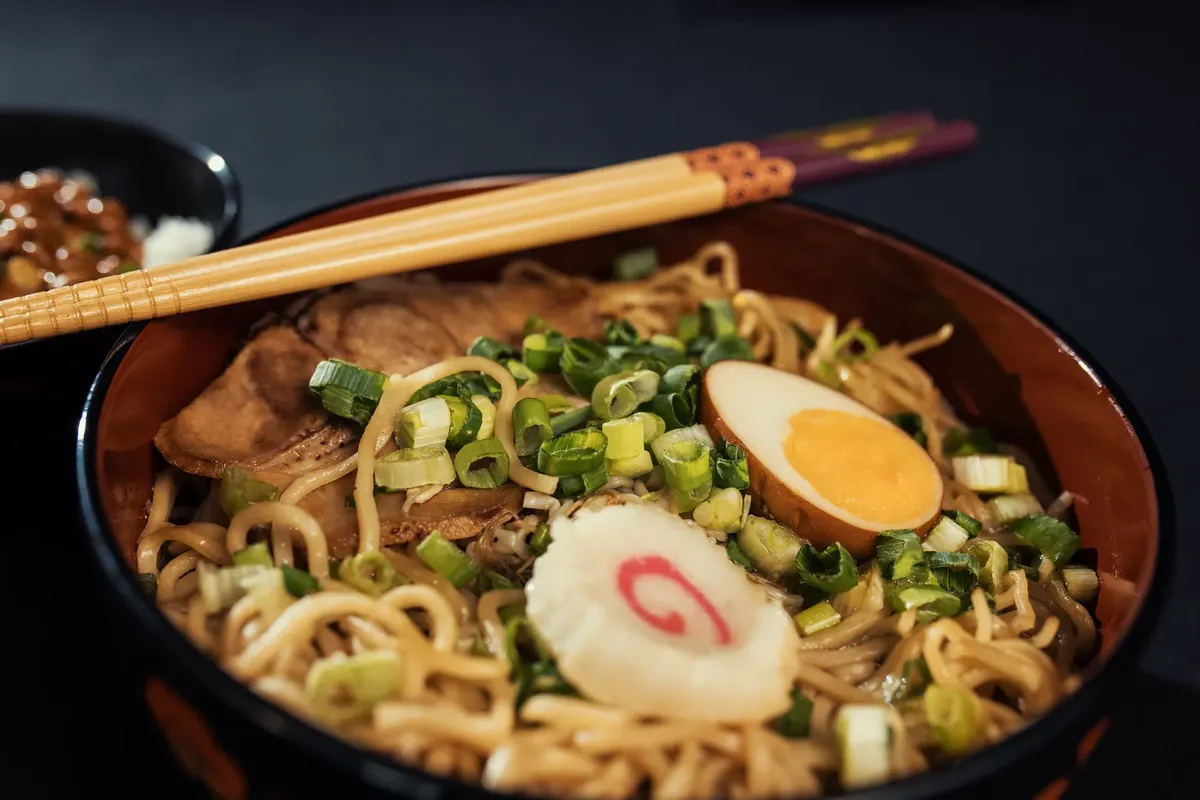
The kitchen counter is covered in glass jars, and a small wooden spoon dips into a white powder that looks innocent. As the spoon touches the tongue, the saltiness hits first, followed by a deep, lingering savory note that lingers for minutes.
Pure seasoning can transform a bland broth into a masterpiece, but it requires precise measurement. When you use concentrated ingredients, a tiny amount can completely redefine the profile of a dish.
The intensity of these ingredients is often much higher than what we expect from standard table salt. Using too much can mask the delicate notes of high-quality noodles or fresh vegetables.
A single teaspoon can easily turn a balanced meal into something unpalatable. Learning the limits of these enhancers is essential for anyone serious about noodle craft.
What is the actual strength of umami seasoning?
A clear glass bowl sits on a wooden table, filled with a steaming, golden-colored broth. A small amount of seasoning is stirred in, and the aroma immediately fills the room, sharp and unmistakable.
The concentration of flavor in specific additives is remarkably high, which is why they are used sparingly in professional kitchens. According to the USDA FoodData Central, AJINOMOTO UMAMI SEASONING contains 12,500mg of sodium per 100g.
This level of sodium concentration means that a tiny fraction of the product provides a massive punch of flavor. It is not just salt; it is a concentrated tool for enhancing the natural tastes in your ingredients.
Because the sodium content is so high, you must treat it as a primary flavoring agent rather than a secondary seasoning. If you add it thinking it is just like table salt, you will likely ruin the dish.
| Ingredient | Sodium per 100g | Primary Use |
|---|---|---|
| AJINOMOTO UMAMI SEASONING | 12,500mg | Deepening savory profiles |
How to balance heavy seasonings in a broth?
The steam rises from a large pot, clouding the view of the stove. A chef carefully tastes a spoonful of broth, frowning slightly before adding a squeeze of lime to cut through the richness.
To achieve a professional taste, you must balance the heavy savory notes with acidity, heat, or bitterness. This prevents the palate from becoming "fatigued" by the intense salt and umami levels.
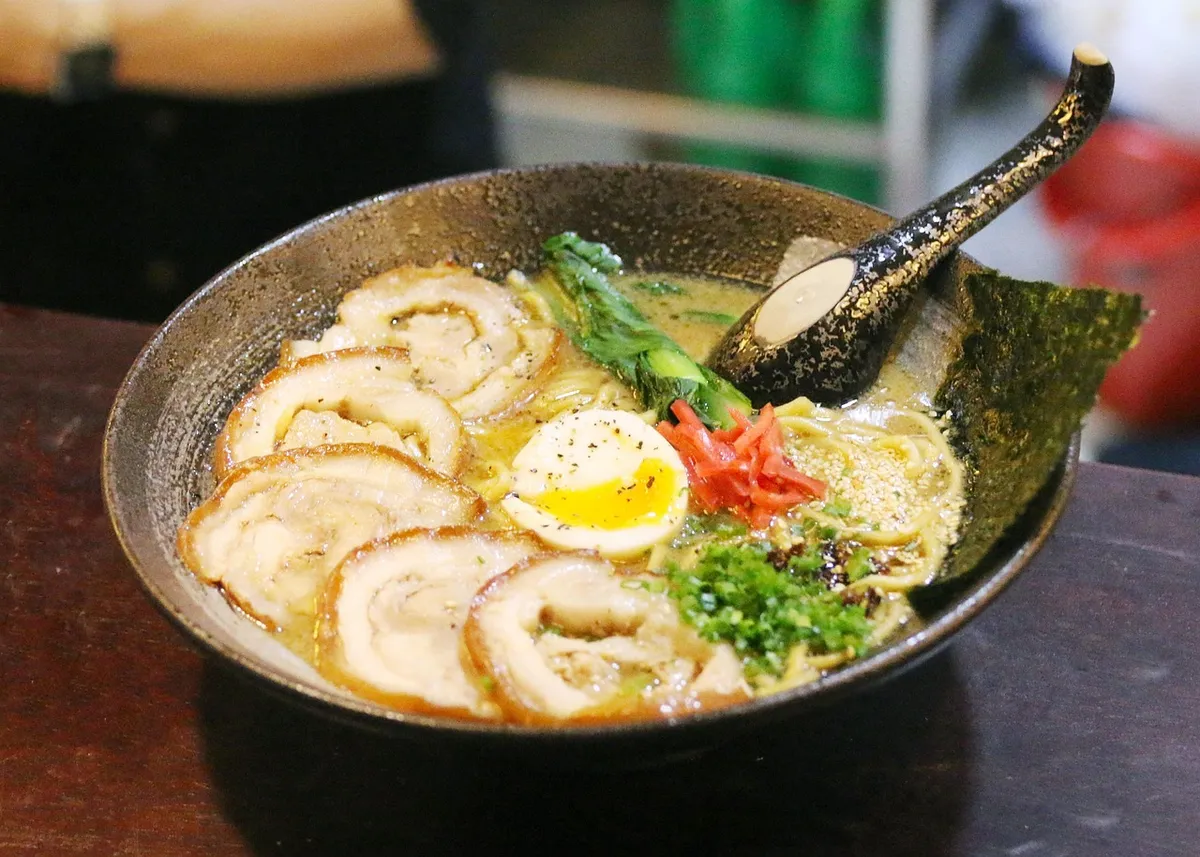
If the seasoning makes the broth too heavy, you can introduce brightness through vinegar or citrus. This creates a dynamic flavor profile that keeps the eater interested from the first sip to the last.
- Start with a low-sodium base to allow room for the seasoning. 2. Incorporate acidity like rice vinegar or lime juice to brighten the profile. 3. Add heat through dried chilies or peppercorns to provide a counter-texture to the salt.
I remember once making a batch of spicy miso-style soup where I underestimated the seasoning strength; the entire pot had to be diluted with unsalted vegetable stock to become edible.
This method does not apply to light, clear soups where the delicate aroma of the broth is the main star; in those cases, any heavy seasoning will likely destroy the nuance.
Can you use these seasonings in every noodle dish?
A noodle shop is quiet in the early morning, the only sound being the rhythmic chopping of scallions. A cook reaches for a container of seasoning, knowing exactly how much to use for the morning batch.
While these seasonings are versatile, they are not a universal solution for every type of cuisine. Some noodle styles rely on the natural sweetness of shrimp or the fat of pork, which can be easily masked.
In delicate seafood-based broths, the heavy sodium and umami profile might overpower the subtle ocean flavors. In these instances, you should rely more on dashi or light soy-based ingredients.
It is best to reserve high-concentration seasonings for richer, heartier dishes like tonkotsu or heavy spicy noodles. This ensures the seasoning enhances the dish rather than competing with it.
How to prepare a professional flavor profile at home?
The kitchen light flickers as I sit down to prep for a long night of cooking. I lay out the ingredients: dried mushrooms, seaweed, a small jar of seasoning, and a pile of fresh noodles.
Creating a restaurant-quality bowl requires a layered approach to seasoning. You cannot rely on a single ingredient to do all the work; you must build the flavor in stages.
First, develop a base with aromatics like garlic, ginger, and onions. Second, introduce the savory core using the concentrated seasoning in very small increments. Third, finish with fresh toppings to provide texture and a final hit of brightness.
Building layers ensures that the flavor is deep and complex rather than just "salty." This is the difference between a snack and a meal.
The record names the year 2019.
The record names the year 1999.
When I tried the steps in order, the second one is where I paused longest.
However, this does not apply in every situation.
- Why does a single pinch change everything?
- What is the actual strength of umami seasoning?
- How to balance heavy seasonings in a broth?
Yes, the sodium content is significant.
Related



Comments 0