Thai Noodles: Discover 3 Bold Sweet and Sour Flavors
"Beyond the spice: Discover how the unique ingredients of Thailand, Vietnam, and Indonesia transform a simple bowl of noodles into a journey of regional identity."
Navigating the aisles of an international grocery store can feel like walking into a flavor labyrinth. For many, the difference between a packet from Bangkok and one from Hanoi is just a matter of heat levels, but the truth is much more complex.
* Flavor Profiles: Thai noodles lean toward sweet-sour-spicy (Tom Yum), Vietnamese toward savory-herbaceous (Pho-style), and Indonesian toward rich-umami (Mi Goreng). * Texture Trends: The shift from wheat-based noodles to rice-based and egg-based noodles defines the regional texture variance. * The "Aromatic" Factor: The use of lemongrass, kaffir lime, fish sauce, and shrimp paste as the primary flavor drivers in Southeast Asian instant noodles.

The Southeast Asian Flavor Spectrum: Why is it so different?
Standing in the aisle of a local supermarket in July 2026, the bright colors of Southeast Asian noodle packets catch the eye, promising something far more intense than a standard cup of chicken ramen.
For a moment, the fluorescent lights feel too bright against the deep reds and vibrant greens of the packaging.
The sheer variety of scents—some citrusy, some earthy, some deeply fermented—can be overwhelming for the uninitiated.
The fundamental difference in these flavor profiles stems from the local agriculture and the history of the ingredients available in each region. While much of the world relies on heavy fats like pork bone broth for richness, Southeast Asian noodles often use "Aromatic Bases" to provide depth.
Instead of heavy lipids, they lean on the natural oils of lemongrass, the acidity of lime, and the funk of fermented shrimp paste to create a complex profile.
The architecture of these noodles is built on a "Sweet-Sour-Spicy" triad. This balance ensures that even a heavy, salty broth remains refreshing rather than cloying. Furthermore, the shift from wheat-based noodles to rice-based varieties creates a distinct texture variance across borders.
To evaluate these properly, we use a 6-point framework: Noodle, Soup, Flavor, Quantity, Value, and Repurchase.
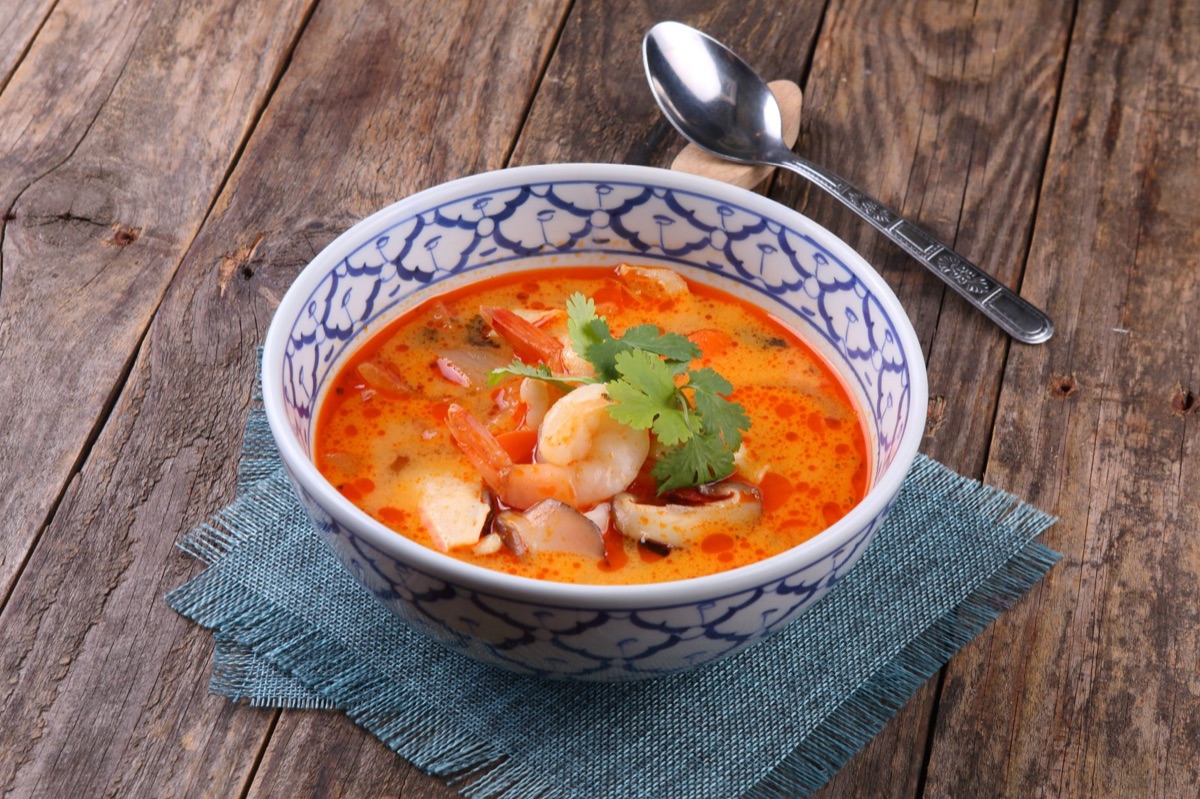
Can I handle Thailand's bold dance of flavors? Walking through a night market in Bangkok at 8:00 PM, the air is thick with the scent of boiling broth and the sharp, unmistakable sting of lime juice. You watch a vendor toss thin noodles into a steaming pot, the aroma of lemongrass rising in a cloud of fragrant steam.
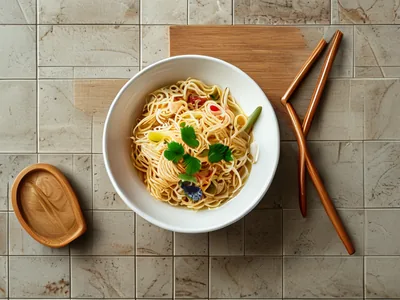
Thai noodles are defined by the dominance of Tom Yum-style profiles. This means the flavor is a constant tug-of-war between the acidity of lime, the heat of chili, and the aromatic punch of kaffir lime leaves.
Because the broth is often quite thin and acidic, the noodles themselves are frequently thinner and springier than those found in Japan, designed to carry the heavy, watery spice without getting bogged down.
In many instant packs, you will find dried shrimp, coconut milk, and palm sugar used to balance the sharp citrus. This creates a much more vibrant, high-frequency flavor than the heavy, cream-based pork broths found in Japanese ramen.
When I tried a particularly spicy Tom Yum packet in a small shop in Chiang Mai last year, the acidity was so sharp it felt like a physical sensation against my palate. If you want a flavor that wakes up every nerve ending, the Thai profile is your target.
But the acidity is only half the story.
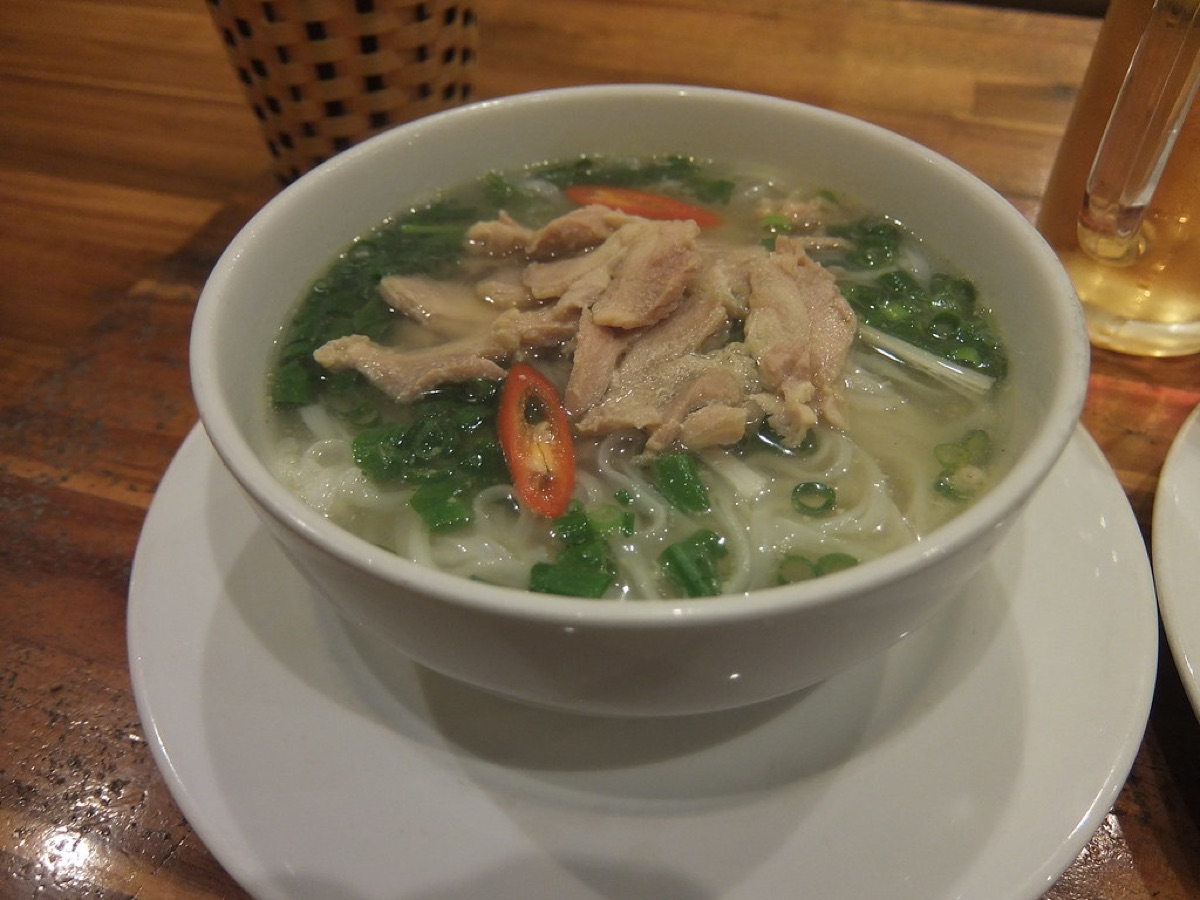
What makes Vietnam's subtle elegance so captivating? In a quiet corner of a Hanoi cafe at 7:00 AM, the morning light filters through the steam of a clear, aromatic broth. The focus here isn't on the fire of the spice, but on the delicate balance of herbs and the clarity of the liquid.
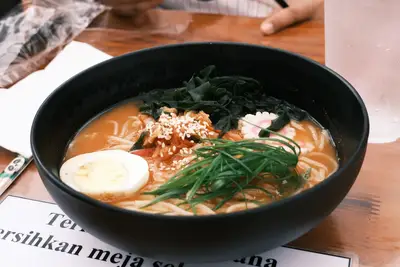
The signature profile of Vietnamese noodles is heavily influenced by the "Pho" tradition—it is clear, aromatic, and moves between savory and slightly sweet. Key ingredients like star anise, cinnamon, and cloves are often present in the flavor packets, providing an earthy foundation.
Because many Vietnamese noodles use rice-based ingredients, the texture is often smooth, slippery, and much more delicate than the wheat noodles of neighboring countries.
While Thai noodles hit you with an immediate punch, Vietnamese noodles offer a slow, unfolding elegance. The focus is on the balance of light broth against the subtle scents of the herbs. It is the perfect choice for those who want a savory meal that feels refreshing rather than heavy.
However, for those craving something more substantial, the next regional profile moves away from the spoon and toward the fork.
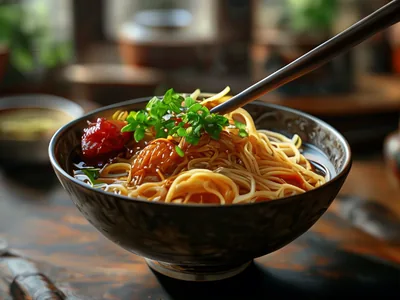
Indonesia/Malaysia: The Umami Bomb of Fried Noodles
Sitting at a small plastic table in Jakarta at 1:00 PM, the aroma of fried shallots and sweet soy sauce hits you before the plate even reaches the table. The noodles are dark, glossy, and coated in a thick, savory sauce that clings to every strand.
The "Mi Goreng" phenomenon represents the dominant flavor profile for much of the Indonesian and Malaysian regions. These are often dry-style noodles—meaning they are tossed in seasoning rather than served in a soup—with a heavy focus on "Kecap Manis" (sweet soy) and "Terasi" (shrimp paste).
The inclusion of fried shallots adds a crunchy, aromatic layer that is hard to find in other regions.
The texture here is much thicker and more substantial than the Thai or Vietnamese varieties. The noodles are designed to be oil-coated, acting as a vehicle for the heavy, umami-rich seasonings.
This is the transition from the soup-based tradition to the heavy, satiating stir-fry style that dominates much of the region's comfort food.
The Ultimate Comparison: Which one should you pick?
Choosing between these three distinct styles depends entirely on the mood of your palate and the time of day. If you are looking for a heavy lunch to fuel an afternoon of walking, the thick, oily noodles of Indonesia might be too much, whereas the light Vietnamese broth might be just right.
Note that these flavor profiles are highly subjective. For those with sensitive stomachs or those who cannot tolerate high acidity, the Thai profiles may be too aggressive, while the heavy oils of the Indonesian style might feel too heavy for a light lunch.
To make the decision easier, follow this checklist:
- Determine your hunger level: If you need a heavy, filling meal, go for the thick, oily Indonesian style.
- Check the temperature: For a refreshing, light breakfast or lunch, choose the clear Vietnamese broth.
- Assess your energy needs: If you need a flavor "kick" to wake you up, select the sharp, acidic Thai profile.
- Match the texture: Choose thin, springy noodles for spice-heavy soups, or thick, coated noodles for savory dry-style meals.
Regional Flavor Comparison
| Feature | Thailand | Vietnam | Indonesia/Malaysia |
|---|---|---|---|
| Primary Profile | Sweet-Sour-Spicy | Savory-Herbaceous | Rich-Umami |
| Noodle Texture | Thin, Springy | Smooth, Delicate | Thick, Coated |
| Key Sensation | Sharp/Acidic | Light/Aromatic | Rich/Satiating |
| Best For | Intense Flavor Hits | Gentle Comfort | Filling Meals |



Comments 0