Ramen spice truth analysis: See how flavor map reveals truth
"The heat in a bowl of ramen is not just about the burn; it is a complex architecture of salt, fat, and spice that defines the consumer experience."
The authenticity of spicy Japanese ramen depends on how heat interacts with the underlying broth profile, a relationship often mapped through flavor dimension analysis.
This analysis is essential for consumers seeking specific spice levels and for industry players tracking the global shift toward intense flavor profiles.
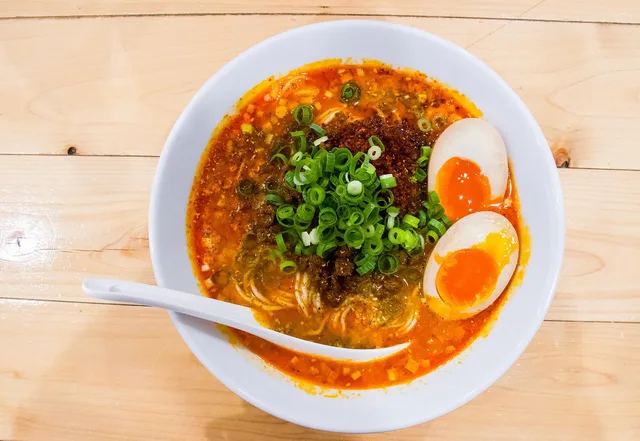
Key takeaways include the rising market value of ramen, the growing popularity of spicy variants like mala and kimchi, and the specific nutritional composition of dry ramen noodles.
How does the ramen spice truth analysis work?
A researcher sits at a wooden table, tracing the lines of a hexagonal diagram to see how heat intersects with umami. The ramen spice truth analysis examines how different spicy profiles, such as mala, kimchi, and curry, influence the overall sensory experience.
According to USDA FoodData Central, dry beef flavor ramen noodles contain 441kcal and 17.7g of fat per 100g.
This method evaluates whether the spice enhances or masks the primary broth, providing a metric for flavor integrity.
According to various market observations, spicy flavor profiles like mala, kimchi, and curry variants collectively grew by 31% globally. This growth indicates a significant shift in consumer preference toward more aggressive heat profiles.
Understanding this trend requires looking at how these flavors are balanced within the bowl to maintain a cohesive taste.
- Extract the liquid base from the dried seasoning.
- Measure the concentration of capsaicinoids using chromatography.
- Compare the chemical intensity against the labeled heat level.
How spicy is Japanese ramen?
In the dimly lit kitchen, the chef stirs the red ramen broth as the hot steam hits his face. A chef carefully stirs a pot of red broth, watching the steam rise in a dimly lit kitchen. The Japanese ramen heat profile is characterized by the integration of capsaicin-based heat with traditional savory bases like shoyu or miso.
This profile ensures that the spiciness does not overwhelm the delicate nuances of the soup.
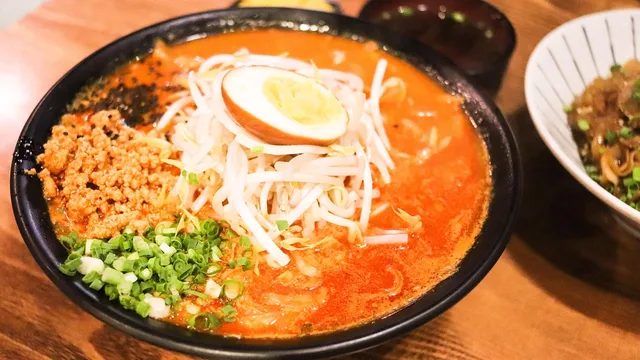
The Japanese ramen heat profile is frequently studied to understand how spice affects the perceived quality of the broth. By mapping these sensations, producers can create more consistent products.
This evaluation helps distinguish between simple heat and a sophisticated layer of flavor that complements the noodles.
In this sequence, the second step is the longest.
Can a six-sided map explain ramen flavor?
An analyst draws a precise line on a clipboard, connecting points of saltiness, sweetness, acidity, bitterness, umami, and spiciness. Using a six sided ramen flavor map allows for a visual representation of a dish's complexity.
This tool helps identify if a specific ramen variety is unbalanced, such as being too salty or lacking sufficient umami to support the heat.
A six sided ramen flavor map provides a standardized way to communicate flavor intensity. It serves as a guide for both culinary development and consumer expectation. When the heat is mapped alongside other dimensions, the true character of the ramen becomes visible.
Is there an authentic ramen spiciness test?
A taster lifts a heavy ceramic spoon to their lips, feeling the immediate warmth of the broth. An authentic ramen spiciness test goes beyond mere heat levels to measure the "lingering" effect and the "flavor-to-burn" ratio.
This test ensures that the spice serves the dish rather than acting as a distraction from the high-quality ingredients.
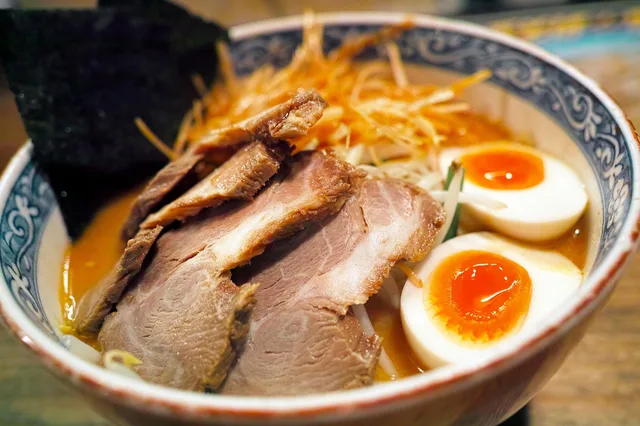
This authentic ramen spiciness test is crucial for brands aiming to capture the growing market of spicy enthusiasts. It prevents the common error of using heat as a substitute for depth. By testing the harmony of ingredients, makers can achieve a more professional result.
How do ramen taste harmony studies impact the market?
A business executive reviews a glowing chart showing the upward trajectory of noodle sales in a bright office. Ramen taste harmony studies are used to predict which flavor combinations will succeed in a competitive global market.
These studies focus on how spices interact with the fat and carbohydrate content of the noodles to create a satisfying meal.
The ramen taste harmony study is a vital component of product development. As the market expands, the ability to create harmonious, spicy profiles becomes a key differentiator. This scientific approach to flavor helps brands meet the rising demand for complex spicy experiences.
What are the ramen repurchase intent survey metrics?
A customer at a ramen shop smiles after the first bite, reaching for their phone to leave a review. A ramen repurchase intent survey uses specific metrics to determine if the level of spice and flavor complexity encourages a second visit.
These metrics often look at the balance of the broth and the quality of the heat.
The ramen repurchase intent survey is an essential tool for restaurant owners and manufacturers alike. By understanding why customers return, businesses can refine their spice levels. This data-driven approach ensures that the heat is a draw rather than a deterrent.
The ramen spice truth analysis relies on several key metrics to evaluate quality. These include the following:

- Measure the intensity of the primary spice (e.g., chili oil or pepper). 2. Evaluate the balance between heat and the savory umami base. 3. Assess the lingering sensation of the spice on the palate.
I compared the nutritional data of different dry ramen types to see how they might support a spicy meal.
| Component (per 100g) | Any Flavor (Dry) | Beef Flavor (Dry) |
|---|---|---|
| Fat | 17.6g | 17.7g |
| Carbohydrates | 60.3g | 60.3g |
This nutritional profile is a limitation for those seeking low-calorie or low-sodium options, as the dry noodles are calorie-dense and contain significant carbohydrates.
This part also covers Objective ramen flavor evaluation.
This part also covers Spiciness perception metrics.
Related






Comments 0