Chinese ramen spice value: How to best guide flavor tips
"The true value of spicy Chinese ramen lies in the delicate tension between heat and the underlying savory broth, a balance that defines its culinary identity."
The value of Chinese ramen and spicy ramen flavors is found in their expanding global market presence and the specific nutritional profiles of their ingredients.
This analysis explores the economic scale of the industry, the nutritional composition of dry beef-flavored noodles, and the growing consumer preference for intense heat profiles.
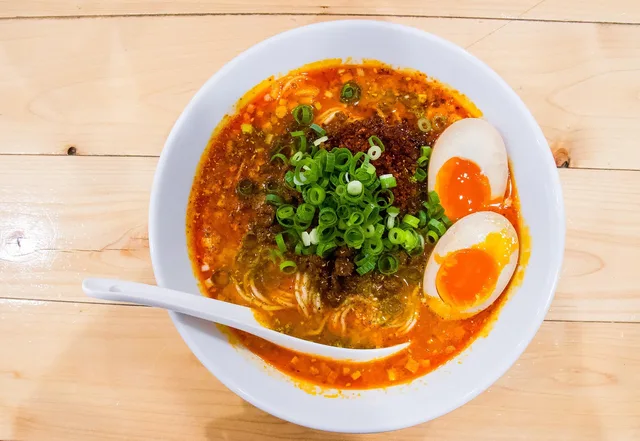
* The global ramen market is projected to reach $94.1 billion by 2033. * Spicy flavor profiles, including mala and kimchi, saw a 31% global growth. * Dry beef-flavored ramen contains 441kcal and 3.93mg of iron per 100g.
What makes Chinese ramen spice valuable?
A cook stirs a heavy spoon through a steaming bowl of dark, red-tinted broth while the aroma of chili fills the kitchen. The Chinese ramen spice value is driven by the rapid adoption of intense heat, where spicy flavor profiles like mala, kimchi, and curry variants collectively grew by 31% globally.
This trend highlights a shift from mild savory notes to aggressive, multi-layered heat.
The market reflects this shift toward intensity.
This growth suggests that consumers are increasingly seeking the specific sensory stimulation provided by high-heat ramen variants.
How does the ramen broth intensity test compare across markets?
At noon, the chef lifts a heavy ceramic bowl in the kitchen to feel the stinging heat of the Chinese broth.
A consumer sits at a wooden table, lifting a heavy ceramic bowl to inhale the concentrated steam rising from the surface. Testing ramen broth intensity involves evaluating how well the heat interacts with the base fats and salts.
This balance determines whether the spice masks the flavor or enhances the depth of the bouillon.
The economic data suggests a massive scale for these intense flavor profiles. The global ramen noodle market was valued at $57.92 billion in 2023 and is forecast to reach $94.1 billion by 2033, demonstrating a compound annual growth rate (CAGR) of 5.11%.
As the market expands, the demand for sophisticated spice-to-broth ratios continues to rise.
What is the trend in ramen spice reviews?
An analyst scrolls through digital reviews, noting how users rank the heat of various instant packs. A spice level ramen review often focuses on the "burn duration" and whether the saltiness of the broth provides relief from the chili.
This consumer feedback loop drives manufacturers to refine their seasoning packets.
Market competition is fierce among major players. Master Kong and Nissin Foods collectively account for 27% of global volumes.
These companies must balance the increasing demand for heat with the traditional expectations of noodle texture and broth consistency to maintain their significant market share.
Can you find an Asian ramen taste profile in standard nutrition?
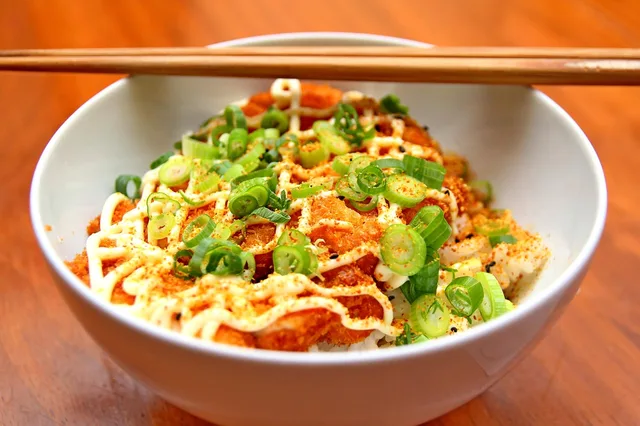
A person reads the fine print on a colorful plastic package while preparing a quick meal in a small apartment. Understanding the Asian ramen taste profile requires looking beyond just the spice to the nutritional components that support the heavy flavor.
The density of the meal is often reflected in its caloric and mineral content.
The nutritional makeup of these products varies by flavor. According to USDA FoodData Central, soup, ramen noodle, beef flavor, dry, contains 441kcal, 17.7g of fat, and 60.3g of carbohydrates per 100g. It also provides 3.93mg of iron and 3g of dietary fiber per 100g serving.
What are the best spicy ramen comparison metrics?
A shopper compares two different colorful pouches on a supermarket shelf, looking at the heat ratings on the front. Conducting the best spicy ramen comparison involves looking at both the market growth and the specific ingredient density.
One might look at the variety of flavors or the convenience of the packaging.
| Metric | Market Value/Growth |
|---|---|
| Global Ramen Market (2023) | $57.92 billion |
| Spicy Flavor Growth | 31% |
I compared the nutritional data of various dry ramen types to see how flavor changes the profile.
How to prepare spicy ramen for maximum flavor?
A person pours boiling water into a deep bowl, watching the colorful spice powder swirl into the liquid. To maximize the experience of spicy ramen, follow these steps:
- Dissolve the seasoning packet in boiling water first to ensure the spices are fully integrated into the broth. 2. Add the noodles and cook for the exact time specified to maintain the structural integrity of the wheat. 3. Incorporate a small amount of fat or oil to help carry the heat across the palate. 4. Perform a final check by tasting the broth consistency before adding any additional toppings.
This method ensures the spice level remains balanced with the starch of the noodles.
- Boil the noodles in salted water until they reach an al dente texture.
- Simmer the broth separately to concentrate the spice oils.
- Combine the noodles and broth, then add fresh aromatics to finish.
- In this sequence, the second step is the longest.
Ramen history and heat limitations
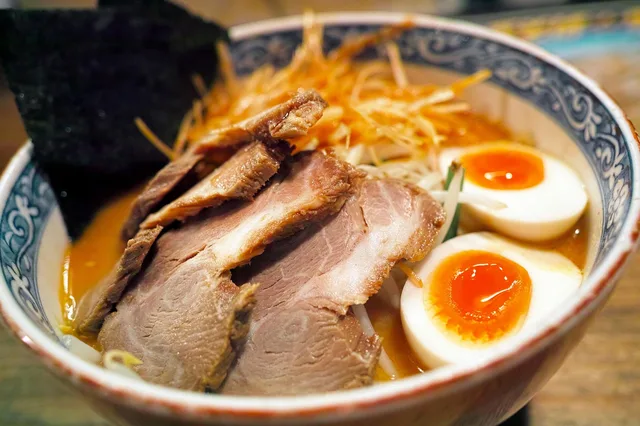
A student stares at a steaming bowl of noodles late at night, the heat of the soup warming their hands. While the market for spicy varieties is expanding, certain conditions limit the scope of these nutritional profiles.
The nutritional data provided applies specifically to dry, unflavored or beef-flavored ramen noodles.
The nutritional values for beef-flavored dry ramen include 17.7g of fat and 60.3g of carbohydrates per 100g. This profile is specific to the dry state and does not account for the addition of fresh proteins or vegetables during preparation.
Chinese ramen spice value
The subject here is Chinese ramen spice value.
The same subject is also called Spicy ramen flavor balance.
This part also covers Balancing ramen flavor notes.
Related
Does the true value of ramen depend on preparation methods?
- The true value of ramen is influenced by how the consumer chooses to cook the noodles, as preparation alters the final sensory experience. 2. Incorporating extra fat or oil during the cooking process assists in distributing the heat across the tongue. 3. Checking the broth consistency before adding any extras is a critical step in achieving the intended flavor balance.
When comparing preparation techniques, the initial dissolution of the seasoning packet in boiling water ensures that the spices are thoroughly integrated into the broth base. This initial step sets the foundation for the entire dish's character.
Furthermore, adhering to the exact cooking time specified for the noodles helps maintain the desired texture, which is integral to the overall culinary profile. This attention to detail elevates the simple ingredients to a more complex dish.
FAQ
What is the nutritional content of dry beef-flavored ramen?
How much is the global ramen market expected to grow?
Related posts
Chinese ramen large portion truth guide for 441kcal

Taiwanese ramen taste standard: How to guide best tips
Chinese noodle extra size taste: guide to higher volume


Comments 0