Ramen value analysis: Premium ramen value analysis tips
"A single bowl of noodles can represent a simple convenience or a complex culinary experience depending on the depth of its components."
Premium ramen value analysis focuses on the distinction between standard instant noodles and high-end versions through ingredient density, flavor complexity, and nutritional profiles.
This guide helps consumers evaluate whether the higher price point of premium options justifies the cost based on specific quality markers.
You should look for superior noodle texture and broth depth, but note that nutritional density remains limited by the inherent nature of processed wheat products.
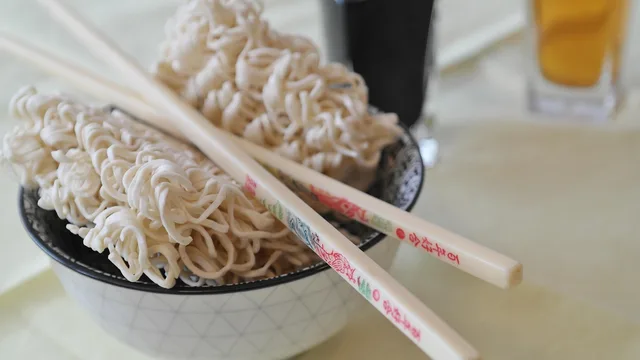
* Ingredient quality and broth complexity * Nutritional composition per serving * Price versus ramen worth evaluation
What makes ramen premium?
At midnight in the dim kitchen, I lift a heavy spoonful of ramen and feel the thick, velvety broth coat my tongue.
A chef carefully selects thick, chewy wheat strands and simmers bone marrow for hours to create a rich base. Determining what makes ramen premium requires looking beyond the packaging to the actual substance of the meal.
High-quality ramen often utilizes non-fried noodles and authentic liquid concentrates rather than simple powder packets to achieve a deeper flavor profile.
The premium ramen value analysis suggests that the distinction lies in the complexity of the liquid base and the texture of the starch.
While standard options rely on dehydration, premium versions often incorporate fresh ingredients or advanced freeze-drying techniques to maintain structural integrity.
I once tasted a bowl where the broth felt significantly heavier on the palate, signaling a higher concentration of fats and proteins.
Premium ramen is defined by the complexity of its broth, the quality of the noodles, and the freshness of the toppings.
How much do ramen ingredients actually cost?
Standing in the bright market, I rub my fingers against the coarse flour used for the ramen and squint at the price tags.
A grocery clerk stocks heavy, glass-jarred sauce bases next to the standard plastic packets. Analyzing ramen ingredient cost involves comparing the ratio of additives to whole food components.
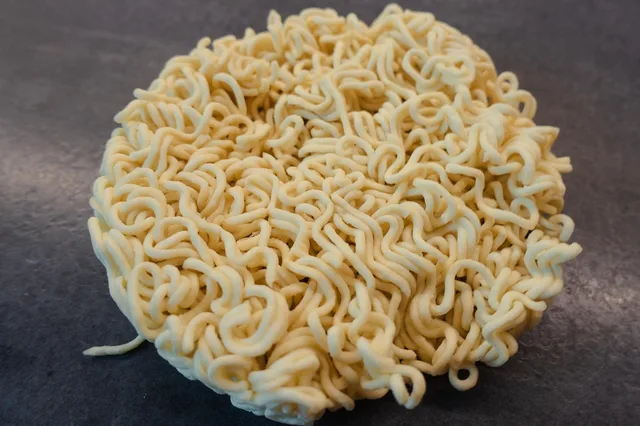
Premium brands often invest more in the sourcing of specific seasonings and protein flakes, which drives the retail price upward compared to mass-produced alternatives.
The ramen taste value check shows that cost is often tied to the complexity of the flavoring agents used in the soup. When evaluating these products, consumers must consider if the increased expense translates to a noticeable difference in sensory satisfaction.
This investigation into the ramen taste value check helps determine if the luxury label is backed by tangible substance.
Higher costs typically stem from long-simmered bones, high-grade protein, and artisanal flour used in noodle production.
Ramen taste value check
A diner lifts a heavy ceramic spoon, swirling the dark, savory liquid around the bowl. A ramen taste value check focuses on the balance of salt, umami, and fat that characterizes a high-end meal.
This process involves assessing how the noodles interact with the broth and whether the seasoning remains consistent throughout the eating experience.
The premium ramen value analysis indicates that sensory satisfaction is the primary driver for consumers willing to pay more. A high-quality product should provide a lingering aftertaste that does not rely solely on sodium.
Using a ramen taste value check allows enthusiasts to separate marketing hype from actual culinary achievement.
To assess taste value, evaluate the balance between the richness of the soup and the texture of the noodles.
Price versus ramen worth
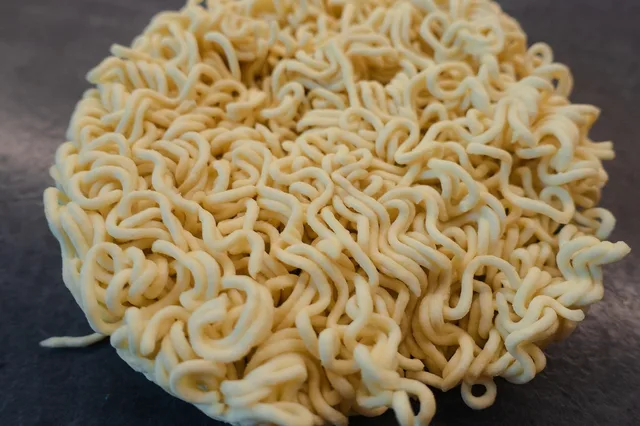
A customer stands in a supermarket aisle, comparing a budget pack to a luxury box. Evaluating price versus ramen worth requires a side-by-side look at what the consumer actually receives for their money.
This comparison examines whether the extra dollars spent yield a proportional increase in ingredient volume or flavor depth.
| Feature | Standard Ramen | Premium Ramen |
|---|---|---|
| Primary Base | Dehydrated Powder | Liquid or Fresh Concentrate |
| Noodle Type | Fried/Dried | Non-fried/Freshly Made |
The price versus ramen worth calculation is often subjective, yet it can be grounded in the quality of the components. I found that the premium options often provide a much more substantial feeling of fullness.
This study of price versus ramen worth helps shoppers make informed decisions during their weekly grocery runs.
A high price point is justified when the depth of flavor and ingredient quality significantly exceed standard options.
Ramen repurchase rate guide
A regular customer reaches for the same distinctive gold-colored packaging every Tuesday. A ramen repurchase rate guide looks at the frequency with which consumers return to a specific brand after their initial trial.
High repurchase rates are typically a sign that the premium price was perceived as a fair exchange for the quality provided.
The ramen repurchase rate guide suggests that consistency is the most important factor for long-term brand loyalty. If a premium product delivers a high-quality experience every time, consumers are more likely to integrate it into their routine.
Following a ramen repurchase rate guide helps identify which high-end brands truly hold their value.
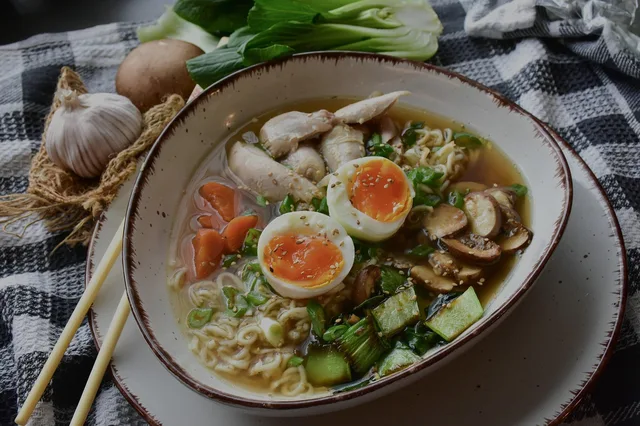
- Identify the core flavor profile that satisfies your cravings.
- Note the consistency of the serving size and temperature.
- Determine if the overall experience justifies a return visit.
How to evaluate ramen quality
A person prepares a meal in a quiet kitchen, measuring water precisely to ensure the perfect broth.
- Examine the noodle texture by checking if they are fried or non-fried. 2. Inspect the seasoning format, preferring liquid concentrates over dry powders. 3. Observe the ingredient list for real protein or vegetable chunks.
Perform a final check by tasting the broth for umami depth rather than just saltiness.
Check for a clear, non-greasy broth, noodles with the correct bite, and toppings that complement the soup.
Related
- Chinese ramen spice value: How to best guide flavor tips
- Ramen guide why heat supports flavor best 31
How does the single bowl experience change with quality?
- The single bowl of noodles shifts from mere sustenance to a refined culinary event when the components are high quality. 2. A simple convenience transforms into a complex experience when the broth exhibits significant depth. 3. The quality of the single bowl dictates whether the consumer perceives value or just cost.
If the broth lacks complexity, the single bowl remains a basic product, regardless of the noodle structure. Conversely, when the chef invests time in the base, the single bowl offers a layered tasting journey. This comparison highlights the functional difference between the two types of ramen.
What cautions should a consumer keep in mind when comparing price points?
Consumers must remember that nutritional density is constrained by the nature of processed wheat products, even in premium options. Therefore, the perceived value must align with sensory experience rather than solely on macronutrient superiority.
Always verify the ingredient list to see if the increased expense supports tangible quality markers.
When assessing the single bowl, one must caution against equating high price with inherent superiority; the flavor complexity is the true measure. The premium ramen value analysis advises looking past the label toward the substance of the meal itself.



Comments 0