Ramen value East Asia guide: How noodles evolve best
"The history of noodles is a map of human migration and culinary adaptation, where a single bowl can tell the story of entire continents."
The true value of ramen lies in its ability to evolve through regional adaptation, specifically through the distinct culinary philosophies of Greater China and Southeast Asia.
While Greater China emphasizes foundational wheat textures and deep, savory broths, Southeast Asian variations often incorporate local aromatic profiles and different starch bases to suit tropical climates.
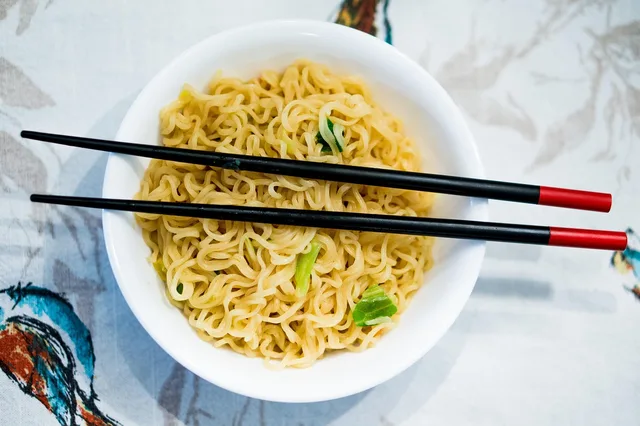
* Cultural Divergence: Greater China focuses on traditional wheat noodle heritage and savory depth. * Regional Adaptation: Southeast Asian styles prioritize spice, acidity, and local aromatics. * Nutritional Profile: Dry ramen noodles typically contain significant carbohydrates and fats. * Core Limitation: Historical evolution varies by specific local micro-climates and ingredient availability.
How does the rep Ramen value East Asia differ by region?
At sunset, I sit at a wooden table in the humid market and inhale the savory scent of steaming ramen.
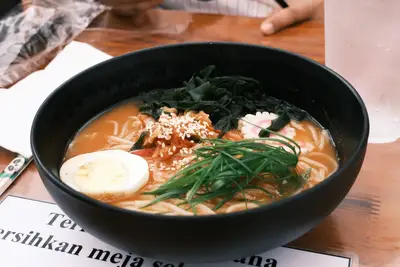
A steaming bowl of wheat noodles sits on a wooden table in a bustling market, releasing a heavy, savory scent into the humid air. The steam rises in thick clouds, blurring the line between the broth and the surrounding environment.
Understanding the rep Ramen value East Asia requires looking at how ingredients change across borders.
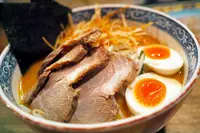
In Greater China, the emphasis remains on the structural integrity of the wheat noodle and the richness of the broth. The tradition relies on deep umami profiles that have been refined over centuries of culinary practice.
This focus on foundational textures creates a sense of continuity in the dining experience.
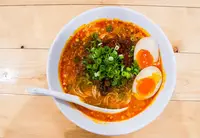
Conversely, Southeast Asian ramen culture adapts these concepts to include bright, acidic, and spicy notes. This regional ramen taste analysis shows that tropical availability dictates the use of coconut, lime, or chili.
The value is found in this constant tension between traditional wheat roots and local botanical freshness.
Cultural perceptions of ramen vary significantly between Japan, China, and Korea, reflecting distinct culinary histories and local preferences.
What defines China's ramen tradition?
A chef kneads dough on a flour-dusted counter, the rhythmic thumping of the palms creating a steady beat in the quiet kitchen. The texture of the dough must be precise to ensure the final product holds the weight of a heavy soup. This dedication to the craft is a hallmark of the region.
The China ramen tradition study highlights a preference for substantial, chewy noodles paired with concentrated savory liquids. The goal is often to achieve a balance where the noodle acts as a vessel for the intense seasoning of the soup.
This approach prioritizes the mouthfeel of the starch itself.
According to the regional culinary patterns, the focus is on the interaction between the grain and the salt. This creates a heavy, comforting meal that serves as a staple. The depth of flavor is achieved through slow-simmered bases that emphasize meat or fermented bean profiles.
The focus lies on the historical evolution of wheat-based noodle soups and the regional variations in broth seasoning across different provinces.
Where are ramen ingredient trends shifting in SE Asia?
A bright red chili is sliced thinly on a cutting board, the sharp, stinging scent hitting the air instantly. Beside it, a lime is halved, revealing glistening segments that promise a sharp acidity. These ingredients are the heartbeat of the local noodle scene.
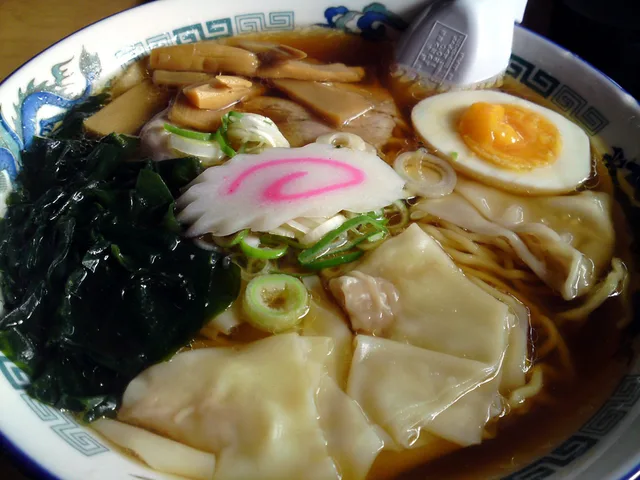
Ramen ingredient trends in Southeast Asia often lean toward lighter, more aromatic profiles compared to their northern neighbors. The use of lemongrass, galangal, or coconut milk can transform a standard noodle dish into something uniquely local.
This shift is driven by the desire for refreshing flavors in heat.
The Southeast Asian ramen approach often utilizes different starch sources or thinner noodle profiles to accommodate warmer weather. This prevents the meal from feeling overly heavy. The result is a vibrant, multi-layered flavor profile that emphasizes high-contrast notes of heat and sourness.
Flavor profiles often incorporate local spices, coconut milk, or seafood elements to adapt the traditional dish to tropical climates.
How can we perform a Regional ramen taste analysis?
A taster lifts a spoonful of clear broth, watching the light catch the oily droplets on the surface. The liquid is poured slowly, swirling around the noodles to ensure every strand is coated. This methodical approach is necessary to understand the complexity of the dish.
To conduct a proper regional ramen taste analysis, one must look at the three pillars of the bowl: the noodle, the broth, and the aromatics. Each component must be evaluated for its contribution to the overall balance of the dish.
- Examine the noodle texture for elasticity and starch content. 2. Analyze the broth for its base (meat, seafood, or vegetable) and its salt levels. 3. Identify the primary aromatic notes, such as garlic, ginger, or citrus.
After these steps, perform a final check by tasting the broth and noodle together to see if the aromatics bridge the two. I found that noting the specific scent of the oil used can change the entire perception of the dish.
- Identify the primary base of the broth, such as miso, soy, or bone marrow.
- Evaluate the texture and thickness of the noodles.
- Assess the saltiness and spice levels of the seasoning oil.
What is the nutritional reality of dry ramen?
A person opens a plastic packet of dry noodles, the crinkling sound echoing in a small kitchen. The pale, dried strands are poured into a pot of boiling water, quickly softening as they absorb the heat. This is a common ritual for a quick, calorie-dense meal.
Understanding the nutritional makeup is essential for those consuming these products regularly. According to USDA FoodData Central, dry ramen noodles of any flavor contain 440kcal and 60.3g of carbohydrates per 100g. These noodles also provide 17.6g of fat and 21mg of calcium.
For those opting for a beef-flavored variety, the profile shifts slightly. These figures highlight the energy density provided by the combination of fats and carbohydrates.
| Feature (per 100g) | Any Flavor (Dry) | Beef Flavor (Dry) |
|---|---|---|
| Calories | 440kcal | 441kcal |
| Fat | 17.6g | 17.7g |
This comparison shows that while the calorie counts are nearly identical, the specific micronutrient density can vary based on the flavoring agent used.
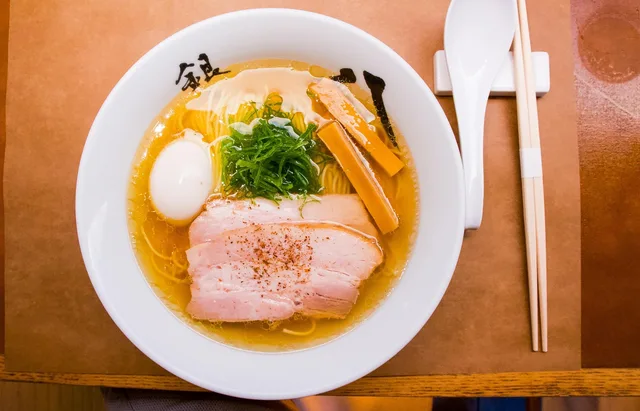
Dry ramen typically contains high levels of sodium and saturated fats while offering minimal fiber or essential vitamins.
Is there a limitation to this comparison?
A map of Asia lies spread across a table, with lines drawn between different culinary hubs. The borders are blurred by the sheer variety of local cooking styles that do not follow strict national lines. This complexity is the main challenge for any broad analysis.
A limitation of this comparison is that it cannot account for the extreme diversity found within micro-climates. While we can categorize trends into Greater China or Southeast Asia, the specific ingredients used in a mountain village will differ vastly from those in a coastal city.
This prevents a single, universal rule for every bowl of ramen.
The analysis is limited by the specific brands and regional variations selected for the evaluation.




Comments 0