Ramen value guide: Southeast Asian ramen value tips
"The true value of a meal is not found in the size of the bowl, but in the balance of flavor, texture, and the satisfaction of a complete serving."
What makes Southeast Asian ramen a good value?
At the dim street stall, you lift a heavy chopstick and feel the warm steam from the ramen rising against your face. At the dim street stall, you lift a heavy chopstick and feel the steam from the ramen rising against your face.
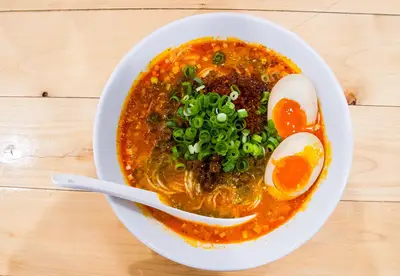
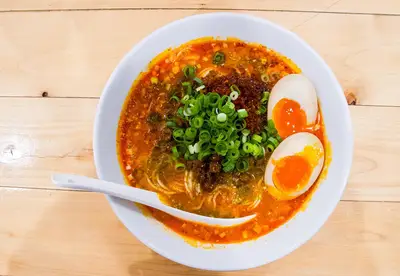
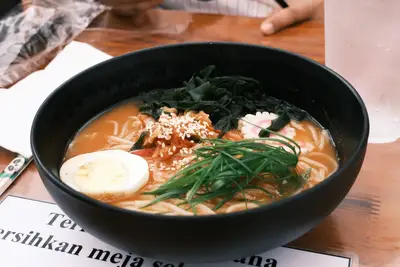
A steaming bowl of beef-flavored noodles sits on a wooden table, the steam rising in thick clouds under the dim light of a street stall. You lift a heavy chopstick, feeling the weight of the extra-large serving as it settles in the bowl.
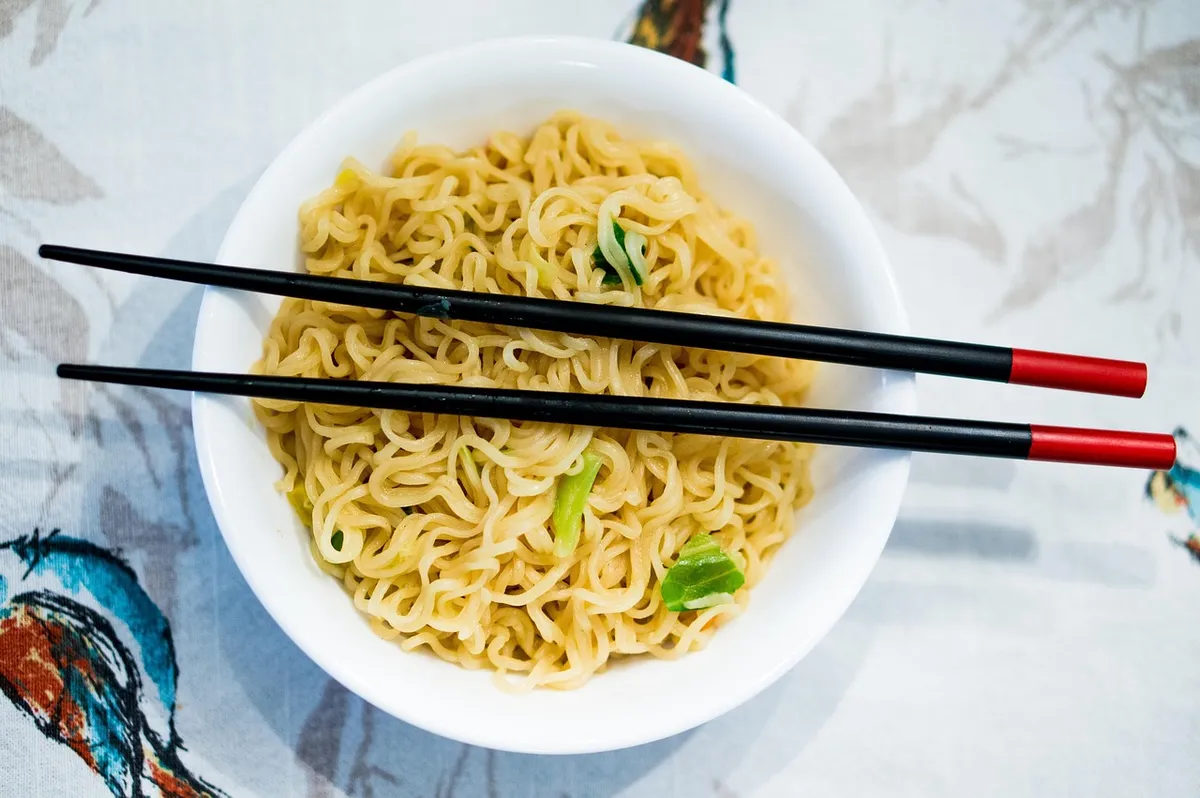
Finding the best Southeast Asian ramen value requires looking beyond just the price tag to the synergy of ingredients.
The value is realized when the increased noodle volume does not dilute the intensity of the seasoning. A cheap big ramen deal is only successful if the broth remains robust enough to coat every strand of the expanded portion.
Many consumers seek this specific rep to ensure they receive a meal that feels substantial without sacrificing the traditional aromatic profiles of the region.
How does the noodle texture compare?
You pull a long strand of ramen from the deep broth at midnight, feeling the springy chew against your teeth.
You pull a long, thick strand from the deep red broth, watching it bounce slightly against the ceramic rim. The sensation of the chew is the primary indicator of quality in an extra serving noodle review.
Texture must remain resilient even when submerged in a large volume of hot liquid for an extended period.
The noodles in these larger portions are often designed with a higher starch content to maintain their structure. While some varieties prioritize a soft, slippery mouthfeel, others lean toward a firmer, springier bite to handle the extra weight.
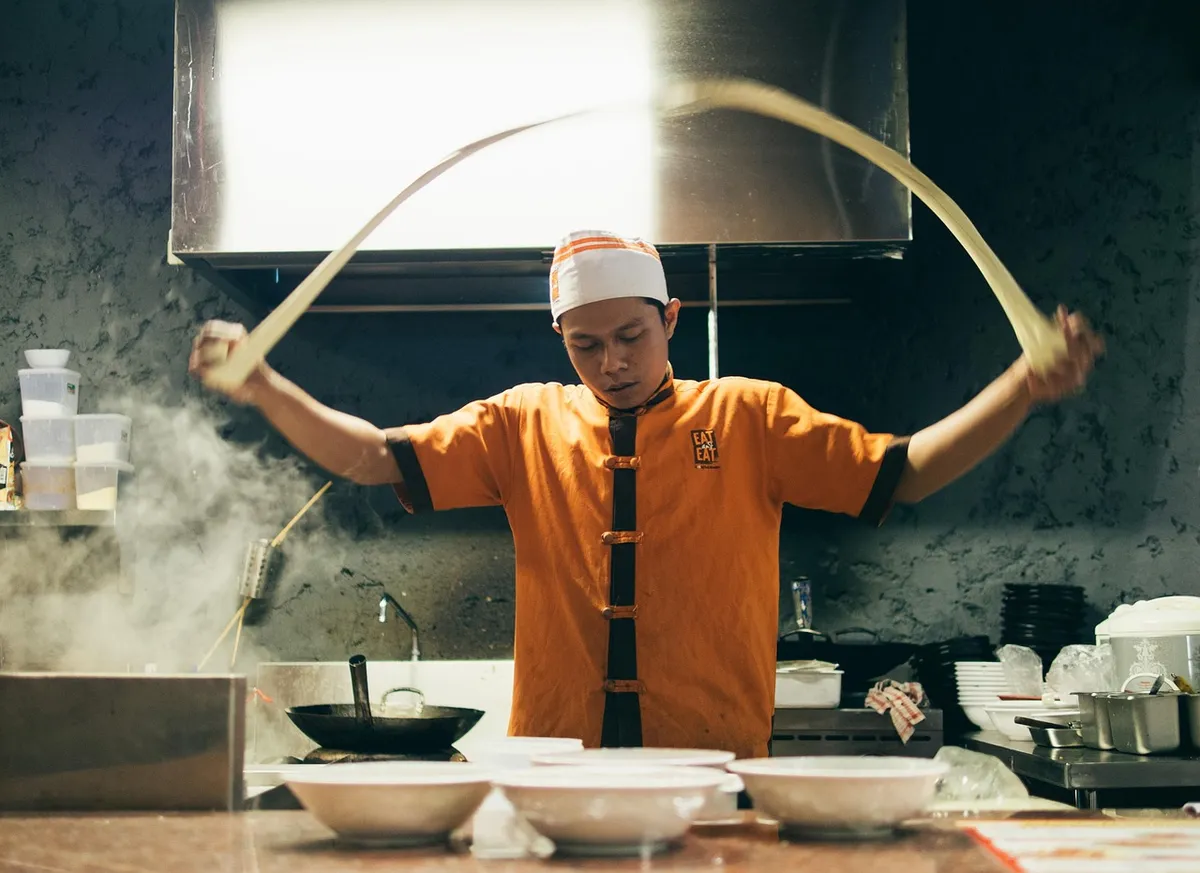
A successful rep emphasizes that texture is just as vital as the quantity of the noodles themselves.
Is there enough broth for larger portions?
The spoon dips into the dark, savory liquid, bringing a concentrated burst of spice to the palate. For those looking for a value ramen comparison, the broth-to-noodle ratio is the most critical metric.
A common pitfall in large-format ramen is a watery broth that fails to season the massive amount of starch.
| Feature | Standard Serving | Extra Serving Style |
|---|---|---|
| Noodle Volume | Moderate | High |
| Broth Intensity | Concentrated | Distributed |
I noticed that when I opted for the larger bowl, the spice level felt more spread out across the palate. This distribution is why many enthusiasts seek a specific best value ramen recipe that utilizes a more concentrated base for larger servings.
What is the nutritional profile of these meals?
A nutrition label is scanned under the bright light of a convenience store, the small print revealing the energy density of the meal. Understanding the composition is essential for anyone performing a repeat purchase ramen guide.
Large portions naturally lead to higher energy intake, which is a key consideration for daily consumption.
This specific beef flavor also provides 3.93mg of iron and 3g of dietary fiber per 100g.
When evaluating these meals, one must consider that the sheer volume of noodles can significantly increase the total caloric load compared to standard portions.
How can you prepare the perfect large serving?
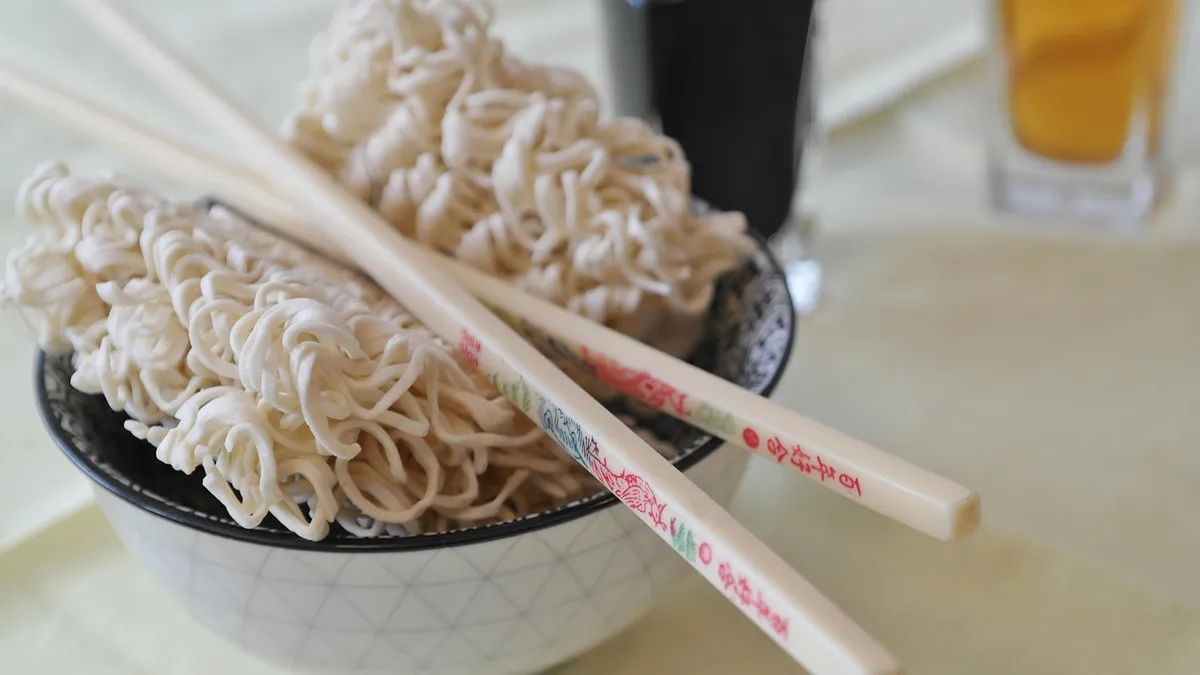
The kitchen counter is covered in spice packets and a large pot of boiling water as the preparation begins. To maximize the quality of a large portion, follow these steps to ensure the noodles and broth are perfectly balanced.
- Boil the increased volume of noodles in a larger pot of water to prevent the starch from making the liquid too gummy. 2. Prepare the broth base separately to ensure the seasoning remains concentrated before adding the noodles. 3. Add any supplemental proteins or vegetables immediately after the noodles reach the desired texture to maintain heat.
Perform a final taste check by sampling a small amount of the broth alone to ensure the seasoning has not been diluted by the extra noodles.
Can non-fried options change the experience?
A hand reaches for a package of non-fried noodles, noting the different texture compared to the standard deep-fried varieties. For those monitoring fat intake, the type of noodle used is a deciding factor in the overall meal value.
According to the USDA, non-fried instant noodles should have a fat content lower than 3%. While these options may offer a different mouthfeel, they are often used to balance the richness of a heavy Southeast Asian broth.
This choice can be a way to enjoy a large portion while managing the total fat content of the meal.
Wikipedia: List of instant noodle brands Based on the retained excerpt mentioning International Ramen Manufacturers Association: According to statistics from the International Ramen Manufacturers Association, Taiwan is the world's twelfth-largest instant noodle market, with an annual NT$10 billion (US$300 million) in sales.
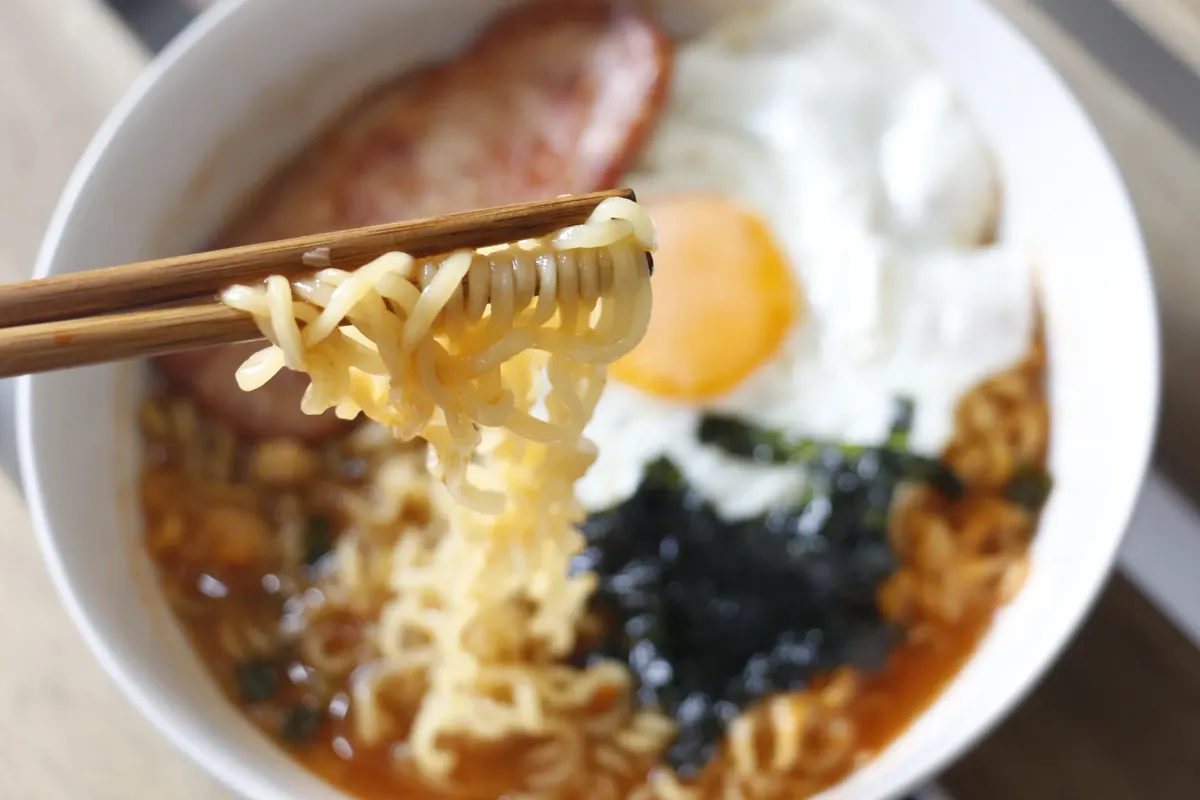
- The Southeast Asian ramen value lies in the combination of high-volume noodle portions, intense broth profiles, and a price point that offers significant satiety for the cost.
- This guide explores how these "extra serving" styles compare across taste, noodle texture, and nutritional composition to help you decide if the bulk is worth the investment.
- You should look for a balance between noodle density and broth depth, though the primary limitation is that larger portions often correlate with higher sodium and caloric intake.
Related
- Chinese ramen large portion truth guide for 441kcal
- Chinese noodle extra size taste: guide to higher volume
How does the broth distribution affect the true value?
- The broth distribution changes significantly when moving from a standard serving to an extra serving style. 2. A concentrated broth base, when spread across a high noodle volume, risks becoming less potent. 3. Consumers must assess whether the flavor intensity compensates for the increased quantity of noodles. 4. This comparison highlights that the true value hinges on the broth's ability to remain robust throughout the larger meal.
What cautions should be observed when selecting large portions?
- The primary caution involves the correlation between larger portions and elevated sodium and caloric intake. 2. When making a purchase decision, one should always consider the nutritional composition alongside the perceived value. 3. If the broth becomes watery, it signals a failure in the recipe's intended balance, diminishing the true value. 4. A careful review of the noodle density against the broth depth is necessary before committing to a large purchase.
The resilience of the noodle texture serves as a secondary indicator of a successful large serving. If the noodles become overly soft due to prolonged exposure to the hot liquid, the eating experience suffers.
This condition suggests that the preparation procedure needs refinement for optimal results.
When comparing the two serving styles, the difference in how the seasoning is distributed becomes apparent. The extra serving style allows the spice to feel more spread out, which is a factor enthusiasts consider when seeking the best value ramen.
This distribution contrasts with the more concentrated flavor found in the standard serving.
The selection of non-fried noodles presents a conditional advantage for those concerned about fat levels. These noodles offer a different mouthfeel, which can help balance the richness inherent in a heavy Southeast Asian broth. This choice influences the overall nutritional profile of the meal.
FAQ
Is the extra portion always better value?
What are the nutritional considerations for beef flavor?
Related posts
Ramen spiciness guide: Southeast Asian ramen spiciness tips

Southeast Asian ramen spice: A guide to its unique heat
SE Asian ramen heat level: Guide to flavor and ingredients


Comments 0