Chinese ramen large portion truth guide for 441kcal
"The pursuit of a larger bowl often leads to a question of whether the flavor remains intact when the volume doubles."
The Chinese ramen large portion truth is that increasing the quantity of noodles often alters the ratio of seasoning to starch, potentially diluting the intensity of the broth. This guide analyzes how extra servings impact nutritional density and flavor balance.
Key takeaways include the risk of flavor dilution, the shift in caloric concentration, and the importance of broth-to-noodle ratios.
Does a large portion mean better flavor?
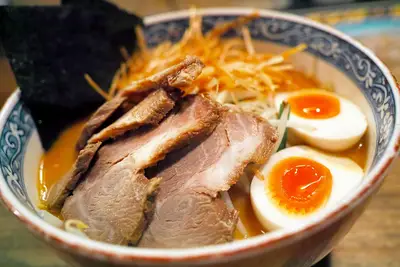
At dusk in the dim kitchen, you inhale the spicy steam while staring at the massive Chinese ramen bowl.
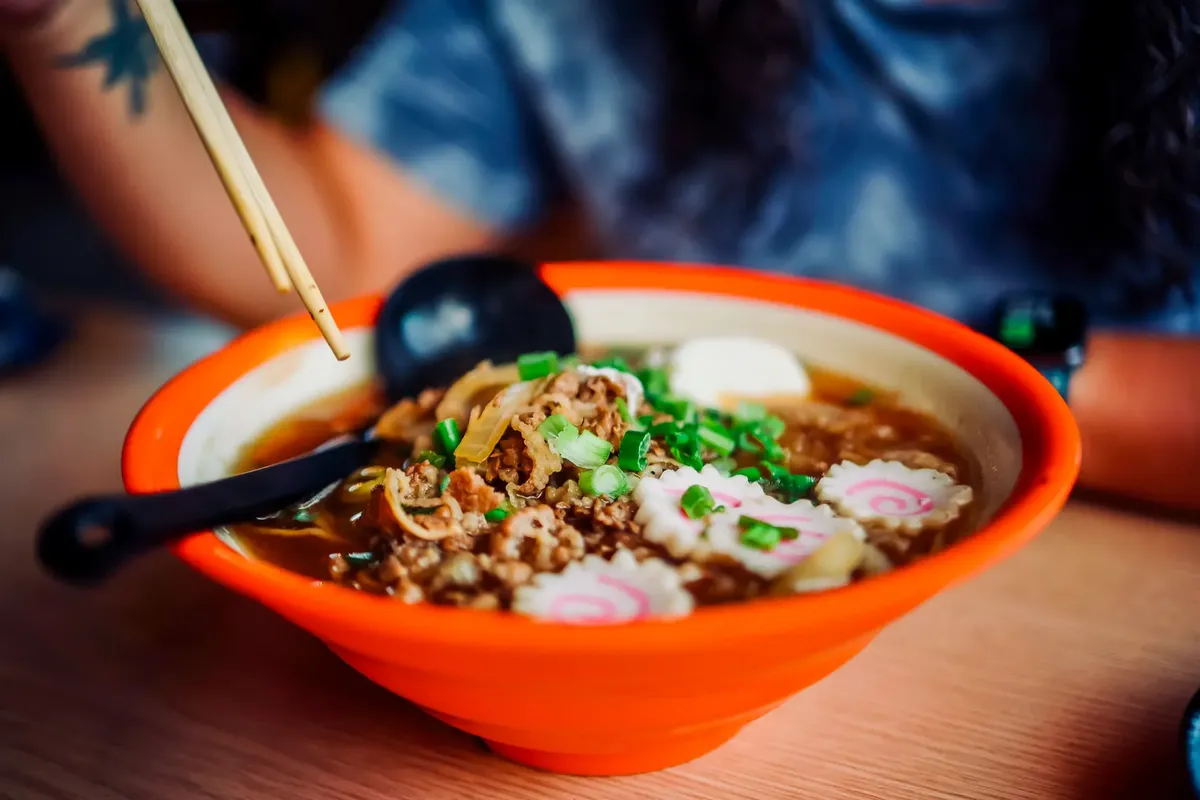
A steam rises from a heavy ceramic bowl as a server places a massive double portion on the table. You watch the noodles settle into the broth, wondering if the seasoning can still hold its ground against the extra mass.
The rep of the dish changes when the sheer volume of starch begins to absorb the liquid.
When seeking the Chinese ramen large portion truth, one must consider that more noodles require more liquid to maintain the same flavor profile. If the broth volume does not increase proportionally, the starch from the extra noodles can thicken the soup and mute the spices.
This makes the Ramen extra serving review a study of balance rather than just volume.
According to USDA FoodData Central, dry beef flavor ramen noodles contain 441kcal and 17.7g of fat per 100g. When you double the portion, you are not just doubling the hunger satisfaction; you are doubling these specific values.
This shift in concentration is a primary factor in how the taste perception changes during a large ramen taste quality analysis.
How does a Ramen extra serving review change the nutrition?
You pick up a heavy spoon, lifting a tangle of noodles to inspect the coating of the broth. The weight of the bowl feels different in your hand, signaling a significant change in density. A Ramen portion value test begins with the realization that calories scale linearly while flavor does not.
The nutritional impact of a large serving is significant due to the high carbohydrate and fat content found in standard noodles. For example, dry ramen noodles generally provide 60.3g of carbohydrates per 100g.
A large serving significantly increases the total intake of these macronutrients in a single sitting.
A Ramen six factor evaluation must include the micronutrient changes observed in larger quantities.
Doubling the serving size effectively doubles these amounts, which is a critical consideration for those monitoring specific intake levels.
How do I test the value of a ramen portion?
The kitchen staff prepares a specialized large bowl, carefully measuring the extra dough to ensure consistency. You observe the steam swirling around the rim as the chef pours an extra ladle of liquid to compensate for the size. This process is the core of a Ramen portion value test.
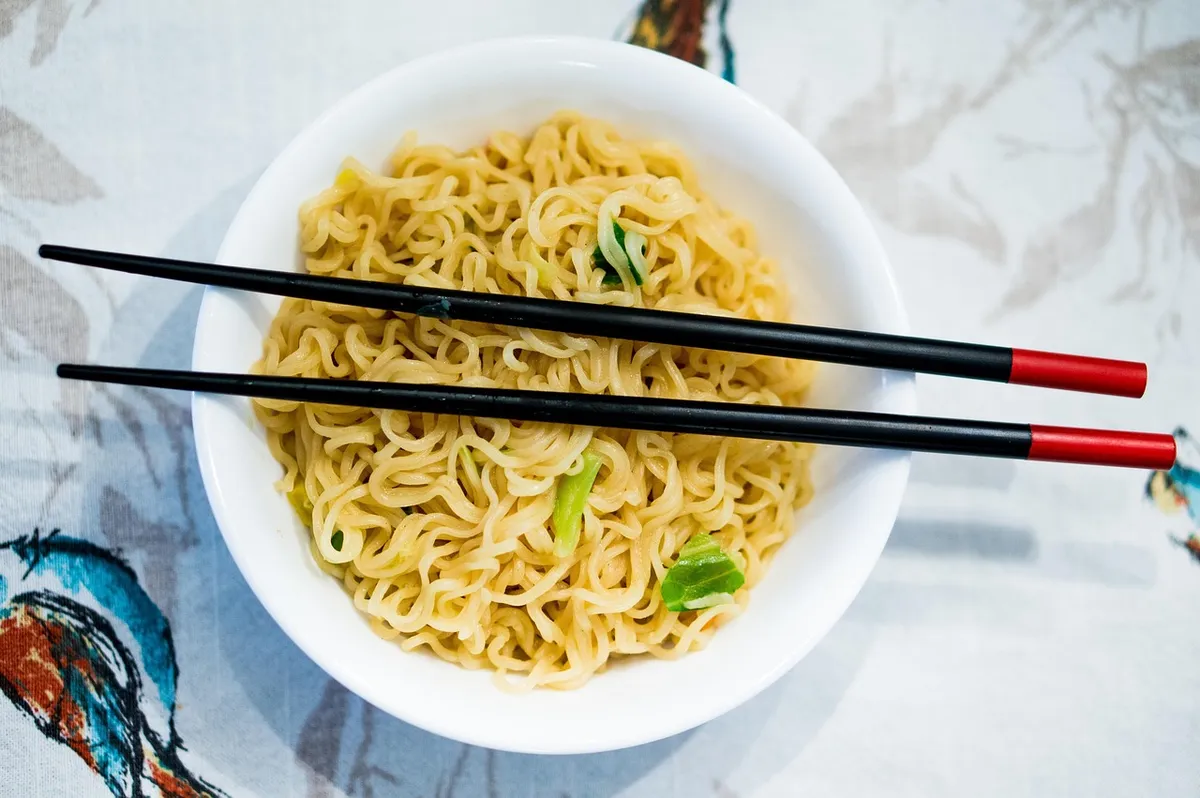
To conduct a proper assessment of whether a large portion is worth the cost, follow these steps:
- Check the broth-to-noodle ratio to ensure the liquid is not too shallow for the increased mass. 2. Verify if the seasoning packet or broth base is increased alongside the noodle weight. 3. Observe the texture of the noodles after five minutes to see if they have become overly bloated by the broth.
I noticed during my own meal that the extra noodles often reached the bottom of the bowl before the broth could fully coat them. This highlights why the Ramen broth and portion check is essential for a satisfying experience.
Can the Ramen broth and portion check be standardized?
A chef carefully pours a dark, savory liquid into a wide bowl, ensuring it reaches the edges of the extra noodles. The liquid must be hot enough to penetrate the dense pile of starch without losing its aromatic profile. This is the essence of the Ramen broth and portion check.
The challenge in standardizing large portions lies in the varying absorption rates of different noodle types. Some noodles act like sponges, pulling the salt and fat away from the palate and into the dough. This can lead to a sensation of eating "plain" noodles despite a heavy broth.
A Ramen ramen six factor evaluation would categorize this as a texture-to-flavor ratio issue. If the broth is not adjusted, the eater may find the meal unsatisfying despite the high caloric count.
This is why many high-end establishments treat large portions as a separate recipe rather than a simple addition of ingredients.
What is the limit of a large serving?
The diner reaches the end of a massive bowl, finding only a small amount of thickened, starchy liquid remaining. The initial excitement of the large portion has faded into a sense of heaviness. This moment represents the functional limit of the large serving style.
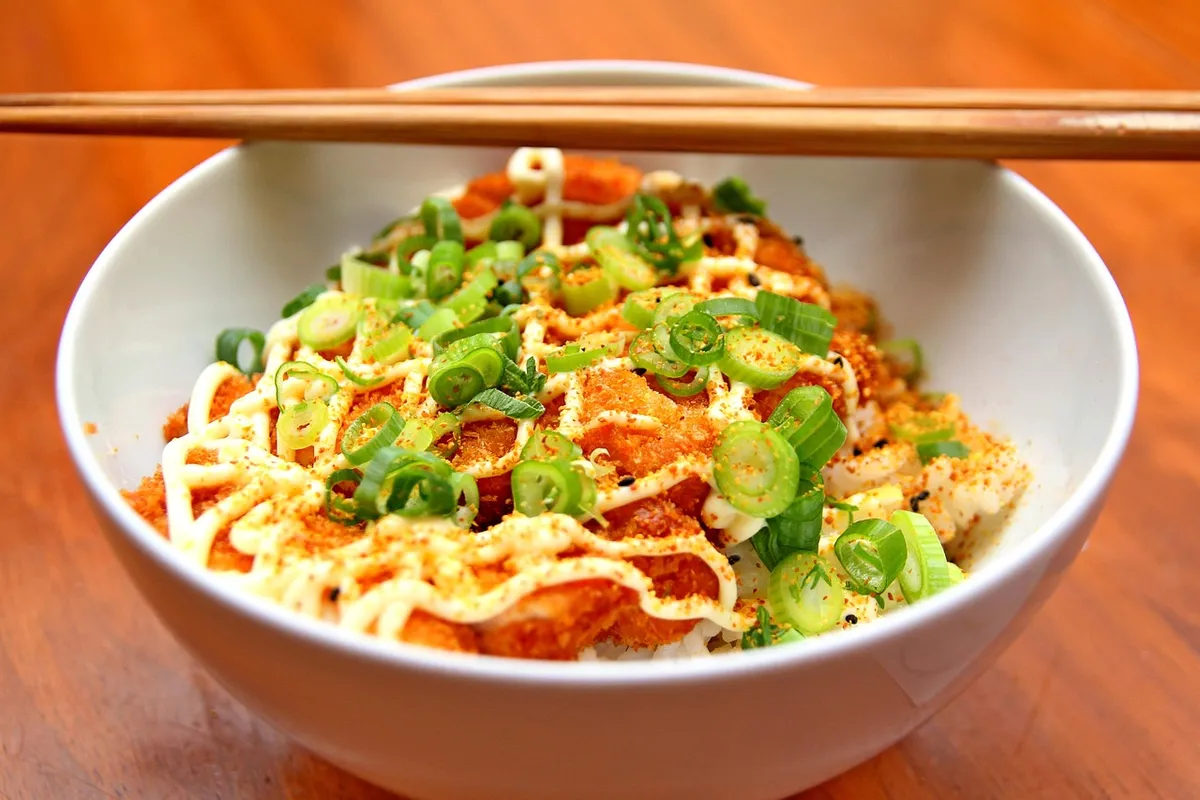
The limitation of this dining style is that the flavor intensity is not guaranteed to scale with the volume. While the caloric density remains predictable, the sensory experience can diminish if the broth-to-noodle ratio is not strictly managed.
| Component (per 100g dry) | Beef Flavor Ramen | Any Flavor Ramen |
|---|---|---|
| Carbohydrates | 60.3g | 60.3g |
| Fat | 17.7g | 17.6g |
- Does a large portion mean better flavor?
- How does a Ramen extra serving review change the nutrition?
- How do I test the value of a ramen portion?
Chinese ramen large portion truth
The same subject is also called Large ramen taste analysis.
The same subject is also called Authentic large ramen guide.
Related
- Chinese noodle extra size taste: guide to higher volume
- Spicy Ramen Taste Guide: Sweet Soy Defines Heat 90
How does the pursuit of a larger bowl affect ingredient interaction?
- The pursuit of a larger bowl necessitates a careful review of how the increased starch interacts with the liquid base. 2. When the volume doubles, the noodle mass increases the surface area for liquid absorption. 3. This increased absorption rate means the seasoning must be robust enough to penetrate the extra dough.
The comparison between a standard serving and a larger bowl highlights the physical constraints of the dish. The initial excitement associated with the pursuit of a larger bowl might be tempered by the final texture, which can become overly dense.
This condition requires the chef to adjust the recipe beyond simple scaling.
What conditions must be met for a satisfying large portion?
The condition for a satisfying large portion involves balancing the increased macronutrient load with the sensory experience. If the broth-to-noodle ratio is skewed, the high caloric concentration might not translate into flavor satisfaction.
The pursuit of a larger bowl must therefore be paired with a rigorous quality check.
The caution here is that while the nutritional density increases linearly, the flavor perception does not follow the same predictable trajectory. A proper Ramen broth and portion check addresses this discrepancy between weight and taste.
This ensures that the added volume provides value beyond mere quantity.
The larger the bowl, the more pronounced the effect of noodle absorption becomes. This absorption acts as a physical modifier, altering the way the palate experiences the seasoning.
The initial premise about the flavor remaining intact when the volume doubles becomes a practical test of culinary skill.
FAQ
Does a larger portion mean more vitamins?
Is the broth flavor diluted in large servings?
Related posts
Chinese ramen spice value: How to best guide flavor tips

Taiwanese ramen taste standard: How to guide best tips
Chinese noodle extra size taste: guide to higher volume


Comments 0