Spicy Ramen Taste Guide: Sweet Soy Defines Heat 90
"The heat in a bowl of noodles is more than just a sting on the tongue; it is a complex interplay of sweetness, salt, and spice that defines a culture's palate."
This guide explores the specific flavor profile of Indonesian Mie Goreng ramen to determine if its heat meets the true standards of spice lovers. We will examine the balance of sweet soy sauce and savory elements, provide a guide for flavor assessment, and note the nutritional context of dry ramen.
What makes Indonesian spicy ramen taste this way? At sunset in the dim kitchen, I lift a heavy spoonful of noodles and feel the spicy heat bloom slowly across my tongue.
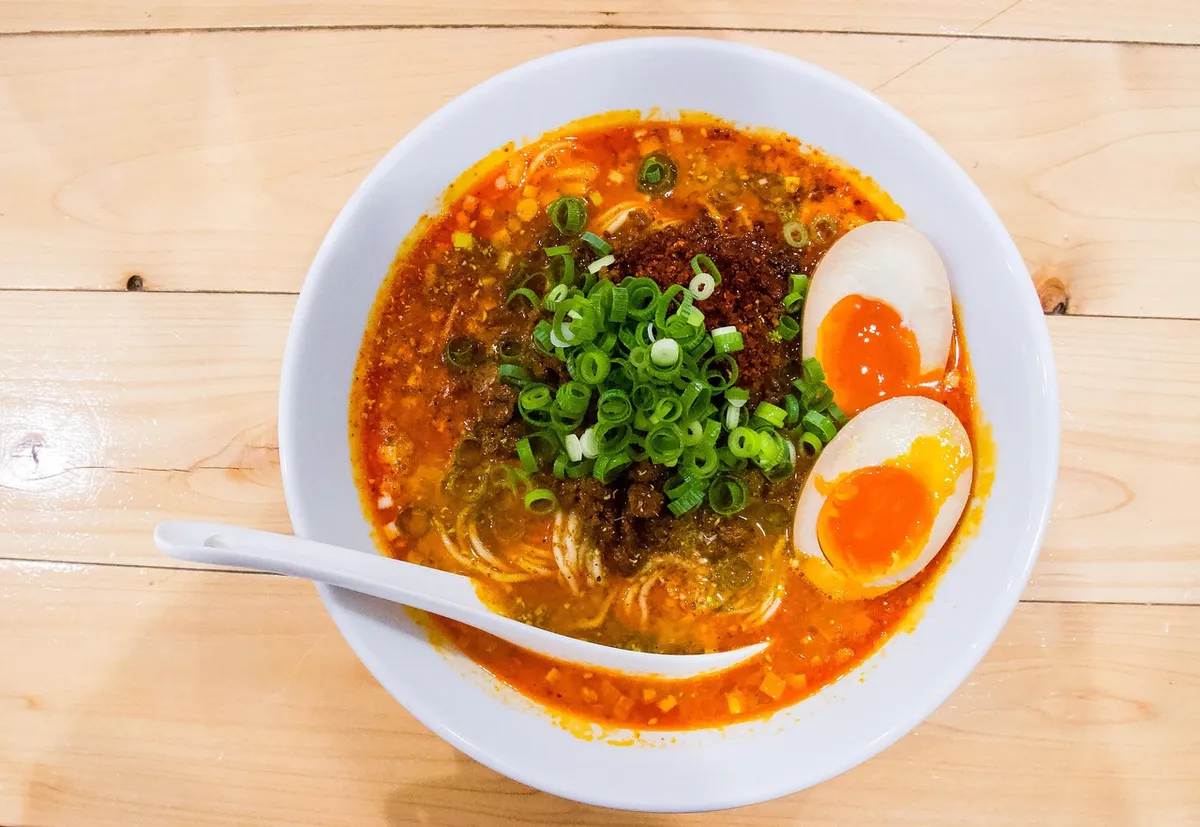
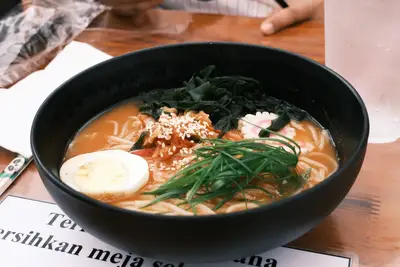
A steaming bowl of noodles sits on a wooden table, the dark sauce glistening under the warm kitchen light. The aroma of sweet soy sauce rises in a thick cloud, signaling a departure from traditional salty broths.
Understanding the Spicy Ramen Taste Guide requires looking beyond mere capsaicin levels to the balance of ingredients. In Indonesian cuisine, the depth of flavor often comes from the interaction between savory spices and sweet elements.
This specific combination creates a layered heat that lingers differently than a purely chili-based soup.
The most significant component in this flavor profile is often the soy sauce used to season the noodles. According to Wikipedia, it is by far the most popular type of soy sauce employed in Indonesian cuisine, accounting for an estimated 90 percent of the nation's total soy sauce production.
This heavy reliance on flavored soy provides a foundational sweetness that modifies how the spice hits the palate.
Finding True Heat Level becomes a matter of identifying how the sugar and salt interact with the chili. When the sweetness of the sauce masks the initial bite, the spice often reveals itself in a slow, creeping sensation rather than a sharp peak.
This makes the Indonesian style unique compared to other regional varieties.
This guide focuses on the unique balance between intense chili heat and the savory, aromatic profiles characteristic of Indonesian instant noodles.
How to evaluate the Ramen Spice Standard through ingredients?
A hand reaches for a packet of seasoning, feeling the coarse texture of dried spices against the palm. The dark, rich colors of the ingredients suggest a heavy, concentrated flavor profile.
To apply the Ramen Spice Standard, one must analyze the ratio of savory to sweet components within the seasoning pack. A well-balanced spicy ramen should not allow the salt to overwhelm the delicate notes of the spices.
Instead, the heat should act as a bridge between the different flavor dimensions.
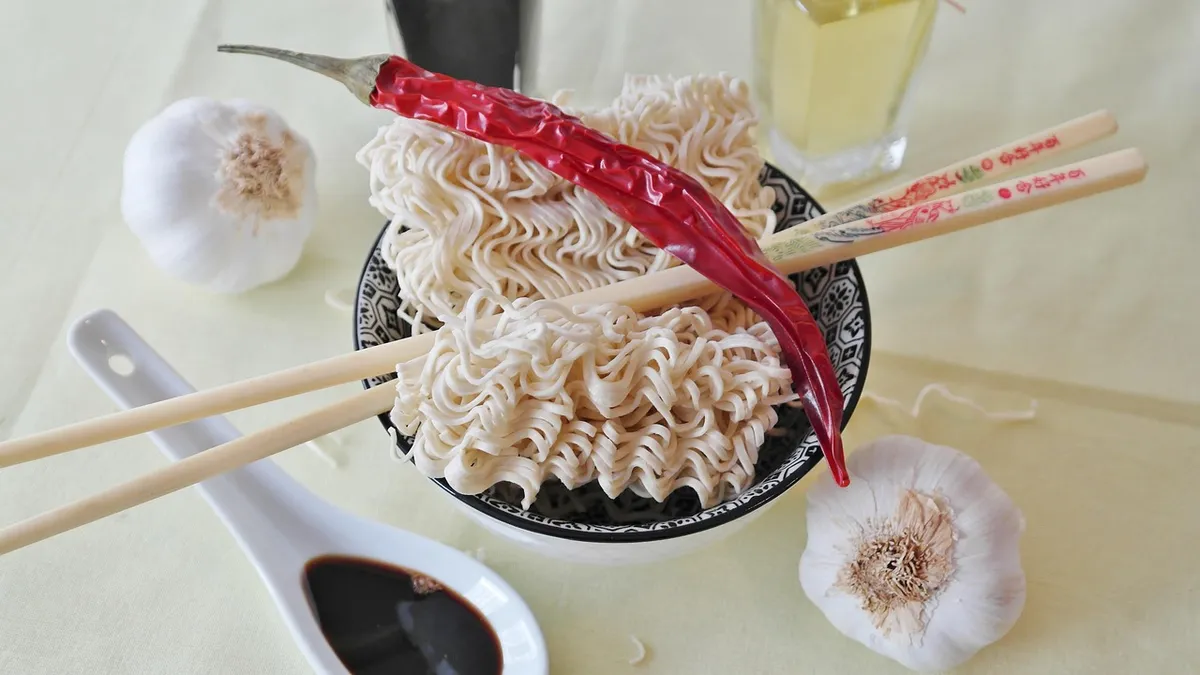
The seasoning often relies on a base that mimics the complexity of traditional stir-fried noodles. This results in a profile where the heat is integrated into the very texture of the sauce. This integration ensures that every bite carries a consistent level of intensity.
Authentic Ramen Flavor is often judged by how well the spice enhances, rather than hides, the noodle texture. If the heat is too aggressive, it can mask the wheat notes; if it is too weak, the meal feels one-dimensional. Achieving the right balance is the goal of high-quality spicy instant noodles.
Analyze the concentration of dried chili flakes, the presence of sambal-based pastes, and the level of garlic or shallot infusion to determine the true heat intensity.
How do I review these spicy Indonesian noodles? A person carefully stirs the noodles in a deep bowl, watching the dark sauce coat each strand evenly. The steam carries a pungent, spicy scent that fills the room.
To conduct a thorough assessment, follow these three steps:
- Prepare the noodles exactly according to the package instructions to ensure the correct moisture level for the sauce. 2. Taste a plain strand first to understand the noodle's base flavor before the seasoning is fully integrated. 3. Mix the seasoning thoroughly to ensure the spices and sweet soy components are distributed evenly across the entire portion.
After completing these steps, perform a final check by letting the noodles sit for one minute. This allows the flavors to meld and the heat to stabilize for a more accurate sensory experience. I found that observing the sauce's consistency helps in predicting the intensity of the spice.
- Inspect the dry seasoning packets and oil to assess the initial spice concentration.
- Taste the broth to evaluate the immediate heat impact on the palate.
- Assess the lingering afterburn to determine the lasting spice level.
How does the Ramen Texture Deep Dive relate to spice?
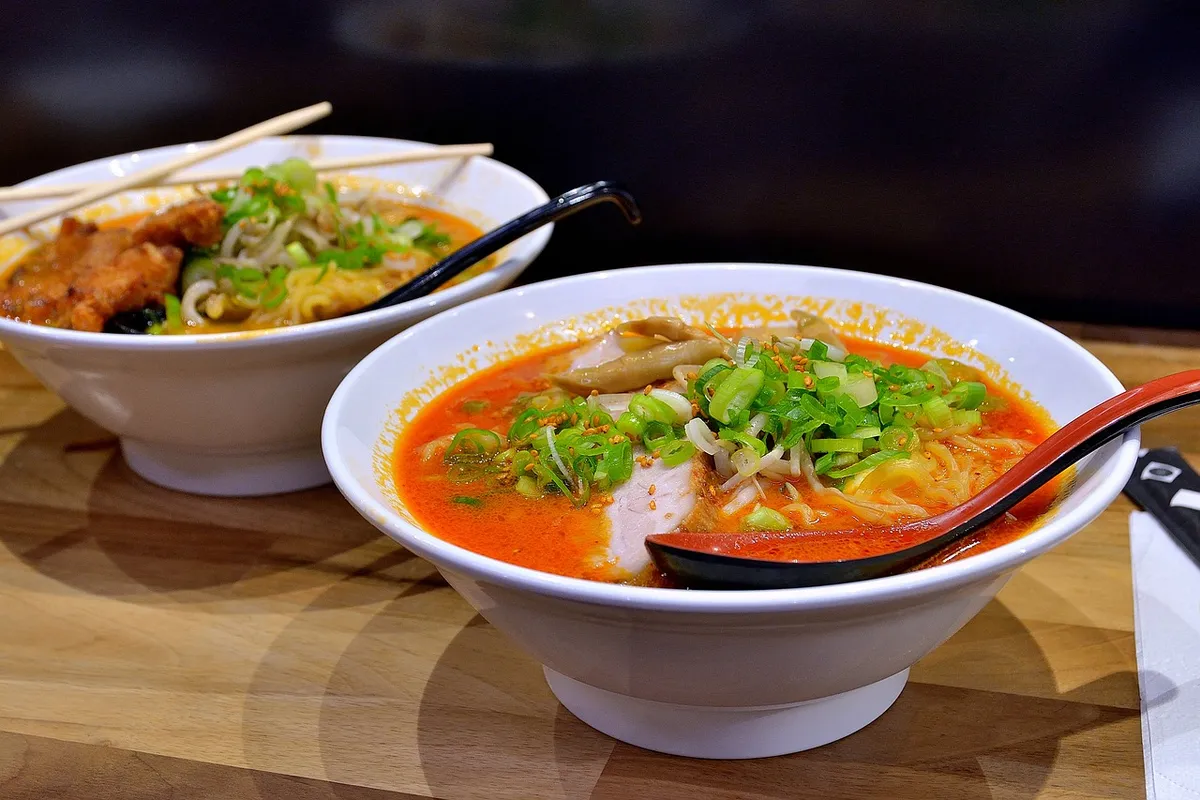
A fork twirls a heavy portion of noodles, lifting them from the bowl to show the thick, dark coating. The noodles appear firm and well-coated, holding the sauce tightly.
The Ramen Texture Deep Dive is essential because the thickness of the noodle affects how the spice is perceived. Thicker noodles can stand up to heavy, syrupy sauces, while thinner noodles might become overwhelmed by the intensity.
The interaction between the physical bite and the spice levels is a key metric for quality.
A coating that is too thin may result in a watery spice that lacks impact. Conversely, a sauce that is too thick might feel heavy on the tongue before the heat can be properly felt. The goal is a coating that remains clingy but allows the spice to penetrate the noodle surface.
A comparison of nutritional values for dry ramen can provide context for the density of these ingredients. For instance, dry ramen with any flavor contains approximately 440kcal and 60.3g of carbohydrates per 100g, according to USDA FoodData Central.
| Component (per 100g) | Any Flavor (Dry) | Beef Flavor (Dry) |
|---|---|---|
| Calories | 440kcal | 441kcal |
| Carbohydrates | 60.3g | 60.3g |
I observed that the calorie counts remain remarkably consistent even when the flavor profiles shift between sweet and savory.
The thickness and chewiness of the noodles can influence how heat is perceived, as denser noodles often carry the spice more slowly than thinner varieties.
What is the Ramen Value Comparison for spice lovers?
A shopper stands in a brightly lit aisle, comparing two different packages of noodles. The vibrant colors and bold text of the spicy varieties catch the eye.
When performing a Ramen Value Comparison, one must weigh the intensity of the flavor against the portion size and cost. For many, the value lies in the complexity of the seasoning rather than just the volume of food.
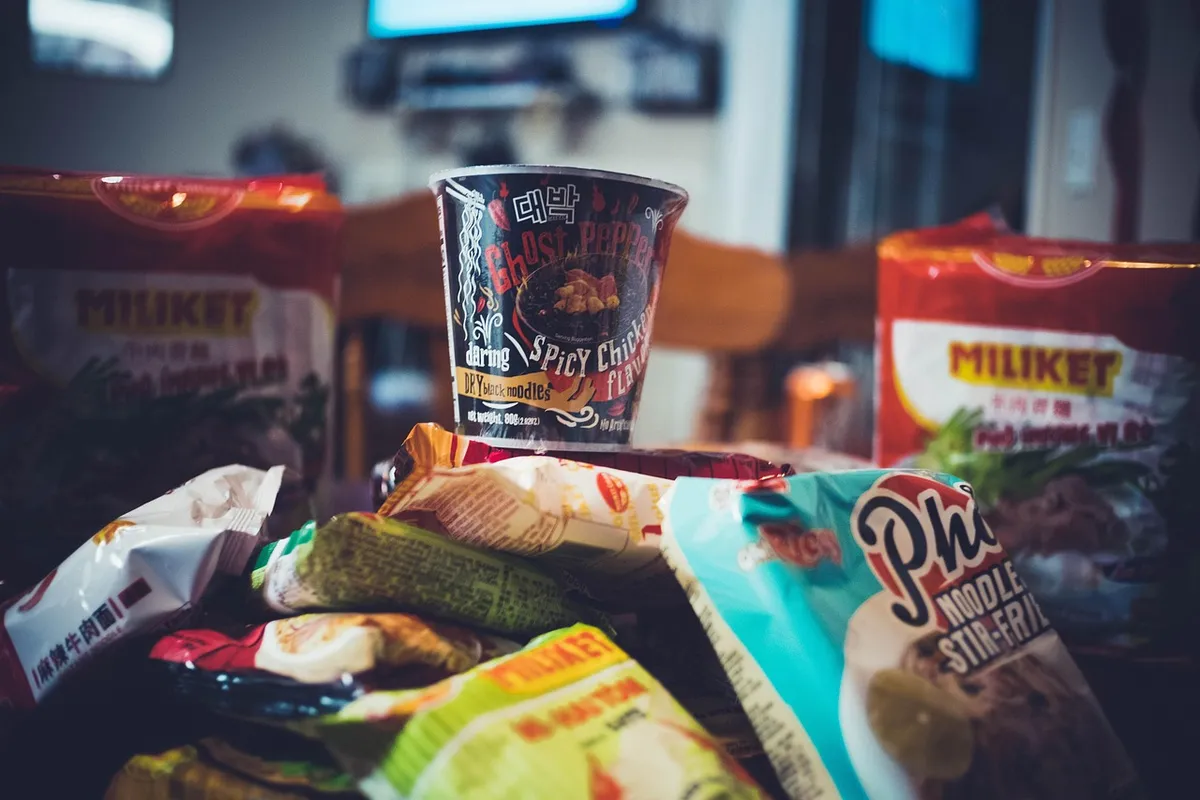
A highly flavorful packet that can be used to enhance other meals provides higher utility.
The cost-to-flavor ratio is a common metric for enthusiasts looking for consistent quality. If a product provides a unique heat profile that cannot be easily replicated at home, it often holds higher value. This is particularly true for specialty regional noodles.
The limitation of this analysis is that nutritional data for dry ramen is subject to variations in specific brand formulations. For example, USDA FoodData Central indicates that beef-flavored dry ramen has 3g of dietary fiber and 3.93mg of iron per 100g.
These specific values are tied to the dry base and may change once water or other ingredients are added during preparation.
Compare the cost per serving against the intensity of the flavor to see if the heat level justifies the price for dedicated spice enthusiasts.
Related
FAQ
Is the heat level consistent in Indonesian style ramen?
Can I adjust the spice level during preparation?
Related posts
Popular posts

Best ramen monthly ranking: Taste matters for global demand
Best spicy Southeast Asian ramen: Why choose the right bowl?
Chinese noodle extra size trend: Guide to big serving appeal

Comments 0