Southeast Asian spicy ramen: A guide to its flavor
"The heat of a spicy bowl often masks the complexity of the broth, leaving one to wonder if the spice is a flavor or merely a sensation."
Southeast Asian spicy ramen often delivers a sharp heat that can overshadow the underlying savory notes of the soup. This guide examines the nutritional composition and physical characteristics of these noodles to determine if the spice is truly an integrated flavor.
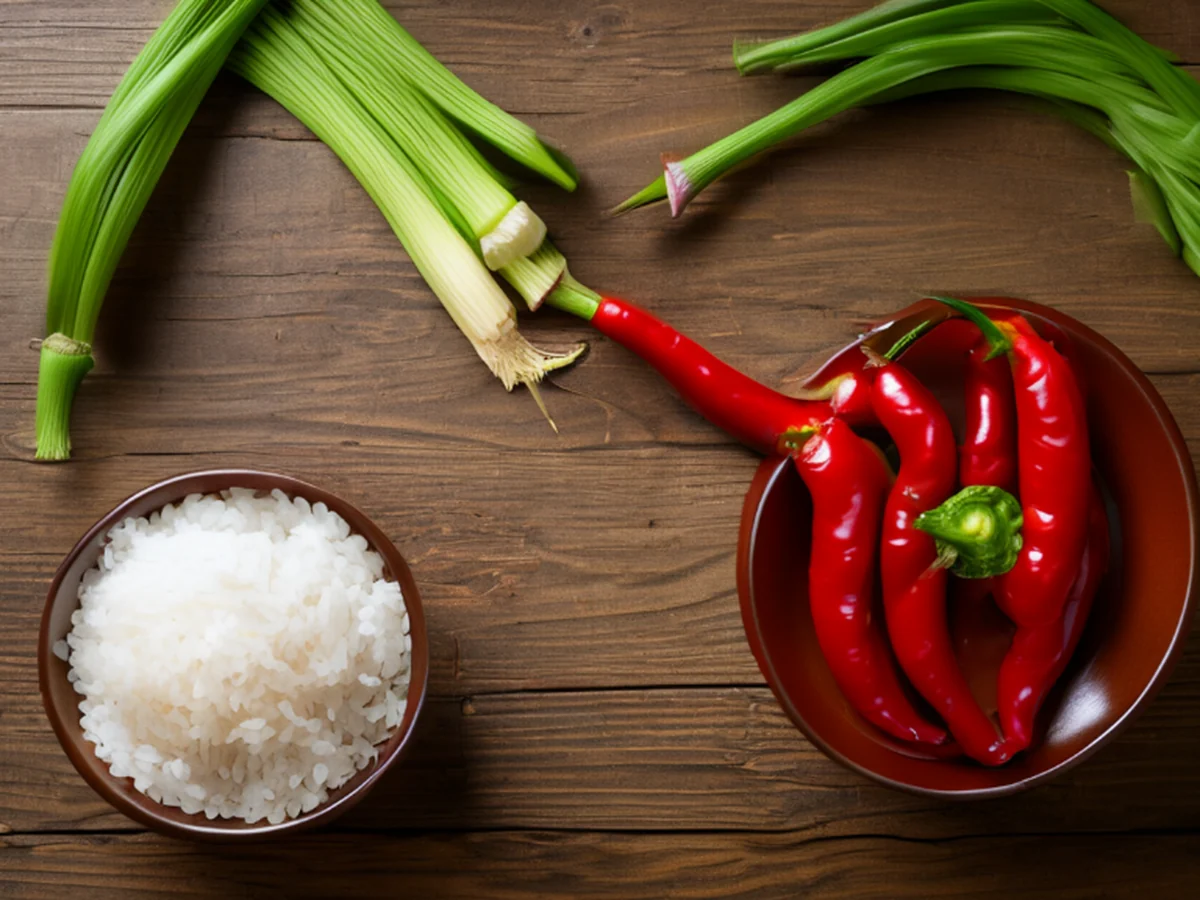
Key takeaways: 1. Dry beef-flavored ramen contains approximately 441 kcal and 17.7g of fat per 100g. * Characteristic noodle shapes often involve straight sticks measuring 15 to 20 cm. * High sodium and spice levels can mask the natural profile of ingredients like iron or zinc.
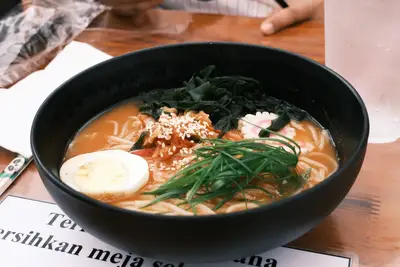
Is the spice in this ramen actually flavorful? As the sun sets over the bustling market, I lift a heavy ceramic bowl and feel the stinging heat of the southeast chili oil coat my tongue.
A person lifts a heavy ceramic bowl, the steam rising in a thick cloud that smells of chili and salt. The red oil clings to the sides of the 15 to 20 cm long straight sticks, making the noodles look vibrant and intimidating.
The intensity of spicy Southeast Asian noodles often comes from capsaicin-heavy oils that hit the palate immediately. While this provides a sensory thrill, it can overshadow the subtle nuances of the broth.
Many consumers seek this heat as a primary driver of taste, but the actual flavor profile is often much narrower than traditional savory soups.
Spicy Southeast Asian noodles can sometimes lack the depth found in milder varieties. When the spice is too dominant, the base ingredients like fermented pastes or garlic become secondary. This creates a singular experience where the heat is the only identifiable characteristic.
However, the perception of spice may be limited if the heat overwhelms the subtle aromatic notes of the broth.
How does the nutritional profile of spicy noodles compare? Southeast Asian spicy ramen
A diner stares at the nutrition label on a colorful plastic packet, comparing the numbers to their daily intake. The bright packaging promises a bold experience, but the data tells a story of carbohydrates and fats.
The nutritional content of these noodles is significant, particularly regarding energy density. According to USDA FoodData Central, dry beef-flavored ramen contains 441 kcal and 17.7g of fat per 100g. This energy-dense profile is common in processed noodles designed for quick consumption.
| Nutrient (per 100g) | Any Flavor (Dry) | Beef Flavor (Dry) |
|---|---|---|
| Calories | 440 kcal | 441 kcal |
| Carbohydrates | 60.3g | 60.3g |
Comparing these figures shows that the calorie difference between different flavors is minimal. I noticed that the beef flavor specifically provides 3.93mg of iron and 3g of dietary fiber.
This comparison helps clarify that the "spicy" label refers to the sensory experience rather than a massive shift in caloric density.
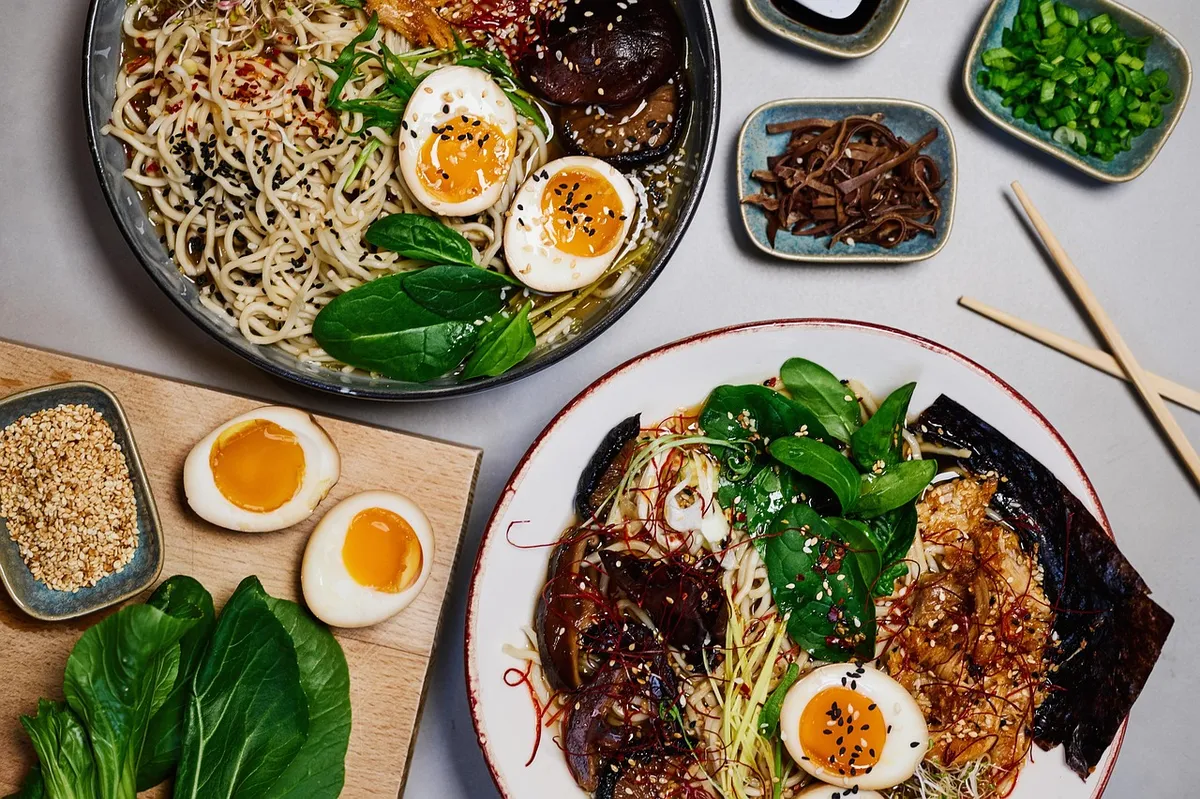
The presence of spice does not change the fundamental caloric content of the ingredients.
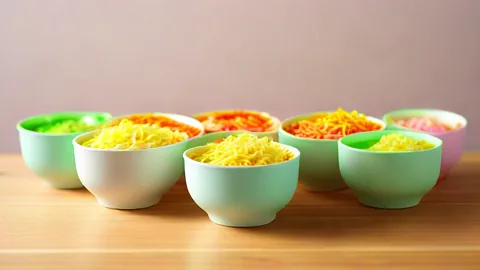
What do these noodles actually look and feel like? A chef pulls a bundle of dried noodles from a package, noting the rigid texture of the dried strands. The noodles are straight and firm, requiring careful handling to avoid breakage during the boiling process.
These noodles are characteristically sold dried into straight sticks around 6 to 8 in (15 to 20 cm) long. This shape is designed to hold the spicy oils and thick broths effectively. The texture of the noodle itself acts as a vehicle for the intense seasoning.
Authentic spicy ramen taste is often tied to how the noodle absorbs the broth. The thickness and length of the noodle can change the way the spice is released in the mouth. A thicker noodle might provide a more substantial chew to balance the sharp heat.
The texture may vary depending on the specific starch composition used in the dough.
Can you manage the heat during a meal?
A person reaches for a glass of water, but the heat remains even after a long sip. They decide to adjust their eating pace to prevent the spice from becoming overwhelming.
To enjoy spicy Southeast Asian noodles without losing the flavor profile, follow these steps:
- Dilute the spice by adding a small amount of hot water or unsalted broth to the bowl. 2. Pair the meal with a neutral side, such as plain rice, to cleanse the palate. 3. Slow down the consumption rate to allow the tongue to recover between bites.
A final check of the bowl ensures the ratio of noodles to broth is balanced before every bite. This helps maintain a consistent experience throughout the meal.
The effectiveness of these methods is limited if the spice level exceeds a certain threshold.
Does the spice mask the nutritional value?
A student sits at a small desk, checking the vitamins listed on the back of a ramen packet. They wonder if the intense spice makes it harder to appreciate the actual nutrients they are consuming.
The presence of spice does not change the essential nutrients, but it can change how we perceive them. For instance, beef-flavored ramen provides 0.61mg of zinc and 111ug of folic acid per 100g. The sensory overload of heat might make these subtle nutritional elements feel irrelevant to the eater.
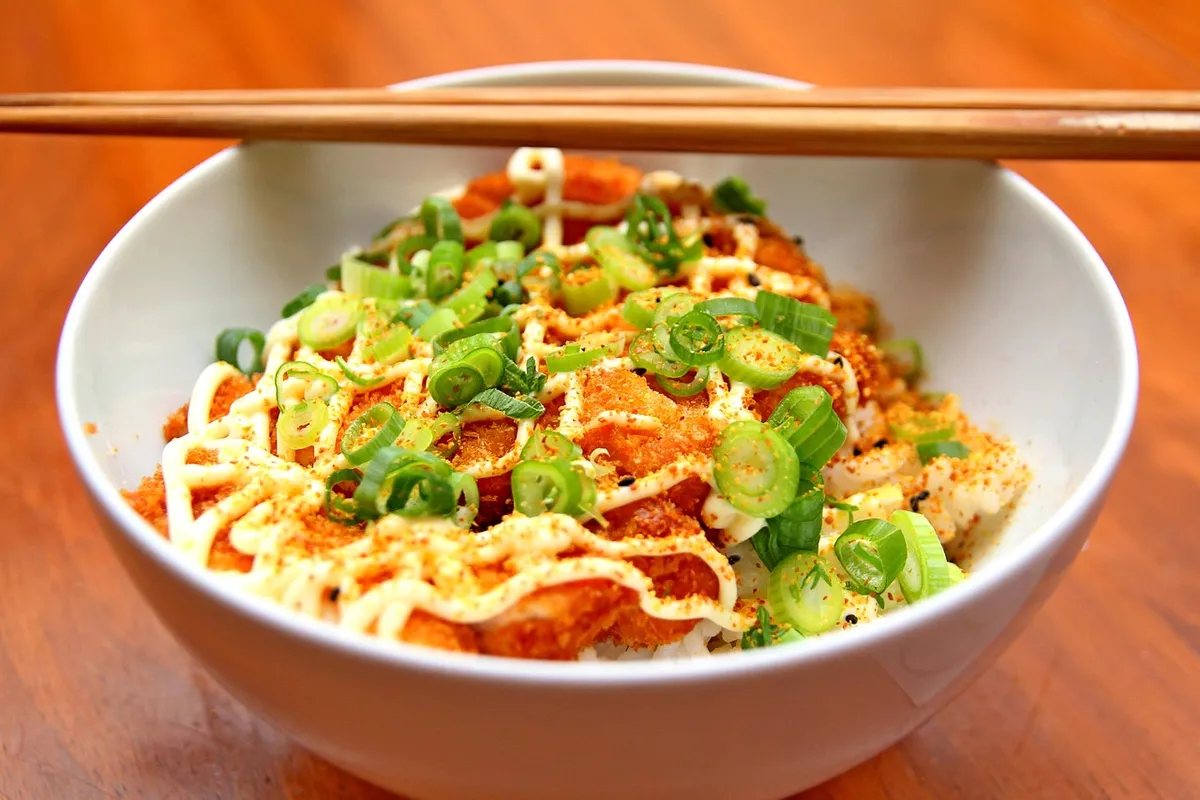
Spicy Southeast Asian noodles are often consumed as a quick, high-calorie meal. While the heat is prominent, the underlying nutrients like calcium (21mg) and potassium (177mg) remain present in the dry weight. Understanding these values helps in making informed dietary choices.
The sensory experience of heat does not alter the actual chemical makeup of the food.
- Is the spice in this ramen actually flavorful?
- How does the nutritional profile of spicy noodles compare?
- What do these noodles actually look and feel like?
The same subject is also called Southeast Asian noodle review.
The same subject is also called Spicy noodle flavor analysis.
This part also covers Is Southeast Asian spicy real.
This part also covers Comparing spicy noodle flavors.
Related
- SE Asia ramen spice review: 440kcal density guide
- Best spicy Southeast Asian ramen: Why choose the right bowl?
How does the heat affect the noodle's integrity?
The straight sticks, when subjected to boiling water, maintain their structural integrity if cooked correctly. The initial rigidity of the noodle allows it to absorb the flavorful liquids without immediate disintegration.
This structure is crucial because the noodle acts as the primary medium through which the broth's seasoning is delivered to the palate. The thickness of the noodle dictates how much of the intense heat lingers after the initial burst of flavor.
When the noodle absorbs the broth, the capsaicin oils are distributed throughout the matrix of the noodle itself. This absorption process is what allows the heat to persist throughout the eating experience.
A longer, thicker noodle might carry a greater volume of this infused liquid, leading to a sustained sensation of heat.
If the noodle structure is compromised, the release of the broth's potent seasoning becomes uneven. A well-formed noodle ensures a steady delivery of the complex interplay between the savory base and the sharp heat.
The structural impact is limited if the noodles are served immediately after preparation.


Comments 0