SE Asian noodle spice level: Why fats affect the sharp sting
"How much heat is too much when the spice hits the back of the throat?"
Evaluating SE Asian noodle spice level requires looking beyond the immediate sting to understand the balance of aromatics and heat. This guide explores how to judge the intensity of various regional flavors through sensory profiling and heat stability.
You will learn how to identify the true heat of a broth, how to distinguish between chili and spice, and how to assess the lingering finish.
How hot is it really?
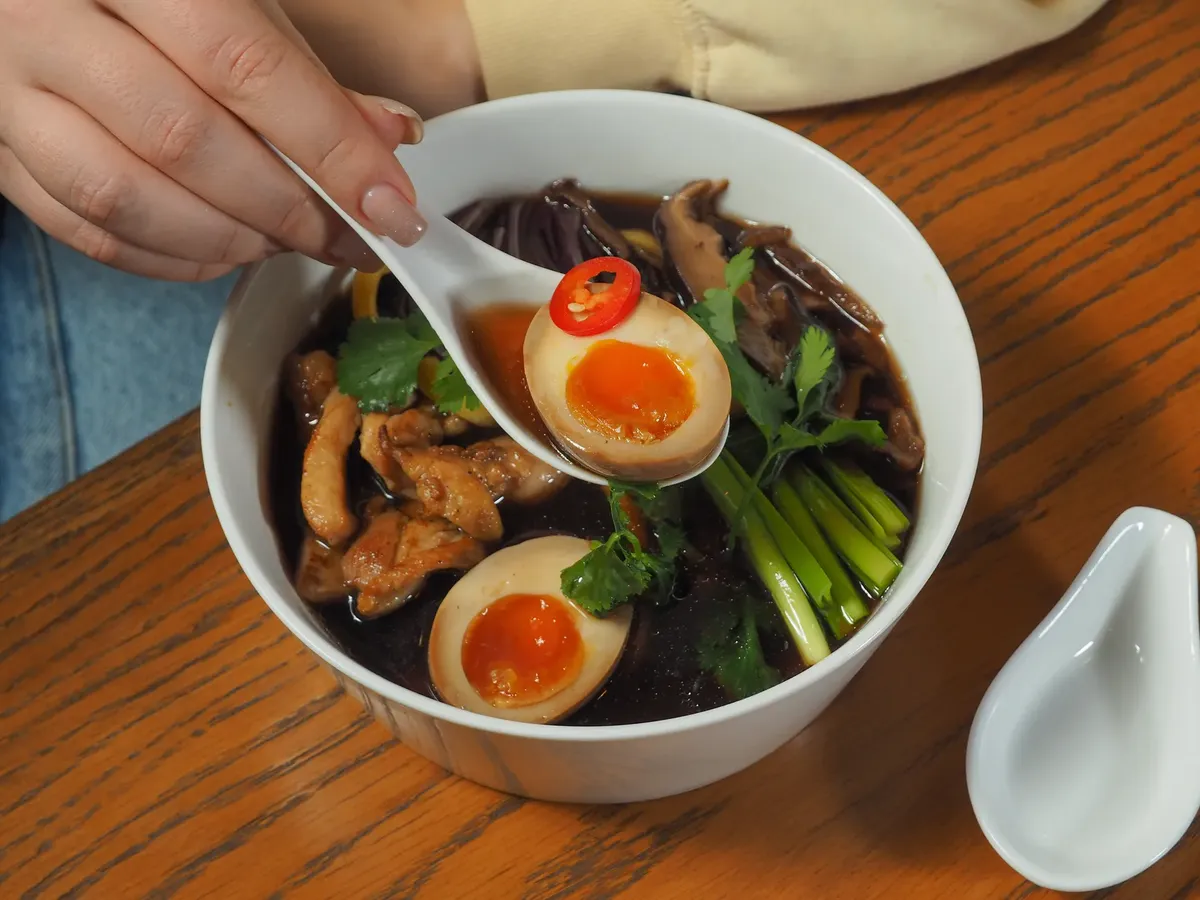
At the crowded market stall, I watch the red oil swirl in the bowl and feel a sudden, sharp sting in my nose from the pungent asian broth.
A steaming bowl of noodles sits on a wooden table, the steam carrying a sharp, pungent aroma that tickles the nose. To judge the heat, one must look at the color of the oil and the density of the spice particles.
The first step in a hot noodle taste test is observing the visual intensity against the actual sensation.
A true assessment involves checking how the spice interacts with the noodles. Some varieties use dried flakes that provide a sudden burst, while others use infused oils that coat the tongue. Understanding this distinction is key to a reliable spicy ramen rating.
The intensity of a spice profile often depends on the base ingredients like shrimp paste, lemongrass, or dried chilies. For a consistent authentic heat standard, one must evaluate if the heat masks the savory notes or enhances them.
If the heat overwhelms the salt and umami, it is an unbalanced profile.
- Assess the Scoville scale measurement.
- Identify the capsaicin concentration.
- Gauge the immediate sensory impact.
Judging the heat SE Asian noodle spice level
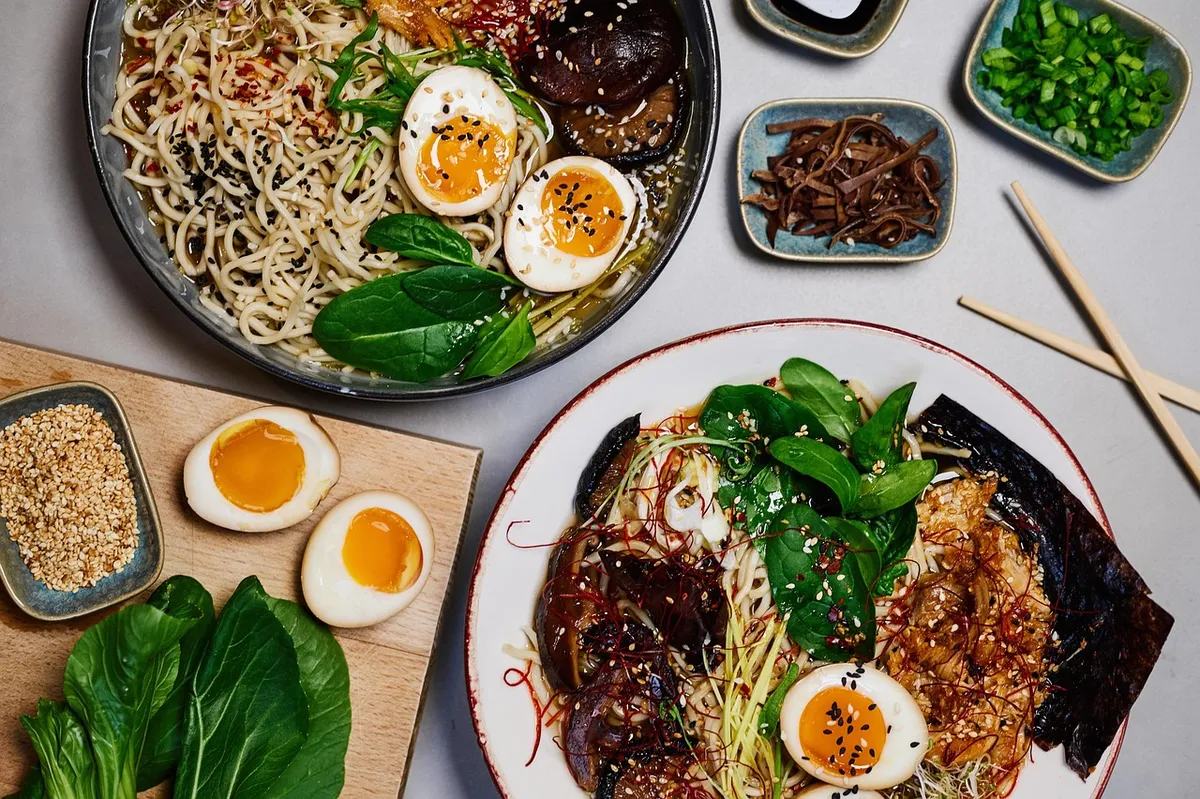
A person takes a single, careful spoonful of the broth, feeling the temperature and the spice hit simultaneously. To conduct a proper evaluation, you should follow a specific sensory sequence to ensure the spice does not cloud your judgment.
- Smell the aroma first to identify the type of pepper or chili used. 2. Take a small sip of the broth alone to gauge the pure spice concentration. 3. Slurp the noodles to see how the heat carries through the texture.
I remember testing a particularly dark, red broth where the heat felt heavy on the tongue rather than sharp. This specific experience highlighted how much the texture of the soup affects the perception of spice. To finish the assessment, check if the heat remains consistent after the meal.
In this sequence, the second step is the longest.
What's actually in it? A grocery store shelf is lined with colorful packages, each promising a different level of intensity. The label might say "extra spicy," but the actual sensation can vary wildly between different regional brands.
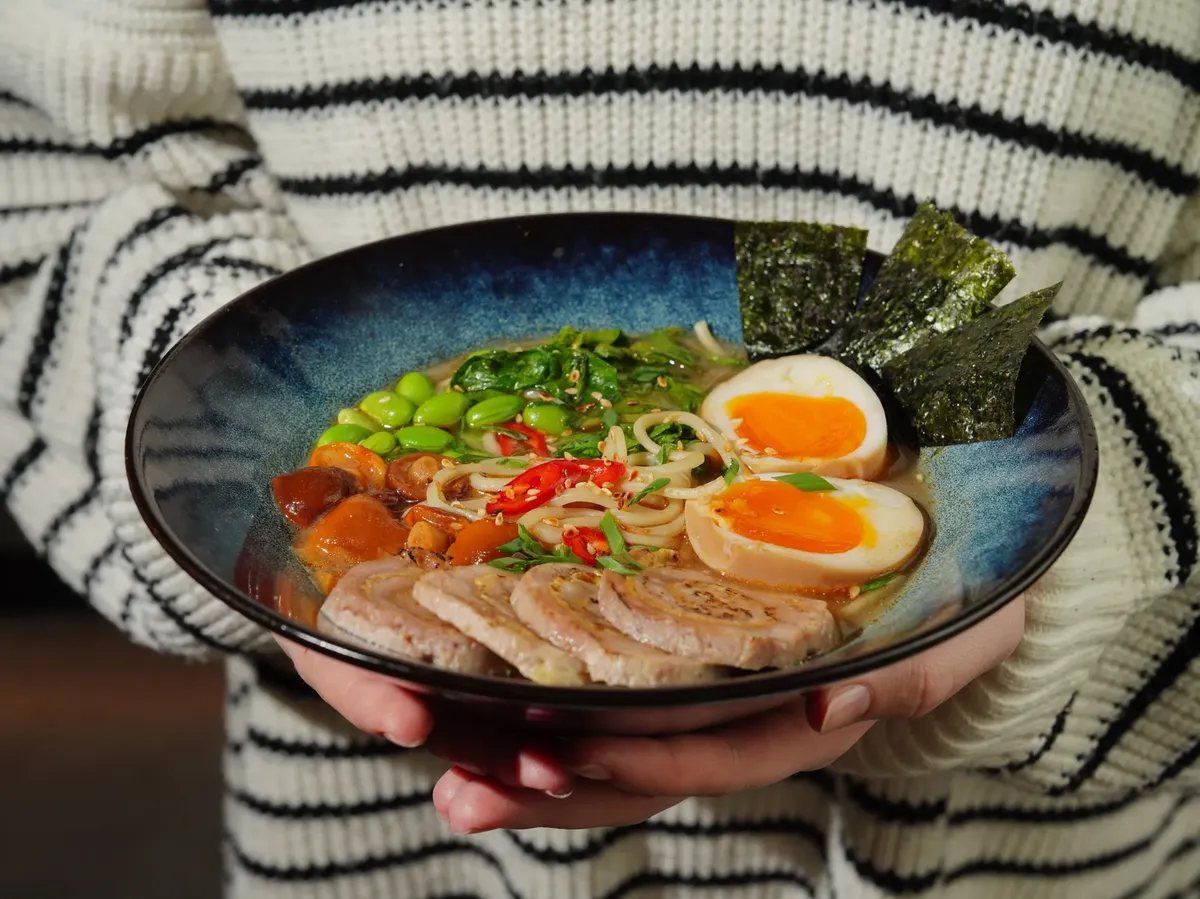
A common pitfall is assuming all red noodles are equally spicy. Some are sweet and mild, while others are purely about the capsaicin kick. An authentic heat standard requires tasting the nuance of the seasoning.
The spice level can be influenced by the presence of fats or sugars in the soup. For instance, a high fat content can coat the mouth and slightly dampen the sharp sting of chilies. This makes the heat feel more gradual and rolling.
How to evaluate the spice profile
A bowl of noodles is placed in front of a group, and everyone prepares to taste. Evaluating an SE Asian noodle spice level requires a systematic approach to ensure every person experiences the same intensity.
| Measurement Factor | Sensory Focus |
|---|---|
| Immediate Heat | The initial sting on the lips and tongue |
| Lingering Heat | The afterburn that remains after swallowing |
The goal is to determine if the spice is a primary flavor or a background element. If the heat is too high, it may prevent the consumer from tasting the delicate herbs. Balancing the spice with the salt and acidity is the hallmark of a well-crafted noodle.
Understanding spice limitations
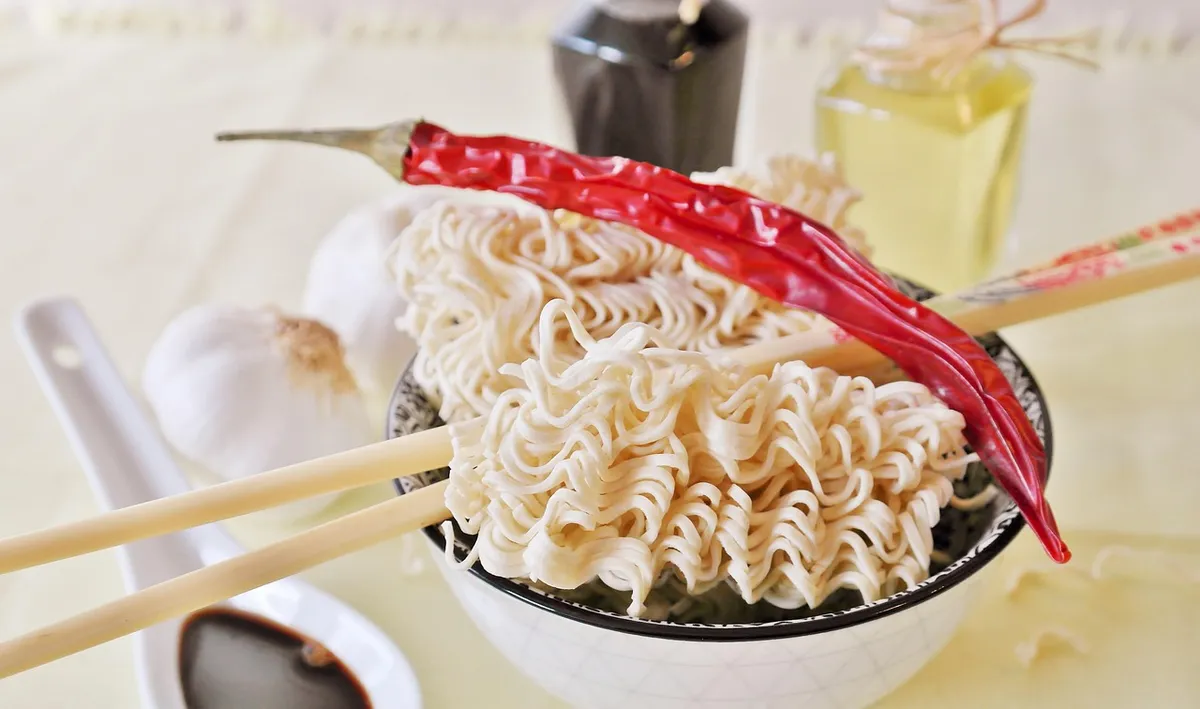
The kitchen air is thick with the scent of boiling water and spice as the pot bubbles on the stove. It is important to note that individual tolerance varies, making a universal heat scale difficult to establish.
A limitation of any spice test is that the physiological response to capsaicin differs from person to person. This means a "medium" rating for one person might be "extreme" for another. Additionally, the specific heat level is limited to the ingredients provided in the specific batch.
The same subject is also called Noodle spice guide.
This part also covers Beyond the label.
Related
Is the much heat sustainable?
The initial rush of much heat provides immediate feedback on the chili content. However, the sustainment of that heat offers insight into the quality of the infusion. If the much heat persists without fading, it suggests a slow-releasing component in the broth.
This slow burn contrasts with a sudden, transient spike.
The body's reaction to the much heat also signals the composition of the broth. A complex, layered much heat suggests various agents are contributing to the sensation. A simple, singular much heat implies a more direct, perhaps less nuanced, application of spice.
How does the much heat compare?
Comparing the much heat across different bowls reveals the chef's intent. One broth might build its much heat slowly, allowing other flavors to emerge alongside it. Another might deliver a much heat upfront, demanding immediate attention from the palate.
The difference lies in whether the much heat acts as a companion or a dominant force. When the much heat enhances the savory depth, it is successfully integrated. When it dominates, it suggests the much heat is overpowering the intended flavor profile.
This comparison dictates the overall success of the dish.
When is the much heat truly present?
The much heat is truly present when the initial sensation on the palate transitions into a sustained warmth that develops throughout the swallowing process. This transition indicates that the agents causing the warmth are not merely volatile oils but components integrated into the broth's body.
A transient spike suggests surface contact, whereas a developing much heat implies deeper saturation.
This sustained presence of much heat suggests a careful layering of ingredients, perhaps including slow-releasing aromatics or fats that carry the capsaicinoids. If the much heat arrives immediately and remains constant, it points toward a singular, high concentration of the primary heating agent.
Conversely, if the much heat arrives gently and builds, it suggests a thoughtful combination of ingredients whose effects compound over time on the palate.
Wikipedia: Southeast Asia Based on the retained excerpt mentioning Association of Southeast Asian Nations (ASEAN): All eleven countries of Southeast Asia are members of the Association of Southeast Asian Nations (ASEAN).
FAQ
How can I tell if the spice is too much?
What is the best way to judge spice?
Related posts
Popular posts

Best ramen monthly ranking: Taste matters for global demand
Best spicy Southeast Asian ramen: Why choose the right bowl?
Chinese noodle extra size trend: Guide to big serving appeal

Comments 0