Spicy ramen taste: Why spicy ramen is popular in Europe how
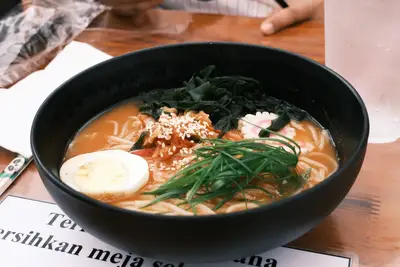
"The heat from a bowl of spicy noodles often lingers long after the last slurp, creating a sensory experience that transcends simple hunger."
This trend is particularly strong among urban consumers seeking intense sensory stimulation through heat.
* Intense flavor profiles that satisfy the craving for heat. * High accessibility of key spicy ingredients in local markets. * Strong cost-effectiveness compared to traditional restaurant dining. * High repeat-purchase rates driven by the "spicy challenge" culture.
Why is spicy ramen popular in Europe?
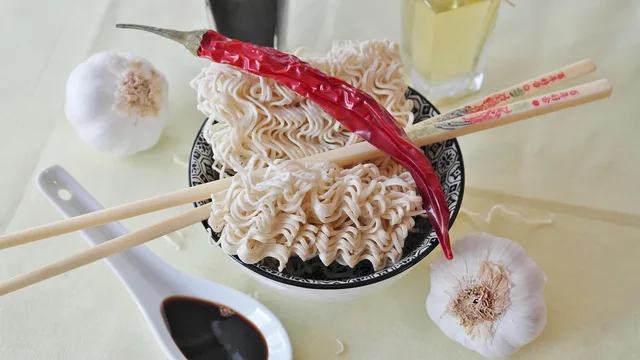
A diner sits in a dimly lit Berlin cafe, steam rising from a deep red broth as they take the first stinging bite. This phenomenon, often referred to as why spicy ramen is popular in Europe, is driven by a shift in palate preferences toward high-intensity flavors.
The spicy ramen trend in Europe is not merely a passing fad but a structural shift in how quick-service meals are perceived. Consumers look for a "kick" that provides a momentary escape from the routine, making the heat a central part of the dining experience.
This craving for intensity is a primary driver for the rep in the European market.
What exactly makes this spicy ramen taste so good?
A chef in a London kitchen carefully balances dried chili flakes with fermented pastes to ensure the heat is not one-dimensional. Understanding the spicy ramen taste and ingredient analysis requires looking at how heat interacts with savory bases.
According to USDA FoodData Central, raw European black currants contain 181mg of vitamin C per 100g.
The goal is to achieve a balance where the capsaicin enhances, rather than masks, the underlying umami of the broth.
The complexity of the taste comes from combining these savory elements with high-heat peppers.
This synergy between salt, fat, and spice creates the addictive quality that characterizes the European spicy ramen craze.
How does cost-effectiveness influence the spicy ramen popularity Europe?
An office worker in Paris opens a steaming cup of instant spicy noodles during a quick lunch break, enjoying a meal that costs a fraction of a sit-down lunch. When examining the spicy ramen popularity Europe, the economic factor is undeniable.
For many, these noodles offer a high-impact flavor experience at a very low price point.
The ability to replicate a complex, spicy restaurant-style meal at home using affordable instant packs makes this a sustainable habit. This cost-effectiveness allows consumers to experiment with various heat levels without a significant financial commitment.
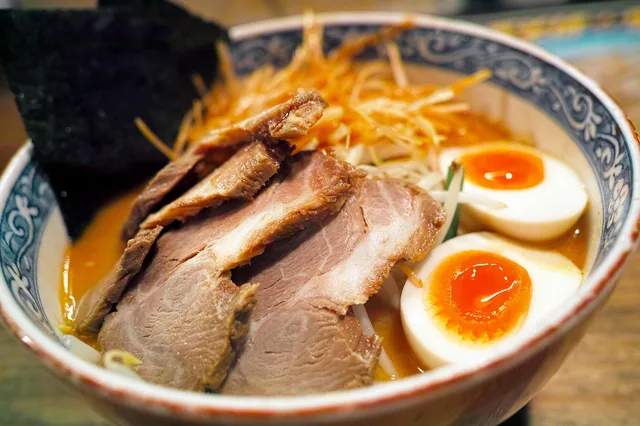
The value proposition is a key reason why the rep remains consistent across different demographic groups.
Why do I keep coming back for this spicy ramen?
A student in Madrid scrolls through social media, looking at videos of others attempting to finish an extremely spicy bowl of noodles. This social aspect significantly boosts the spicy ramen repeat purchase rate.
The "challenge" element turns a simple meal into a shared cultural event, encouraging people to buy the same product repeatedly to test their limits.
The psychological satisfaction of enduring the heat and the subsequent "reward" sensation creates a loop of consumption. This cycle of seeking the next level of heat is what keeps the product moving through supermarket aisles.
Consumers do not just buy it once; they seek out specific brands that consistently deliver a reliable level of spice.
How to evaluate ramen using a six-factor analysis?
A food critic sits at a wooden table, pen in hand, ready to dissect a bowl of red-tinted noodles. To truly understand the impact of these dishes, one must apply a structured evaluation method. This process ensures that the assessment goes beyond simple "hot or not" judgments.
- Taste: Assess the balance between heat, salt, and umami. 2. Ingredients: Evaluate the quality and authenticity of the spice sources. 3. Cost-effectiveness: Compare the perceived value against the price paid. 4. Texture: Check the chewiness and integrity of the noodles in the broth. 5. Aroma: Note the immediate olfactory impact of the spices. 6. Repeat Potential: Determine the likelihood of purchasing the item again.
After completing these steps, perform a final check to see if the flavor profile remains consistent throughout the entire bowl. I found that applying this method helped me distinguish between cheap heat and sophisticated spice.
This structured approach is essential for anyone looking to master the spicy ramen trend in Europe.
Comparison of Flavor Profiles
| Feature | Mild Traditional Ramen | Spicy Trend Ramen |
|---|---|---|
| Primary Sensation | Savory/Umami | Heat/Intensity |
| Flavor Complexity | Low to Moderate | High |
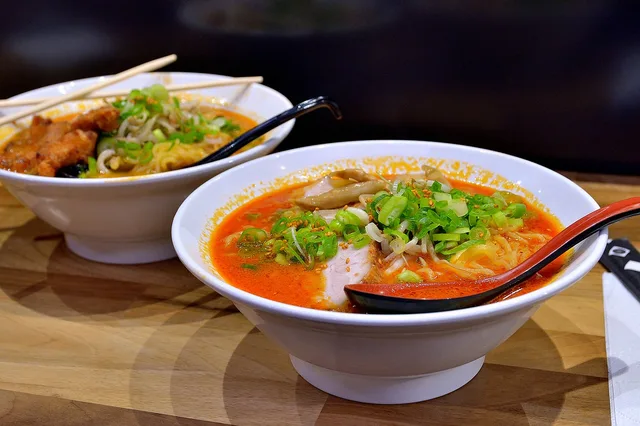
The limitation of this analysis is that it focuses on the sensory and economic drivers rather than the long-term health implications of high-sodium, high-heat diets.
- The popularity of spicy ramen in Europe stems from a unique intersection of bold flavor profiles, accessible ingredient availability, and a high repeat-purchase rate among adventurous eaters.
- This guide explores why these spicy varieties are dominating the European market through a six-factor analysis of taste, ingredients, cost-effectiveness, and consumer habits.
- European consumers are increasingly moving away from mild, traditional profiles toward the complex, multi-layered heat found in Asian noodle dishes.
Related
- Ramen spice truth analysis: See how flavor map reveals truth
- African ramen spice level guide: How to best assess heat
How does the bowl of noodles satisfy the consumer?
- The intense heat from the bowl of noodles provides a powerful, immediate sensory signal to the eater. 2. This signal functions as a brief diversion from everyday life, offering a perceived moment of excitement. 3. The sustained heat encourages prolonged engagement with the bowl, extending the dining experience beyond basic sustenance.
The psychological effect of the heat is what makes the bowl of noodles so compelling to the adventurous eater. This stimulation goes beyond simple satiation, engaging the consumer's desire for a notable experience.
What does the ingredient selection imply about the bowl?
- The selection of ingredients demonstrates a deliberate effort to create a layered flavor experience within the bowl. 2. Combining savory elements with high-heat peppers ensures the capsaicin interacts constructively with the broth's base. 3. This careful balancing prevents the heat from overwhelming the underlying umami, a key aspect of the bowl's success.
The careful ingredient selection shows that the creation of the bowl is an art form, not just a quick assembly. The consumer perceives this complexity when they taste the bowl.
What is the caution regarding the sensory experience?
- The lingering heat from the bowl of noodles requires the consumer to manage the intensity over time. 2. This sustained sensation is what differentiates the spicy trend from a simple, fleeting meal. 3. Consumers must be mindful of the heat level to maintain enjoyment throughout the bowl.
The sensory journey associated with the bowl of noodles is designed to be memorable, which is why the repeat purchase rate remains high. Consumers seek this specific, prolonged feeling.




Comments 0