African ramen spice level guide: How to best assess heat
"The true standard of heat is not found in the number of peppers, but in the depth of the spice profile that lingers on the palate long after the bowl is empty."
African ramen spice level is defined by a complex layering of regional seasonings rather than pure capsaicin intensity. This guide explores how specific spice usage in ramen history shapes these flavors, provides a comparison of nutritional profiles, and details the steps for assessing heat.
While flavor profiles vary widely by region, the standard is established through the integration of aromatic spices and heat.
* Understanding the layering of regional spices. * Comparing nutritional data between ramen varieties. * Evaluating the depth of the flavor profile.
How spicy is African ramen?
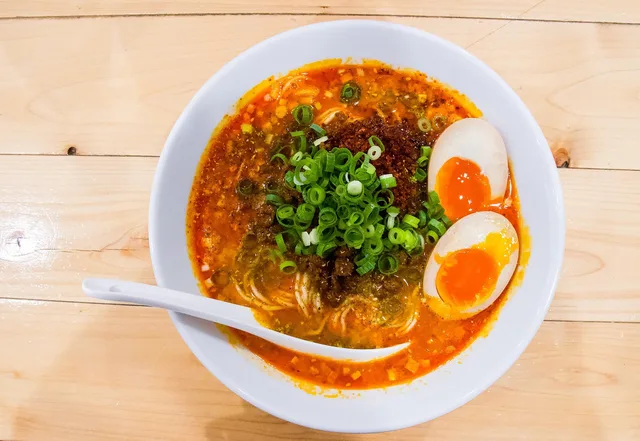
A chef carefully stirs a heavy wooden spoon through a bubbling pot of dark, aromatic broth in a bustling kitchen. The steam carries notes of dried peppers and earthy seasonings that define the African ramen spice level.
This heat is not a singular strike to the tongue but a gradual build that interacts with the noodle's texture.
The true heat ramen standard relies on the synergy between base savory notes and pungent spices. Instead of relying solely on chili oil, many preparations utilize a blend of dried aromatics to ensure the spice permeates the entire dish.
This method ensures that the heat remains a consistent part of the meal rather than an overwhelming distraction.
Analyzing African ramen taste requires looking at how heat interacts with the starch of the noodles. The spices are often toasted before being added to the broth, which alters the chemical release of flavor.
This process creates a deep ramen flavor profile that distinguishes it from lighter, vinegar-based spicy varieties.
However, the perceived intensity may vary depending on an individual's personal tolerance to capsaicin.
How do the spices change the ramen seasoning?
In the dim kitchen at midnight, I sprinkle the reddish powder and feel the warmth of the African seasoning rising against my skin.
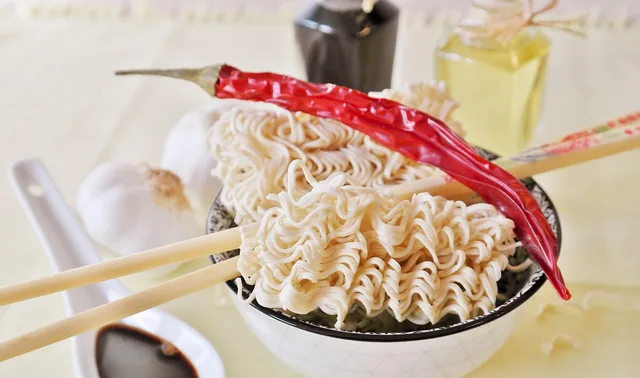
A cook sprinkles a fine, reddish powder over a steaming bowl of noodles, watching the grains settle into the surface tension of the soup. This specific African ramen seasoning is often a combination of local peppers and salt to enhance the savory base.
The seasoning acts as a bridge between the carbohydrate-heavy noodles and the liquid broth.
The impact of spices on the overall dish is significant for both taste and texture. According to USDA FoodData Central, dry beef flavor ramen noodles contain 17.7g of fat and 60.3g of carbohydrates per 100g.
The way spices interact with these fats can either mask or highlight the richness of the broth.
Spice usage in ramen history shows a transition from simple pepper additions to complex, fermented spice pastes.
These pastes provide a foundation that allows the heat to feel "round" rather than "sharp." I observed how a single spoonful of a concentrated spice paste could transform a plain broth into a complex, multi-layered experience.
However, excessive spice application can sometimes mask the underlying savory notes of the broth.
How do different ramen types compare nutritionally?
A person sits at a wooden table, glancing at the nutritional label on a dry package of beef-flavored noodles. They note the specific breakdown of vitamins and minerals before preparing the meal. Comparing different flavors helps in understanding the baseline components of these quick meals.
The USDA FoodData Central provides information relevant to the nutritional comparison of ramen types.
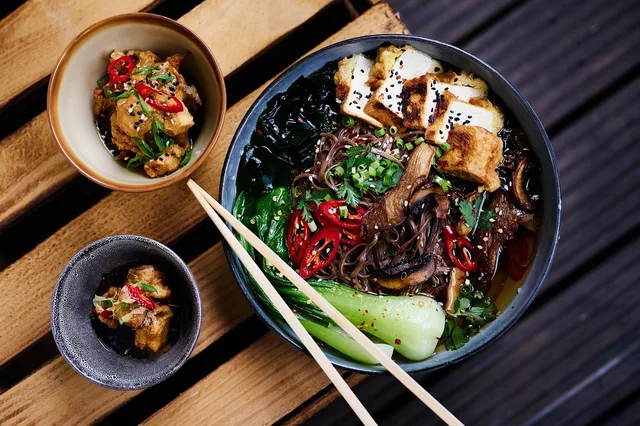
The following table compares the nutritional content of standard dry ramen versus beef-flavored dry ramen based on 100g portions.
| Nutrient (per 100g) | Any Flavor (Dry) | Beef Flavor (Dry) |
|---|---|---|
| Calories | 440kcal | 441kcal |
| Iron | Not specified | 3.93mg |
| Vitamin C | 0.3mg | 0.6mg |
I compared these figures to see how much the beef flavoring specifically adds to the mineral content. While the calorie counts remain nearly identical, the beef flavor provides a slightly higher concentration of certain micronutrients.
However, these comparisons do not account for specific dietary sensitivities or individual metabolic differences.
What are the steps to evaluate ramen heat?
A diner lifts a tangle of noodles with chopsticks, bringing the steaming broth close to their face to inhale the aroma. They prepare their palate for the expected intensity of the spice. Evaluating the heat is a sensory process that involves more than just the initial bite.
- Inhale the steam to detect the primary aromatic spices used in the base. 2. Taste a small amount of the broth alone to identify the immediate capsaicin hit. 3. Consume a noodle to see how the starch and fats temper the spice.
After completing these steps, perform a final check by noticing how long the heat sensation persists on the back of the throat. A high-quality spice profile will leave a warm, lingering sensation rather than a sharp, stinging pain.
- Observe the color and oil consistency of the broth.
- Inhale the aromatic steam to gauge initial pungency.
- Taste a small amount of the liquid to assess the heat level.
Does the condition of the noodles affect the spice?
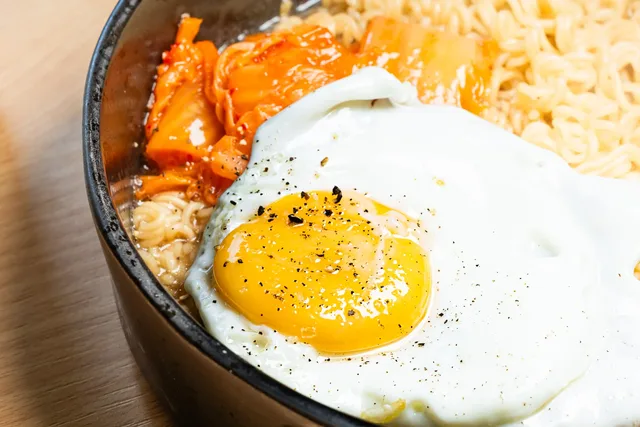
A person pours boiling water into a container, watching the dry noodles soften and expand in the heat. The texture of the noodle is critical to how the spice is perceived during the meal. The physical state of the ramen can change the eating experience.
If the noodles are overcooked and become too soft, the ability of the spice to cling to the surface is diminished. In this specific condition, the beef flavor ramen noodles, which contain 3g of dietary fiber, may lose some of the structural integrity needed to carry the heavy seasonings.
A firm, al dente texture is necessary to ensure the spice and the noodle are experienced as a single unit.
I find that the third step in this process is the most critical for determining texture.
Related
- Ramen value analysis: Premium ramen value analysis tips
- Chinese ramen spice value: How to best guide flavor tips
How does the initial aromatic profile relate to the true standard?
The initial aromatic profile sets the stage for the true standard of heat before any significant capsaicin is encountered. A chef notices the volatile oils released when the dried aromatics are introduced to the hot liquid.
This early scent provides a preview of the complex layering that the palate will experience later.
The integration of these aromatic spices is what establishes the true standard, moving beyond simple heat measurement. When the spices are toasted, the resulting compounds are released in a way that is distinct from simply adding raw chili powder.
This toasting procedure fundamentally changes the flavor interaction.
Comparing the initial scent to the final lingering sensation illustrates the depth of the spice profile. A successful preparation balances the bright, immediate notes with the deep, resonant heat that remains on the tongue. This balance is key to the true standard.
However, the scent may not always accurately predict the actual heat experienced during consumption.
What cautions should be observed when assessing the lingering heat?
A diner must exercise caution when assessing the lingering heat because the sensation can evolve over time. The initial sharp bite might subside, only for the deeper, earthy notes to become more pronounced as the noodles soften further. This change requires patience during the evaluation process.
It is a caution that the heat is not static; the interaction between the broth's fats and the spice compounds shifts as the meal progresses. The initial assessment focuses on the immediate impact, but the true standard is judged by the sustained warmth.
When comparing the initial taste to the final warmth, one must consider the noodle's role. The starch acts as a carrier, moderating the spice release, and this moderation is a condition that must be accounted for in the evaluation. This ensures a complete assessment of the spice profile.





Comments 0