Ramen 440kcal guide Costa Rican ramen culture tips
"Noodles have crossed oceans to become more than just a quick meal; they have become a reflection of a nation's changing culinary landscape."
Costa Rican ramen culture has evolved through a blend of global convenience and local dietary patterns. This guide explores how these noodles integrate into Central American life, providing a look at nutritional profiles and cultural shifts.
Key takeaways include the caloric density of dry ramen, the role of official census data in understanding consumption, and how local culinary traditions influence noodle preparation.
How has Costa Rican ramen culture evolved?

A cook stirs a steaming pot of water in a small kitchen in San José, watching the steam rise against the morning light. This evolution of Costa Rican ramen culture is a fascinating study of how imported food staples adapt to local preferences.
The presence of these noodles in local markets reflects a broader South America noodle trend where convenience meets cultural necessity.
The development of this cuisine is not merely about flavor but about the integration of global food staples into the daily rhythm of life. While traditional dishes remain the heart of the nation, the rise of quick-service noodles has changed the way people consume calories during busy workdays.
Understanding this shift requires looking at how local preferences influence the way these meals are prepared and consumed.
What is the nutritional profile of ramen?
A person reads a nutrition label on a bright yellow package in a brightly lit grocery store. The nutritional composition of these noodles varies based on the specific seasoning used. According to USDA FoodData Central, dry ramen with any flavor contains 440kcal and 60.3g of carbohydrates per 100g.
The specific ingredients can change the macro and micronutrient balance significantly. For instance, dry beef flavor ramen contains 441kcal and 17.7g of fat per 100g. This specific variety also provides 3g of dietary fiber and 3.93mg of iron per 100g.
I once compared these labels while planning my weekly meal prep to see how they fit into my daily caloric intake.
| Component (per 100g) | Any Flavor (Dry) | Beef Flavor (Dry) |
|---|---|---|
| Calories | 440kcal | 441kcal |
| Carbohydrates | 60.3g | 60.3g |
How does local ramen history shape the taste?
During the humid afternoon, I smell the rich broth of ramen while sitting in a bustling street market.
A vendor slices fresh vegetables in a bustling market, preparing for the midday rush. Local ramen history is deeply intertwined with the availability of ingredients in the region.
While the core concept of the noodle is global, the implementation of these recipes often reflects the specific tastes of the local population.
This flavor profile is not static but shifts as new ingredients become available. The way these noodles are seasoned reflects the specific culinary evolution of the region. Analyzing these patterns helps us understand how a single food item can become a staple through cultural adaptation.
What influences the Central American noodles market?

A merchant counts coins in a small shop located near a busy transit hub. The market for Central American noodles is influenced by several economic and social factors. The availability of various brands and flavors determines how widely these products are integrated into the local diet.
Data regarding population trends and consumer habits are essential for understanding this market.
The National Institute of Statistics and Census of Costa Rica (Instituto Nacional de Estadística y Censos de Costa Rica, or INEC, in Spanish) is the governmental institution entrusted with the running of censuses and official surveys in the country.
This data helps economists track how food consumption patterns change over time.
How to prepare ramen for a balanced meal?
A student waits for the water to boil, checking the time on a digital clock. To incorporate these noodles into a more structured meal, follow these steps:
- Boil the dry noodles in water until they reach the desired texture. 2. Drain the water or use the seasoning packet to create a concentrated broth. 3. Add fresh vegetables or a protein source to increase the nutrient density.
After following these steps, check that the seasoning level is palatable for your specific taste. Note that this method is a general guide for preparation and does not guarantee specific nutritional outcomes.
Are there limitations to studying this culture?
A researcher looks at a map of San José, noting the density of food outlets. Studying these trends is limited by the lack of specific localized studies focusing exclusively on the ramen industry.
Does the nutritional content vary by flavor?
What is the role of the INEC?
The study of how global noodles integrate into local diets provides a window into broader cultural shifts. From the caloric density of the noodles to the statistical tracking of population habits, each element contributes to a larger picture of food evolution.
How do nutritional values compare?
Comparing the nutritional values reveals that the calorie count differs slightly between varieties. While dry ramen with any flavor contains 440kcal, the beef flavor variant contains 441kcal. Both versions maintain the same carbohydrate level of 60.3g per 100g.
This comparison shows that the addition of beef flavoring results in a marginal increase in total calories.
What should a consumer consider when preparing these noodles?
Consumers should consider the following conditions when preparing a meal:
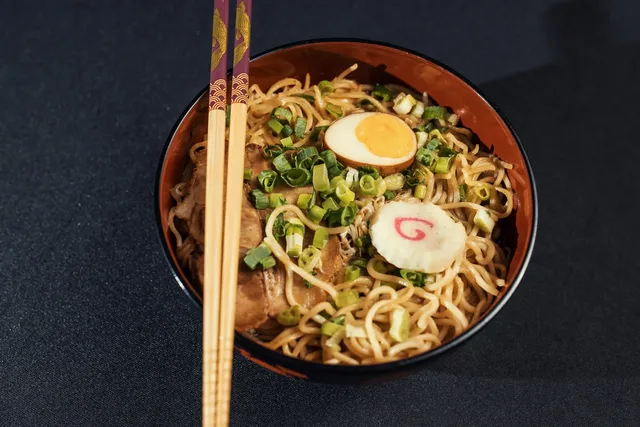
- Check the seasoning level to ensure it is palatable for your specific taste. 2. Observe the texture of the noodles during the boiling process to ensure it reaches the desired consistency. 3. Note that adding vegetables or protein is a method used to increase nutrient density.
Caution must be taken when relying on these methods, as they are general guides and do not guarantee specific nutritional outcomes. The presence of these noodles in local markets reflects how they have crossed oceans to reach new culinary landscapes.
- How has Costa Rican ramen culture evolved?
- What is the nutritional profile of ramen?
- How does local ramen history shape the taste?
The same subject is also called Ramen flavor analysis.
This part also covers Unique ramen ingredient use.
This part also covers Ramen preparation patterns.
This part also covers Cost of local ramen.
Unique ramen ingredient use
Related




Comments 0