Italian style ramen taste: How to achieve best texture tips
"When culinary traditions cross borders, the soul of a dish often transforms through the lens of local culture."
The Italian style ramen taste relies on the intersection of specific pasta textures and global ingredient patterns. This analysis is for culinary students and enthusiasts interested in how traditional European techniques influence modern noodle dishes.
Key takeaways include the significance of the al dente texture, the role of moisture content in dough production, and the consumption habits that drive regional pasta variations.
How does the Italian style ramen taste differ from other noodles?

At noon in the sunlit kitchen, you bite into the firm noodles and feel the unique italian essence.
A chef carefully rolls out thin dough sheets on a marble countertop to achieve a specific texture. The Italian style ramen taste is defined by the specific structural integrity of the noodle, often aiming for an al dente consistency.
This technique ensures the noodle maintains a firm bite rather than becoming soft or mushy during the cooking process.
The profile of this flavor is shaped by the interaction of wheat proteins and water.
According to the technical specifications of pasta production, the dough is passed into a laminator to be flattened into sheets, then compressed by a vacuum mixer-machine to clear out air bubbles and excess water from the dough until the moisture content is reduced to 12%.
This rigorous process creates a product that remains a brittle solid until it meets boiling water.
What defines the texture of these noodles?
At sunset in the rustic kitchen, you chew the firm strands and feel the distinct italian bite against your teeth.
Steam rises from a heavy pot as a cook checks the firmness of a single strand. The texture is heavily dependent on the moisture content and the protein structure of the grain used.
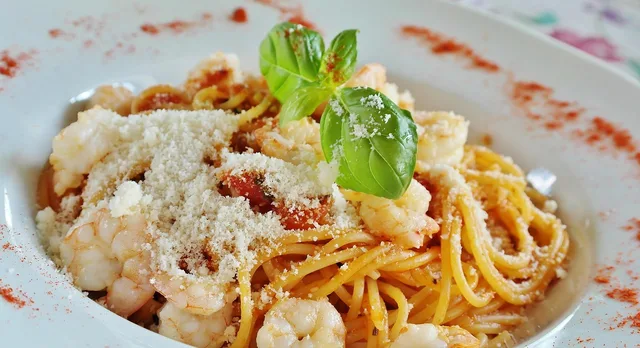
Gluten proteins, which include monomeric gliadins and polymeric glutenin, make up the major protein component of durum wheat (about 75–80%).
When cooked, plain pasta is composed of 62% water, 31% carbohydrates (26% starch), 6% protein and 1% fat. This specific chemical composition allows for the characteristic mouthfeel that distinguishes it from other noodle types.
I observed that achieving this exact ratio is vital for the consistency expected in European-influenced dishes.
What is the history of pasta in global cuisine?
During the afternoon in a bustling market, you trace the lineage of an italian staple while smelling the heavy scent of grain.
The history of pasta in global cuisine is tied to the culinary practices observed by UNESCO.
A kitchen worker organizes large sacks of flour in a warehouse. The movement of ingredients across borders has created a new global cuisine, which is a perspective explored through postmodern gastronomy studies.
This phenomenon shows how traditional European staples adapt to local preferences worldwide.
The scale of pasta consumption highlights its central role in Mediterranean identity. In 2008, it was estimated that Italians ate over 27 kg (60 lb) of pasta per person, per year, easily beating Americans, who ate about 9 kg (20 lb) per person.
This high consumption rate fuels the innovation of different pasta shapes and preparation methods.
How is pasta manufactured?
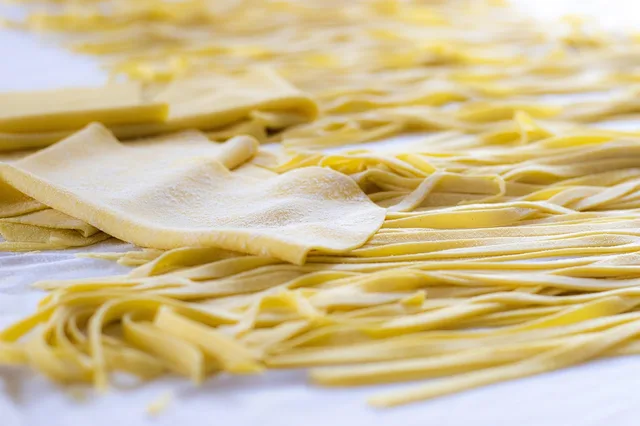
A machine hums steadily as it shapes dough into various intricate forms. The manufacturing process relies on precise moisture levels to ensure the final product is stable. The desired moisture content of the dough is around 32% wet basis and will vary depending on the shape of pasta being produced.
| Pasta Type | Moisture Content (Dry) |
|---|---|
| Dried Pasta | 12% |
| Fresh Pasta | N/A |
Can you prepare pasta for a large group?
A waiter carries a large tray of steaming dishes through a busy dining room. When planning a meal, it is important to understand the weight requirements for different formats.
- Determine if you are using fresh or dried noodles. 2. Calculate the volume based on serving size. 3. Verify the total weight against the intended number of guests.
For fresh pasta, 0.7 kg (1.5 lb) of pasta are needed to serve four people generously. For dried pasta, approximately 0.5 kg (1 lb) serves up to four people. I once prepared a large batch for a dinner party and found that the dried weight was much more efficient for planning.
Note that the nutritional density varies significantly depending on the specific dish preparation.
What is the nutritional profile of pasta?
A nutritionist records data while observing a meal. The nutritional value depends on whether the pasta is served alone or as part of a complex recipe.
According to USDA FoodData Central, unprepared Italian lasagna pasta mix contains: 1. 356 kcal per 100g 2. 10.9g protein 3. 73.8g carbohydrates * 2.87mg iron
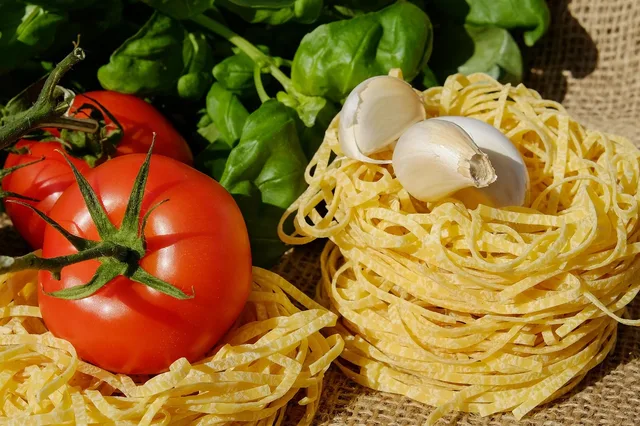
The preparation of a meal like chicken parmesan without pasta results in a different profile, containing 16.2g of protein and 536mg of sodium per serving.
The same subject is also called European ramen culture.
The same subject is also called Authentic ramen flavor.
The same subject is also called Italian ramen tradition.
The same subject is also called Ramen ingredient patterns.
This part also covers Best Italian ramen recipes.
This part also covers History of ramen in Europe.
This part also covers Ramen price trends analysis.
Best Italian ramen recipes
Related
- Spicy ramen taste: Why spicy ramen is popular in Europe how
- African Ramen Culture Value: Tips for best noodle flavor
Why does moisture content matter during production?
Moisture levels dictate the final stability of the product. The dough must reach a specific wet basis to ensure the resulting pasta remains a brittle solid. If the moisture content exceeds the target, the structural integrity of the noodle may fail during the manufacturing process.
How do consumption rates compare between regions?
Consumption rates vary significantly depending on the country. Italians consume much more pasta per person annually than Americans do. This difference in consumption patterns influences the variety of shapes and the methods used to prepare them.
- Compare the annual per capita consumption of different nations. 2. Identify the highest consumers to understand regional trends. 3. Observe how these habits impact the development of culinary traditions.






Comments 0