What makes Latin American spicy ramen so iconic?
"The heat of a chili-infused broth is not merely a sensation; it is a cultural dialogue expressed through spice and steam."
Latin American spicy ramen represents a fusion of quick-cooking convenience and intense, regional heat profiles. This guide explores the nutritional composition of these noodles, the preparation methods required to achieve the perfect texture, and the sensory value of extreme spice.
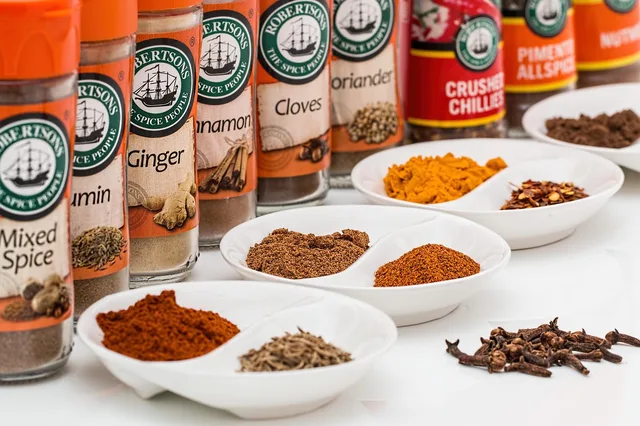
* Nutritional profiles vary by flavor, such as beef or generic varieties. * Proper stirring time is essential for noodle softening. * Heat intensity serves as a core cultural component in spicy noodle dishes.
What makes Latin American spicy ramen so iconic?
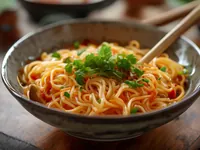
At sunset, I lean over a steaming bowl in the kitchen and feel the stinging heat that defines the rep in Latin American spicy ramen.
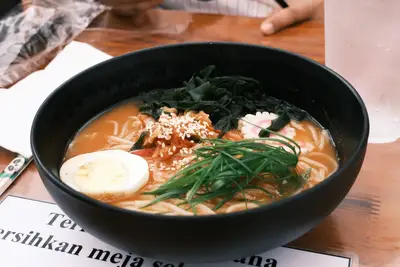
A person sits at a small wooden table, watching steam rise from a bowl of bright red broth while the scent of chilies fills the air. The true value of spicy ramen lies in the intersection of texture and heat, where the spice acts as a catalyst for flavor rather than just a sensation.
The flavor profile often relies on heavy seasoning that complements the quick-cooking nature of the noodles. This rep in Latin American spicy ramen is characterized by a preference for intense heat that lingers, often paired with local spice variations.
The cultural importance of the heat level makes it a central part of the dining experience.
How does the Latin ramen heat value compare nutritionally?
A diner examines the back of a package, reading the fine print of the ingredient list under a dim kitchen light. Understanding the Latin ramen heat value requires looking at the underlying nutritional data to see what powers the meal.
When looking at a specific beef flavor, the energy content is slightly higher at 441kcal per 100g, with 17.7g of fat and 3g of dietary fiber.
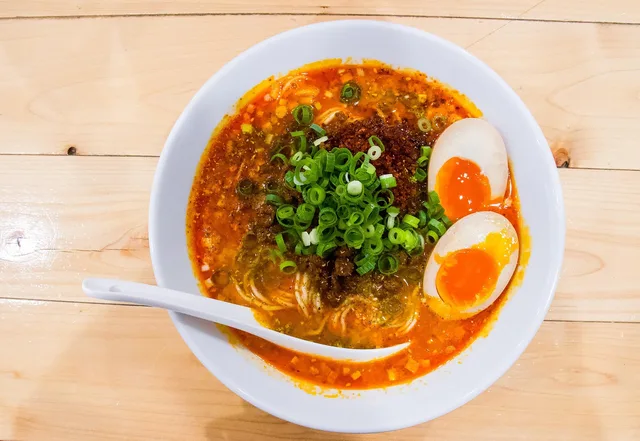
These figures provide a baseline for the energy density found in these quick meals.
| Component (per 100g) | Any Flavor (Dry) | Beef Flavor (Dry) |
|---|---|---|
| Carbohydrates | 60.3g | 60.3g |
| Fat | 17.6g | 17.7g |
I noticed that the beef flavor specifically offers 3.93mg of iron per 100g, which is a notable detail when comparing the two.
How does texture define Latin American noodle culture?
A chef carefully pours boiling water over a block of noodles, watching the edges begin to curl and change color. The Latin American noodle culture is increasingly defined by how these instant products are elevated through specific cooking techniques.
The goal is to transform a dry, brittle block into a silky, cohesive meal. This transition relies heavily on the timing of the heat and the movement of the noodles within the broth. Achieving the right consistency is just as important as the spice level itself.
Is there an extreme spicy ramen taste to master?
A cook stirs a thick, crimson sauce in a pan, ensuring every strand of noodle is coated in a glossy layer of chili oil. To achieve an extreme spicy ramen taste, one must manage the interaction between the noodles and the concentrated seasoning.
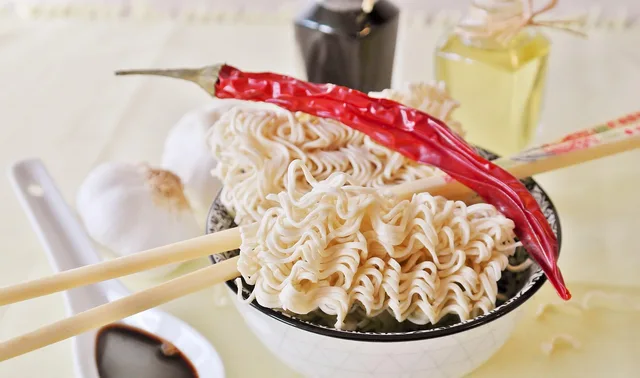
The intensity of the spice is often maximized by how the sauce is applied. If the sauce is too thin, the heat dissipates; if it is too thick, the noodles may not soften properly. Balancing the viscosity of the liquid with the heat of the peppers is the key to a successful spicy dish.
How to prepare the perfect bowl of spicy noodles?
A hand reaches for a timer, setting it for a few minutes as the pot begins to bubble on the stove. To ensure the noodles reach their ideal state, follow these specific preparation steps:
- Add the noodles to the boiling liquid and stir for 3-5 minutes until they soften. 2. Continue stirring for 3-5 minutes or until the noodles begin to soften completely. 3. Stir for about 1 minute until the sauce has thickened and the noodles are fully coated.
Perform a final check by pressing a noodle between two chopsticks to ensure it is tender but still has a slight bite.
- Boil the noodles in salted water until they reach your desired firmness.
- Drain the water and toss the noodles with the spicy seasoning oil.
- Add fresh toppings like lime, cilantro, or soft-boiled eggs to balance the heat.
In this sequence, the second step is the longest.
What are the limitations of these spicy noodle profiles?
A person finishes their meal, feeling the lingering warmth of the spices on their palate. While these noodles offer convenience and intense flavor, certain nutritional aspects are limited by the processed nature of the product.
The nutritional density is largely concentrated in carbohydrates and fats, which may not meet the requirements for a balanced diet without additional ingredients. For example, while the beef flavor contains 3.93mg of iron, it is not a substitute for whole-food sources.
The spice level is also highly dependent on the specific brand used, making consistency difficult to guarantee.
The same subject is also called Spicy ramen evolution.
This part also covers History of Latin ramen.
Related
- Spicy ramen taste: Why spicy ramen is popular in Europe how
- Ramen spice truth analysis: See how flavor map reveals truth
How does the heat interact with the preparation process?
- The initial addition of boiling water sets the stage for the heat transfer into the noodles. 2. Sustained stirring during the cooking phase ensures the heat penetrates the noodle structure evenly. 3. The final coating with the concentrated seasoning allows the chili heat to become fully integrated into the dish.
The management of the chili heat during cooking directly influences the final sensory experience. If the heat is not distributed properly, the flavor profile will lack the intended complexity. The cultural dialogue expressed through spice and steam relies on this careful interaction.
What conditions affect the noodle's final texture?
The transition from a dry block to a silky meal depends on the timing of the heat application. Over-stirring can cause the noodles to break apart, losing the desired cohesive texture. Conversely, insufficient cooking time leaves the noodles brittle despite the intense chili heat.
The viscosity of the broth must match the cooking duration to achieve proper softening. A comparison between the dry state and the cooked state shows a dramatic change in structural integrity. This texture is a critical element alongside the chili heat.
The nutritional composition, while providing a baseline energy density, does not account for the physical changes in the noodle matrix during preparation. The process itself modifies the available carbohydrates and fats within the noodle structure.
Wikipedia: Fueled by Ramen Based on the retained excerpt mentioning Recording Industry Association of America: Thirteen albums released by Fueled by Ramen have been certified Platinum (some multiple times) by the Recording Industry Association of America for sales of one million units or more: Some Nights (2012) by Fun A Fever You Can't Sweat Out (2005), Pretty.


Comments 0