Ramen Value Hex Diagram: How to map broth depth and texture
"The secret to a perfect bowl lies in the balance of texture, broth depth, and noodle artistry."
A comprehensive Ramen Value Hex Diagram allows enthusiasts to evaluate culinary quality through structured metrics like noodle thickness and broth intensity. This evaluation helps diners navigate diverse styles, from thin noodles to heavy, nutrient-dense toppings.
Key takeaways include understanding noodle dimensions, recognizing broth complexity, and applying a systematic approach to flavor profiling.
How to use a Ramen Value Hex Diagram?
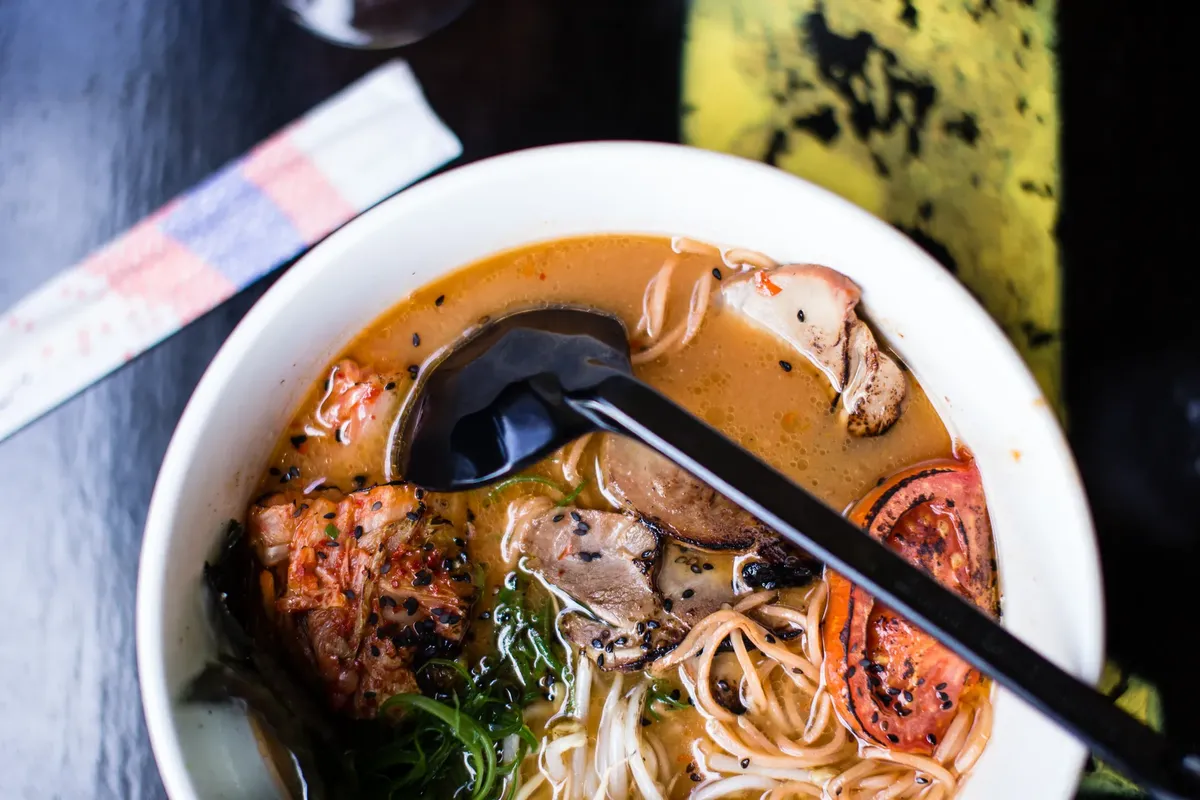
In the dim light of the kitchen, I draw a line between the points on the paper to map the saltiness of the ramen.
A chef pulls a single strand of noodle from a steaming bowl to test its elasticity. To create a Ramen Value Hex Diagram, one must map specific attributes such as noodle width, soup viscosity, and seasoning balance.
This visual tool provides a clear Ramen Taste Profile by showing how different elements intersect to create a cohesive culinary identity.
A Ramen Identity Map serves as a guide for comparing various regional styles. By plotting data points on a hexagonal axis, a diner can see if a specific bowl leans toward heavy fats or light, refreshing waters.
This systematic approach ensures that the comparison remains objective rather than purely subjective.
- Plot the intensity of each flavor component on the corresponding axis. 2. Connect the points to visualize the unique shape of the flavor profile. 3. Compare the resulting hexagon against baseline profiles to identify deviations.
What are the standard noodle dimensions in a Ramen Identity Map?
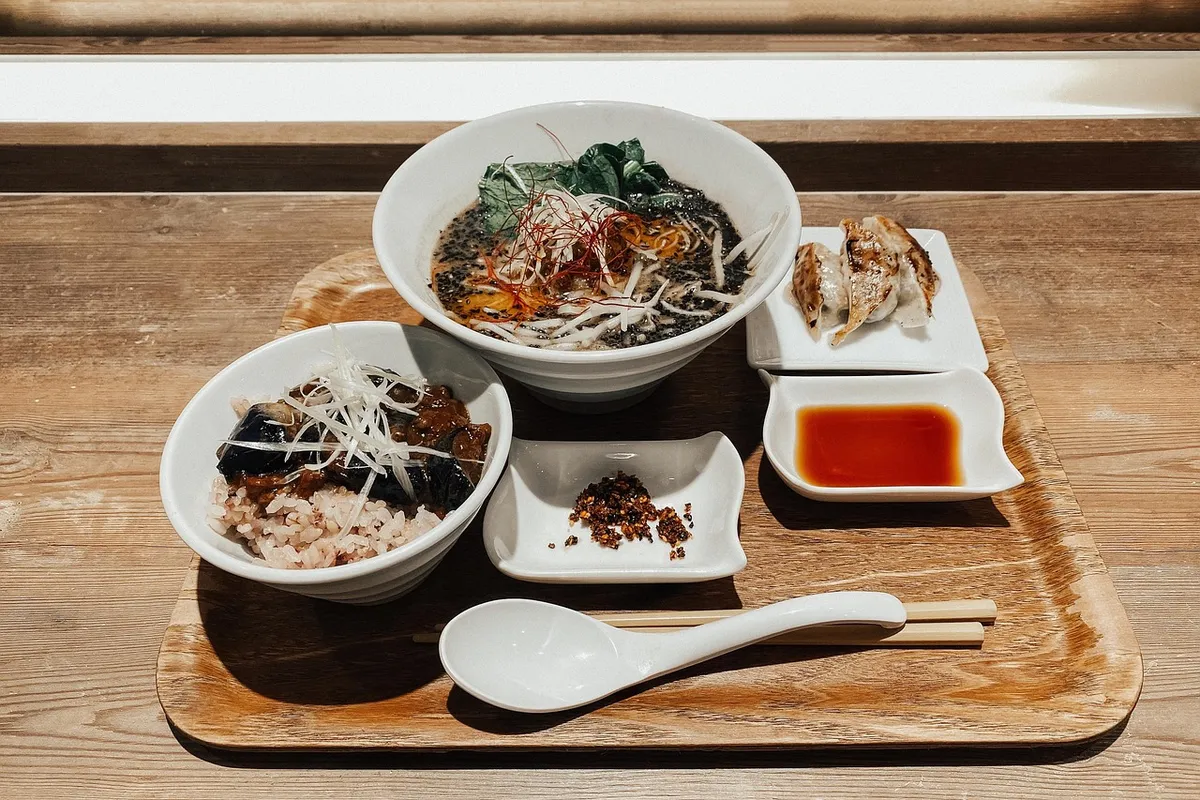
I hold the thick noodle between my fingers at the wooden counter, feeling its weight to check the ramen dimensions.
A cook measures the diameter of a fresh noodle using a small caliper to ensure consistency. Different noodle types provide varying structural support for the broth. For example, Sōmen noodles are thinner, measuring about 1.3mm in width, which makes them much finer than other wheat-based varieties.
| Noodle Type | Width Measurement |
|---|---|
| Sōmen | 1.3mm |
| Udon | 4-6mm |
The thickness of the noodle significantly alters the Ramen Taste Profile. Thinner noodles might be preferred for lighter soups, while thicker varieties offer more bite. I noticed that comparing these dimensions helps in selecting the right pairing for a specific broth.
In this sequence, the second point is the most detailed.
How do broth components influence the Ramen Taste Profile?
A chef stirs a dark, rich soup to observe the oil droplets dancing on the surface. The base of the soup, often containing lye water or salt, dictates the foundational flavor.
A common recipe for noodle-making might use 125 ml of water combined with 300 g of bread flour to establish the right starch-to-liquid ratio.
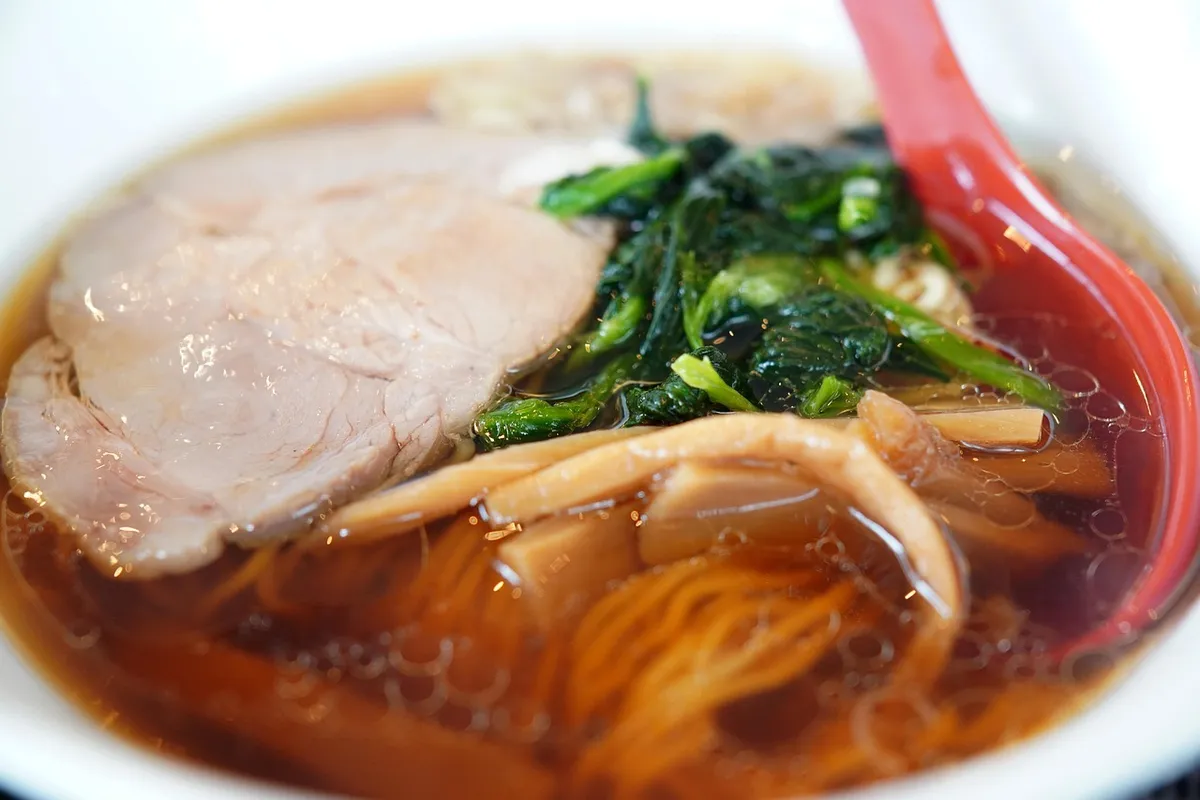
The interplay between the soup and the noodles is the core of the Ramen Identity Map. A heavy, fatty broth requires a noodle with enough strength to hold its shape, while a water-heavy soup might suit a more delicate strand. This balance is essential for a successful culinary experience.
How to perform a Broth Deep Dive?
A professional taster sips a spoonful of broth, swirling it around the palate to catch every nuance. To conduct a professional Broth Deep Dive, follow these three steps:
- Evaluate the salinity and seasoning level of the base. 2. Assess the viscosity and mouthfeel of the liquid. 3. Identify the primary aromatic notes, such as soy or garlic.
A final check involves tasting the noodle and broth together to ensure the flavors do not overpower one another. This process ensures each element contributes to the overall harmony of the bowl.
What are the limitations of a single-bowl evaluation?
A diner looks at a single bowl of ramen sitting on a wooden table in a quiet shop. While a hex diagram provides a snapshot, it is limited by the specific conditions of that single serving. For instance, temperature and the rate of noodle hydration can change the results instantly.
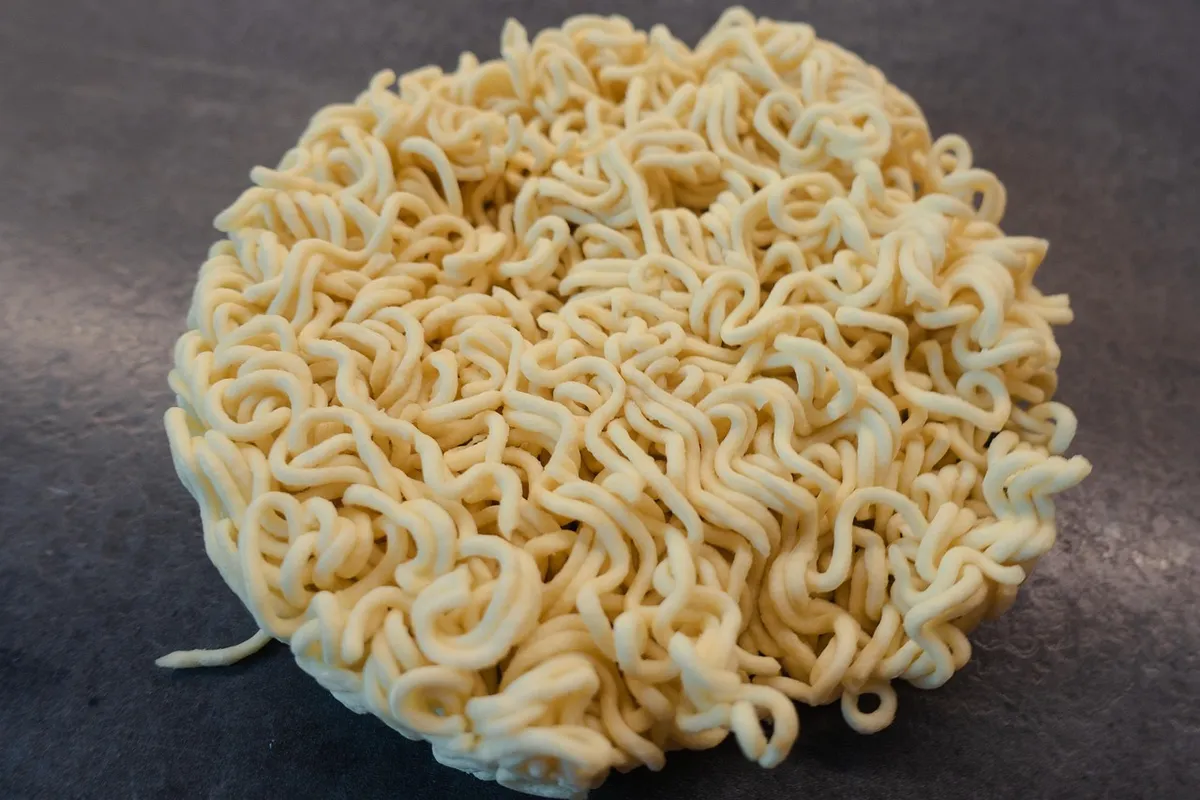
A limitation of this comparison is that it cannot account for the varying freshness of ingredients across different dining environments. A single measurement of a single bowl does not represent the entire culinary tradition.
- How to use a Ramen Value Hex Diagram?
- What are the standard noodle dimensions in a Ramen Identity Map?
- How do broth components influence the Ramen Taste Profile?
This part also covers Ramen Cultural Roots.
This part also covers Flavor Component Breakdown.
This part also covers Art of the Bowl.
Ramen Cultural Roots
Related
How does the secret to a perfect bowl emerge from the components?
The secret to a perfect bowl emerges when the textural contribution of the noodles complements the depth achieved by the broth. The interplay between the noodle's structural integrity and the broth's viscosity defines the overall success of the dish.
This synthesis is what elevates a collection of parts into a singular, harmonious culinary experience.
What is the role of seasoning balance in the diagram?
The seasoning balance, mapped within the Ramen Value Hex Diagram, acts as a crucial variable alongside noodle width and soup viscosity. It contributes to the overall Ramen Taste Profile, ensuring that the flavors are integrated rather than competing within the bowl.
This balance is what allows the diagram to accurately reflect the intended culinary identity.
When applying the diagram, the diner moves beyond simple liking or disliking to a technical assessment of how each component contributes to the whole. This objective view is necessary to truly grasp the nuances of the chef's intention for the secret to a perfect bowl.
Japanese Ramen Guru Brings Noodle-Making Masterclass to New Delhi Based on the retained excerpt mentioning International Institute of Culinary Arts: Japanese ramen specialist Mr Hyodo will conduct a two-day Japanese Ramen Masterclass at the International Institute of Culinary Arts (IICA), Hauz Khas, New Delhi, on October 22 and 23, 2026.
FAQ
How does noodle width vary between types?
What is the purpose of a flavor profile?
Related posts
Popular posts

Best ramen monthly ranking: Taste matters for global demand
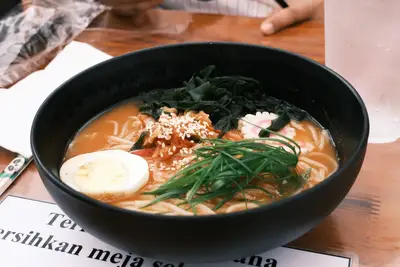
Best spicy Southeast Asian ramen: Why choose the right bowl?
Chinese noodle extra size trend: Guide to big serving appeal

Comments 0