Ichiran Tonkotsu in Europe: Guide to best ramen flavors
"The value of a specific meal often lies in the intersection of tradition and the sensory experience it provides to a new audience."
Ichiran Tonkotsu in Europe serves as a benchmark for how specialized Japanese noodle traditions integrate into the diverse European ramen culture.
This analysis explores the role of high-quality tonkotsu in the broader market, focusing on the nutritional profile of dry ramen components and the broader landscape of food production.
This guide is for food enthusiasts and industry observers interested in the cultural and technical aspects of ramen. Note that specific regional market dominance for Ichiran is not established in the provided data.
* The sensory appeal of concentrated pork bone broth. * Nutritional composition of dry ramen noodle bases. * The role of specialized flavors in European food trends. * Broader industrial contexts of food ingredient production.
Why is Ichiran Tonkotsu in Europe so significant?
At dusk in a dimly lit booth, a diner inhales the creamy scent of Ichiran broth while watching steam rise from the bowl.
A diner sits in a quiet, dimly lit booth, watching steam rise from a deep ceramic bowl. The scent of rich, creamy pork broth fills the small space, signaling a departure from standard quick meals.
Ichiran Tonkotsu in Europe represents a bridge between strict Japanese culinary standards and the growing European ramen culture.
The presence of specialized tonkotsu broth introduces a level of depth that standard instant varieties often lack. While mass-market brands focus on convenience, specialized ramen emphasizes the long-simmered essence of bone marrow and fat.
This distinction helps define the premium segment of the European food trends currently shaping urban dining.
The impact of these specialized dining experiences is felt through the cultural shift toward authentic, niche flavors. As more people seek out specific culinary traditions, the role of Ichiran Tonkotsu in Europe becomes a focal point for quality.
This movement influences how local chefs approach noodle preparation and broth consistency.
However, this significance may be limited in regions where authentic Japanese culinary culture is already deeply established.
What are the nutritional components of ramen?
Under the bright kitchen lights, she traces the texture of the dry noodles with her fingertips while contemplating the ichiran components.
A person examines the label on a package of dry noodles, noting the various vitamins and minerals listed. They wonder how these ingredients contribute to the meal's overall profile. Understanding the nutritional makeup is a key part of the Ichiran value analysis.
According to USDA FoodData Central, dry beef flavor ramen noodles contain 441kcal of energy and 17.7g of fat per 100g.
These noodles also provide 0.25ug of vitamin B12, 1ug of vitamin A, and 0.3mg of vitamin C.
The breakdown shows a specific balance of macronutrients that forms the foundation of the dish.
For those comparing flavors, beef-flavored dry ramen noodles show slightly different values. They also include 3g of dietary fiber and 0.6mg of vitamin C.
| Component (per 100g) | Any Flavor (Dry) | Beef Flavor (Dry) |
|---|---|---|
| Carbohydrates | 60.3g | 60.3g |
| Fat | 17.6g | 17.7g |
I compared these nutritional figures to see how much the flavor profile changes the base energy content.
However, the nutritional impact varies significantly depending on the specific ingredients used in the broth and toppings.
How does ramen importance Europe manifest in the market?
Under bright kitchen lights, she traces the dry texture of the Ichiran components with her fingertips.
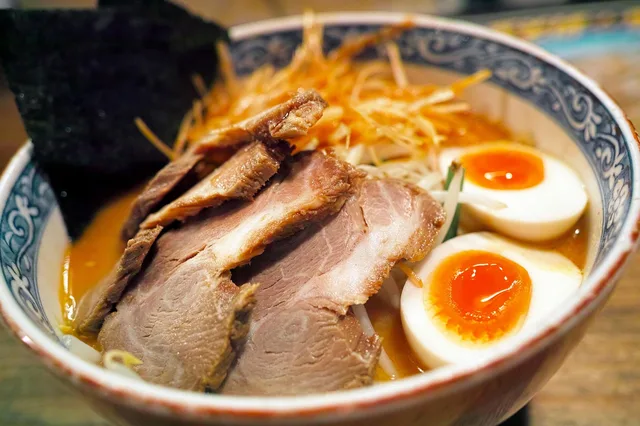
A logistics manager watches crates of specialized ingredients being moved through a distribution center. The movement of high-quality amino acids and seasonings is essential for maintaining the flavor consistency required by premium brands.
The ramen importance Europe is tied to these complex supply chains.
The industry relies on advanced fermentation and nutrition technologies to produce the seasonings that define the ramen taste.
For instance, Ajinomoto transferred its 100% equity stake in Ajinomoto Animal Nutrition Europe S.A., a European feed-use amino acid company, to METabolic EXplorer, a French operating company focused on fermentation R&D. This technical background supports the flavor science used globally.
The complexity of ramen taste Europe is not just about the broth, but the underlying science of umami. High-quality ingredients must be sourced and processed to meet the expectations of a sophisticated consumer base.
This ensures that the tradition of the meal is preserved through modern production methods.
However, these market trends may not apply to small-scale local eateries that do not follow international franchise models.
What defines the Ramen tradition Europe?
A chef in a busy kitchen carefully adjusts the salt levels in a large simmering pot. They are looking for a specific mouthfeel that differentiates traditional tonkotsu from lighter styles. This pursuit of perfection is a central part of the Ramen tradition Europe.
The tradition is maintained by adhering to specific preparation methods that prioritize depth over speed. While instant noodles like the Yum Yum brand held a 20–21% share of Thailand's 17 billion baht instant noodle market in 2019, premium ramen relies on different consumer behaviors.
The European market is increasingly looking toward these slow-cooked, traditional methods.
The cultural significance grows as these dining rituals become part of the local lifestyle. By focusing on the specific textures and aromas of tonkotsu, restaurants create a sense of place. This helps the meal transcend being mere sustenance to become a cultural event.
However, the definition of tradition becomes less clear when local ingredients are substituted for authentic Japanese ones.
How to evaluate the Ichiran value analysis?
A consumer stands before a menu, weighing the cost of a premium bowl against a quick snack. They consider the atmosphere, the customization options, and the quality of the ingredients. Performing an Ichiran value analysis requires looking at more than just the price.
- Assess the depth and richness of the broth's flavor profile. 2. Evaluate the texture and quality of the specific noodle type used. 3. Consider the dining environment and the level of customization allowed.
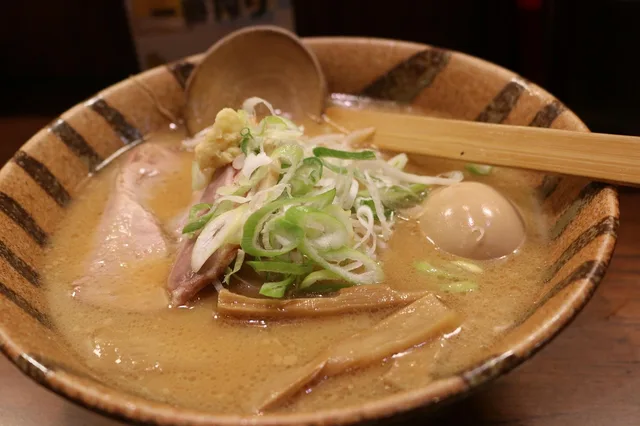
After completing these steps, perform a final check by comparing the sensory satisfaction to the total cost of the meal. This ensures the experience aligns with your expectations for a premium dining event.
- Identify the core brand elements.
- Assess the consistency of the dining experience.
- Compare the price point against perceived quality.
What are the limits of this culinary analysis?
A researcher looks at a map of global food production, noting the vast differences between regional specialties. They realize that a single brand cannot represent the entire global industry. The study of ramen is subject to specific constraints.
The analysis of premium ramen is limited to the specific sensory and nutritional attributes provided by the ingredients. It does not account for the varying availability of specific pork varieties across different European countries.
I find that the second step in this process is the most extensive.
This part also covers Complex ramen taste Europe.
Related



Comments 0