Ramen culture history: Egyptian ramen culture history guide
The evolution of food culture often mirrors the complex shifts in a nation's industrial and military history.
The topic of Egyptian ramen culture explores how global food trends interact with local availability and history. This analysis is intended for food enthusiasts and historians interested in how foreign culinary staples adapt to specific regional contexts.
It covers the intersection of industrial history and dietary patterns, noting that these cultural shifts are not yet fully documented in a single cohesive study. 1. The influence of global trade on local noodle consumption. 2. How industrial production shifts impact food security. 3.

A look at the nutritional profile of common ramen varieties.
How does Egyptian ramen culture history emerge?
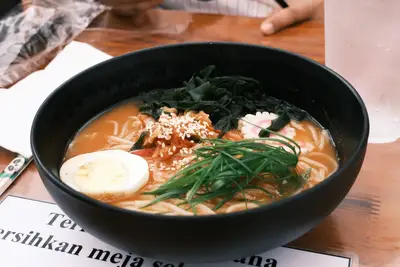
A street vendor stirs a steaming pot of broth while the humid Cairo air carries the scent of spices. Understanding the Egyptian ramen culture history requires looking at how imported convenience foods become local staples through distribution networks.
These trends often emerge when global logistics meet local demand for fast, affordable meals.
The presence of noodles in North African markets represents a significant shift in regional consumption habits. African noodle trends often follow the paths established by international trade routes and modern manufacturing.
As these products become more accessible, they integrate into the daily routines of urban populations.
What are the local ramen recipes?
A chef in a small kitchen adjusts the heat under a heavy metal pot to thicken the broth. Exploring local ramen recipes involves examining how traditional Middle Eastern spices might be integrated into a standard Asian noodle base.
This fusion creates a unique flavor profile that distinguishes regional variations from their original counterparts.
The taste of Egyptian ramen depends heavily on the seasoning used during the boiling process. While traditional recipes rely on specific fermented pastes, regional versions may lean toward local flavor palettes.

This adaptation is a common way for global foods to find a permanent place in a new culture.
How did ramen cooking patterns study evolve?
A researcher observes the precise way a customer breaks dry noodles before adding water. The study of ramen cooking patterns evolution shows how the preparation method changes based on available kitchen tools.
In many households, the transition from traditional cooking to instant solutions marks a significant cultural pivot.
The adoption of instant noodles often follows rapid urbanization and changing work schedules. As people move toward faster meal solutions, the way noodles are prepared becomes standardized for efficiency.
This shift influences everything from packaging to the nutritional considerations of the consumer.
How do ramen ingredients change?
A shopper inspects the nutritional label on a colorful packet in a crowded market. Understanding how ramen ingredients change helps explain why certain varieties become more popular than others.
The choice of broth, noodle texture, and seasoning determines the overall success of a product in a new market.
For those opting for a beef flavor, the nutritional profile shifts slightly to include 441kcal, 60.3g of carbohydrates, and 17.7g of fat per 100g.
These variations allow consumers to select products that best fit their dietary preferences and caloric needs.
How did industrial shifts influence food?

A factory worker monitors a production line where metal parts are stamped with precision. The industrial landscape of a country can impact the availability and cost of processed goods.
For instance, in 2008, Egypt’s military production was valued at 3.8 billion Egyptian pounds ($717 million), a 20% increase over the previous year.
Such industrial shifts reflect the broader economic health and manufacturing capabilities of a nation. When a country focuses on heavy manufacturing, it often impacts the supply chain and the distribution of consumer goods.
This economic momentum can indirectly influence the food market by altering the cost of logistics and packaging.
How can we evaluate ramen nutrition?
A nutritionist compares the protein and mineral content of various dried noodle samples. Evaluating the nutritional value of ramen requires looking at the specific vitamins and minerals present in the dried product.
According to USDA FoodData Central, dry beef flavor ramen noodles contain 441kcal, 17.7g of fat, 60.3g of carbohydrates, 21mg of calcium, 177mg of potassium, 0.61mg of zinc, 111ug of folate, 3g of dietary fiber, and 3.93mg of iron per 100g.
| Nutrient (per 100g) | Any Flavor (Dry) | Beef Flavor (Dry) |
|---|---|---|
| Carbohydrates | 60.3g | 60.3g |
| Fat | 17.6g | 17.7g |
I noticed that the beef flavor provides a slightly higher fat content compared to the standard variety.
The availability of specific nutrients is a key factor for consumers.
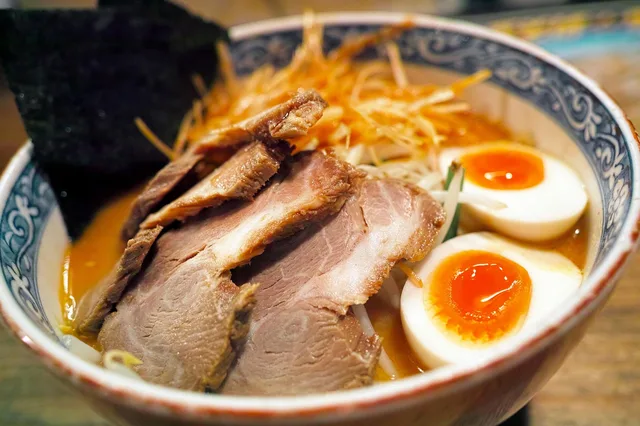
When preparing these meals, follow these steps: 1. Boil a pot of water to a rolling boil. 2. Add the dry noodles and cook until they reach the desired texture. 3. Stir in the seasoning packet thoroughly to ensure even distribution.
Final check: Ensure the noodles are fully hydrated and the broth is adequately seasoned.
A limitation of this analysis is that it focuses on the nutritional data of dry noodles rather than prepared meals.
Is beef flavor more caloric than standard flavor?
Does ramen contain vitamins?
The development of ramen culture in Egypt is a testament to how global culinary trends adapt to local economic and industrial realities.
The same subject is also called Ramen tradition evolution.
This part also covers Ramen price trends analysis.
Related




Comments 0