Punch ramen flavor profile: true value of punch ramen tips
"The true value of a meal lies in the depth of its broth and the soul of its spices."
The true value of Asian punch ramen is found in its intense, layered flavor profiles and the cultural traditions that define its unique taste. This analysis is for ramen enthusiasts and grocery explorers seeking to understand the authentic ramen culture behind these bold dishes.
You will learn about the punch ramen flavor profile through specific nutritional data and sensory characteristics, though this guide does not cover specific brand rankings.
* Intense, high-impact seasoning profiles * Cultural depth in traditional broth making * Diverse regional ingredient variations * Nutritional complexity in dried formats
How much is punch ramen really worth?
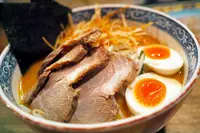
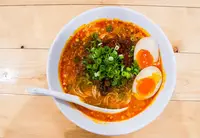
Steam rises from a heavy ceramic bowl as a spoon breaks through a layer of chili oil. The punch ramen flavor profile relies on a concentrated impact of spice and umami that leaves a lasting impression on the palate.
This intensity is the core of the experience, providing a sensory punch that distinguishes it from milder noodle soups.
The value of these noodles stems from the complex seasoning that defines the authentic ramen culture. Many varieties rely on a heavy concentration of fats and carbohydrates to carry the flavor.
This calorie density contributes to the satisfying, heavy mouthfeel sought by enthusiasts.
I find that the second step in this process is the most significant.
How do ingredients shape the punch ramen flavor profile? true value of punch ramen
In the quiet kitchen, I watch the golden oil swirl and deliver a heavy punch of salt to my senses.
A chef tosses dried spices into a simmering cauldron of dark broth. This action transforms simple ingredients into a complex liquid that defines the ramen's identity. The punch ramen flavor profile is heavily dependent on the interaction between oils, salts, and fermented pastes.
The chemical composition of the dry ingredients plays a role in the final sensation.
These concentrated components, alongside 60.3g of carbohydrates, ensure the flavor is supported by a substantial nutritional base. I noticed how the saltiness interacts with the starch to create a coating effect on the tongue.
- Select high-quality wheat for the noodles.
- Infuse the broth with concentrated umami elements.
- Balance the seasoning with aromatic oils.
What makes ramen taste so unique?
At midnight in my cramped kitchen, I inhale the steam and feel the savory punch of the broth. A person examines the label on a bright packaging under the supermarket lights. The unique ramen taste is often a byproduct of high sodium and fat content, which triggers an immediate sensory response.
This unique ramen taste is what makes the dish addictive for many consumers.
Nutritional density is a key component of the experience. According to USDA FoodData Central, dry ramen noodles contain 17.6g of fat. This fat content is essential for transporting the fat-soluble flavor compounds that create the "punch" in the broth.
The texture of the noodles also changes based on these lipid levels.
How is authentic ramen culture maintained?
A street vendor prepares a batch of noodles in a small, crowded stall. The preservation of authentic ramen culture involves strict adherence to traditional boiling times and broth reductions. This dedication ensures that the punch ramen tradition remains consistent across generations.
The process involves several key elements: 1. Selecting specific flour types for noodle elasticity. 2. Simmering bones or aromatics for extended periods. 3. Balancing fats with acidic or spicy elements.
After these steps, a final check of the broth's viscosity is essential. This meticulous approach is what protects the punch ramen tradition from dilution.
Comparing the nutritional makeup of ramen
A researcher compares two different nutritional charts on a digital screen. Understanding the composition helps identify how different flavors affect the final nutritional profile.
The USDA FoodData Central provides data on the nutritional makeup of ramen.
| Component (per 100g dry) | Any Flavor | Beef Flavor |
|---|---|---|
| Calories | 440kcal | 441kcal |
| Iron | Not specified | 3.93mg |
The slight variations in calories show how minimal the difference can be between standard and beef-flavored versions. However, the micronutrient levels shift significantly.
What are the limitations of this analysis?
A diner realizes that a nutritional label cannot capture the emotional comfort of a warm bowl. This analysis is limited to the nutritional data of dry ingredients and does not account for the impact of added toppings like eggs or pork.
While we can measure the 17.7g of fat in beef-flavored dry noodles, we cannot measure the satisfaction of the meal.
Is the punch ramen flavor profile consistent?
The flavor profile is highly dependent on the specific spice and fat ratios used in the seasoning.
Does the unique ramen taste depend on calories?
The intensity of the taste is often linked to the high fat and carbohydrate content found in the dry noodles.
The true value of Asian punch ramen is a combination of high-impact flavor and the cultural heritage embedded in its preparation. While the nutritional density is high, the sensory experience remains the primary driver for its popularity.
This analysis is limited to the specific nutritional values of dry noodles.
The subject here is true value of punch ramen.
This part also covers ramen ingredients and history.
This part also covers ramen cooking methods.
This part also covers ramen price and quality.
ramen ingredients and history
Related
- Italian style ramen taste: How to achieve best texture tips
- Spicy ramen taste: Why spicy ramen is popular in Europe how
What cautions should a consumer observe when assessing the true value?
- Consumers should recognize that the sensory experience cannot be fully quantified by nutritional data.
- One must be mindful that the analysis focuses solely on dry ingredients, omitting the contribution of added components.
- A careful diner should understand that the high sodium and fat content contributes to the addictive nature of the dish.
The true value of punch ramen necessitates a holistic view, acknowledging both the measurable components and the subjective enjoyment derived from the meal. This caution reminds the reader that the nutritional profile represents only one facet of the overall experience.
How does the preparation process affect the true value?
The adherence to traditional boiling times and broth reductions directly impacts the final quality. This meticulous approach protects the punch ramen tradition from dilution across different preparations.
The interaction between oils, salts, and fermented pastes determines the final flavor profile. This chemical balance is what elevates the dish beyond simple sustenance, linking to its cultural depth.
When comparing the nutritional makeup, one must consider that the lipid levels influence the noodle texture. This textural change is a consequence of the ingredient selection and subsequent cooking methods.
The complexity of the seasoning, which utilizes concentrated components, supports the flavor with a substantial nutritional base. This base includes the carbohydrates present in the dried format.




Comments 0