What were the historical market challenges?
"The expansion of instant noodles from a local staple to a global phenomenon reflects changing consumer habits and massive production scales."
The growth of the Korean ramen market is driven by increasing international demand and strategic expansion into diverse regions.
This article examines the historical context of market competition, recent global consumption trends, and specific regulatory challenges faced by major players like Samyang Foods.
Key Takeaways: * Global consumption reached record levels in 2022. * Regulatory oversight remains a critical factor in international expansion. * Market leaders have faced historical legal challenges regarding pricing.
How did the global ramen market grow?
A consumer in a bustling city street reaches for a steaming bowl of noodles, a ritual repeated by millions daily. In 2022, consumers in more than 50 countries slurped their way through a record 121.2bn servings of instant noodles, according to the Osaka-based World Instant Noodles Association.
This massive volume highlights the scale of the industry.
The K-food market growth has been fueled by this widespread availability and shifting dietary habits across various continents. As domestic markets saturated, companies looked toward international appetite to sustain momentum.
The rising popularity of spicy flavor profiles specifically helped brand recognition in new territories.
- Increasing urbanization across developing nations.
- Rising demand for convenient, ready-to-eat meals.
- Expansion of international distribution networks.
What market challenges did we face in the past? Samyang Foods export strategy An empty office chair sits in a boardroom where executives once discussed pricing strategies for the domestic market.

In 2012, Samyang Foods, along with several other companies in the instant noodles market, including Nongshim, Ottogi, and Korea Yakult, were fined by the Korean Fair Trade Commission for fixing instant noodles prices from 2001 to 2010.
This historical oversight highlights the complexities of market competition among major manufacturers. Such legal scrutiny forced companies to refine their corporate governance and pricing models. Understanding these early hurdles is essential to understanding the current competitive landscape.
In this sequence, the second point is the most significant.
How does Samyang Foods success story relate to global trends?
A shipping container is loaded onto a massive vessel destined for a distant port, carrying flavors that have become household names. The K-food market growth is often viewed through the lens of successful brand penetration in diverse regions.
Large-scale production meets the needs of growing populations in emerging markets.
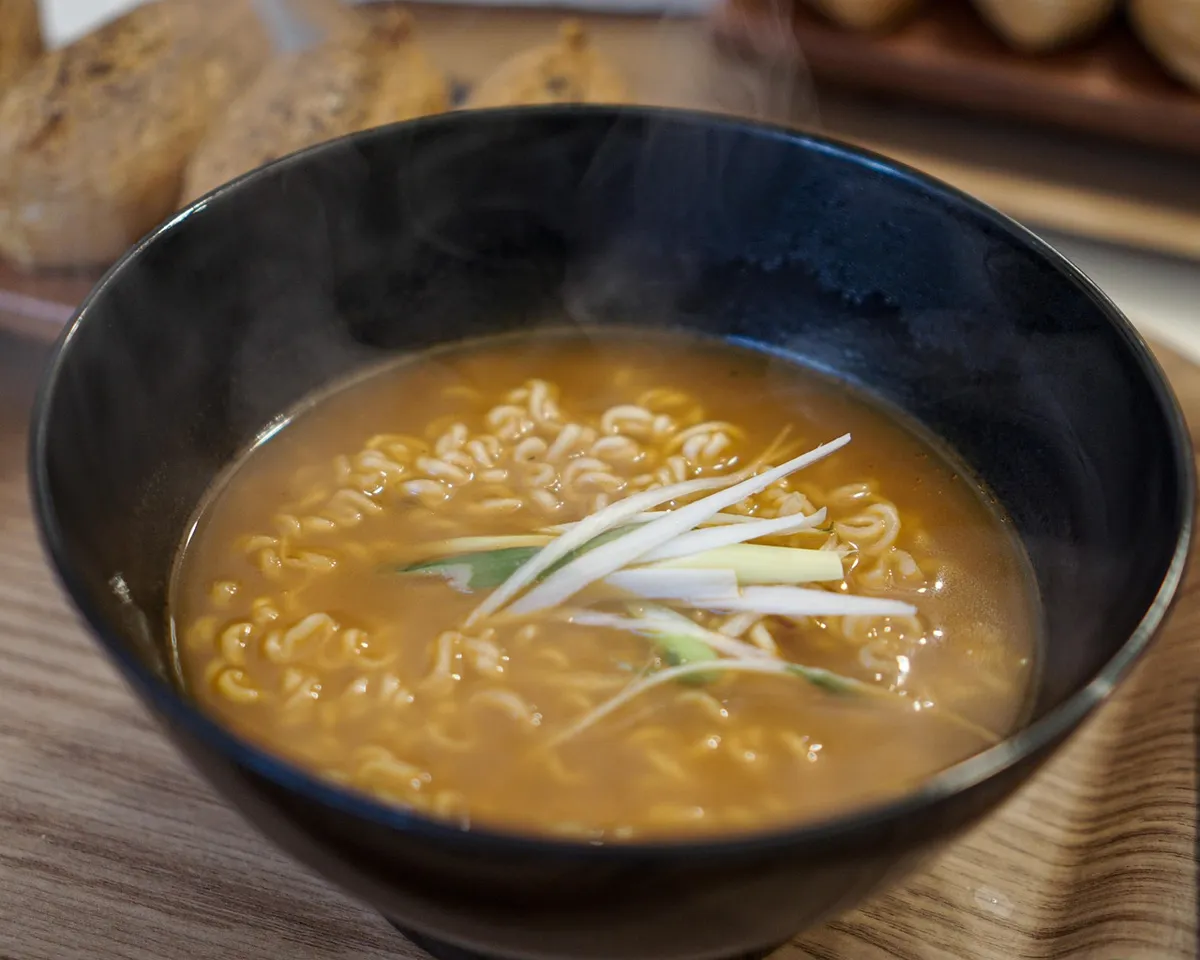
According to the World Instant Noodles Association (WINA), in 2018, India was the third largest consumer of instant noodles after China/Hong Kong and Indonesia. This fact underscores the massive potential for brands like Samyang Foods to tap into high-volume markets.
The success of the brand often depends on navigating these varying regional preferences.
What risks threaten our global market share? A health inspector examines a product label under bright lights, checking for compliance with local safety standards. While the brand has expanded, it has also encountered specific regulatory hurdles. These moments test the resilience of a global brand's reputation.
In June 2024, Denmark recalled three variants of Samyang's spicy ramen noodle products after the Danish Veterinary and Food Administration assessed the levels of capsaicin in a single packet to be high enough to pose a risk of the consumer developing acute poisoning.
This specific incident illustrates the risks of extreme flavor profiles in different regulatory environments.
Managing a Samyang global market share involves balancing intense flavor with local safety requirements. When products meet strict international standards, they can move more freely across borders. This balance remains a primary focus for companies managing global supply chains.
What defines the Korean ramen global dominance?
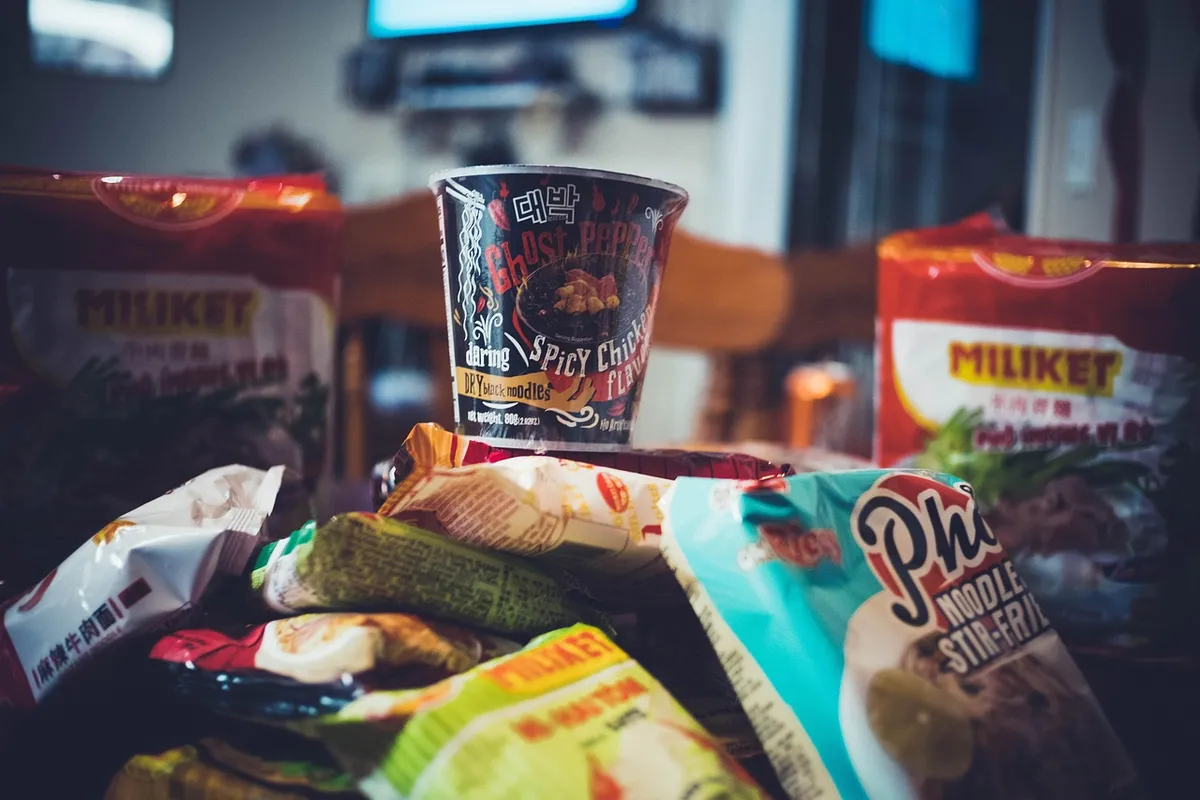
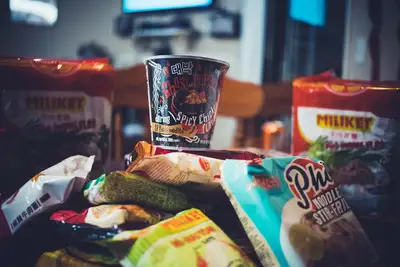
A kitchen countertop is covered in various colorful noodle packets, each representing a different spice level and texture. The Korean ramen global dominance is built on unique flavor profiles that differentiate these products from traditional local varieties.
This distinctiveness creates a unique niche in the global pantry.
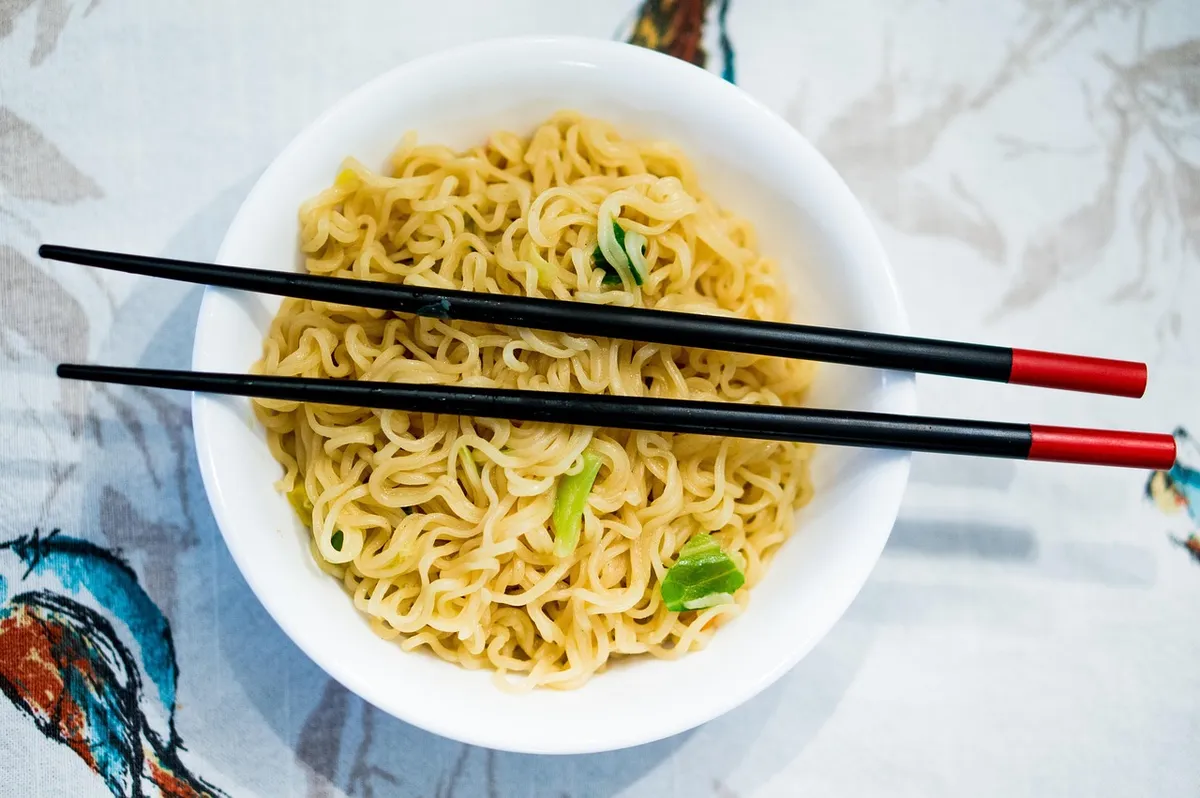
The combination of convenience and intense taste has allowed these products to transcend cultural boundaries. As more people seek out spicy and flavorful options, the brand's footprint continues to expand.
However, maintaining this level of dominance requires constant adaptation to local tastes and regulations.
| Metric | Value |
|---|---|
| 2022 Global Servings | 121.2bn |
| 2018 India Consumption Rank | 3rd |
I observed how the sheer volume of these servings reflects a massive logistical effort to reach every corner of the globe.
The subject here is Samyang Foods export strategy.
The same subject is also called Korean ramen export trends.
This part also covers Samyang global expansion plan.
This part also covers Samyang market share analysis.
Related
- How did the Buldak Bokkeum Myeon origin begin?
- True essence of ramen broth: Clarity vs heavy creaminess
How does the brand maintain its global presence?
The sustained presence of the brand abroad relies on its ability to match high-quality production with the specific demands of international palates. The initial success in penetrating foreign markets established a foundation upon which current global reach is built. This successful expansion hinges on the brand's ability to adapt its product offering while maintaining its core identity.
The journey from a local favorite to a global phenomenon required more than just manufacturing capacity; it demanded a sophisticated understanding of varied consumer expectations. This understanding allowed the brand to sustain momentum beyond the saturation point of its home market.
The initial foray into international markets was aided by the inherent appeal of the flavor profile, which resonated broadly across different cultures. This appeal, combined with logistical planning, fueled the subsequent growth trajectory.





Comments 0