Ramen best tips guide 40.25 billion culture
"Survival often dictates what we eat, turning simple ingredients into essential lifelines during times of scarcity."
The North America ramen cup value lies in its accessibility and role as a quick, convenient food option within a diverse culinary landscape.
This guide explores the cultural significance of instant noodles, the nutritional breakdown of common varieties, and how global market trends influence local consumption.
You will learn about the role of convenience in food culture, the differences between various noodle profiles, and the specific nutritional data for dry ramen. This analysis is limited to the cultural and nutritional aspects provided by the available data.
How does the North America ramen cup value translate to cultural impact?
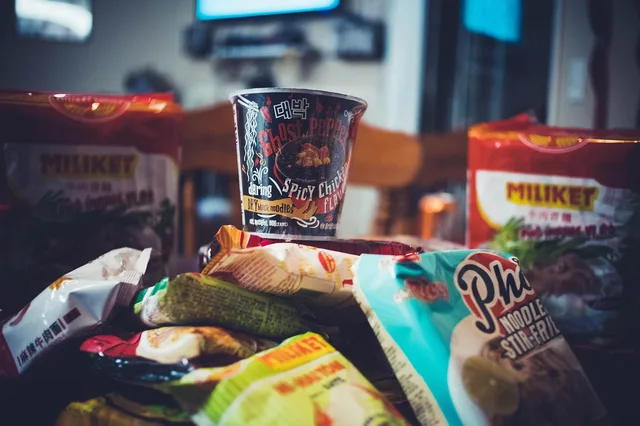
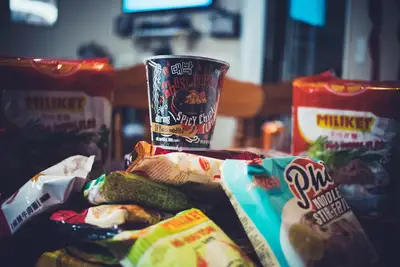
I lift the steaming cup at my cluttered desk, feeling the warmth of the ramen against my palms during the midnight silence.
A steaming cup of noodles sits on a wooden desk as the steam rises in a quiet room. The North America ramen cup value is driven by the convenience of the product for a fast-moving population.
This culinary staple provides a reliable meal for individuals seeking quick nutrition without extensive preparation.
The ramen industry serves as a bridge between traditional foodways and modern convenience. While many view it as a simple pantry item, it represents a significant portion of global food consumption patterns.
Understanding this value requires looking at how different regions prioritize these quick meals.
The role of instant noodles in global food culture is substantial. According to the World Instant Noodles Association, China is the world's largest instant noodle market, with demand reaching 40.25 billion servings in 2018.
This scale demonstrates how the product has become a fundamental part of global food security and convenience.
I find that the second point in this cultural shift is the most significant.
How does instant ramen fit into ramen culture?
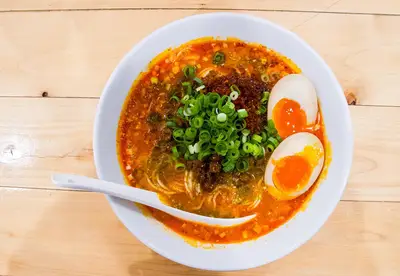
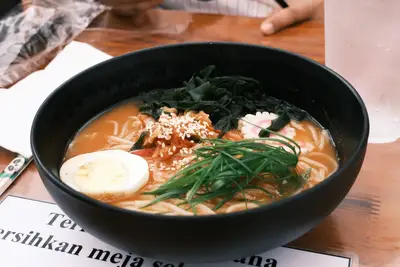
A person stirs noodles in a small ceramic bowl, watching the broth swirl. The cup ramen role in instant noodle culture is defined by its ability to provide consistent flavor profiles in a portable format. This allows for a quick meal anywhere, from dormitories to office breakrooms.
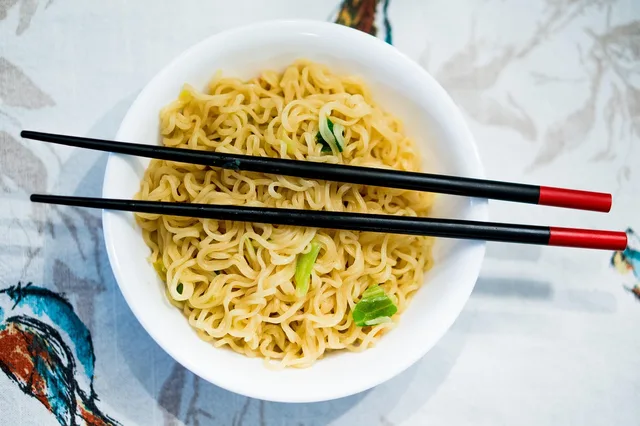
The complexity of these products is often underestimated. In many regions, the instant version is a primary way people interact with the broader ramen tradition. The value of instant ramen North America is seen in how it adapts to local tastes while maintaining the core essence of the noodle.
Market dynamics show that different countries have unique relationships with these products. According to the International Ramen Manufacturers Association, Taiwan is the world's twelfth-largest instant noodle market, with an annual NT$10 billion (US$300 million) in sales.
This highlights the economic weight of the industry.
According to World Instant Noodles Association, the 2018 record includes 40.25 billion.
What are the current trends for instant noodles?
A retail worker stacks colorful packages on a shelf in a brightly lit grocery aisle. The Ramen tradition and cup importance are reflected in the massive volumes moved through global supply chains every year. This economic force shapes how manufacturers develop new flavors and packaging.
The variety of the market is immense, ranging from specialized gourmet cups to budget-friendly packets. This diversity ensures that there is a version of the product for almost every demographic. The sheer volume of production is a testament to the product's necessity.
The global reach of these products is vast.
This shows that even in various global markets, the product maintains a steady presence.
What are the nutritional facts of dry ramen?
A nutrition label is scanned under a bright kitchen light during meal preparation. The nutritional profile of ramen varies significantly depending on the specific ingredients and flavorings used in the production process.
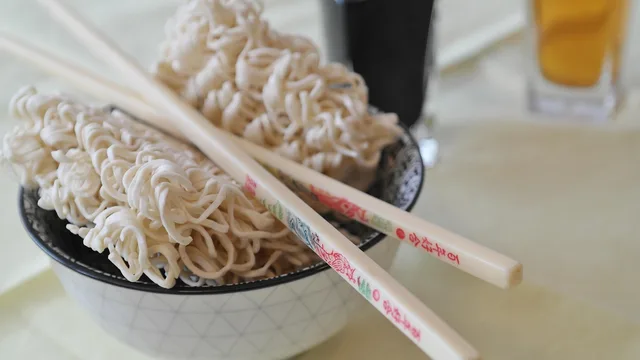
When analyzing dry ramen, it is important to look at the specific components.
According to USDA FoodData Central, 100g of dry ramen noodle, any flavor, contains 440kcal, 60.3g of carbohydrates, 17.6g of fat, 21mg of calcium, 181mg of potassium, 0.6mg of zinc, 0.25ug of vitamin B12, 1ug of vitamin A, 0.3mg of vitamin C, and 116ug of folate.
Specific variations also exist in the data.
I reviewed these specific measurements to understand the composition of the dry product. When looking at the beef flavor, I noticed the iron and fiber levels specifically.
| Component (per 100g) | Any Flavor (Dry) | Beef Flavor (Dry) |
|---|---|---|
| Carbohydrates | 60.3g | 60.3g |
| Fat | 17.6g | 17.7g |
How is ramen prepared for consumption?
A pot of water begins to bubble on a stove, sending small plumes of vapor into the air. Following a standard preparation method ensures the noodles reach the correct texture.
- Bring water to a boil in a small saucepan or kettle. 2. Add the dry noodles and stir occasionally to prevent sticking. 3. Remove from heat and allow the noodles to soak until the desired texture is achieved.
A final check of the noodle firmness ensures the meal is ready to serve. This process is the primary way people enjoy the convenience of the product.
- Boil water in a pot or kettle.
- Add the noodles and seasoning to the hot liquid.
- Wait a few minutes until the texture is soft.
What are the limitations of instant ramen?
A single portion of noodles sits in a bowl, looking quite small compared to a full meal. While convenient, the nutritional density of these products is a factor for many consumers.
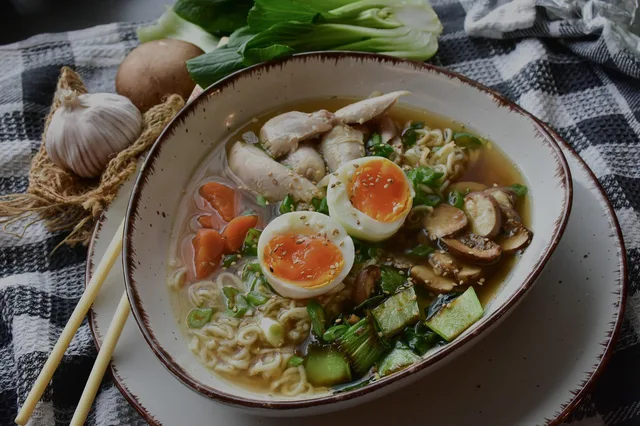
The product is known to have a serving of 43g and contains very high sodium. This is a significant consideration for those monitoring their salt intake.
Wikipedia: List of instant noodle brands Based on the retained excerpt mentioning Association (WINA): Hungary is 43rd in the world in consumption of instant noodles, according to the World Instant Noodles Association (WINA), having consumed 20 million packages/cups of noodles in 2014.
The same subject is also called Cup ramen role in ramen culture.
The same subject is also called North American food ramen analysis.
This part also covers Instant ramen market trends.
This part also covers Ramen complexity in US.
This part also covers History of ramen in North America.
Instant ramen market trends
Related



Comments 0