Cup ramen six-sided review: Fat content 17.6g per 100g
"A cup is a small container used to hold liquids for drinking, typically with a flattened hemispherical shape and an open 'mouth'."
A cup ramen six-sided review requires a balanced look at nutritional density, flavor intensity, and satiety to provide a complete profile.
This guide examines the core components of instant noodles, such as caloric content and micronutrient distribution, to help readers understand what they are consuming.
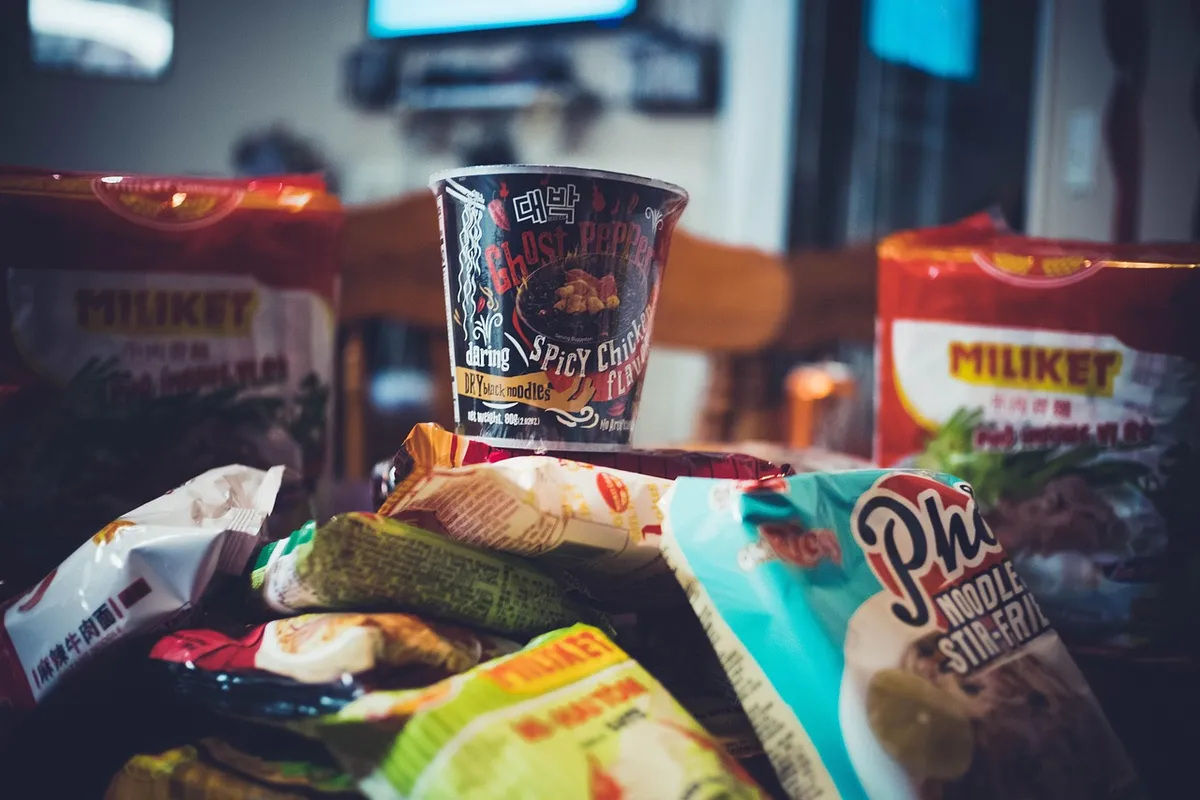
Key takeaways include understanding the caloric density of dry noodles, identifying specific vitamin and mineral content, and recognizing the limitations of single-serving convenience foods.
What defines the base of a cup ramen six-sided review?
A person sits at a wooden table, steam rising from a plastic container as they prepare to analyze the contents. To start a ramen cup diagram review, one must first establish the foundational energy and macronutrient levels.
According to USDA FoodData Central, dry ramen noodles of any flavor provide approximately 440 kcal per 100g. This energy density is a primary factor in determining how a product fits into a daily diet.
The carbohydrate content for these noodles is listed at 60.3g per 100g. This high level of carbohydrates provides the quick energy characteristic of instant meals.
Fat content is also a significant metric, measured at 17.6g per 100g for any flavor. Understanding this balance is essential for a complete taste profile.
- Analyze the core noodle structure.
- Examine the seasoning packet contents.
- Evaluate the overall caloric density.
How do specific flavors change the nutritional profile?
A hand reaches for a beef-flavored packet, comparing the label to a standard plain version. A ramen cup diagram review often involves comparing different flavor profiles to see how they deviate from the baseline.
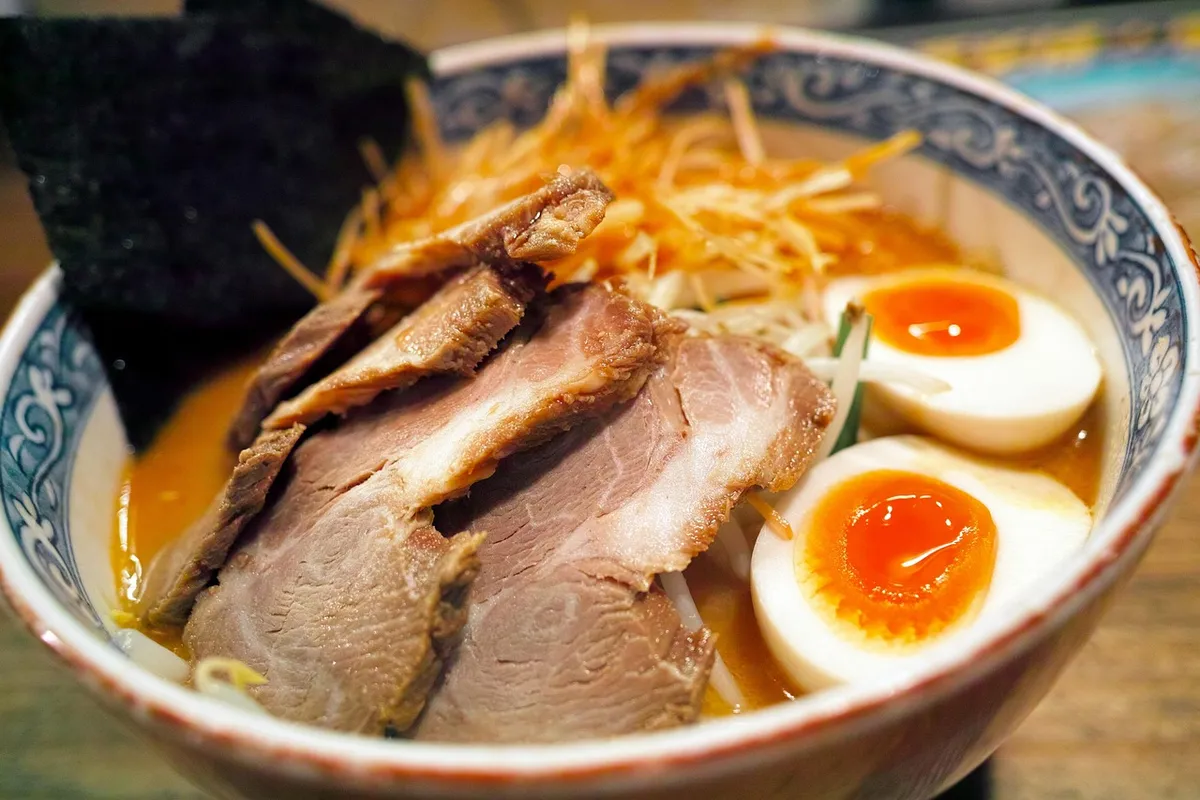
For instance, beef-flavored dry ramen noodles provide 441 kcal per 100g. This is a slight increase in energy compared to the 440 kcal found in general flavors.
The fat content in beef-flavored noodles is 17.7g per 100g. This measurement helps in a six point ramen grading process.
Iron content is also notable, with beef-flavored noodles containing 3.93mg per 100g. This specific mineral adds to the complexity of the nutritional data.
In this order, the second step is the longest.
What are the essential micronutrients in the noodles?
In the dim kitchen, a spoon lifts the heavy ramen as the salty scent hits my nose.
A spoon scoops up a portion of noodles, highlighting the texture and the small bits of seasoning. To conduct a six point ramen grading, one must look closely at vitamins and minerals.
The beef-flavored variant contains 0.6mg of Vitamin C per 100g. This is slightly higher than the 0.3mg found in generic flavors.
Calcium levels are consistent at 21mg per 100g across different flavors. This provides a steady baseline for mineral comparison.
Potassium levels are recorded at 177mg per 100g for beef flavor, while generic flavors hold 181mg per 100g. These small differences matter during an ingredient choice comparison.
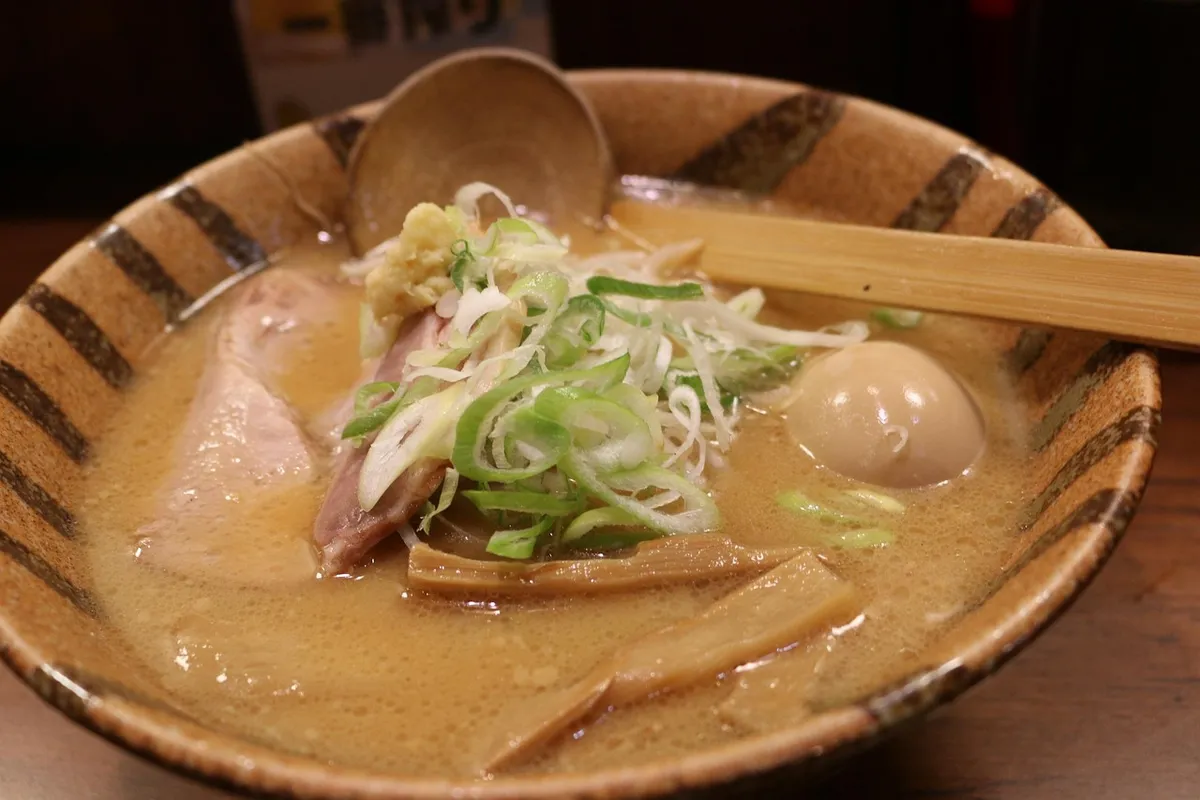
The zinc content is 0.61mg per 100g in beef-flavored noodles. This helps in establishing a flavor standard setting for the review.
How can we evaluate satiety and fiber?
A diner finishes a meal, noting how full they feel after consuming a single serving. A ramen history taste basis often connects to how modern convenience foods satisfy hunger compared to traditional meals.
Beef-flavored noodles contain 3g of dietary fiber per 100g. This fiber content is a key part of the ramen cup diagram review.
Folate levels are 111ug per 100g in the beef-flavored version. This is slightly lower than the 116ug found in the generic flavor.
The relationship between fiber and carbohydrates is vital for understanding satiety. With 60.3g of carbohydrates, the fiber helps manage the energy release.
A person might find that a single cup is not enough for a full meal, highlighting the need for supplemental nutrition.
How to perform a systematic nutrition check?
A researcher lays out several empty containers, marking down the data from each label. To apply an existing condition to a nutritional analysis, follow these steps:
- Measure the weight of the dry product to ensure measurements are per 100g. 2. Identify the specific calorie and macronutrient counts for the chosen flavor. 3. Compare the micronutrient levels, such as iron or vitamin C, against the baseline. 4. Perform a final check to ensure all data points align with the specific flavor profile being reviewed.
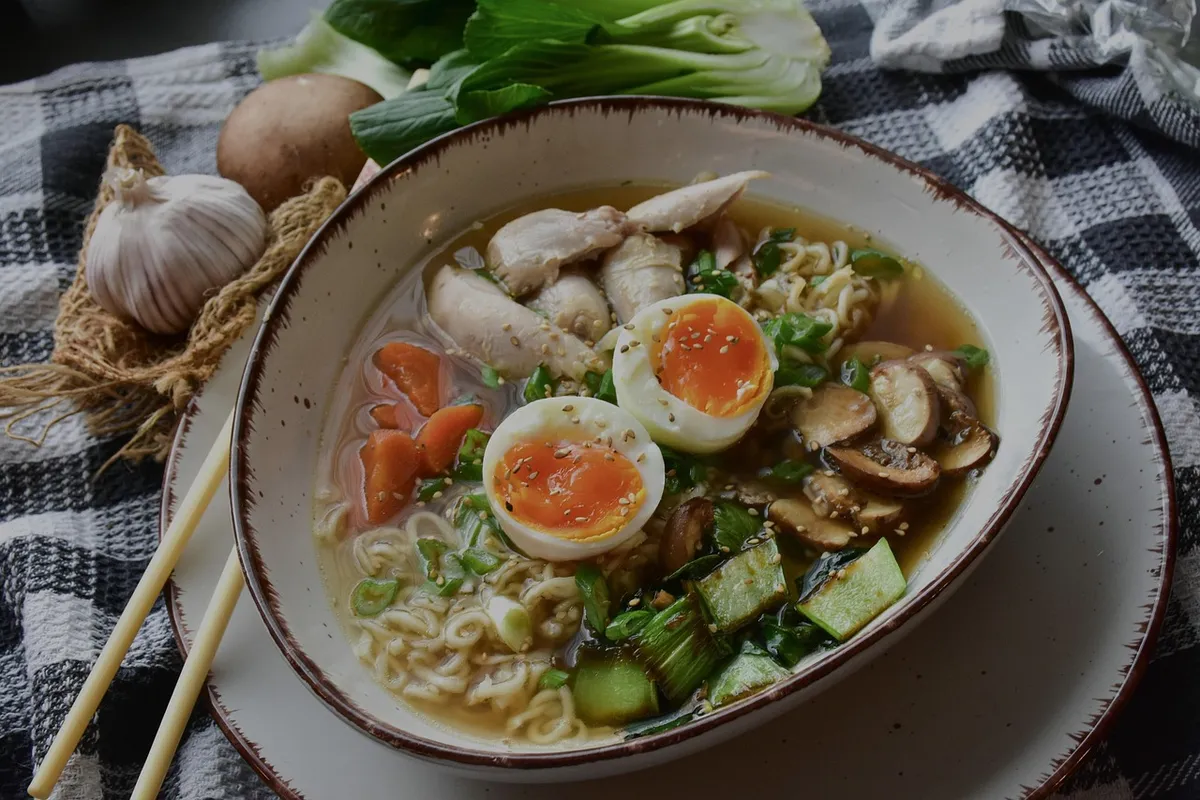
I watched the numbers being recorded to see how the beef flavor differed from the standard. This systematic approach ensures that the ramen cup six-sided review remains objective.
A limitation of this analysis is that it only considers the dry weight of the noodles and does not account for the water added during preparation.
The subject here is Cup ramen six-sided review.
The same subject is also called Taste profile cup noodles.
The same subject is also called Instant noodle deep dive.
Ramen history taste basis
Related
Do the flavorings affect the mineral composition? Yes, the flavorings introduce minor variations in the mineral profile of the noodles. For example, the beef-flavored noodles possess a slightly higher iron concentration compared to the generic variety. This difference in trace minerals contributes to the nuanced profile of the final product.
While the base structure of the noodles remains consistent, the additives specific to the beef flavor shift the trace element balance. This shift is part of the comparison that forms the basis of the six-sided review. The small container holds more than just the dried noodle mass.
How does the physical form relate to its function?
The small container serves as the vessel for the dry product before preparation. This small container holds the dehydrated noodles and seasoning packet necessary for reconstitution. The flattened hemispherical shape is conducive to easy mixing once hot water is added.
The open 'mouth' allows for the introduction of hot liquid to initiate the cooking process. This mouth facilitates the infusion of flavor into the noodle matrix during the brief heating period. The initial state of the contents within the small container is solid and dehydrated.
What is the role of the liquid medium?
The liquid medium transforms the dry components into an edible whole. It hydrates the noodles, allowing them to soften and absorb the flavorings. This liquid bath is crucial for releasing the soluble micronutrients into the consumable form.
The process of adding water triggers the chemical reactions that finalize the taste profile. The hot liquid allows the dried components to swell, making the structure palatable. This hydration step is necessary for the noodles to achieve their intended texture.
FAQ
What is the calorie count of beef-flavored ramen?
How much calcium is in these noodles?
Related posts
Popular posts

Best ramen monthly ranking: Taste matters for global demand
Best spicy Southeast Asian ramen: Why choose the right bowl?
Chinese noodle extra size trend: Guide to big serving appeal

Comments 0