Spicy Noodles: Chinese vs Japanese Ramen Flavor Guide
Beyond the broth: uncovering the fundamental culinary philosophy that separates the aggressive heat of Chinese-style noodles from the layered complexity of Japanese ramen.
Understanding the difference between these two styles is the key to choosing a bowl that satisfies your specific craving, whether you want a sharp sting or a slow, savory warmth.
Key Takeaways: * Flavor Philosophy: Chinese spiciness often focuses on "aromatic heat" to stimulate appetite, while Japanese spiciness focuses on "flavor enhancement" to complement rich broths.
* Ingredient Drivers: The use of dried chilies and Sichuan peppercorns defines Chinese styles, whereas fermented pastes and garlic drive Japanese spicy profiles.
* Texture and Sensation: Expect a "tongue-numbing" sensation from Chinese noodles and a "throat-warming" sensation from Japanese ramen.
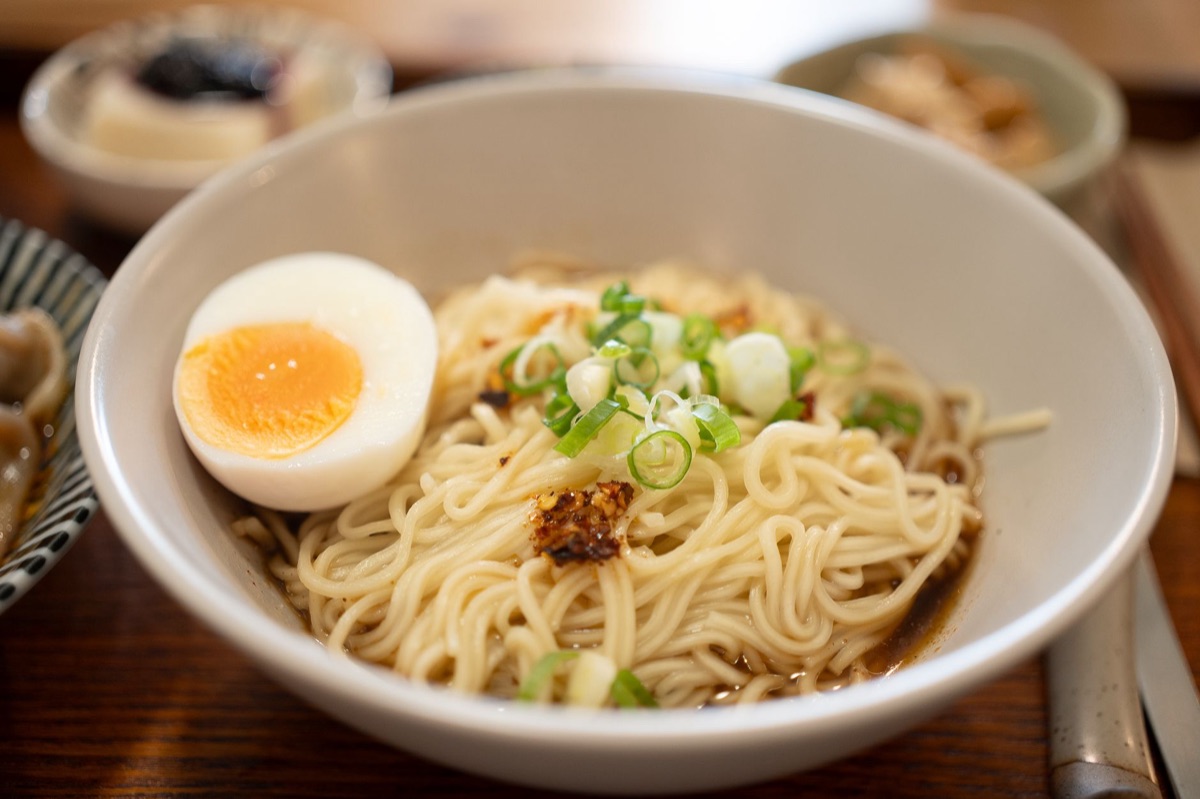
What defines the "Spicy Profile" of Chinese-style noodles?
The steam from a bowl of spicy noodles hits your face at a crowded street stall in Chengdu, carrying a sharp, floral scent that makes your nose tingle before you even take a bite. This immediate sensory impact is the hallmark of Chinese-style spicy noodles.
According to the World Instant Noodles Association, China was the world's largest instant noodle market in 2018, with demand reaching 40.25 billion servings.
The "Mala" concept—a combination of numbing and spicy—is the core of this profile. It is achieved through the marriage of Sichuan peppercorns and dried chilies. While the chilies provide the heat, the peppercorns provide a unique vibration on the tongue that keeps the palate alert.
In many Chinese-style noodles, chili oil is not a mere topping but a primary flavoring agent. Think of a thick, red oil infused with aromatics like star anise or cinnamon. This oil coats every strand of noodle, ensuring that the heat is present in every single mouthful.
The approach is often "aggressive," meaning the spice is designed to be a primary character. In regions like Sichuan, the heat is intense and complex, while in Hunan, the focus shifts to a purer, sharper chili heat.
Because these noodles often rely on these bold spices to define the flavor, the spice level can feel much higher than a standard soup. However, most people assume this heat is just about raw pain, but that is where the real complexity begins.
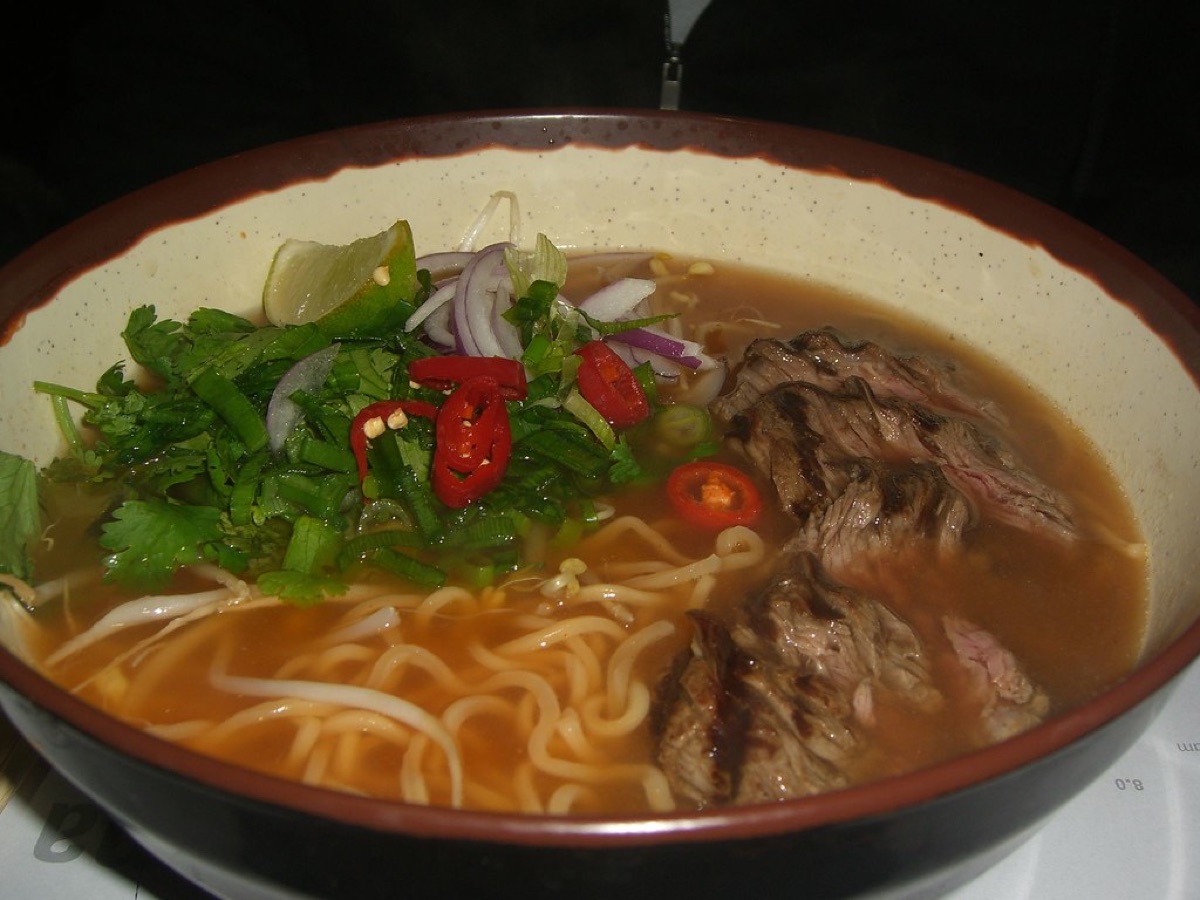
How does Japanese ramen incorporate heat without losing broth identity?
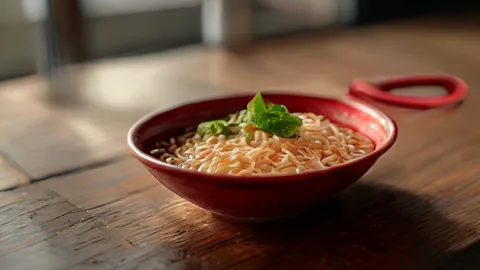
A heavy ceramic bowl sits on a wooden table in a dim Tokyo shop, and as you lift the spoon, you see a rich, creamy broth where the spice is a swirling ribbon of color rather than a drowning force. This is how Japanese ramen handles heat.
According to the International Ramen Manufacturers Association, Taiwan is theworld's twelfth-largest instant noodle market, with annual sales of NT$10 billion (US$300 million).
In Japanese styles, such as Spicy Miso or Tantanmen, spiciness plays a "supportive" role. The goal is to enhance the umami—the savory depth—of the base broth, such as Tonkotsu (pork bone) or Shoyu (soy sauce). The spice is a layer, not the entire identity.
Fermentation plays a massive role here. Chefs often use spicy Miso or garlic-heavy pastes to create a deep, savory-spicy profile. This allows the heat to integrate seamlessly into the liquid. Instead of a sharp sting, you get a gradual release of flavor.
Toppings like spicy minced meat (Nikumiso) or chili-infused lard provide a textured heat. This "warmth" factor is central to the Japanese experience. It is a comforting, lingering heat that settles in the throat, designed to complement a hearty meal rather than overwhelm it.
The contrast between these two approaches is stark, but understanding how they interact with the palate is where you find the true mastery.
The Great Comparison: Numbing vs. Savory Heat
The kitchen is a blur of motion as a chef tosses dried chilies into a hot wok, sending a cloud of spice into the air that makes you blink. Comparing these two styles requires looking at how they treat the human palate.
The USDA states that for instant noodles dehydrated by frying, the moisture content cannot exceed 8%.
The primary distinction lies in the sensation. Chinese noodles often aim for a "numbing/tingling" sensation that clears the senses. In contrast, Japanese ramen focuses on a "rich/savory" heat that deepens the eating experience.
| Feature | Chinese-Style Spicy Noodles | Japanese-Style Spicy Ramen |
|---|---|---|
| Primary Sensation | Numbing & Sharp | Rich & Savory |
| Key Ingredients | Sichuan Peppercorns, Dried Chilies | Miso, Garlic Oil (Mayu), Ginger |
| Role of Spice | Defines the flavor profile | Enhances the base broth |
| Texture | Oil-heavy and aromatic | Broth-integrated and creamy |
The ingredient breakdown shows a clear divide. Chinese recipes frequently utilize star anise, cinnamon, and fermented black beans to create a complex aromatic profile. Japanese recipes lean on chili-infused garlic oil (Mayu), spicy ground pork, and ginger to build a savory foundation.
When I tried a fusion bowl in a small kitchen last year, I realized that the Chinese style hits the front of the tongue while the Japanese style settles deep in the throat.
While Chinese noodles use spice to create a bold identity, Japanese ramen uses salt and MSG-heavy broths to balance the spice. This ensures that even a spicy bowl remains a liquid-heavy, soup-focused meal. But why did these two paths diverge so significantly?
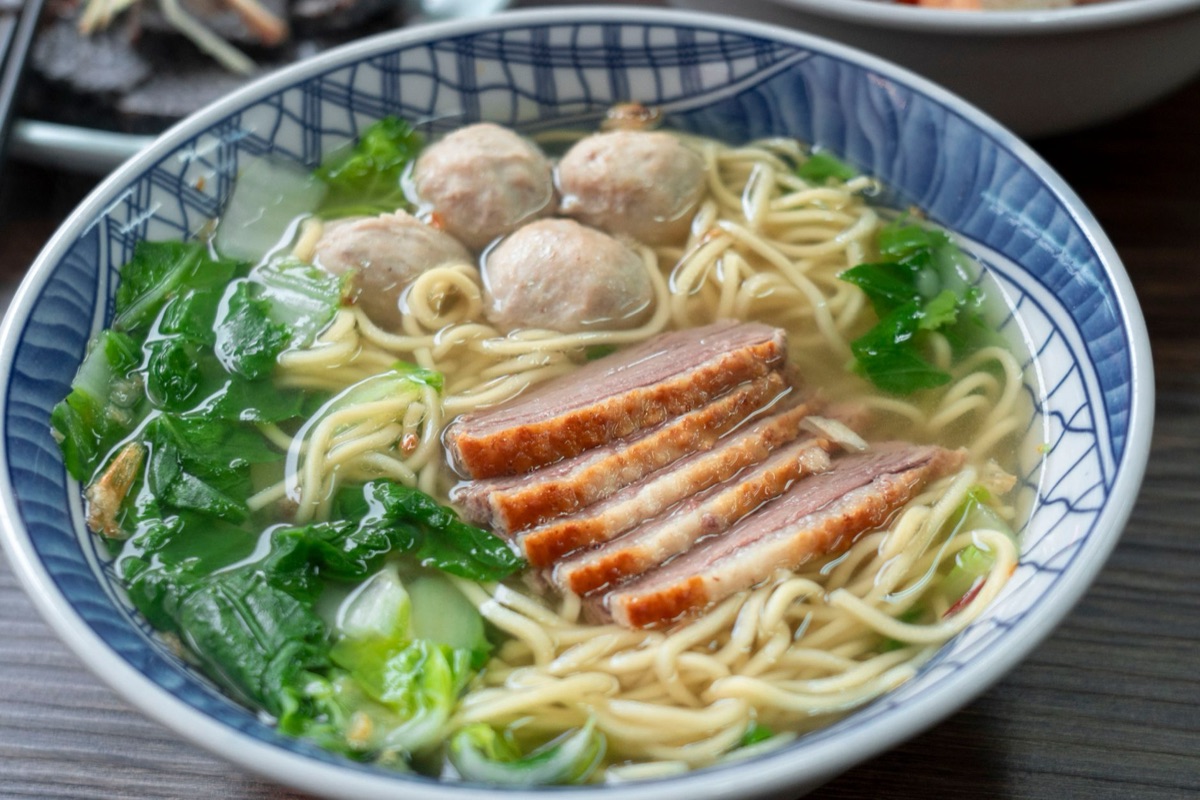
Why do these different heat levels exist?
The sun beats down on a bustling street market where vendors prepare spicy dishes to provide a quick, energizing boost to passersby. This historical context explains why spice levels vary so much between cultures.
In many Chinese culinary traditions, spice was historically used as an appetite stimulant and a way to aid digestion. The "Yin and Yang" of heat and oil is a delicate balance; the spice provides a sharp energy that cuts through heavy, oily textures.
For Japanese ramen, the evolution was different. It developed as a hearty, "soul food" style meal. In this context, spice acts as a seasoning for a comforting, nourishing broth. The goal is a balanced, satiating meal that provides warmth to the body.
The cultural focus on "soulful" broth in Japan means that the spice must never mask the quality of the pork or seaweed base. In Chinese styles, the spice is often the star of the show, a celebrated element of the culinary art.
So, how do you decide which one to order when you're standing at a menu?
How to choose your perfect bowl: A guide for spice lovers
You stand before a menu, eyes scanning the different red-tinted bowls, wondering which one will satisfy your current mood. Choosing between these two styles depends entirely on what kind of "heat" you are looking for.
To make the right choice, follow these steps to match your craving:
- Identify your goal: Decide if you want a sensory "wake-up call" or a "comforting hug."
- Check the base: If you want a clear, aromatic oil-based soup, look for Chinese styles. If you want a thick, creamy broth, look for Japanese styles.
- Assess your appetite: Choose Chinese noodles for a sharp, stimulating meal, or Japanese ramen for a heavy, satiating feast.
There is also a "hybrid" exception to keep in mind. Tantanmen is a fascinating middle ground. It uses Chinese-inspired ingredients like chili oil and Sichuan peppercorns but is often served in a Japanese-style creamy broth, offering a bridge between numbing heat and savory comfort.
Note on dietary limits: These spicy profiles are highly variable. If you have a sensitive stomach or a low tolerance for capsaicin, the "aggressive" heat of Chinese styles may be overwhelming compared to the more controlled Japanese versions.
Related



Comments 0