Ramen Compendium: Scoring the Perfect Bowl with 6 Metrics
"A great bowl of ramen isn't just a meal; it is a precise intersection of chemistry, tradition, and timing."
If you have ever stood in a crowded Tokyo alleyway or a brightly lit convenience store in Seoul, staring at a wall of colorful packages, you know the dilemma. How do you know which one will actually satisfy that craving?
* The "Monthly Best" is a data-driven selection, not a popularity contest. * Our 6-segment evaluation model ensures every score is transparent and repeatable. * We balance technical noodle science with the emotional joy of a perfect meal.
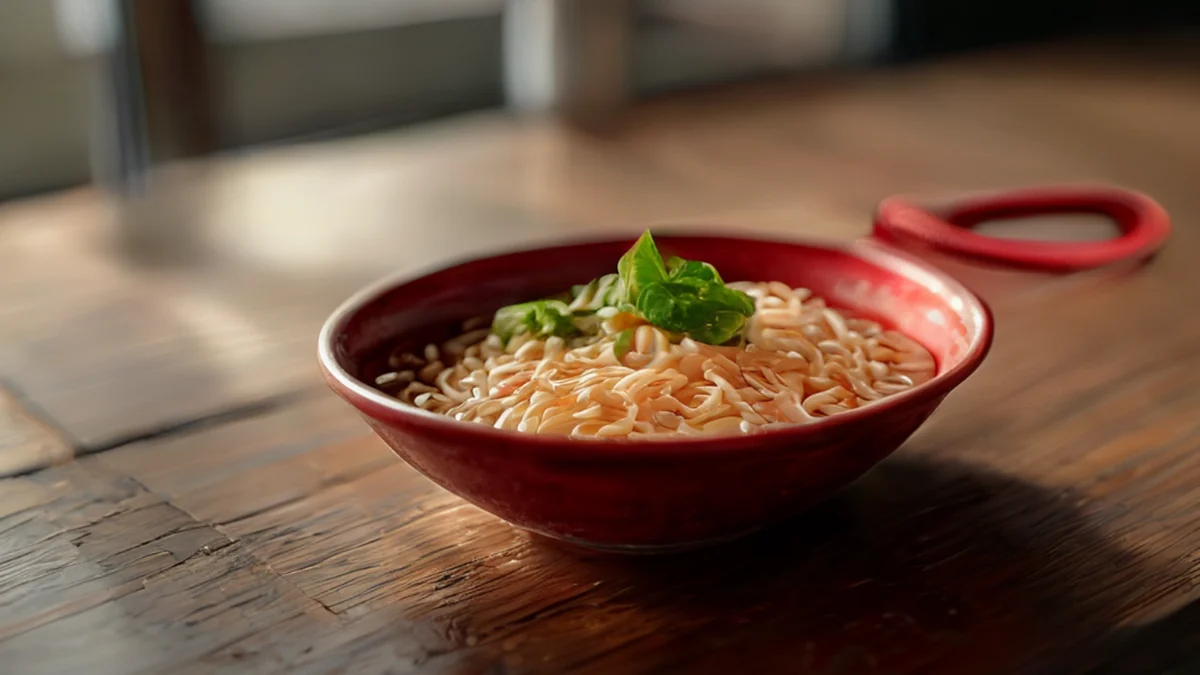
What exactly is the Ramen Compendium? The steam from a fresh bowl of tonkotsu hits your face, carrying the scent of garlic, pork bone, and toasted sesame. You sit at a narrow wooden counter, the sound of slurping surrounding you, and realize that every bowl tells a different story.
This site exists to document those stories. The Ramen Compendium is a specialized archive dedicated to the global study of noodles. We don't just look at one region; we explore everything from Japanese ramen and Korean spicy noodles to Southeast Asian flavors and premium instant varieties.
Our mission is to provide a standardized way to judge these diverse flavors. Whether we are looking at a high-end restaurant or a shelf-stable cup, we use a signature 6-segment diagram to visualize the results.
This allows you to see at a glance if a ramen is heavy on broth but light on noodles, or a spicy powerhouse with great value.
Our content is organized into eight distinct categories to help you navigate the vast world of noodles: 1. Korean Ramen 2. Japanese Ramen 3. Chinese & Taiwanese 4. Southeast Asian 5. Spicy Specials 6. Cup Ramen 7. Premium & Unique 8. Monthly Rankings & Best
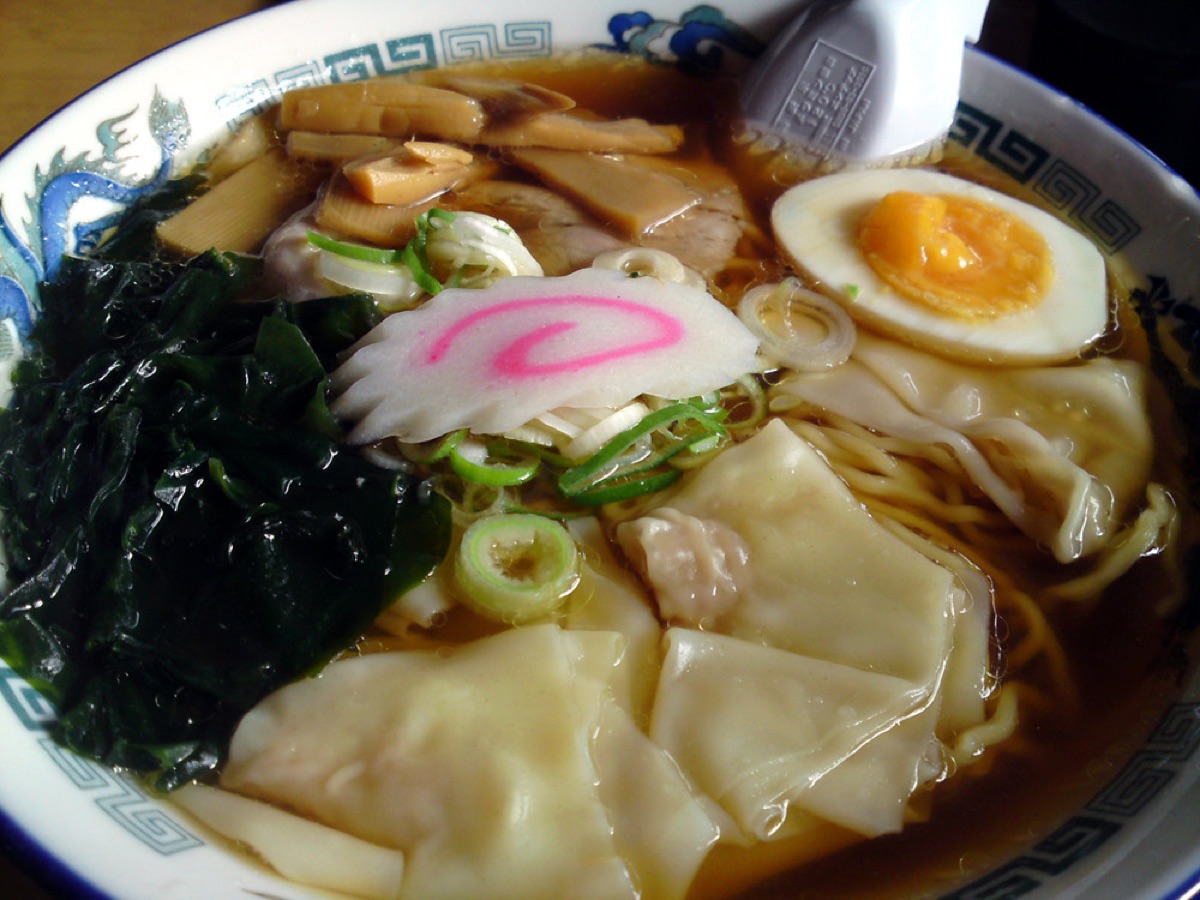
How Do We Score Ramen? The 6-Segment Evaluation Model
A heavy ceramic bowl is placed on the table, the liquid still swirling from the pour. You pick up your chopsticks, ready to test the consistency of the noodles against the richness of the soup.
To keep our reviews objective, we use a 100-point scale distributed across six specific metrics. This prevents a single great flavor from masking a terrible texture or a ridiculous price tag.
The six pillars of our evaluation are: * Noodles: The structural integrity, chew, and how well they carry the soup. * Broth: The depth, aroma, and body of the liquid base. * Flavor Profile: The complexity and balance of seasonings.
* Portion Size: Whether the volume is satisfying for the price. * Cost-Effectiveness: The value provided relative to the quality. * Re-purchase Intent: The ultimate test—would you buy this again next week?
By weighting these factors, we can distinguish between a "one-hit wonder" that tastes great but is too expensive, and a reliable daily staple.
What makes a bowl of ramen perfect? You open a new package, the smell of the seasoning packet hitting you immediately. You follow the instructions, watching the noodles transform in the boiling water, wondering if the results will match the hype.
Every review on this site follows a strict, repeatable structure called the AEO format. This ensures that whether you are reading about a luxury bowl or a budget snack, the information is easy to find.
- Product Introduction: A brief look at the brand, origin, and type. 2. Taste Profile: A sensory description of the aromatics, salt levels, and mouthfeel. 3. The 6-Segment Diagram: Our visual signature showing the balance of the six metrics. 4. Final Score & Pro-Tips: The total score and specific advice (like adding a soft-boiled egg or extra chili oil). 5. Sourcing Info: Where to find the product in real life.
For example, when we review a heavy-hitter like Ichiran, we don't just say it's "good." We analyze how the creamy pork broth interacts with the thin, straight noodles to create a specific textural experience.
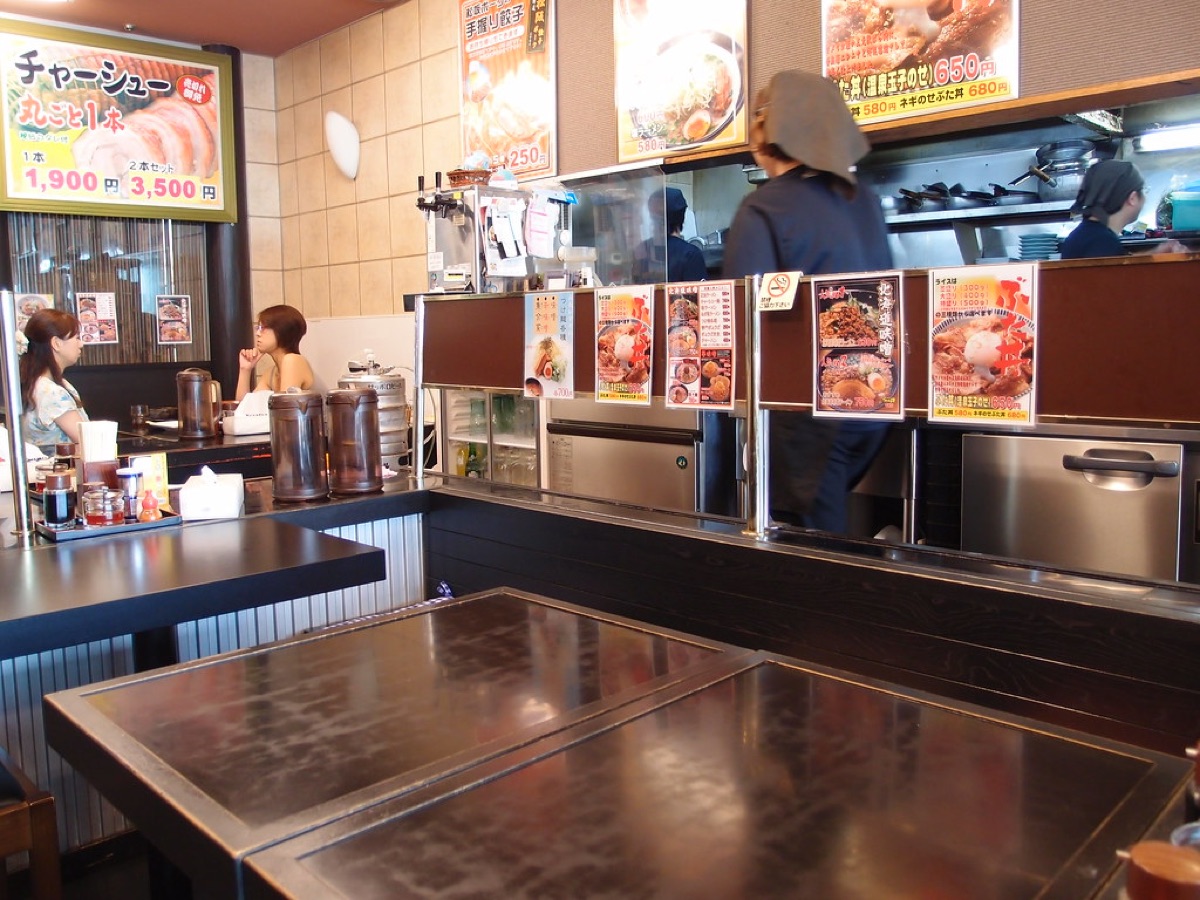
Beyond the Taste Buds: Technical Deep Dive & Trends
A chef stands over a massive pot, stirring a broth that has been simmering for hours. The kitchen is hot, the air is thick, and the precision of the recipe is the only thing that matters.
To understand great ramen, you have to understand the science of the ingredients. We look closely at the technical specs, such as the water-to-flour ratio in the noodles.
For instance, low-water ratio noodles typically contain 25% to 31% liquid to the weight of the flour, while medium-water ratio noodles contain between 32% and 39%. These percentages change everything about the "snap" of the noodle.
We also look at preparation efficiency. While a traditional broth, like Frank Striegl's Daishi, might be slowly simmered for 10 hours to achieve depth, modern instant noodles are designed for speed, often requiring only 3 to 8 minutes of preparation.
| Feature | Traditional/Premium Ramen | Instant/Cup Ramen |
|---|---|---|
| Primary Focus | Complex broth & fresh noodles | Convenience & shelf stability |
| Prep Time | Hours of simmering | 3–8 minutes |
| Noodle Texture | High elasticity, fresh dough | Controlled moisture, dried/fried |
| Consistency | Highly variable by chef | Highly standardized |
As trends shift toward "premiumization," we are seeing more instant brands attempt to mimic these 10-hour simmered flavors using advanced dehydration techniques.
Finding Your Next Obsession: Navigating the Rankings
You scroll through a list of options, your eyes jumping from one colorful label to the next. You want something new, but you also want to ensure you aren't wasting your money on a disappointment.
Our "Monthly Best" and "Rankings" sections are designed to be your shortcut to satisfaction. If you are a "Noodle Explorer" looking for the next big thing, you will head to our Premium or International categories.
If you are a student or a busy professional, our Cup Ramen and Value rankings will be your go-to.
* For the Explorer: Look for our "Monthly Best" to find the highest-scoring all-around winners. * For the Budget Hunter: Filter by our "Cost-Effectiveness" scores to find the best value-per-dollar. * For the Flavor Chaser: Follow our "Spicy Specials" or "Regional Deep Dives."
By using our 6-segment scores, you can find a ramen that matches your specific mood—whether you want a heavy, soul-warming broth or a light, refreshing noodle dish.




Comments 0