North American ramen evolution: Why wheat became a lifeline
"Wheat became the lifeline for many when traditional food distribution systems failed to keep pace with immediate hunger."
The North American ramen evolution is a journey of transformation from a survival staple to a diverse culinary phenomenon. This guide explores how the dish shifted from simple wheat noodles to complex flavored meals, highlighting the historical roots and the nutritional profile of common varieties.
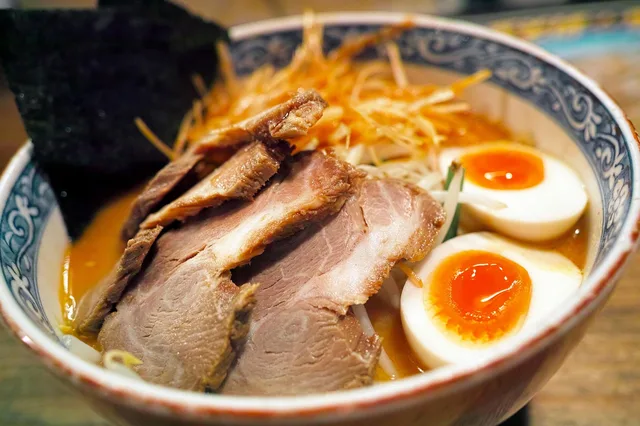
You will learn about the historical origins of wheat-based noodles, the nutritional data for dry beef-flavored ramen, and why sodium levels are a key consideration.
This analysis is intended for readers interested in food history and nutrition, though it does not cover the specific commercial marketing strategies of individual brands.
How did ramen history begin?
A vendor stirs a steaming pot of broth while customers gather in the dim light of a crowded street. The North American ramen evolution is deeply connected to the global shifts in wheat consumption.
According to Wikipedia, from 1948 to 1951, bread consumption in Japan increased from 262,121 tons to 611,784 tons.
During this era, wheat also found its way into ramen, which many people ate at black market food vendors to survive because the government food distribution system ran about 20 days behind schedule.
- Wheat noodles were introduced from China.
- Street vendors began selling them in urban centers.
- Instant varieties revolutionized global consumption.
Where can you see the culture? North American ramen evolution
At night, you wander through a crowded market in the north and feel the warmth of the steam against your skin.
A visitor walks through a curated exhibit filled with traditional kitchen tools and vintage noodle packaging. Exploring US ramen culture trends often leads people to realize how deeply these roots are preserved.
The Shin-Yokohama Ramen Museum is a museum about ramen, which is located in the Shin-Yokohama district of Kōhoku-ku, Yokohama. While North American flavors have diverged, these cultural hubs maintain the history of the dish's origin.
I see it most clearly in the bustling night markets of Tokyo.
What is the nutritional profile of ramen?
A person carefully reads the nutrition label on a dry package of instant noodles. Understanding ramen ingredient analysis requires looking at the specific components of dry noodles.
According to USDA FoodData Central, dry ramen noodle soup of any flavor contains 440kcal, 60.3g of carbohydrates, and 17.6g of fat per 100g.
How does flavor change the nutrition?
A cook adds a packet of seasoning to a boiling pot of water to enhance the savory scent. The taste of American ramen often relies on concentrated flavor packets that alter the nutritional density.
According to USDA FoodData Central, dry beef flavor ramen noodle soup contains 441kcal, 60.3g of carbohydrates, and 17.7g of fat per 100g.
Is there a specific serving concern?
A consumer pours a standard portion of noodles into a ceramic bowl for a quick meal. When considering the dietary impact, the size of the portion is a critical factor. However, instant ramen noodles, known to have a serving of 43g, contain very high sodium.
I noticed during my own meal preparation that managing salt intake is essential when using these convenient products.
How to prepare a standard serving?
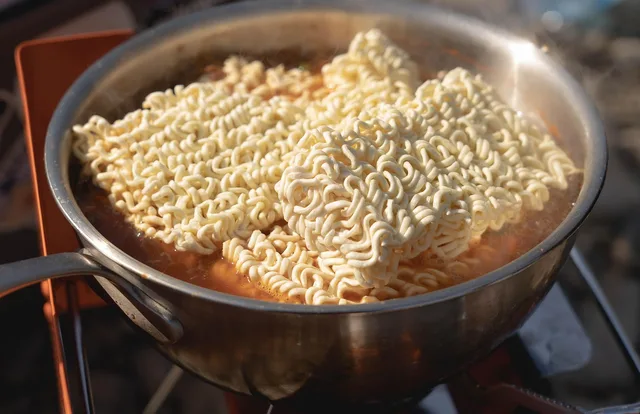
A hand reaches for a kettle to pour hot water over the noodles in a bowl. To prepare this meal effectively, follow these steps:
- Boil water in a kettle or pot. 2. Add the noodles to the liquid or place them in a bowl and pour water over them. 3. Incorporate the seasoning packet according to the package directions.
Always check the packaging for specific cooking times to ensure the noodles reach the desired texture.
| Nutrient (per 100g) | Any Flavor (Dry) | Beef Flavor (Dry) |
|---|---|---|
| Calories | 440kcal | 441kcal |
| Carbohydrates | 60.3g | 60.3g |
The scope of this discussion is limited to the historical and nutritional aspects of dry ramen noodles and does not include the cultural impact of specific North American regional variations.
The same subject is also called American ramen history.
This part also covers Best cheap ramen in US.
This part also covers How ramen cooking changed.
This part also covers Unique ramen flavor profiles.
Best cheap ramen in US
Related
What factors influence the sodium content?
- The concentration of the seasoning packet directly impacts the sodium level of the final broth.
- Different flavor profiles utilize varying amounts of salt to achieve their desired taste.
- Consumers should compare the sodium content across different dry ramen packages to make an informed choice.
The sodium level is a key consideration because the flavor packets are designed to be potent. Wheat noodles themselves contribute little to the overall saltiness, but the broth ingredients do most of the work. This caution regarding salt intake is reinforced when preparing any instant noodle product.
How has the preparation method shifted over time?
- Early street vendor methods involved simple boiling in a crowded setting.
- Modern preparation often involves precise timing, as indicated by packaging instructions.
- The shift moves from necessity-driven cooking to convenience-driven meals.
The initial reliance on wheat for survival meant preparation was often rudimentary. Now, the process incorporates specific steps to optimize texture and flavor, reflecting the dish's transition. Wheat became the lifeline, and now it is a carefully managed ingredient in a quick meal.
The comparison between old and new methods shows a move toward standardization in the preparation of these noodles. The complexity of the seasoning packet reflects this procedural change. The evolution of wheat consumption in this context shows a clear trajectory from scarcity to choice.




Comments 0