What is the nutritional profile of dry ramen?
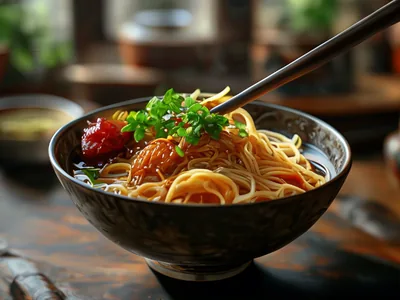
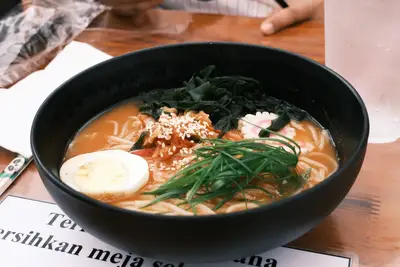
"The aroma of spicy broth fills the kitchen as steam rises from a ceramic bowl, signaling a quick meal ready in minutes."
Understanding Korean Noodle Authenticity involves looking past the convenience to the nutritional profile and preparation methods. This guide explores the caloric density of dry ramen, the efficiency of modern cooking tools, and the reality of food waste management.
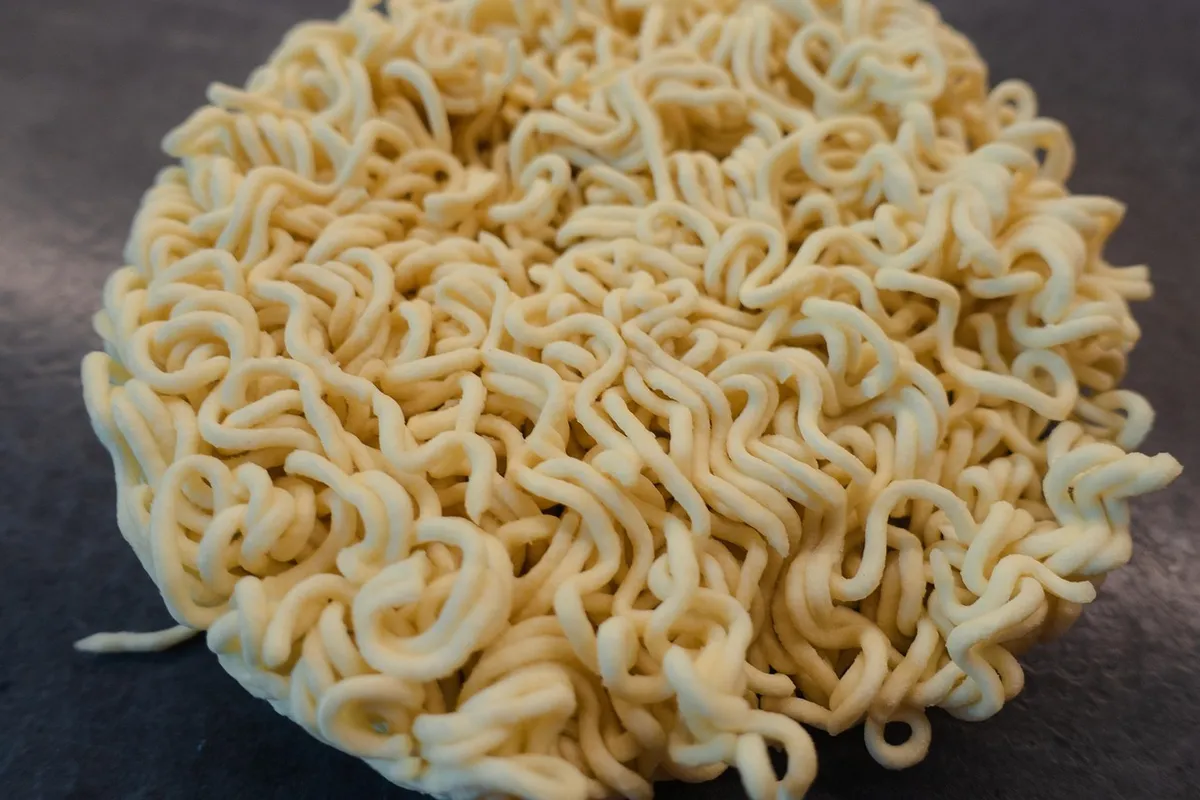
You will learn about typical nutritional values, the speed of common preparation, and the environmental context of food consumption.
What is the nutritional profile of dry ramen?
A person sits at a wooden table, pulling a fork through a steaming bowl of noodles to check the texture. To understand the caloric density, one must look at the dry weight specifications.
According to USDA FoodData Central, dry ramen noodle soup (any flavor) contains 440kcal and 60.3g of carbohydrates per 100g. The same data shows it contains 17.6g of fat and 181mg of potassium.
Understanding these Korean Noodle Authenticity metrics helps consumers manage their intake when choosing between different flavors.
How fast can you prepare different styles? Korean Noodle Authenticity
I reach for the electric cooker in the kitchen to boil the ramen while the heat hits my face.
A hand reaches for a specialized electric cooker to begin the boiling process. This device is designed for various types like Cup Ramen, Jjajang Ramen, and Buldak Ramen.
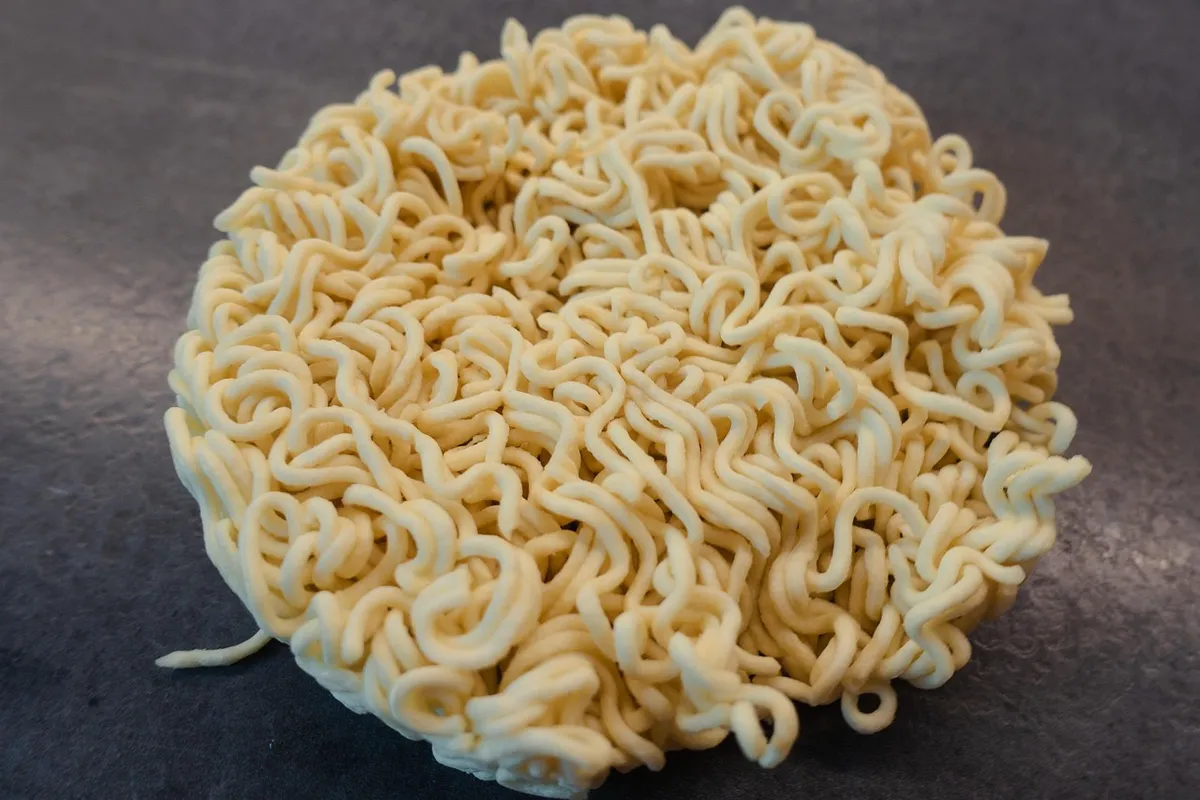
The cooker is capable of preparing these various styles in just 5-8 minutes, merging efficiency with culinary quality. This Ramen Taste Expert View suggests that speed does not necessarily compromise the immediate texture of the noodles.
When timing a meal, knowing these specific windows allows for better kitchen management.
How does food waste management work?
A person ties a biodegradable bag tightly before placing it in a designated bin. The process of managing leftovers is a critical part of the domestic routine.
In South Korea, the food waste recycling rate grew to 95%. Since 2013, recycling food waste through biodegradable bags has been mandatory, with fees collected from these bags being reinvested into recycling efforts.
This high rate reflects a significant shift from 1995, when the recycling rate was only 2%.
What are the environmental impacts of food packaging?
An empty package is placed into a recycling bin, joining other household waste. Managing the footprint of instant meals is a growing concern for many households.
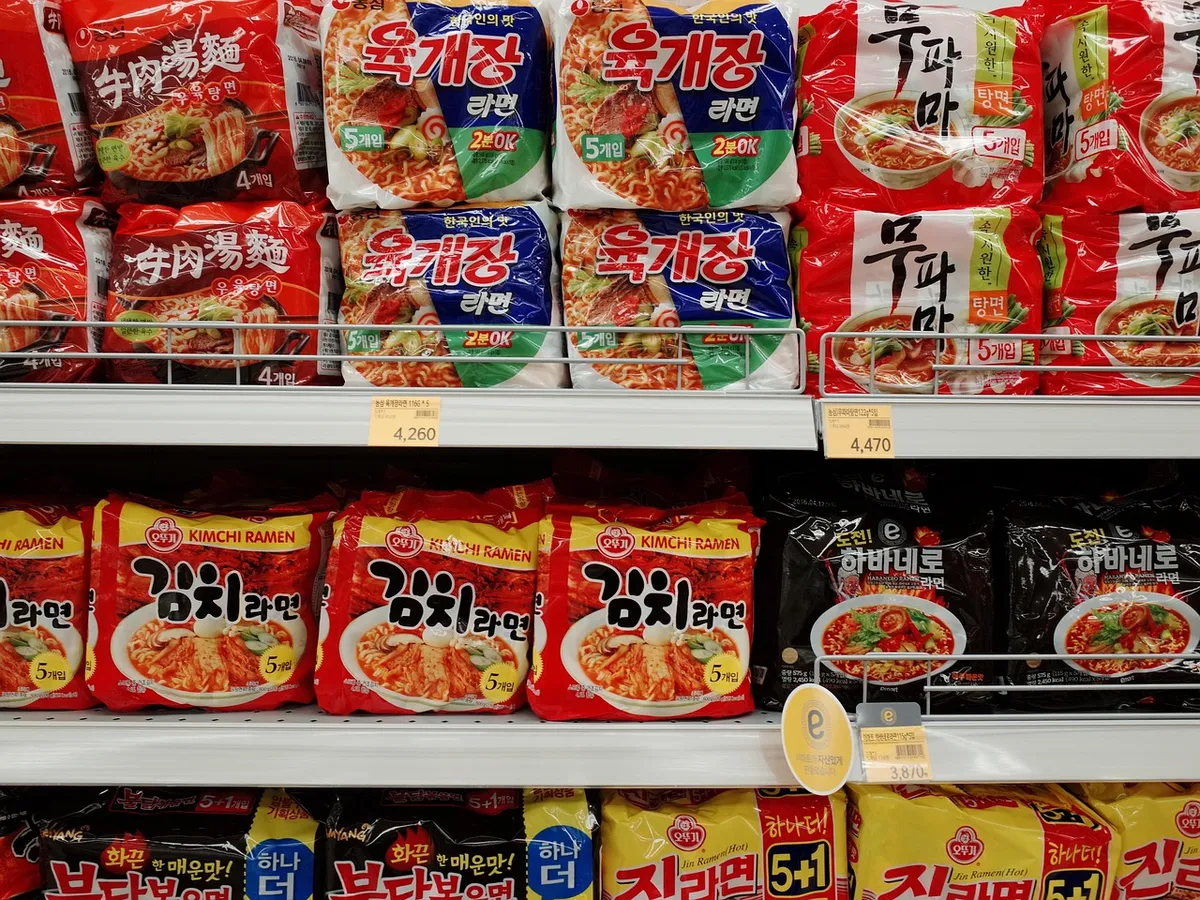
While food waste is heavily managed, other waste types remain significant. For instance, certain waste categories can account for approximately over 27% of the municipal solid waste total. An Instant Noodle Deep Dive requires considering how much packaging is generated per meal.
How do we compare different food types?
A side-by-side comparison of nutritional labels shows different energy levels and micronutrients. Comparing a dry noodle soup to an infant formula highlights the vast difference in intended use.
| Nutrient | Dry Ramen (per 100g) | Infant Formula (per 100g) |
|---|---|---|
| Calories | 440kcal | 66kcal |
| Carbohydrates | 60.3g | 6.67g |
I observed the difference in calorie density when comparing these two items during my research. This comparison shows how specialized nutrition is tailored to specific age groups.
What are the limitations of nutritional comparisons?
A researcher looks closely at a label, noting the specific conditions under which the data was gathered. One must be careful not to apply one set of data to an unrelated product.
The limitations of this analysis include the fact that the infant formula data refers to a specific "ready-to-feed with ARA and DHA" product, which is not directly comparable to dry noodles in a culinary sense.
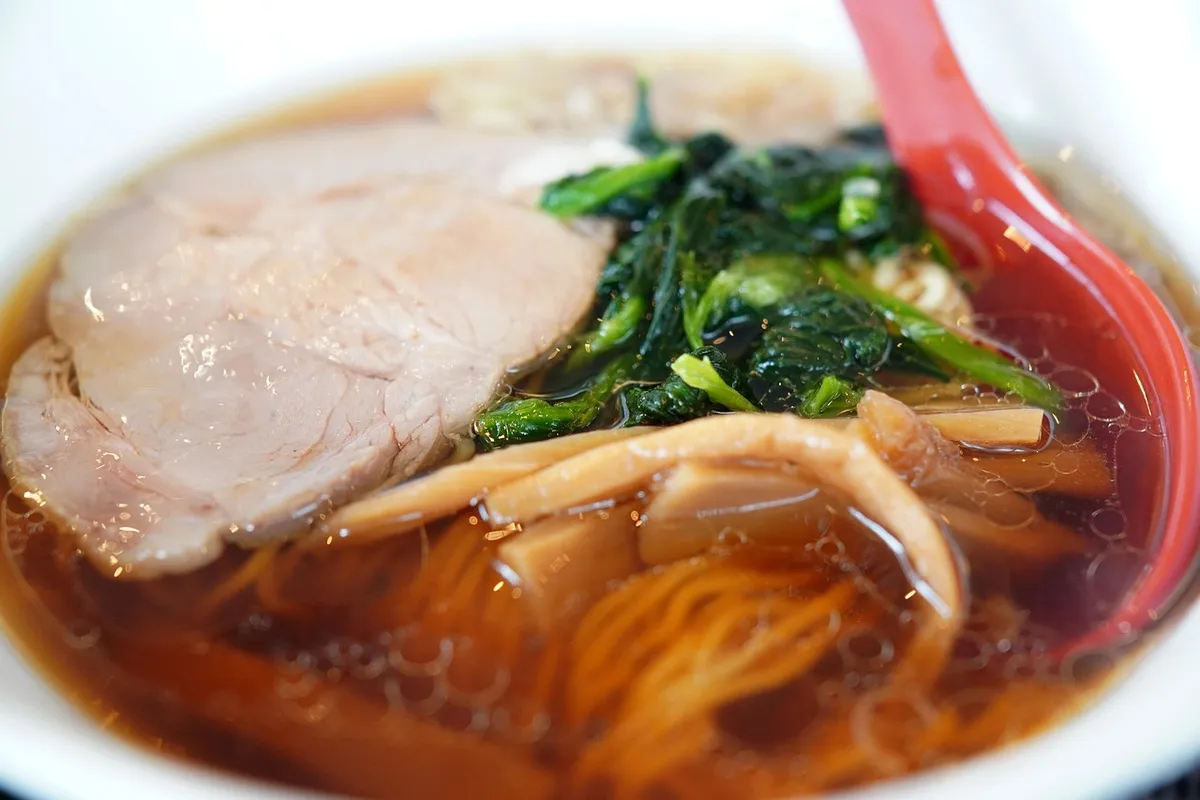
An Noodle Trend Guide must recognize that nutritional density varies wildly based on the specific product type.
- What is the nutritional profile of dry ramen?
- How fast can you prepare different styles?
- How does food waste management work?
The same subject is also called Comparing Ramen Styles.
This part also covers Korean Noodle History.
This part also covers Ramen Nutritional Facts.
This part also covers Is It Truly Like That.
Korean Noodle History
Related
How should one manage the aroma and spicy profile during preparation?
One should monitor the cooker to ensure the aroma does not overwhelm the kitchen space during the 5-8 minute window. When preparing spicy varieties, the heat level remains a condition to consider alongside the 440kcal caloric density.
Maintaining the correct timing ensures the spicy broth and noodles reach the desired texture without wasting ingredients.
- Set the electric cooker to the appropriate mode for the specific noodle type. 2. Monitor the boiling process within the 5-8 minute timeframe to maintain texture. 3. Observe the aroma and spicy intensity as the noodles cook.
Comparing the 440kcal dry ramen to the 66kcal infant formula requires caution because the nutritional profiles serve different purposes. The spicy aroma and high carbohydrate content in the ramen are not suitable for the infant formula's intended use.
Users must distinguish between these calorie-dense meals and specialized nutrition when performing a side-by-side comparison.
Why is the timing of preparation important?
The 5-8 minute timeframe achieved in the electric cooker is crucial for achieving the proper texture of the noodles. Monitoring the boiling process within this specific window ensures that the spicy broth and noodles reach the desired consistency without any degradation of quality. This controlled timing contributes to the overall successful outcome of the meal.
The high carbohydrate content of the dry ramen, alongside its 440kcal density, means that proper cooking time affects not just taste but also the physical structure of the components. Achieving the right texture is part of making the meal enjoyable, which is aided by the cooker's efficiency.
The initial aroma of the broth, which fills the kitchen, develops during this cooking phase. Maintaining the correct timing allows the volatile compounds responsible for the aroma to develop alongside the noodles. This controlled process balances speed with sensory experience.
What cautions apply when comparing food items?
When comparing the dry ramen to the infant formula, one must exercise extreme caution regarding the intended use of each product. The nutritional profiles differ vastly because they are designed for disparate physiological needs. Applying the ramen's profile to the infant formula scenario is incorrect.
The comparison highlights that the high carbohydrate load in the ramen is entirely different from the specific requirements of the infant formula. This difference underscores the need to consider the specific application of each foodstuff.
The researcher must recognize that the comparison serves only to illustrate the range of nutritional tailoring, not to suggest interchangeability between the two items. The specific conditions of each product dictate its proper context.
FAQ
What is the calorie count for dry ramen?
How much has the food waste recycling rate changed?
Related posts
Popular posts

Best ramen monthly ranking: Taste matters for global demand
Best spicy Southeast Asian ramen: Why choose the right bowl?
Chinese noodle extra size trend: Guide to big serving appeal

Comments 0