European Ramen Culture guide how to taste ramen abroad
"Ramen is no longer just a Japanese export; it has become a global culinary language that adapts to the local pantry of every continent it touches."
European ramen culture exists as a vibrant fusion of traditional East Asian techniques and local European ingredients, ranging from specialized gourmet shops in major cities to accessible instant varieties in local supermarkets.
While authentic styles prioritize specific dashi and wheat noodle textures, the European market often incorporates regional proteins and local seasoning preferences.
This guide explores how to navigate these flavors, what to look for when buying ramen in Europe, and how to recreate these tastes at home.
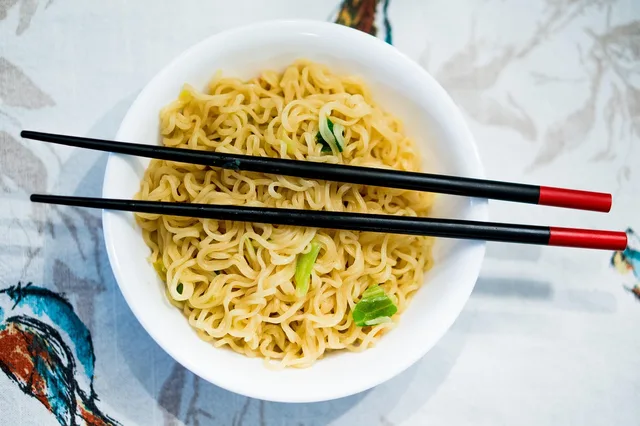
* The evolution of ramen from an import to a local staple. * Key differences in ingredient availability between Asia and Europe. * Practical steps for improving instant ramen quality. * A note on the limitations of recreating authentic broth without specialized tools.
Is there actually a ramen culture in Europe?
At dusk, I walk through a narrow Berlin alleyway while the scent of toasted sesame oil hits my nose, signaling a thriving European ramen culture. A traveler walks through a narrow cobblestone street in Berlin, following the scent of toasted sesame oil and simmering pork bones. The steam from a large pot rises against the cool evening air, signaling a kitchen working hard to replicate a complex broth.
According to The European Library, the service provides access to resources from 49 European national libraries and a growing number of research libraries.
This scene is common in many metropolitan hubs where rep has taken root.
The presence of dedicated ramen houses in cities like Paris, London, and Berlin proves that the demand for high-quality, authentic bowls is substantial. These establishments often use local European produce to supplement traditional imports, creating a unique regional identity.
While the core philosophy remains Japanese, the execution often reflects the local culinary landscape.
European ramen culture is characterized by this blend of tradition and adaptation. Many chefs use high-quality local wheat or even incorporate regional seafood to build depth. This evolution ensures that the dish remains relevant to the local palate while respecting its origins.
I find that the second point in this evolution is the most significant.
How to taste ramen abroad?
At dusk in a quiet Brussels cafe, I lean forward to catch the savory aroma while my hands wrap around a warm ceramic bowl of European ramen.
A diner sits at a polished wooden counter in a quiet corner of Brussels, watching a chef carefully slice a soft-boiled egg. The rhythmic sound of chopping vegetables provides a backdrop to the intense aroma of miso and garlic.
This is the essence of trying to taste ramen abroad in a way that feels both foreign and familiar.
When exploring these flavors, it is important to distinguish between quick snack options and sit-down culinary experiences. Many supermarkets carry various instant brands that offer a quick taste of Asian flavors, but these differ significantly from restaurant-grade bowls.
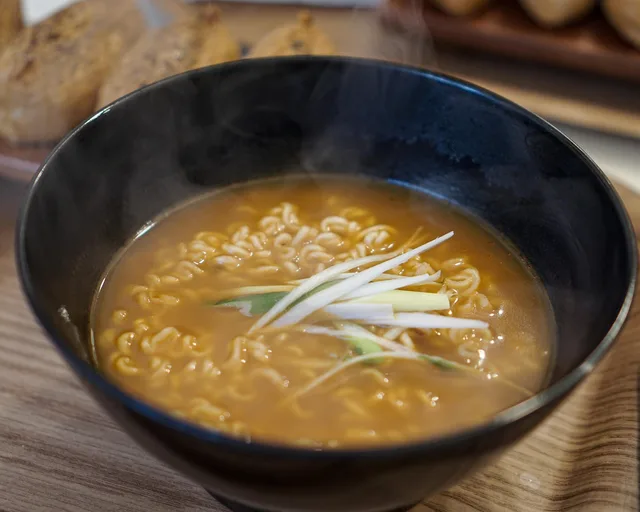
For a deeper experience, seek out specialized shops that focus on specific styles like Tonkotsu or Shoyu.
The variety available allows for a wide spectrum of exploration. You might find everything from spicy varieties to milder, creamier textures. Understanding these distinctions helps you navigate the diverse options found in different European regions.
- Locate specialized ramen shops in major cities.
- Check local food blogs for authentic recommendations.
- Visit Japanese grocery stores for high-quality instant varieties.
How can I best buy ramen in Europe?
A shopper reaches for a bright plastic packet on a crowded shelf in a large supermarket in Madrid. The colorful packaging stands out among the local pasta and bread selections, marking a clear departure from traditional Mediterranean staples.
This is the most common way to buy ramen in Europe for daily convenience.
For those seeking convenience, local grocery stores are the primary source for instant varieties. These are often easy to find in the international aisle or near the dried pasta sections.
However, if you are looking for premium dried noodles or specific seasoning packets, specialty Asian markets are a much better resource.
| Item Type | Primary Source | Typical Availability |
|---|---|---|
| Instant Packets | Local Supermarkets | High |
| Specialty Dried Noodles | Asian Grocers | Moderate |
I find that checking the ingredient list on these supermarket brands is the best way to gauge the expected salt and spice levels before purchasing.
Can you use a ramen ingredient guide for local cooking?
A home cook stands in a bright kitchen in Lyon, surrounded by fresh vegetables and a small jar of dried seaweed. They consult a ramen ingredient guide to see how local items might substitute for traditional Asian components.
The goal is to bridge the gap between what is available and what is desired.
To successfully cook at home using local ingredients, follow these steps:
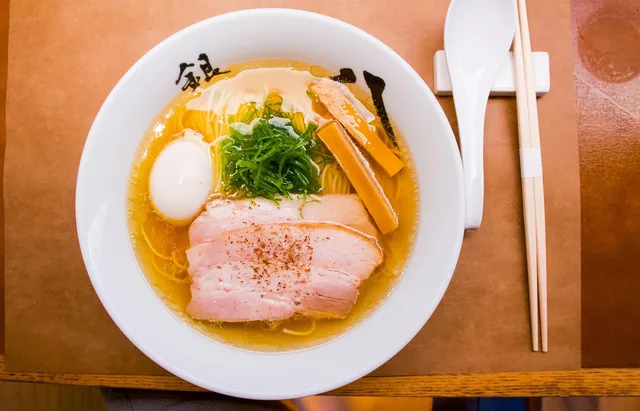
- Select a high-quality base, such as a rich bone broth or a concentrated vegetable stock, to mimic the depth of traditional dashi. 2. Incorporate local proteins; for example, using European anchovies can add a savory, salty dimension to a seafood-based broth. According to USDA FoodData Central, 100g of raw European anchovy fish provides 548kj of energy and 104mg of sodium. 3. Add fresh toppings like local greens, soft-boiled eggs, or sliced mushrooms to enhance the texture and visual appeal.
Finally, check the seasoning balance by tasting the broth before adding the noodles to ensure the salt level is sufficient.
What are the tips for making ramen in Europe?
A person carefully stirs a simmering pot on a stovetop, watching the liquid turn a deep, golden color. They are focused on the Making Ramen in Europe process, ensuring the heat is controlled to prevent the noodles from becoming mushy.
This careful attention to detail is what separates a simple meal from a culinary event.
To elevate your home cooking, consider these Ramen Recipe Tips: focus on the "tare" (seasoning base) to provide the primary flavor profile. Instead of relying solely on the powder provided in instant kits, try creating a small amount of concentrated soy or miso sauce.
Additionally, using Ramen Authentic Ramen Standards as a mental checklist—such as the texture of the noodle and the richness of the fat—can help guide your efforts.
If you are working with limited equipment, such as lacking a dedicated noodle maker, you can still achieve great results by selecting high-quality store-bought fresh noodles. This approach focuses on the quality of the components rather than the complexity of the tools.
Is there a limitation to this style?
A chef looks at a mountain of imported spices, realizing that some specific regional aromas are difficult to replicate with local substitutes. The limitation of this culinary movement is that certain highly specific, fermented ingredients may not be readily available in every European town.
The authenticity of the experience is sometimes limited by the seasonal availability of specific Asian vegetables or the difficulty of sourcing high-grade kombu or specialized miso in remote areas.
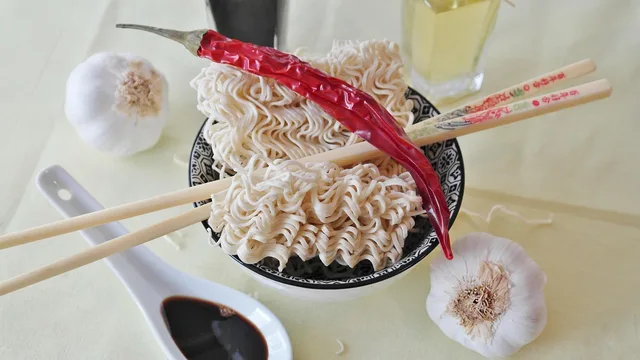
While the culture is thriving, the depth of flavor can vary based on how close you are to a major culinary hub. ## FAQ
How can I find authentic ramen in Europe?
To find authentic ramen, look for specialized ramen houses in major metropolitan cities like London, Paris, or Berlin. These establishments often focus on specific traditional styles and use high-quality ingredients to replicate the experience found in Asia.
What should I look for when buying ramen in Europe?
When buying ramen in Europe, you can choose between convenient instant packets found in local supermarkets or higher-quality dried noodles and seasonings found in specialized Asian grocery stores. The choice depends on whether you want a quick snack or a more involved cooking experience.
The European ramen scene is a testament to how food travels and transforms. Whether you are grabbing a quick packet from a supermarket or sitting at a dedicated ramen bar, the flavors offer a unique way to experience a global tradition through a local lens.





Comments 0