Ramen guide 6mm noodle tips best taste culture
"The essence of a meal lies not just in its heat, but in how its ingredients reflect the history of the hands that prepared them."
Ramen variations differ significantly based on local ingredient availability, regional noodle textures, and global commercial trends. This guide explores the distinction between traditional Japanese noodles and international styles, highlighting how flavor profiles shift across borders.
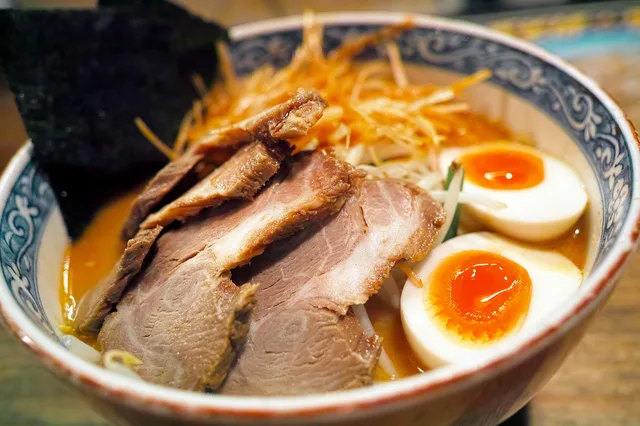
You will learn about specific nutritional compositions, the global market presence of major brands, and specialized shopping experiences. This analysis is limited to comparing established noodle varieties and documented commercial trends rather than providing culinary instruction. 1.
Nutritional differences between dry ramen varieties. 2. The role of seasonal ingredients in Japanese cuisine. 3. Global commercial success of regional ramen brands. * Specialized retail concepts in urban centers.
How do noodle textures change?
At midnight in the dim kitchen, I bite into the ramen to feel the firm resistance against my teeth.
A chef pulls thin strands from a boiling pot to check the consistency of the dough. While many people assume all wheat noodles are identical, their width and composition vary greatly.
Noodle thickness is a primary factor in texture. For instance, Sōmen noodles are very similar to hiyamugi and udon noodles, only they are thinner at about 1.3mm in width. In contrast, udon are white, wheat-based noodles that are 4-6mm in width.
I once compared these textures by hand, feeling the distinct resistance of the thicker wheat strands compared to the delicate thinness of Sōmen.
What defines the Japanese ramen taste culture? Ramen taste culture comparison
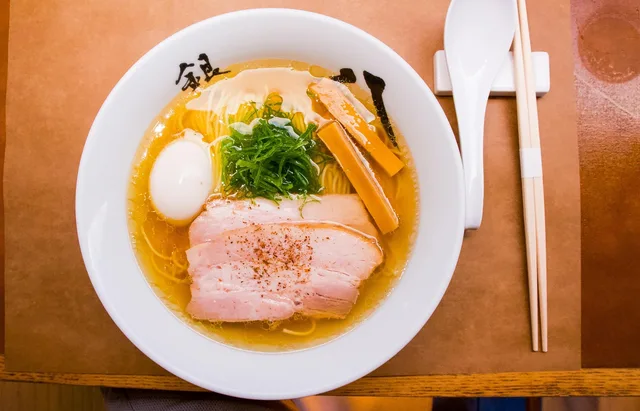
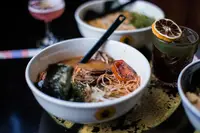
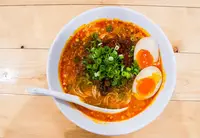
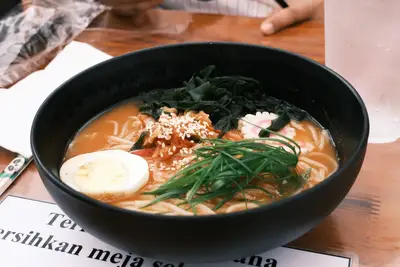
A steaming bowl sits on a wooden counter as the aroma of broth fills the small shop. The flavor profile is often tied to the deep tradition of regional cooking.
The Japanese cuisine tradition, known as washoku, focuses on simple, fresh, and seasonal ingredients. This approach is so significant that it has been a UNESCO Intangible Cultural Heritage since 2013.
This dedication to seasonality ensures that the broth and toppings reflect the specific time of year.
Why is there a global ramen flavor analysis?
A traveler walks through a bright, modern shop filled with colorful packaging from different countries. Different ramen ingredient styles emerge as these products travel across oceans.
The commercial landscape of these noodles is massive and highly internationalized. Samyang now earns roughly 80 percent of its revenue from overseas markets. This high percentage of international sales highlights the global appeal of specific spicy or savory flavor profiles.
How are people buying ramen across regions?
A tourist navigates narrow aisles in a specialized shop to find a specific brand of spicy noodles. The way people interact with these products depends heavily on local retail trends.
According to The Ramyun Library, the concept store near Hongik University in Seoul has become a genuine travel destination for visitors from across Asia, where tourists browse curated ramen selections the way others browse wine.
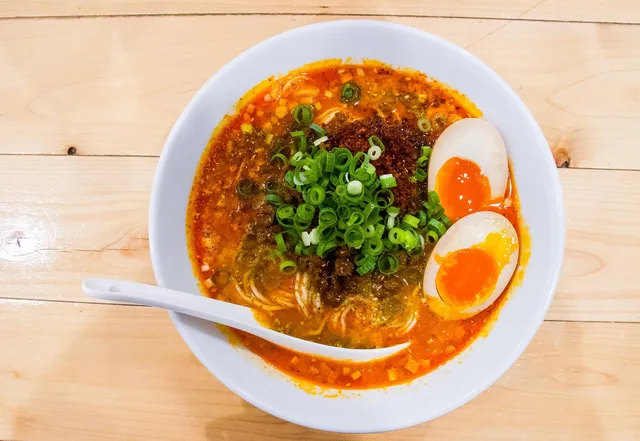
In some urban centers, shopping has become a destination in itself. The Ramyun Library concept store near Hongik University in Seoul has become a genuine travel destination for visitors from across Asia. In this space, tourists browse curated ramen selections the way others browse wine.
What are the nutritional differences?
A researcher examines a label to check the specific breakdown of carbohydrates and vitamins. Different formulations lead to varying nutritional profiles in a standard serving. According to USDA FoodData Central, dry beef flavor ramen noodles contain 441kcal and 60.3g of carbohydrates per 100g.
Nutritional differences between dry ramen varieties are documented by organizations like USDA FoodData Central.
The nutritional content varies depending on the specific flavor and preparation.
If the flavor is beef, the 100g serving of dry soup, ramen noodle, contains 441kcal, 60.3g of carbohydrates, and 3.93mg of iron.
| Nutrient (per 100g dry) | Any Flavor | Beef Flavor |
|---|---|---|
| Carbohydrates | 60.3g | 60.3g |
| Calories | 440kcal | 441kcal |
How does language impact the food?
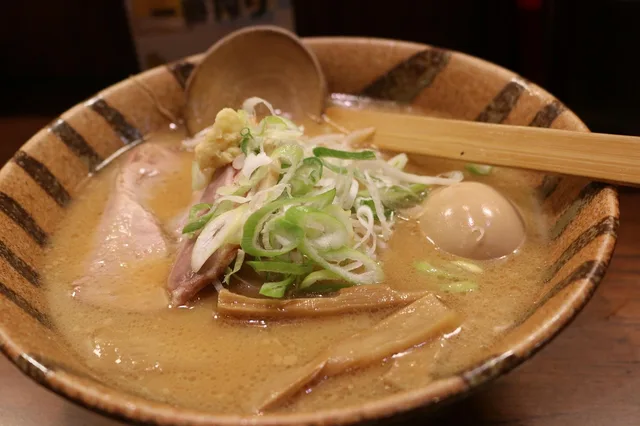
A scholar looks through a dictionary to understand the origins of a specific culinary term. The linguistic roots of the food often mirror the cultural exchange between nations.
The terminology used in Japanese food often reflects historical linguistic shifts.
This linguistic blend often mirrors the way ingredients have been integrated into the culture over time.
The subject here is Ramen taste culture comparison.
The same subject is also called Local ramen food differences.
This part also covers Reviewing international ramen shops.
This part also covers Price point ramen market study.
This part also covers Unique ramen cooking methods.
Reviewing international ramen shops
Related
- Ichiran Tonkotsu in Europe: Guide to best ramen flavors
- Ramen spice truth analysis: See how flavor map reveals truth
How do regional variations affect the essence of a meal?
The essence of a meal is determined by the specific ingredients used in a recipe. When comparing different noodle types, the width of the strand serves as a primary condition for the final texture.
- Measure the width of the strand to determine if it is Sōmen or udon. 2. Compare the thickness of the dough to assess the resistance felt during preparation. 3. Check the specific flavor profile to identify if it is beef or another variety.
Comparing the nutritional content of different flavors requires a careful look at the specific labels. A comparison between any flavor and beef flavor shows a slight difference in caloric density and iron content.
This variation is a condition of the specific ingredient composition used in each variety.





Comments 0