Spicy Ramen History and Trends: Why Heat Evolved Over Time
"Time is the secret ingredient that separates a quick snack from a culinary masterpiece."
Spicy ramen history and trends involve a fascinating journey from slow-simmered artisanal broths to the rapid convenience of modern instant noodles.
This exploration covers the evolution of heat, the contrast between handmade and instant methods, and the market shifts that shaped global noodle consumption.
Key takeaways include the significant time investment required for traditional sauces, the massive scale of the instant noodle industry, and the varying nutritional profiles found in dry ramen varieties.
How did the flavor of spicy ramen evolve over time?
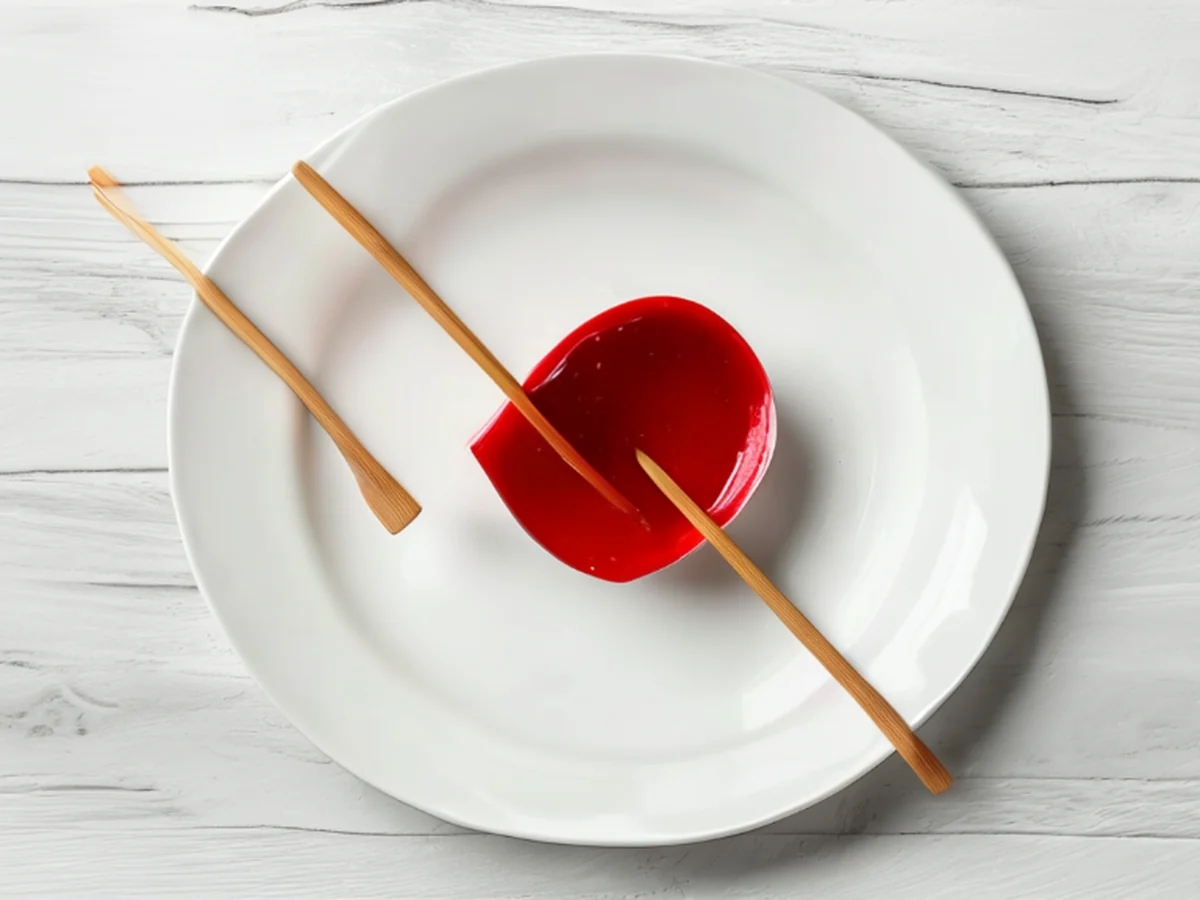
As the sun sets over the old kitchen, the chef tastes the simmering broth and feels a sudden, spicy sting on his tongue.
A chef stirs a heavy iron pot of simmering broth while the steam rises to the ceiling. The transition from traditional simmering to modern seasoning reflects a significant shift in how heat is applied to noodles.
Spicy ramen evolution began with slow-cooked bases, but modern tastes have introduced much faster ways to achieve intense flavors.
Traditional methods focus on depth, as some ramen sauces take about 20 hours to be ready. This lengthy process allows complex flavors to develop through long-term reduction and infusion.
While these artisanal methods offer unique profiles, the industry has moved toward quicker solutions to meet global demand.
The hot noodle flavor shift occurred as manufacturers mastered the art of instant seasoning. This transition allowed for consistent heat levels that could be replicated in minutes rather than hours.
While the slow method remains a gold standard for chefs, the rapid method brought spice to a much wider audience.
What defines the difference between handmade and instant noodles?
In the quiet morning light, she pulls the thick noodles from the pot and feels the intense, spicy heat radiating against her skin.
A cook carefully kneads dough by hand while an automated machine processes thousands of packets per hour. The distinction between these two styles lies primarily in the time and technique used during production.
Understanding these differences helps clarify why certain flavors remain premium while others dominate the market.
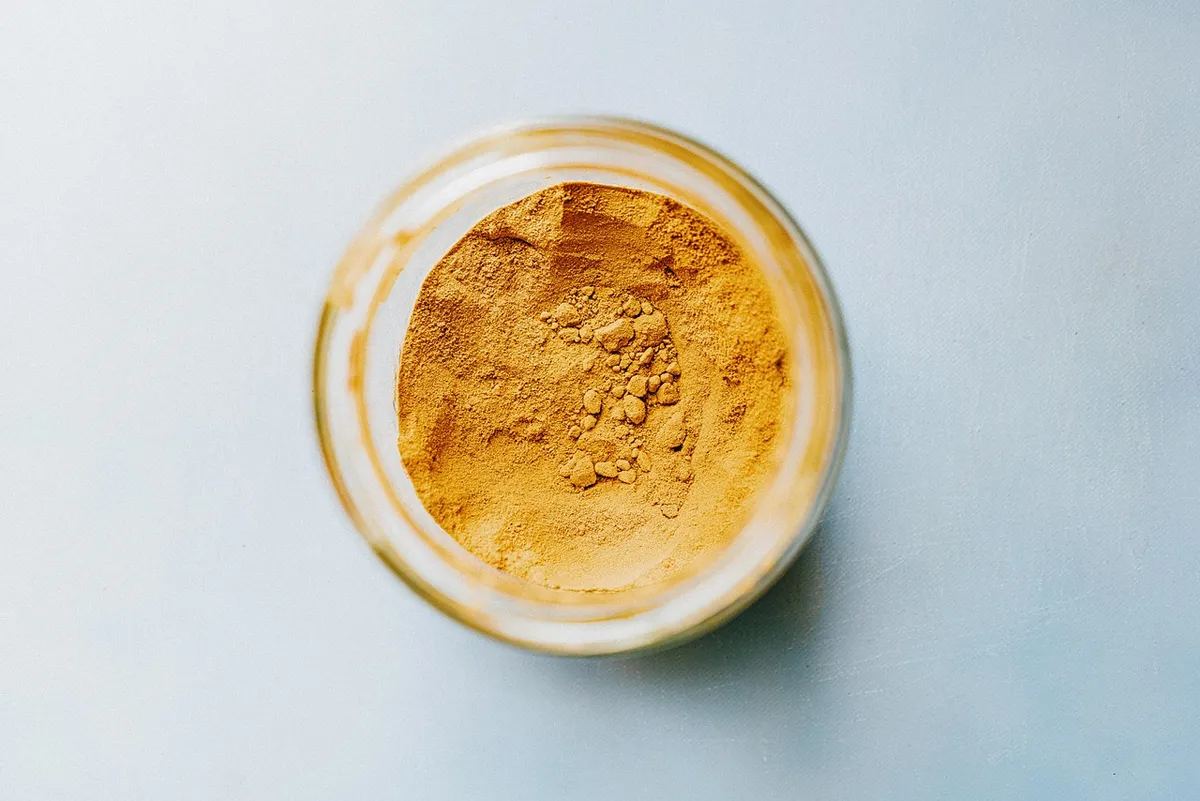
Handmade ramen takes hours and hours to be ready, while instant noodles are made in just 5 minutes. This massive difference in preparation time defines the two distinct categories of the dining experience. One focuses on the craft of the kitchen, while the other focuses on the speed of the consumer.
The ramen heat recipe for handmade versions often involves complex, layered spice extractions. In contrast, instant versions rely on dehydrated seasonings to provide a quick burst of heat. Both styles aim to satisfy different cravings, whether it is a slow meal or a fast snack.
How do market shares reflect global spicy ramen trends?
A retail manager organizes shelves filled with colorful noodle packaging in a brightly lit supermarket. The landscape of the noodle industry is highly competitive, with various brands fighting for dominance in different regions.
Looking at these figures reveals how different companies have shaped the way the world eats noodles.
The industry shows diverse levels of dominance across different territories. For instance, Tōyō Suisan, under the brand name Maruchan, which includes products like "Akai Kitsune" and "Midori no Tanuki," holds a 19.2% market share.
Meanwhile, Sanyō Foods, known for "Sapporo Ichiban," maintains an 11.5% market share.
Market fluctuations often follow the introduction of new competitors. In 1999, the figure for one specific brand was about 90%; however, their market share declined following the introduction of "Mie Sedaap" by Wings Food in 2003.
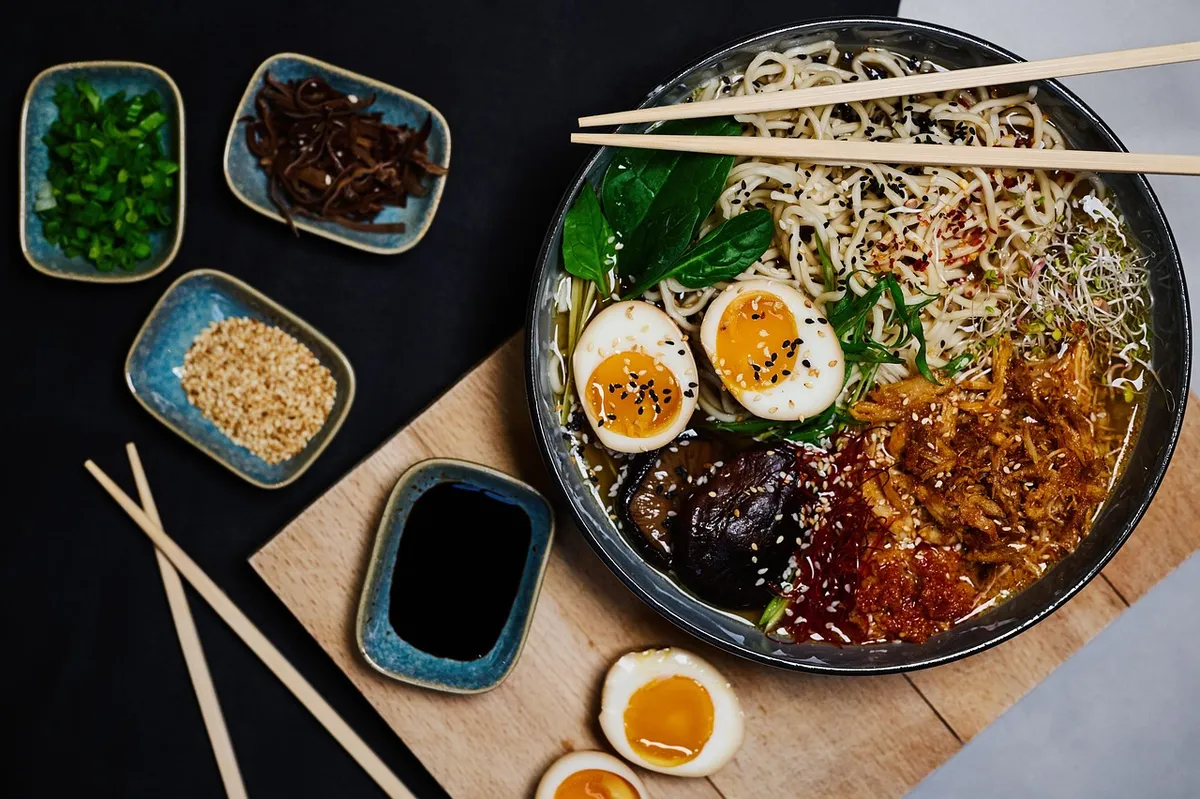
These shifts demonstrate how consumer preferences for specific spice profiles can change the industry overnight.
| Brand/Manufacturer | Market Share |
|---|---|
| Tōyō Suisan (Maruchan) | 19.2% |
| Sanyō Foods (Sapporo Ichiban) | 11.5% |
What are the nutritional aspects of dry ramen?
A person examines a nutritional label on a packet of dry noodles before cooking. When considering the impact of these foods, understanding the composition of dry noodles is essential for informed consumption.
The nutritional content can vary depending on the specific flavor profiles and ingredients used.
For dry beef-flavored ramen noodles, 100g contains 441kcal, 17.7g of fat, 60.3g of carbohydrates, 3.93mg of iron, and 3g of dietary fiber.
Another variety of dry ramen noodles contains 440kcal, 17.6g of fat, and 60.3g of carbohydrates per 100g.
These figures provide a baseline for understanding the energy density of these products. While the flavors provide the heat, the base ingredients provide the caloric content.
It is important to note that these values are specific to dry noodles and can change significantly once water is added during cooking.
How do modern production methods affect the spicy ramen flavor?
A factory worker monitors a high-speed conveyor belt moving trays of noodles. The intersection of technology and tradition has created a wide spectrum of available flavors. Modern techniques allow for a level of consistency that was impossible with purely manual methods.
The flavor evolution in ramen is often driven by the ability to stabilize spice levels in packaged goods. This allows a brand to maintain a specific "heat" identity across millions of units. These technical advancements have made spicy noodles a global staple.
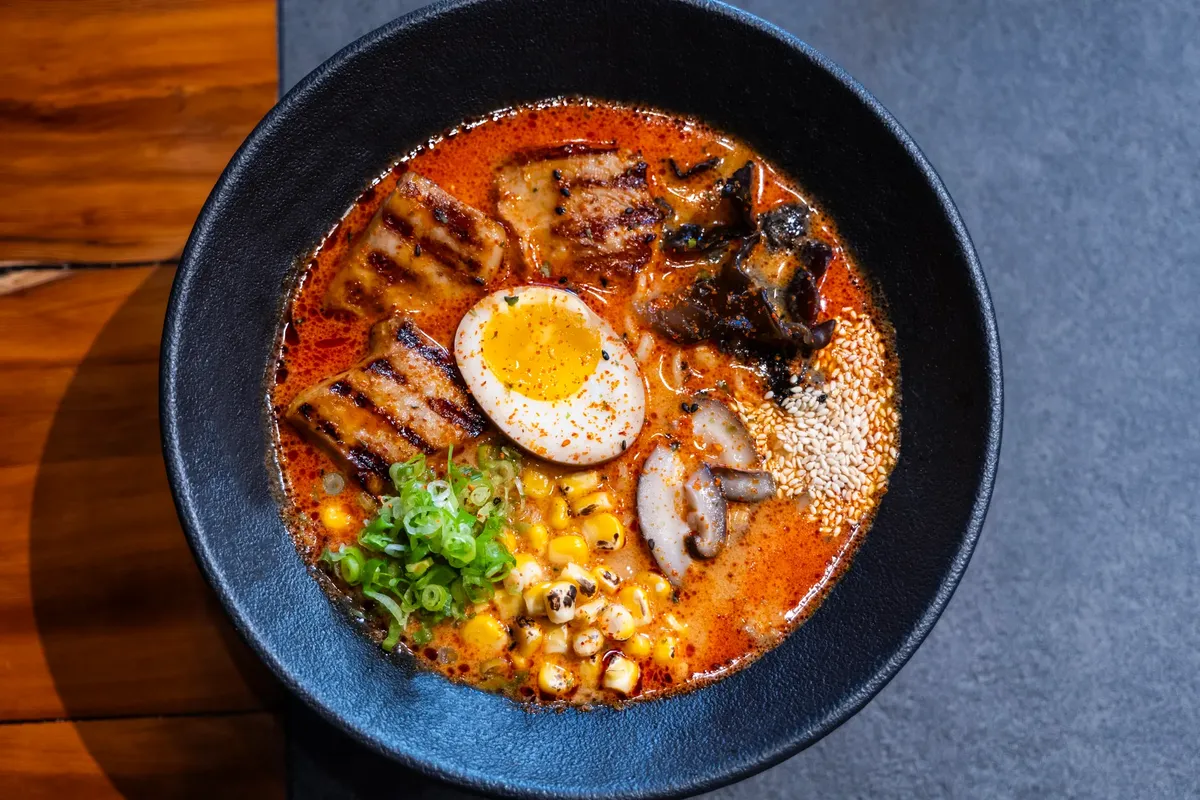
Spicy ramen trends now lean toward both convenience and intensity. Some consumers seek the artisanal depth of a 20-hour sauce, while others prefer the 5-minute convenience of instant packets. This duality ensures that there is a spicy option for every lifestyle and time constraint.
- How did the flavor of spicy ramen evolve over time?
- What defines the difference between handmade and instant noodles?
- How do market shares reflect global spicy ramen trends?
Spicy Ramen History and Trends
The subject here is Spicy Ramen History and Trends.
This part also covers Spicy Ramen Cooking Methods.
Spicy Ramen Cooking Methods
Related


Comments 0