Spicy cup noodle true worth: Global ramen market guide
"The value of a quick meal often lies in its accessibility and the intense satisfaction of a single, flavorful bowl."
This guide examines market growth, flavor trends, and specific nutritional data to provide a complete picture of the instant noodle landscape.
Key takeaways: 1. The global ramen market shows significant growth, with projections reaching over $94 billion by 2033. * Spicy flavor profiles, including kimchi and curry, have seen a 31% global growth. 2. Nutritional content varies by flavor, with beef-flavored dry noodles offering specific levels of iron and fiber.
What defines the spicy cup noodle true worth in a growing market?
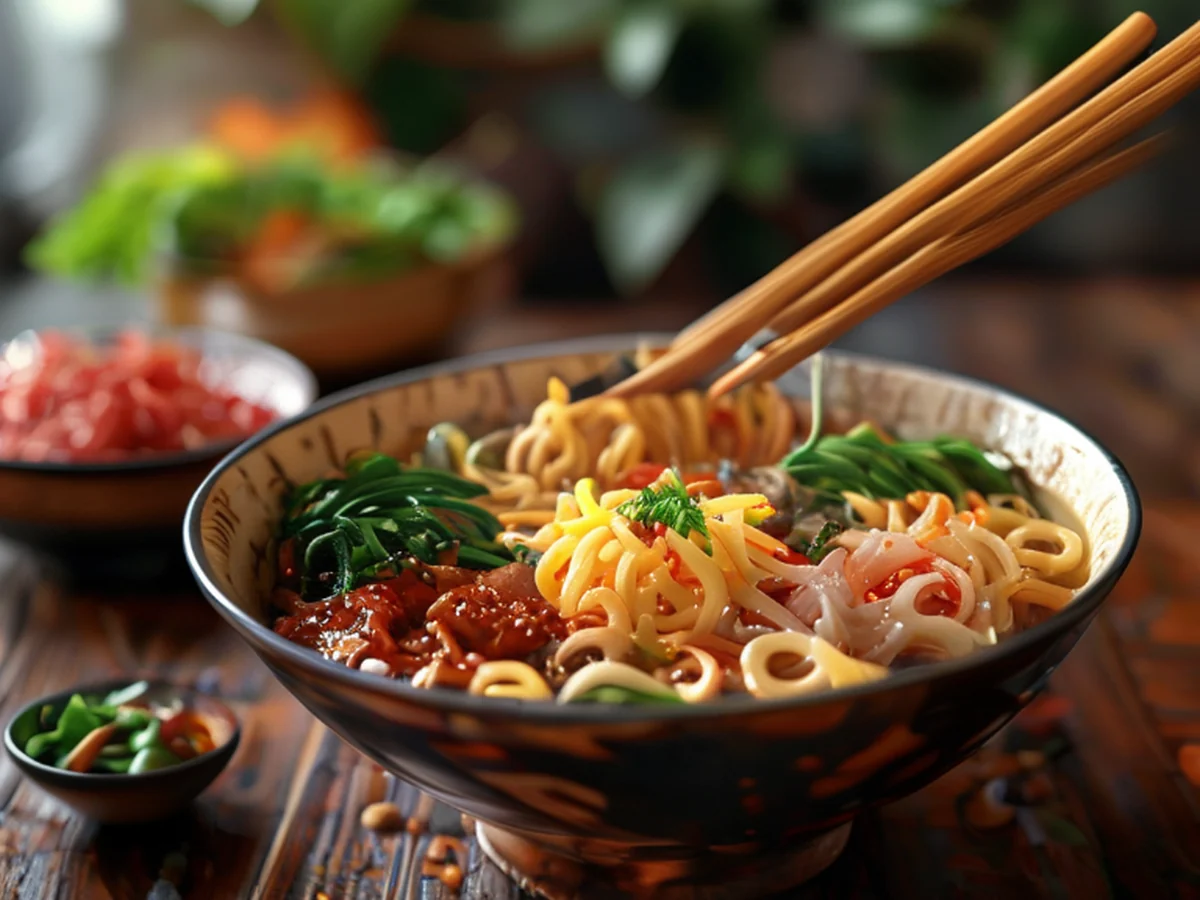
A hand reaches for a steaming cup on a rainy afternoon, the steam carrying a sharp, spicy aroma. This simple act reflects a massive global trend where the spicy cup noodle true worth is increasingly measured by convenience and flavor intensity.
The scale of this industry is immense. Another report estimates the instant ramen market at $55.91 million in 2025, growing to $84.26 million by 2033 with a CAGR of 5.26%. These figures highlight how the hot ramen cup value is being built through consistent global demand.
How do flavor trends shape the hot ramen cup value?
A person stirs a bright red broth, the spice level causing a slight heat on the tongue. This sensory experience is driven by specific flavor movements that have captured the attention of hungry consumers worldwide.
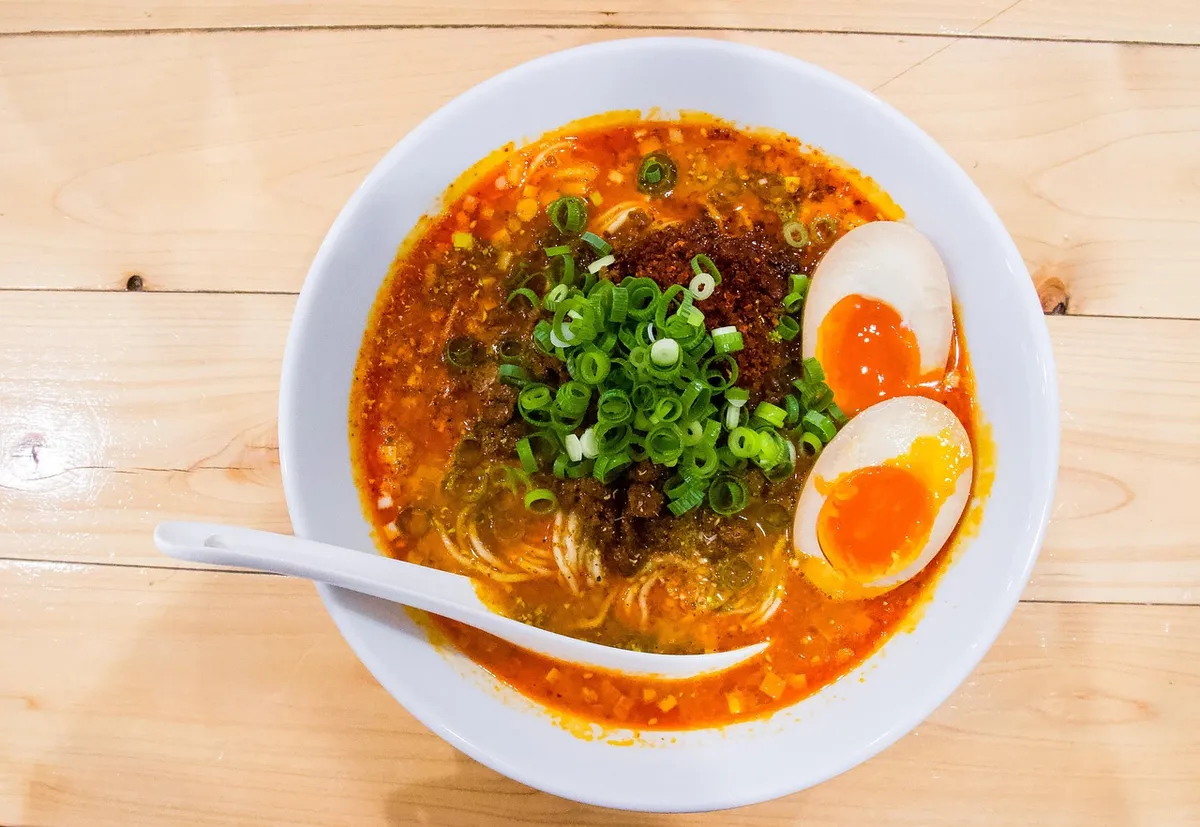
Flavor diversity is a primary driver of market interest. Spicy flavor profiles like mala, kimchi, and curry variants collectively grew by 31% globally. This shift shows that the hot ramen brand worth is heavily tied to bold, adventurous taste profiles.
Packaging and variety also play a role in how consumers perceive value. Resealable pouches now constitute 15% of packages sold in Asia. This innovation meets the needs of people looking for flexibility in their mealtime routines.
What is the nutritional profile of a dry ramen noodle?
Under the dim kitchen light, a person inspects the package while feeling the spicy dust on their fingertips.
A label is studied under a kitchen light, checking the numbers for a balanced meal. Understanding the nutritional makeup is essential for anyone evaluating the ramen evolution journey and its impact on a daily diet.
Nutritional data provides a clear look at what is inside a standard serving. According to USDA FoodData Central, 100g of any flavor dry ramen noodle contains 440kcal, 60.3g of carbohydrates, and 17.6g of fat. It also provides 21mg of calcium and 181mg of potassium.
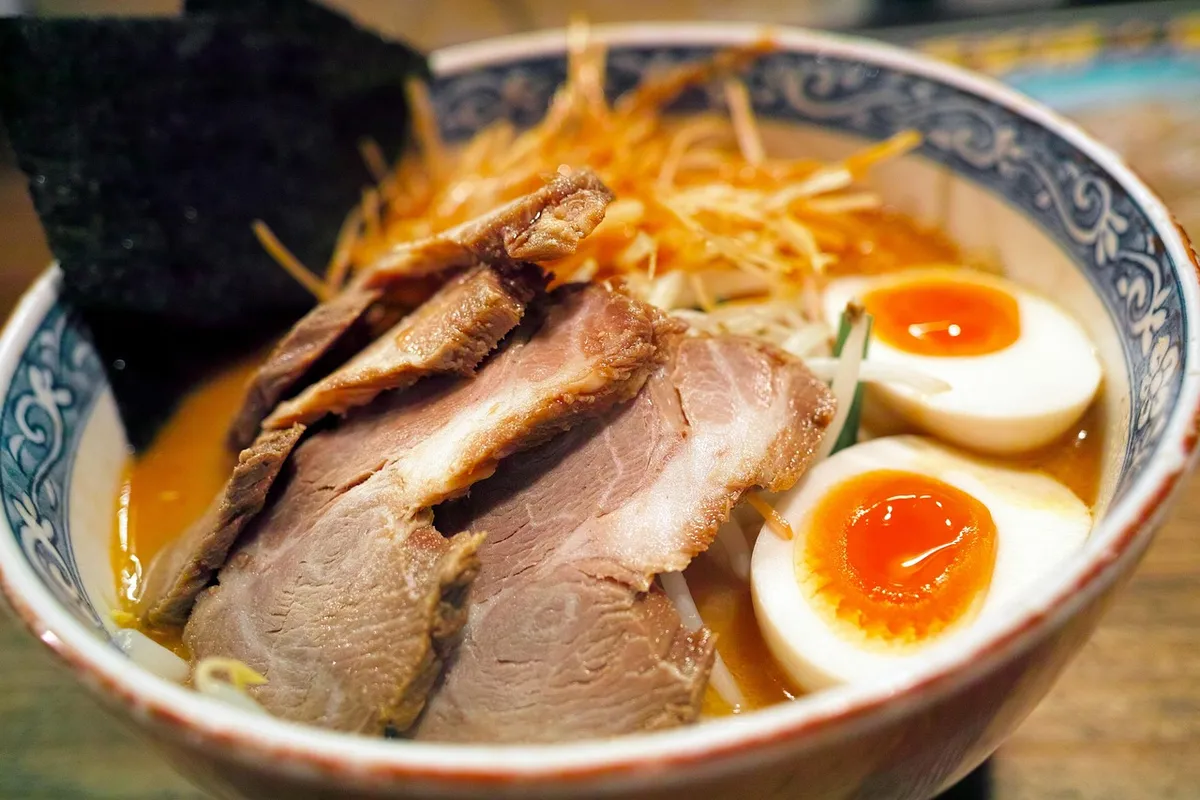
Specific flavors offer different levels of micronutrients. For example, 100g of beef flavor dry ramen noodle contains 441kcal, 60.3g of carbohydrates, and 17.7g of fat. According to USDA FoodData Central, this specific variety also provides 3.93mg of iron and 3g of dietary fiber.
How does the market scale reflect global consumption?
A grocery store aisle is filled with colorful packages, each representing a portion of the global demand. The sheer volume of production and consumption illustrates the massive reach of the instant noodle industry.
Global consumption has hit significant milestones. Global instant noodle consumption reached a record 121.2 billion servings in 2022, a 2.6% increase from the previous year. This volume demonstrates the widespread reliance on these products for quick sustenance.
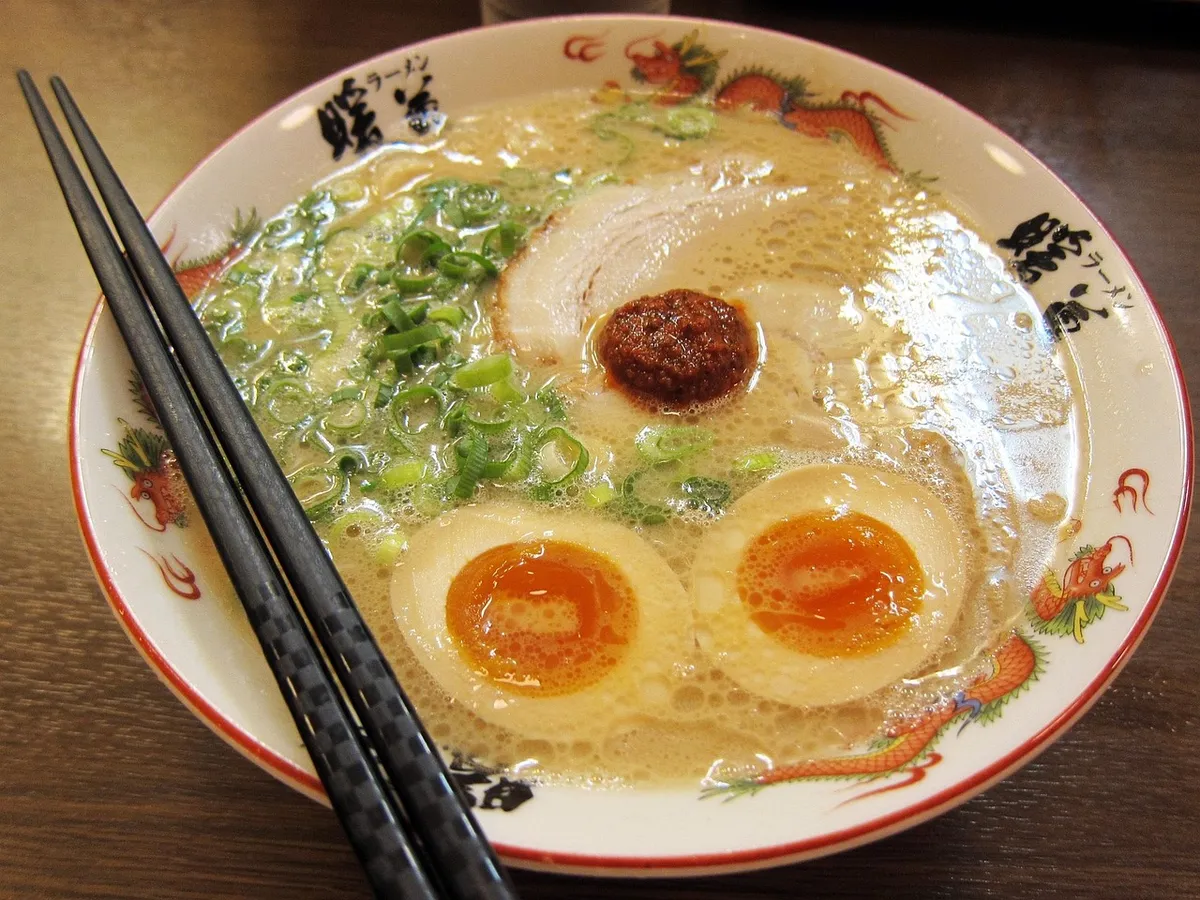
A few major players manage a large portion of this volume. Master Kong and Nissin Foods collectively account for 27% of global volumes. This concentration shows how brand dominance influences the overall market landscape.
How can you evaluate the nutritional content of your meal?
A person carefully prepares a meal, weighing the ingredients against their daily needs. Comparing different types of noodles allows for a more informed approach to choosing a quick meal.
When evaluating a meal, follow these steps: 1. Check the calorie count on the packaging to ensure it fits your daily energy needs. 2. Compare the carbohydrate and fat content between different flavor profiles. 3.
Identify specific micronutrients, such as iron or calcium, to understand the supplement value. 4. Verify the total weight to ensure the serving size matches the nutritional data provided.
I once compared a beef-flavored noodle to a standard flavor to see the difference in iron content. The comparison showed that while calories remained similar, the micronutrient levels shifted.
A limitation of this analysis is that nutritional values are based on dry weight per 100g and may change significantly once water is added during preparation.
- Evaluating the spicy cup noodle true worth requires looking at both global market trends and the nutritional composition of the product.
- The market for these products is expanding rapidly.
- This growth suggests that consumers are finding increasing value in these quick-service meals.
The same subject is also called Spicy ramen taste test.
The same subject is also called Cup noodle heat review.
This part also covers Best spicy ramen comparison.
This part also covers Hot cup noodle history.
Best spicy ramen comparison
Related
- How do dehydration methods affect moisture levels?
- Spicy Noodle Extra Large Appeal: Guide to Noodle History
How does preparation affect the quick meal's value?
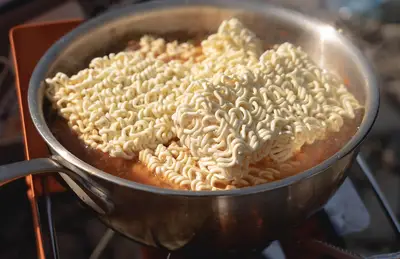
The way the consumer prepares the product influences the final experience and perceived value of the quick meal. Adding water transforms the dry components into a consumable liquid, which is necessary for the flavor to be experienced.
The initial dry noodle product contains concentrated nutrients that become distributed when liquid is introduced.
The comparison between the dry state and the prepared state is important for understanding the nutritional contribution. The dry components hold the entirety of the listed micronutrients, which are then released into the broth upon adding hot water.
This process activates the flavor compounds intended in the original recipe.
For the consumer seeking the most authentic taste, the preparation method matters greatly. Following the directions ensures that the intended flavor profile, which drives much of the market's success, is fully realized.
The initial accessibility of the product is matched by the accessibility of the flavor upon proper preparation.


Comments 0