Premium Ramen: Is the $100 Bowl a Culinary Masterpiece?
"Is a hundred-dollar bowl of noodles a culinary masterpiece or just an expensive marketing trick?"
We are diving deep into the world of luxury ramen to see if the price tag matches the palate. In an era where gourmet food delivery is the norm in 2026, understanding the difference between a snack and a culinary event is essential.
* Premium ramen distinguishes itself through authentic broth bases and high-quality noodle textures rather than just seasoning packets. * The difference between standard and gourmet products lies in the complexity of the fat-to-broth ratio and the structural integrity of the noodles. * Our 6-sided evaluation looks at balance, ensuring that "Value for Money" is weighed against the sheer quality of the ingredients.

What Makes This Ramen "Premium"?
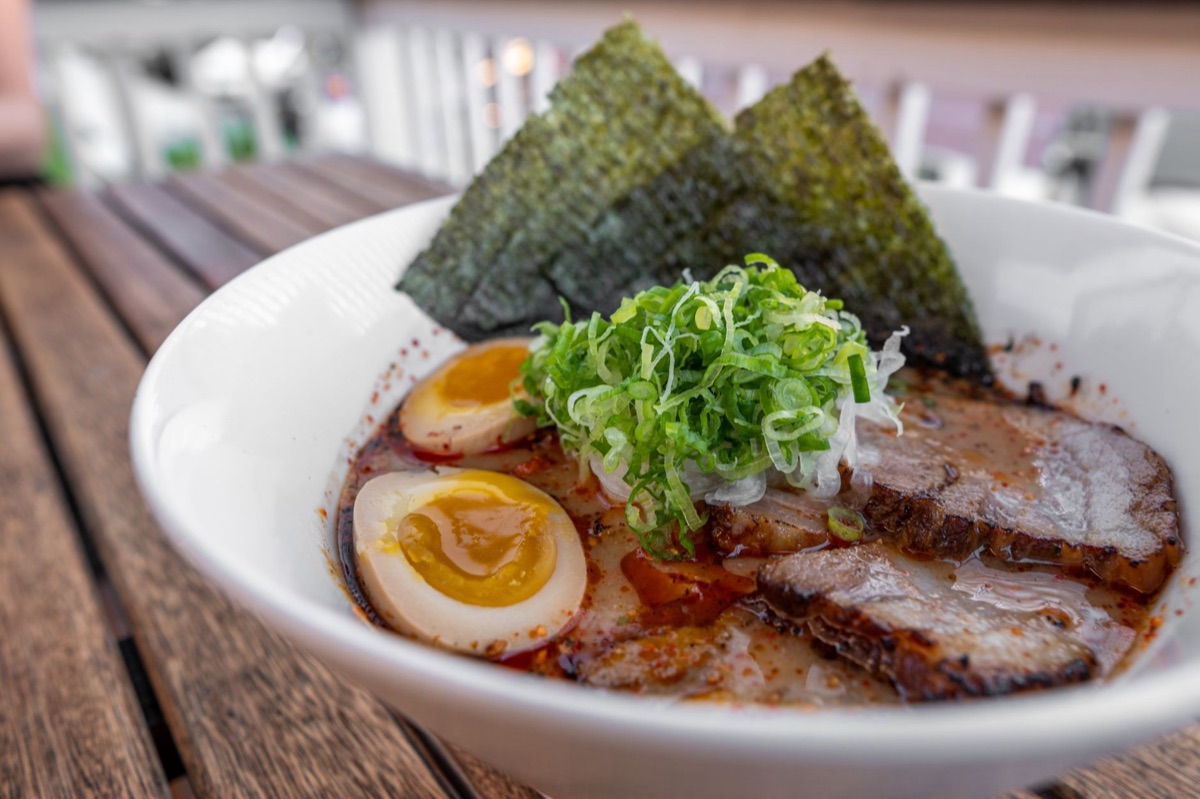
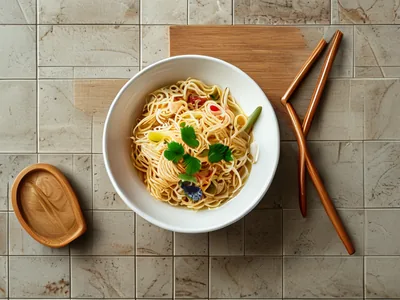
The steam rises from a heavy ceramic bowl on a dark wooden table in a quiet corner of a boutique kitchen in late 2025. You watch as a thick, creamy broth—simmered for hours using real pork bones rather than powder—settles around a nest of hand-pulled noodles.
In this world, the seasoning isn't just a packet; it is an infusion of roasted garlic, aged soy, or rare oils.
Premium ramen products move away from the mass-produced identity to focus on specific regional profiles. In high-end offerings, the broth base is often a concentrated liquid reduction rather than a dehydrated powder.
You might find specific types of pork bones, such as those used in authentic Hakata-style Tonkotsu, or vegetable bases that use roasted kombu and dried shiitake to achieve natural umami.
The interaction between the broth and the seasoning is the key to the premium experience. In standard products, the seasoning often masks the ingredients. In gourmet versions, the seasoning is designed to highlight the natural fat content and the subtle notes of the base.
This balance ensures that the richness does not become overwhelming.
However, the real magic isn't just in the liquid; it's in how the food feels when you pick it up.
Why does the texture matter so much?
A single spoonful of broth hits the tongue, coating the palate with a velvety viscosity that feels heavy yet clean. You lift the noodles with chopsticks, noticing how they spring back when released, maintaining a firm, elastic chew that resists becoming mushy.
The sensory profile of premium ramen is defined by its body. In a top-tier bowl, the viscosity is achieved through natural emulsification—the process of blending fats and liquids—rather than thickeners.
The umami profile should be layered, starting with a savory punch and ending with a lingering, pleasant richness.
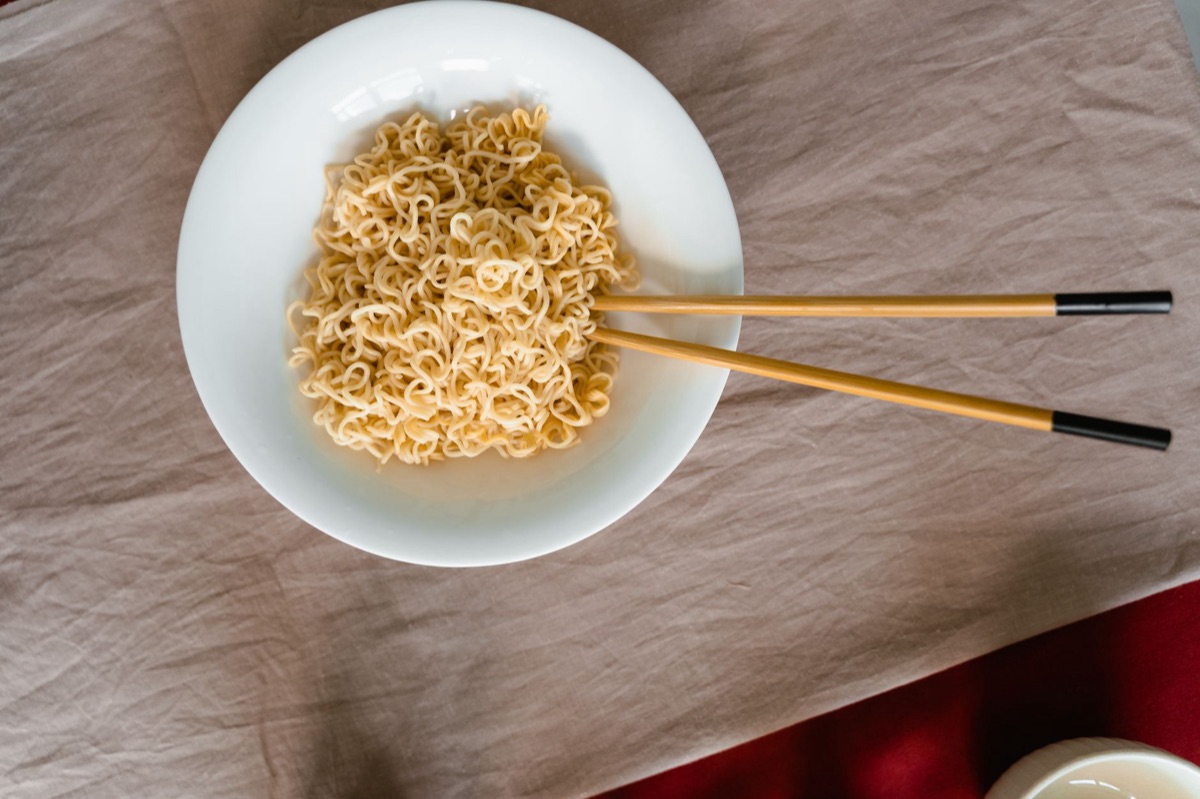
Noodle analysis is equally critical. In the premium category, noodles are often made with higher protein flour to ensure they remain *al dente* even as they sit in hot liquid. You should look for a balance where the thickness of the noodle matches the weight of the broth.
If the broth is heavy and creamy, a thicker, chewier noodle is required to prevent the noodle from being lost in the soup.
But how does this physical weight translate to the numbers on the label?
The technical breakdown: What are you actually eating?
A standard serving of instant ramen, known to have a serving of 43 g, consists of very high sodium. In contrast, premium products often balance their salt levels with more complex flavor profiles to prevent that sharp, chemical sting on the tongue.
When looking at the technical data of a typical noodle serving, it consists of 385 kilocalories, 55.7 g of carbohydrates, 14.5 g of total fat, 6.5 g of saturated fat, 7.9 g of protein, and 0.6 mg of thiamine.
In the premium sector, the protein content is often higher due to the inclusion of real meat extracts or higher-quality wheat.
| Feature | Standard Instant Ramen | Premium/Gourmet Ramen |
|---|---|---|
| Broth Source | Dehydrated powder/oils | Real bone/vegetable reduction |
| Noodle Texture | Soft/Uniform | Firm/Elastic (Al Dente) |
| Sodium Profile | High/Sharp | Complex/Balanced |
| Primary Focus | Convenience/Speed | Flavor Depth/Texture |
While the numbers provide a baseline, they don't tell the whole story of the dining experience.
How do we score the perfect bowl?
The sun sets on the dining room as the final notes of a rich broth fade. You look at the empty bowl and wonder if the investment of time and money was truly justified by the complexity of the meal.
Our 6-sided evaluation system measures the following: 1. Noodles: Texture, chew, and ability to hold broth. 2. Broth: Depth of flavor, viscosity, and aroma. 3. Flavor: The balance of salt, acidity, and umami. 4. Portion Size: Is the volume of food satisfying? 5.
Value for Money: Is the quality worth the premium price? 6. Re-purchase Intent: Would you order this again?
For a $100 premium ramen experience, the scores typically shift. While "Value for Money" might sit lower on the scale than a budget brand, the "Flavor" and "Noodle" scores should be high enough to justify the splurge.
In our compendium, a product must score at least an 8 in three categories to be considered a "Gourmet Success."
But knowing how to score it is only half the battle; you also have to know how to prepare it.
How to master the perfect bowl at home
You stand in your kitchen with a single soft-boiled egg in hand, carefully slicing it to reveal a jammy, golden center. You drizzle a tiny amount of toasted sesame oil over the surface, watching the droplets catch the light.
When I tried this myself with a high-end kit in 2025, I realized that the preparation is just as important as the ingredients. To elevate a premium bowl, focus on the toppings. A perfectly prepared Ajitsuke Tamago (marinated soft-boiled egg) is the gold standard.
Adding a sheet of toasted nori or a few slices of fresh scallion can provide the necessary textural contrast to a rich broth.
Follow these steps to ensure your gourmet noodles don't turn into a soggy mess:
- Temperature Control: Always heat your serving bowl with hot water before adding the ramen to prevent the broth from cooling too quickly.
- Noodle Timing: Cook noodles for 30 seconds less than the package suggests if you prefer an *al dente* texture, as they will continue to soften in the hot broth.
- The Fat Factor: If the broth feels too thin, add a teaspoon of flavored oil (like black garlic oil or chili oil) to increase the mouthfeel.
It is important to note that these tips work best with high-protein noodles. If you are using cheap, thin wheat noodles, the "30-second rule" might result in a bowl that is far too firm to enjoy.
Where to find these culinary gems
You browse an international food importer's catalog on your tablet, looking for that specific label that promises an authentic taste of Tokyo or Taipei. You check the shipping dates and the customs requirements, knowing that the best flavors often travel long distances.
Premium ramen is rarely found on the bottom shelf of a local supermarket. You will typically find these products through specialized importers, high-end Asian grocery stores in metropolitan areas, or direct-to-consumer gourmet food websites.
Pricing tiers for these products can range from $15 to well over $100 depending on the ingredients (such as real dried seafood or truffle infusions). When ordering internationally, always check the shipping costs, as the weight of liquid-based premium products can increase the price significantly.



Comments 0