Premium ramen ingredient value: Tips for a high-end meal
"The true value of premium ramen lies not just in its price tag, but in the density of its nutritional profile and the quality of its core components."
Premium ramen ingredient value is often defined by the complexity of its flavor and the quality of the components used to create a satisfying meal. This guide explores how to evaluate these elements through the lens of nutritional data and culinary craftsmanship.
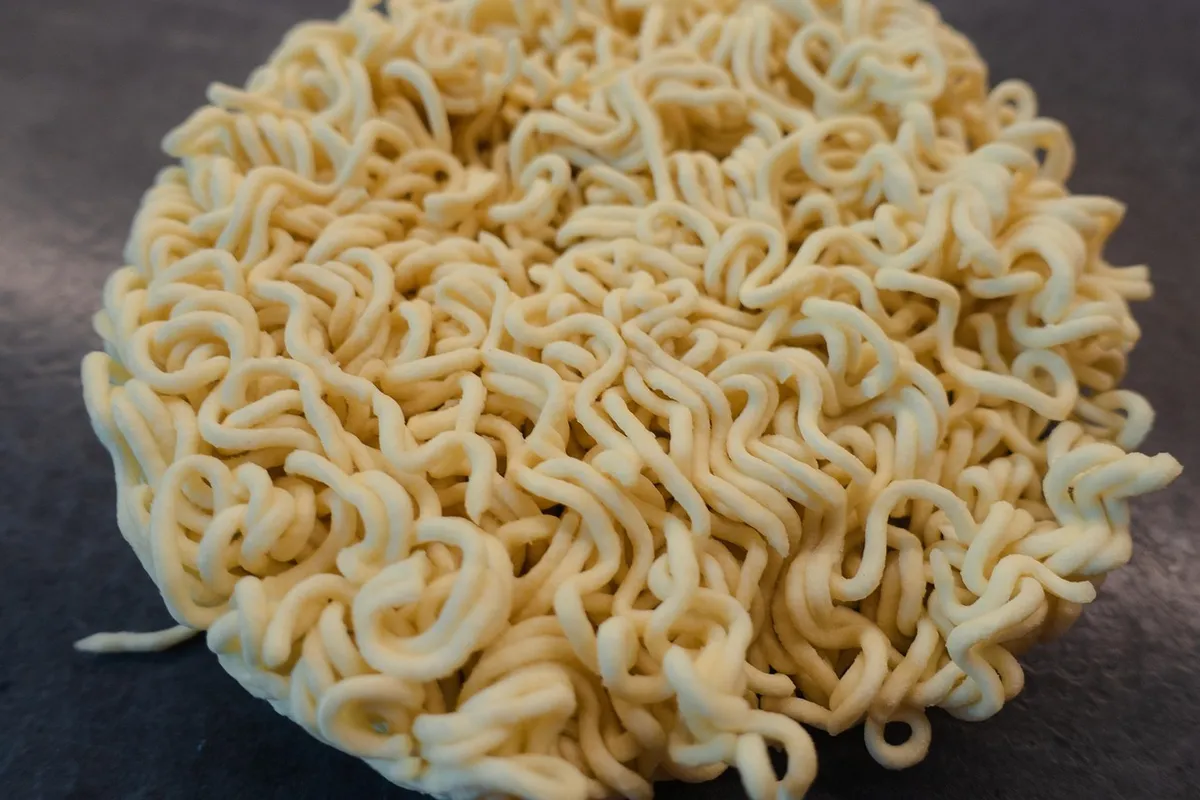
Key takeaways include understanding the baseline of dry ramen nutrition, recognizing the role of concentrated additives, and identifying the balance between carbohydrates and micronutrients.
What actually makes ramen ingredients premium? At dawn in the quiet kitchen, the chef runs a hand over the golden flour to ensure each grain meets the premium standard.
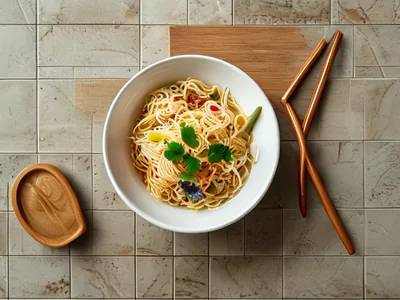
An artisan chef carefully selects flour and seasoning to elevate a simple bowl of noodles. To understand the baseline, one can look at the standard nutritional profile of dry ramen noodle soup.
The seasoning and noodles provide a specific distribution of nutrients that forms the foundation of the meal. This baseline includes 17.6g of fat and 116ug of folate per 100g.
Evaluating these figures helps a consumer decide if the ingredient quality meets their personal standards for a high-end meal.
In this sequence, the first step is the most critical.
How do concentrated additives impact the flavor? Premium ramen ingredient value
As evening falls in the steaming shop, the cook pours a dark liquid into the pot and feels the sudden warmth of the premium aroma.
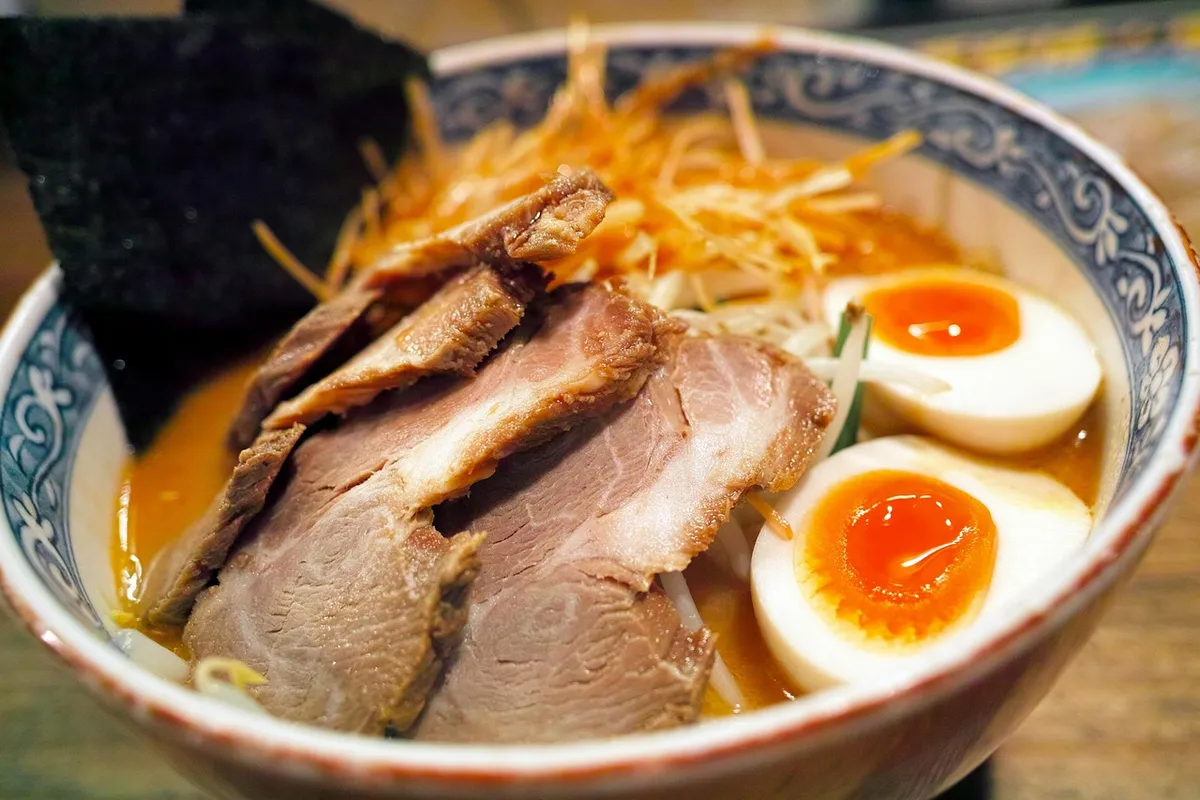
A cook stirs a concentrated tomato-based liquid into a simmering broth to deepen the scarlet hue. When evaluating premium additions, such as tomato juice from concentrate, the nutrient density shifts significantly.
According to USDA FoodData Central, shelf-stable tomato juice with added ingredients provides 49.8mg of Vitamin C and 198mg of potassium per 100g.
These additives serve to enhance the savory profile of the ramen. For instance, the juice contains 236mg of sodium and 9.74mg of calcium per 100g.
Using such concentrated ingredients can transform a standard soup into a more complex culinary experience, though the sodium levels must be considered during the selection process.
- Select high-quality base stocks.
- Introduce concentrated flavor enhancers.
- Adjust seasoning to reach the desired intensity.
How do these base ingredients compare nutritionally? A food enthusiast compares the nutritional weight of a dry noodle base against a concentrated liquid additive. The following table illustrates the differences between the two components to help understand how they contribute to a complete meal.
| Nutrient | Dry Ramen Noodle (100g) | Tomato Juice (100g) |
|---|---|---|
| Calories | 440kcal | Not listed |
| Carbohydrates | 60.3g | Not listed |
| Potassium | 181mg | 198mg |
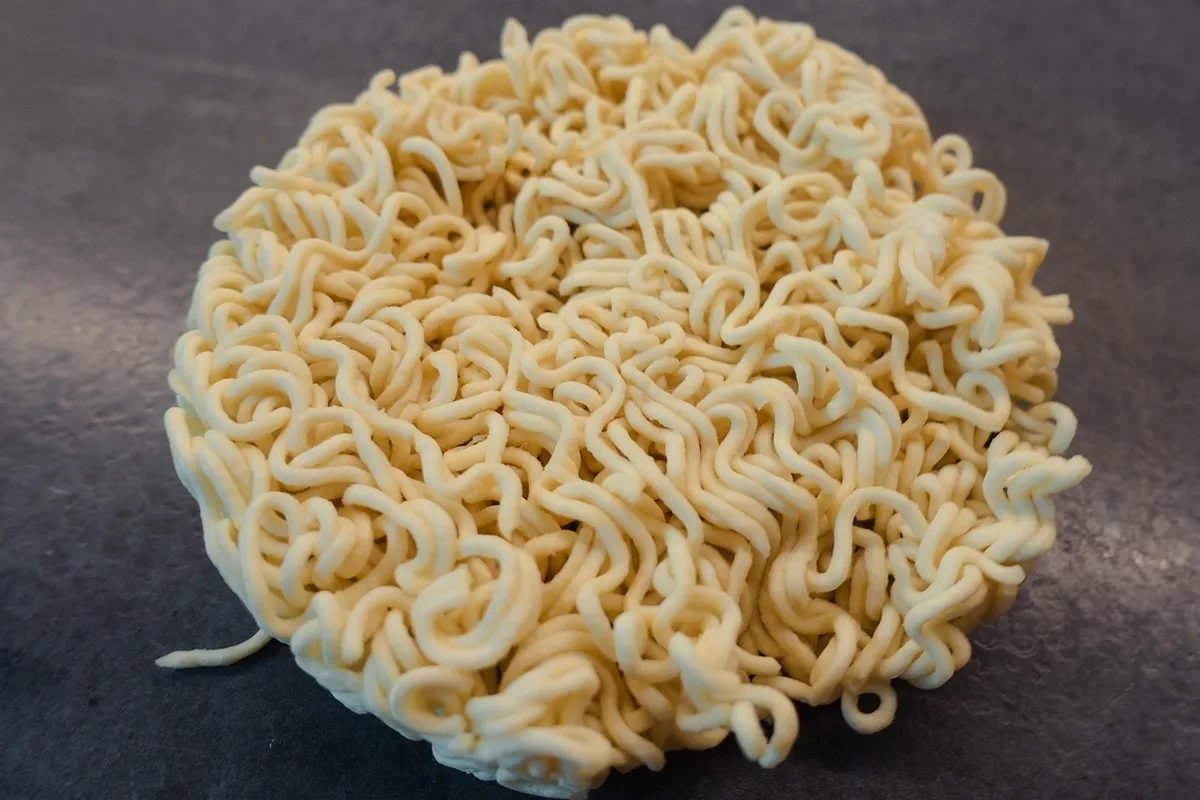
I noticed that the dry noodle base provides the primary caloric energy, while the juice offers a higher concentration of certain vitamins. This comparison shows how different ingredients serve distinct roles in the overall meal structure.
Can you balance flavor and nutrition in one bowl?
A diner carefully adjusts the amount of seasoning to ensure the meal is neither too salty nor too bland. Balancing a premium ramen ingredient value requires a thoughtful approach to combining dry noodles with liquid enhancers.
- Start with a high-quality dry noodle base to establish the primary texture and caloric foundation. 2. Integrate a concentrated liquid, like tomato juice, to add vitamins such as Vitamin C and potassium. 3. Perform a final check by measuring the total sodium and calorie intake against your dietary goals.
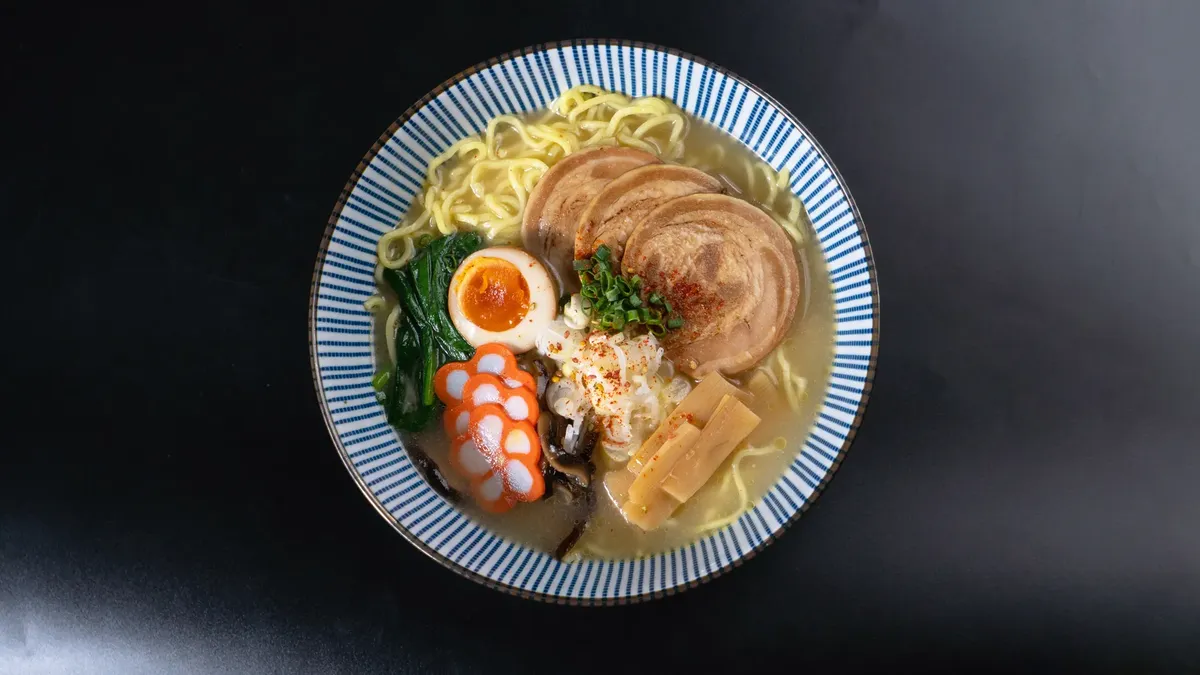
A limitation of this analysis is that it only compares specific isolated ingredients and does not account for the total combined weight of a prepared bowl.
The same subject is also called High end ramen taste.
The same subject is also called Ramen quality standard.
The same subject is also called Ramen brand review.
The same subject is also called Ramen evolution.
This part also covers Fine dining ramen.
This part also covers Artisan ramen journey.
This part also covers Deep flavor profile.
Fine dining ramen
Related
Should you prioritize carbohydrates or micronutrients?
A consumer must decide whether to focus on the caloric energy of the noodles or the vitamin content of the additives. The dry noodle base provides 60.3g of carbohydrates per 100g, serving as the primary energy source.
In contrast, the tomato juice provides 49.8mg of Vitamin C and 198mg of potassium per 100g. Choosing between these components depends on whether the goal is caloric density or micronutrient enrichment.
When comparing these two, the dry noodles offer a higher caloric baseline of 440kcal per 100g. The tomato juice serves as a concentrated source of potassium and Vitamin C.
This comparison highlights how the true value of a meal is distributed between energy-providing carbohydrates and nutrient-dense liquid additives.
How to manage sodium when combining ingredients?
A cook must monitor the sodium levels when mixing dry noodles with concentrated liquids. The dry ramen noodles contain 17.6g of fat per 100g, while the tomato juice contains 236mg of sodium per 100g.
If the goal is to maintain a specific dietary profile, the user should account for the 236mg of sodium in the juice when adding it to the noodles.
- Assess the sodium content in the tomato juice to prevent excessive salt intake. 2. Compare the 236mg of sodium against the 17.6g of fat in the noodles to understand the salt-to-fat ratio. 3. Adjust the amount of liquid used to ensure the total sodium does not exceed personal dietary limits.
How does the comparison of ingredients reveal the true value of the meal?
The comparison of ingredients reveals the true value by showing how different components contribute to the total nutritional profile. The dry noodle base provides 440kcal and 60.3g of carbohydrates per 100g, which serves as the primary caloric energy.
Meanwhile, the tomato juice offers 49.8mg of Vitamin C and 198mg of potassium per 100g. Comparing these values helps a diner understand how to balance energy-providing carbohydrates against micronutrient enrichment.
When evaluating the relationship between these ingredients, one must consider the specific roles they play. The noodles provide the foundation of 17.6g of fat and 116ug of folate per 100g. The tomato juice adds 236mg of sodium and 9.74mg of calcium per 100g.
This comparison allows for a better understanding of how to distribute nutrients within a single bowl.
What precautions should be taken when mixing these components?
A diner should take precautions regarding the sodium and calorie levels when mixing these components. Because the dry noodles contain 440kcal per 100g and the tomato juice contains 236mg of sodium per 100g, the total intake must be managed.
If the goal is to maintain a specific dietary profile, the user should account for the 236mg of sodium in the juice when adding it to the noodles to avoid exceeding personal limits.


Comments 0