Ramen guide: Tonkotsu vs Shoyu broth 262,121 tons
"The soul of a bowl lies in the balance between the heavy creaminess of bone broth and the sharp clarity of seasoning."
Understanding the Tonkotsu vs Shoyu ramen distinction requires looking at the fundamental difference between animal-based fats and fermented seasonings. This guide explores the heavy, milky texture of pork-based broths compared to the clear, salt-forward profiles of soy-based styles.
You will learn about the base ingredients, historical context, and nutritional profiles of these popular varieties.
How do the base ingredients of Tonkotsu and Shoyu ramen differ?
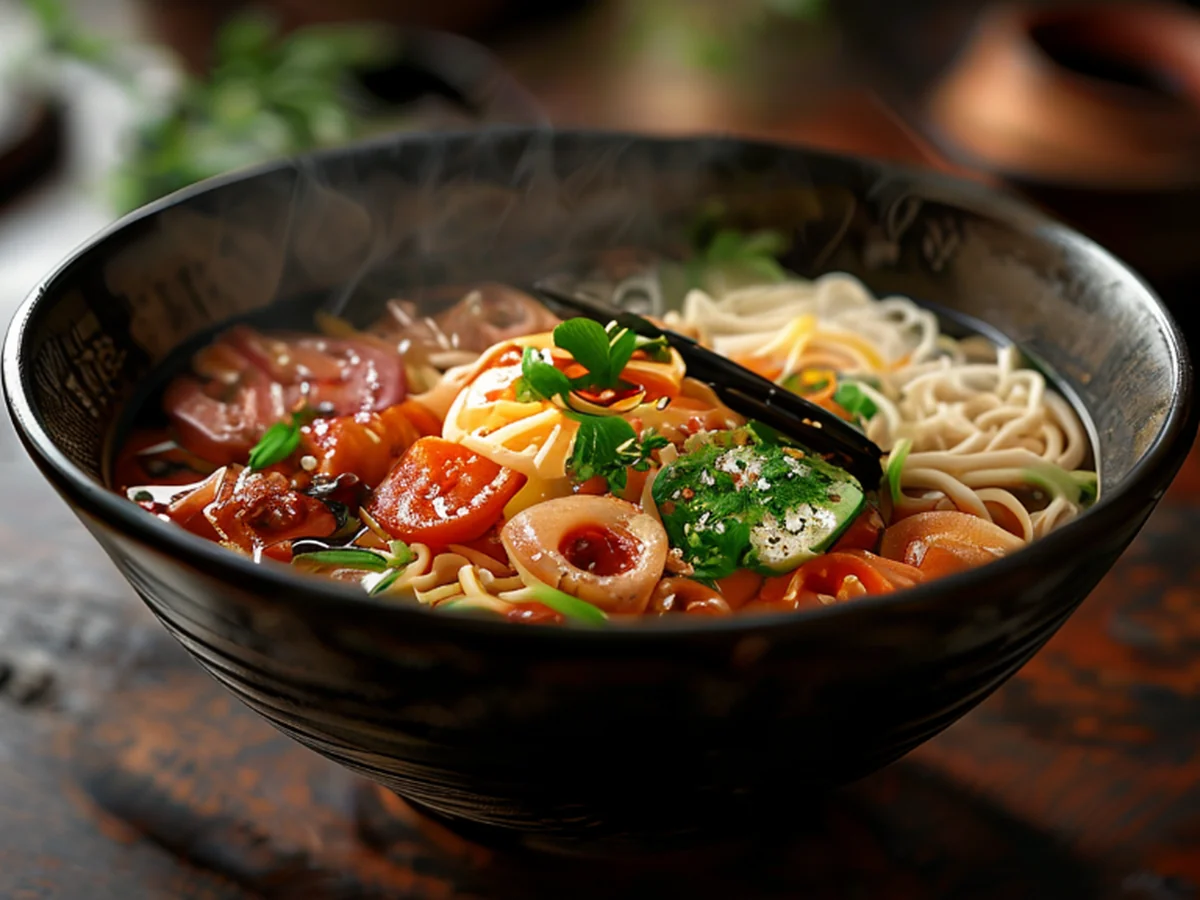
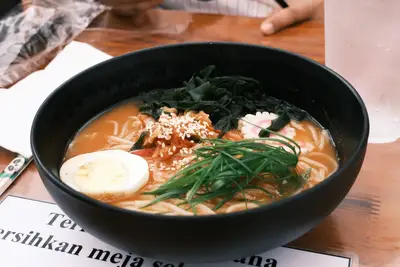
In the steaming kitchen, I watch the chef whisk creamy pork fat into a pot of tonkotsu ramen while the sharp scent of soy sauce wafts from a nearby bowl of shoyu ramen.
A chef stirs a heavy pot of simmering pork bones while another carefully pours fermented soy sauce into a clear dashi. The primary difference lies in whether the richness comes from emulsified animal fats or seasoned liquid bases.
Tonkotsu ramen relies on boiling pork bones at high temperatures to create a creamy, white broth through fat and collagen emulsification. In contrast, Shoyu ramen focuses on a clear, savory liquid flavored primarily by soy sauce.
While Tonkutsus are thick and opaque, Shoyu versions are often lighter and more transparent.
This comparison of ramen broth types highlights how different ingredients create entirely different mouthfeels. One offers a heavy, coating sensation, while the other provides a sharp, refreshing saltiness.
- Boil pork bones for hours to create a creamy, opaque broth.
- Prepare a soy sauce-based seasoning to achieve a clear, savory liquid.
- Combine the broth with noodles and toppings to finalize the bowl.
What is the history behind these ramen styles? Tonkotsu vs Shoyu ramen
A researcher examines old photographs of street food vendors in post-war Japan while tracing the lineage of a famous noodle shop. The evolution of these flavors is tied to the availability of wheat and the history of food distribution.
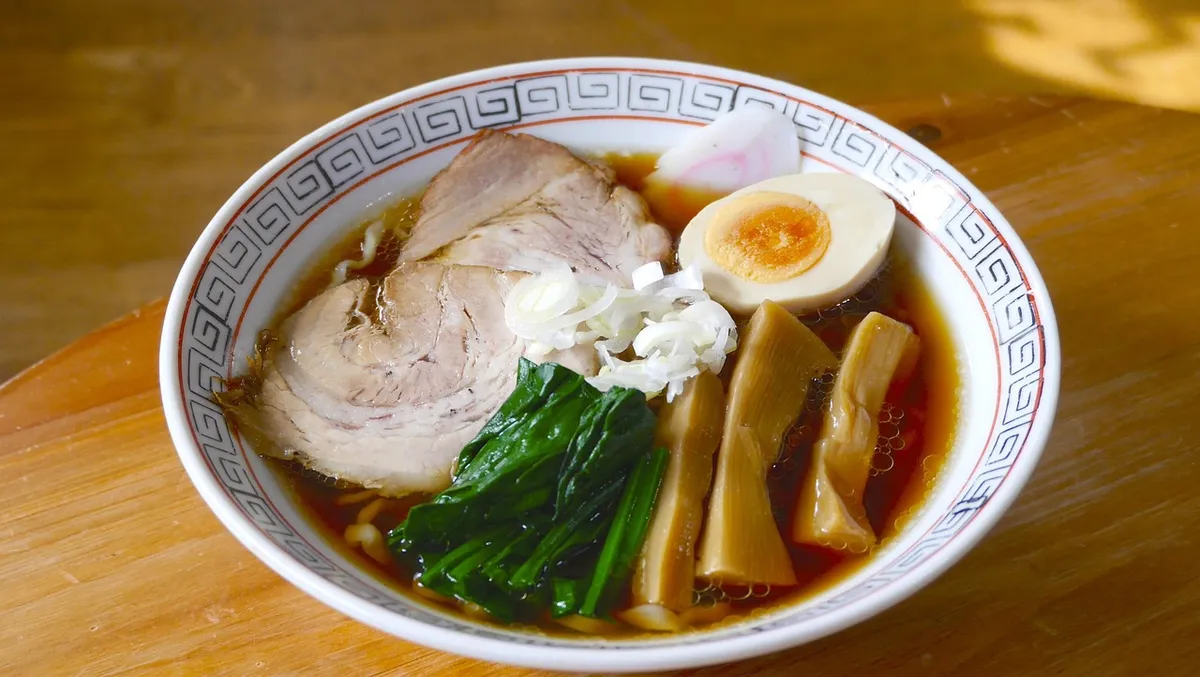
The history of ramen is deeply connected to the availability of wheat and the movement of people.
Between 1948 and 1951, bread consumption in Japan increased from 262,121 tons to 611,784 tons, yet wheat also found its way into ramen, which most Japanese ate at black market food vendors to survive as the government food distribution system ran about 20 days behind schedule.
This period of scarcity helped shape the versatile nature of noodle-based meals.
Understanding ramen flavors requires acknowledging these historical shifts in ingredient availability. These roots laid the groundwork for the diverse regional styles we see today.
In this sequence, the second part is the longest.
How does the nutritional profile of Shoyu-based seasoning compare?
A diner reads the label on a bottle of soy sauce while considering the sodium content of their meal. The nutritional makeup of the seasoning used in Shoyu ramen is a key factor in its flavor profile.
The seasoning in Shoyu ramen is defined by the soy sauce used to create the base.
For those looking at lower sodium options, soy sauce made from soy and wheat (shoyu), low sodium, contains 3600mg of sodium and 9.05g of protein per 100g.
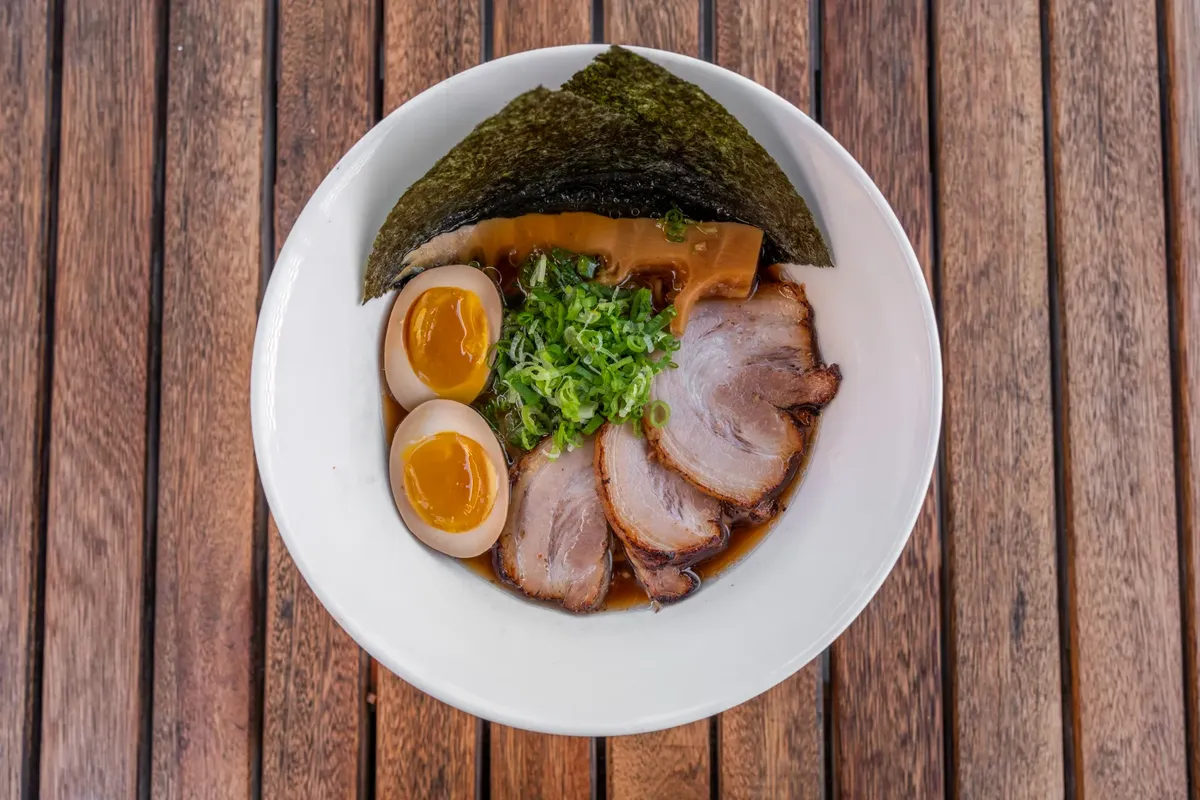
Comparing ramen broth types often involves looking at these salt levels. The salt provides the essential "umami" that defines the Shoyu experience.
| Feature | Standard Shoyu (per 100g) | Low Sodium Shoyu (per 100g) |
|---|---|---|
| Sodium | 5490mg | 3600mg |
| Protein | 8.14g | 9.05g |
I noticed how much the sodium levels change between the two varieties when reviewing these measurements.
What are the characteristics of instant ramen?
A person prepares a quick meal using a packet of noodles in a small kitchen. While convenient, the nutritional density of instant varieties differs significantly from traditional restaurant-style bowls.
Instant ramen is a common way to enjoy these flavors quickly, but it has a specific nutritional profile. One known serving of 43g of instant ramen noodles can contain very high sodium.
Another specific serving type consists of 385 kilocalories, 55.7g of carbohydrates, 14.5g of total fat, 6.5g of saturated fat, 7.9g of protein, and 0.6mg of thiamine.
An essential ramen guide must mention that these quick meals are much different from the slow-cooked broths found in specialized shops.
How can you choose between these styles?
A customer stands before a menu, deciding between a heavy bowl and a light one. Selecting the right style depends on the desired intensity and the time of day.
To choose the right bowl, follow these steps:
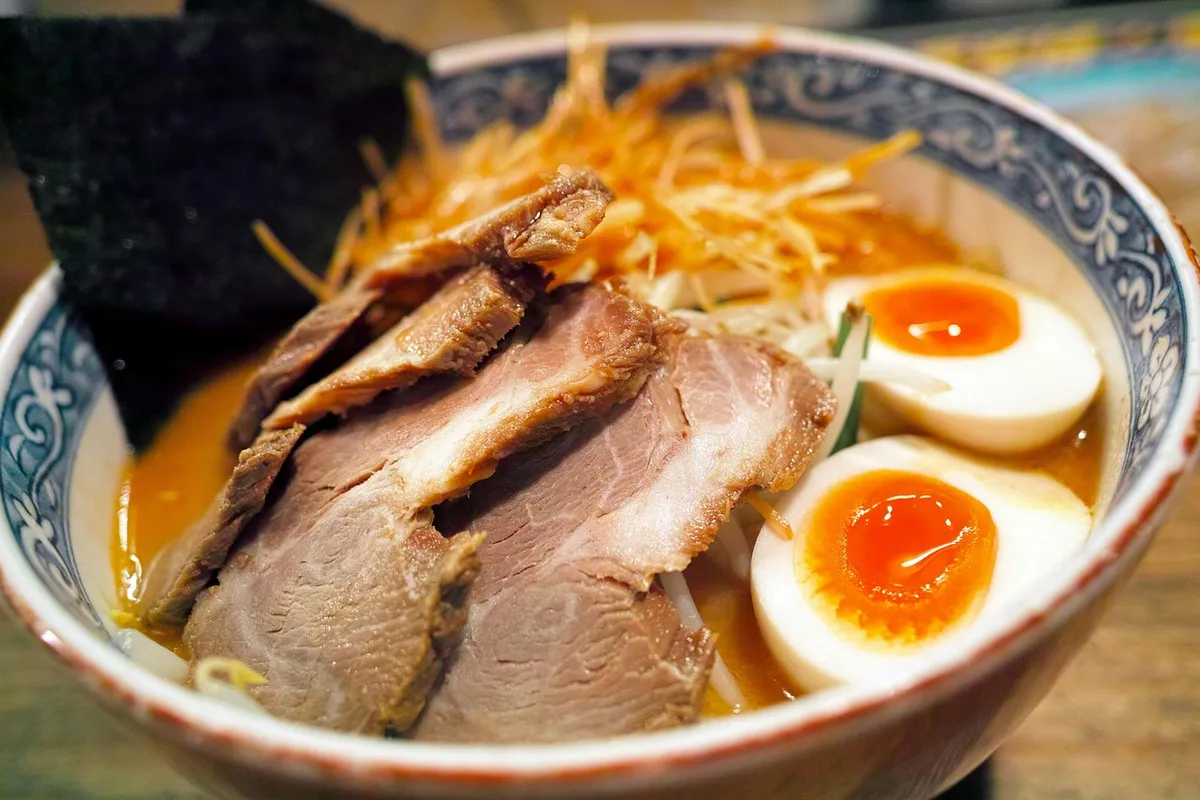
- Determine your desired texture: Choose Tonkotsu for a thick, creamy, and heavy meal. 2. Consider the seasoning: Choose Shoyu if you prefer a clear, salty, and lighter broth. 3. Check the calorie needs: Match the heavy fat content of Tonkotsu or the carbohydrate-heavy profiles of certain noodles to your hunger level. 4. Final check: Ensure the flavor profile matches your current craving for either rich fat or fermented salt.
A deep dive into ramen broth begins with understanding these fundamental sensory differences.
The subject here is Tonkotsu vs Shoyu ramen.
The same subject is also called Tonkotsu and Shoyu difference.
The same subject is also called Tonkotsu vs Shoyu taste.
The same subject is also called Ramen broth comparison.
Deep dive into ramen broth
Related
When is the soul of a bowl most apparent? The soul of a bowl is most apparent when the textural contrast between the two styles is fully appreciated. The heavy creaminess of bone broth provides a deep, lingering mouthfeel that the sharp clarity of seasoning cannot match. This balance defines the successful rendition of either Tonkotsu or Shoyu. The Shin-Yokohama Ramen Museum is a museum about ramen, in the Shin-Yokohama district of Kōhoku-ku, Yokohama, according to the Shin-Yokohama Ramen Museum.
If the broth lacks sufficient emulsification, the richness of the pork bones will not develop into the desired coating sensation. Conversely, if the soy sauce base is too dilute, the intended sharp clarity will fail to cut through the palate.
Achieving the perfect balance is what elevates a simple meal to an experience.
This interplay between richness and sharpness dictates the overall impression of the dish. The successful execution of the broth achieves a harmony that transcends mere ingredient combination.
How does the execution affect the overall impression of the bowl?
The execution of the broth dictates the ultimate success of the bowl. If the pork bones are not boiled thoroughly, the desired emulsification needed for Tonkotsu will not occur. A failure in the fat rendering process compromises the heavy mouthfeel that defines the dish.
Conversely, if the soy sauce in the Shoyu ramen is not properly balanced, its sharp clarity will become merely salty rather than vibrantly seasoned. This imbalance detracts from the intended bright finish of the bowl.
The soul of a bowl is found in the successful marriage of these two elements: the depth of the fat and the precision of the seasoning. A minor flaw in either component can shift the experience from excellent to merely passable.

Comments 0