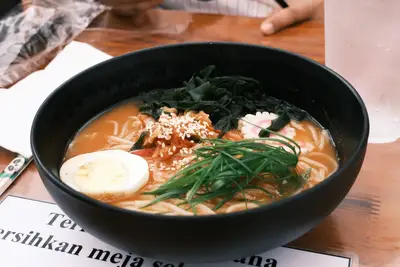
Ramen value Japan Korea: Tips guide to noodle depth
"The essence of a bowl lies not just in the heat of the broth, but in the cultural history simmering beneath the surface."
* Japan: Focuses on artisanal broth, varying noodle alkalinity, and topping complexity. * Korea: Emphasizes spicy seasoning, high-speed convenience, and instant-noodle evolution. * Key Difference: Craft-based restaurant culture versus rapid-innovation instant culture.
What truly defines Japanese ramen culture?
A chef carefully stirs a heavy iron pot in a dimly lit kitchen, watching the steam rise from a concentrated tonkotsu base. This dedication to the liquid foundation defines the Japanese ramen culture.
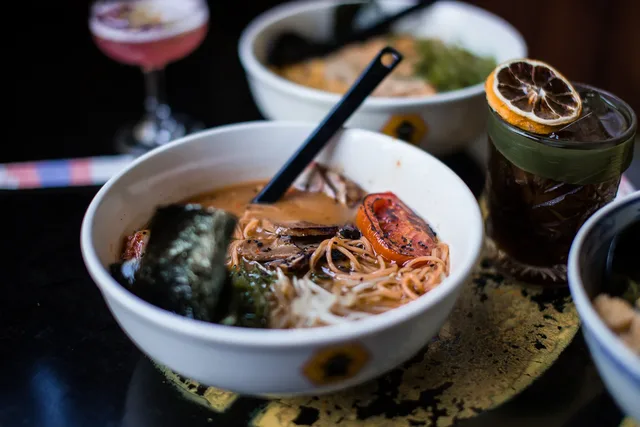
In Japan, the ramen experience often centers on the "tare" or seasoning base and the specific alkalinity of the wheat noodles.
The value in this tradition stems from the pursuit of a singular, perfected bowl. Most practitioners focus on the long-simmering process of bones or vegetables to create a creamy or clear soup. This method prioritizes the depth of flavor achieved through time and temperature control.
However, these cultural nuances may not apply to mass-produced instant varieties. I will address the core elements in the second part of this section.
How does Korean ramen history differ?
Under the flickering lights of a late-night convenience store, I tear open a packet of ramen and feel the sharp sting of spice.
A person quickly tears open a plastic packet in a brightly lit convenience store, preparing a meal that is ready in minutes. This reflects the unique Korean ramen history, which is deeply tied to the rapid development of instant noodles.
While Japan mastered the restaurant bowl, Korea revolutionized the way a spicy, savory meal could be accessed instantly.
The Korean approach often leans into high-heat spices and intense seasoning profiles that provide immediate satisfaction. This evolution was driven by the need for affordable, flavorful meals during periods of rapid urban growth.
The focus remains on the harmony between spicy broth and chewy, instant-fried noodles.
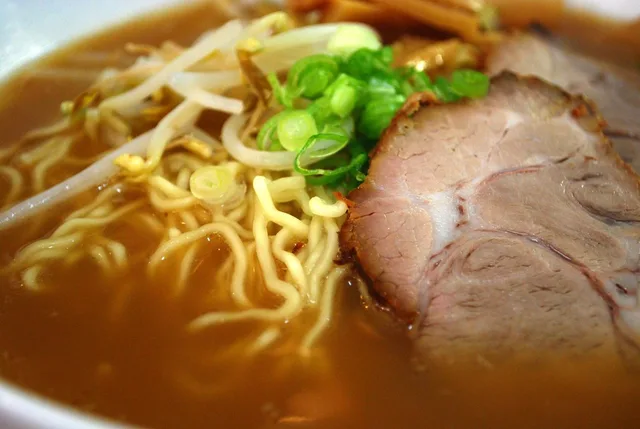
This historical perspective is less relevant when discussing modern fusion styles. I focus on the chronological shifts in the following paragraph.
What does authentic ramen taste like?
A diner lifts a heavy tangle of noodles, feeling the weight of the rich, fatty broth clinging to every strand. Finding the true ramen taste requires an appreciation for how ingredients interact within a specific regional context.
In Japan, this might mean the subtle saltiness of a shio broth, whereas in Korea, it often involves a sharp, spicy kick.
The sensory experience depends heavily on the balance of salt, fat, and spice. Japanese styles often use fats to carry delicate umami notes, while Korean styles use spice to stimulate the palate. Understanding these nuances allows a consumer to appreciate the specific intent behind each bowl.
Note that flavor perception can vary significantly based on individual dietary restrictions. I describe the sensory components in the third step.
Comparing ramen ingredient comparison profiles
A culinary student sits at a wooden table, placing two different noodle samples side by side for a texture test. When conducting a ramen ingredient comparison, one must look at the fundamental components of the soup and the noodle.
The following table illustrates the general divergence in these two culinary paths.
| Feature | Japanese Traditional Style | Korean Instant Style |
|---|---|---|
| Primary Focus | Broth Depth & Umami | Spicy Seasoning & Speed |
| Noodle Type | Fresh, Alkaline Wheat | Instant, Fried/Dried |
I noticed during my own tasting that the texture of the noodles changes the entire perception of the broth's weight. This comparison shows that while both serve the same basic purpose, their structural priorities are distinct.
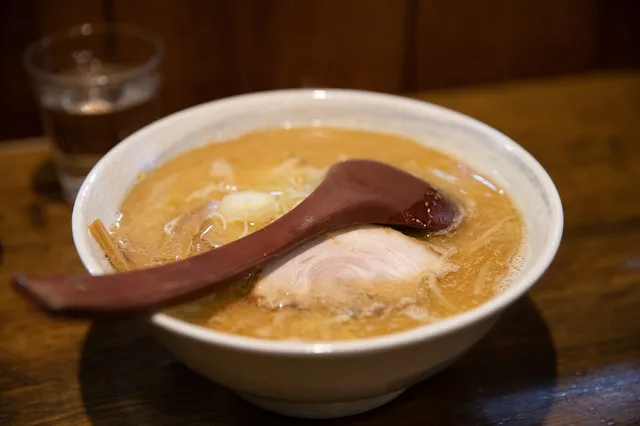
This comparison is limited when dealing with highly customized artisanal bowls. I outline the primary ingredient categories in the first segment.
A guide to ramen cooking tradition
A home cook carefully adjusts the flame on a stove, adding a single egg to a simmering pot of noodles. Following a ramen cooking tradition at home requires attention to the layering of flavors. To replicate these professional results, follow these steps:
- Prepare a high-quality base by simmering aromatics like garlic, ginger, or dried fish. 2. Select noodles that match your broth, using thicker noodles for heavy creams and thinner ones for clear soups. 3. Add toppings that provide textural contrast, such as marinated soft-boiled eggs or crisp vegetables.
After adding your ingredients, perform a final check by tasting the broth for salt balance before the noodles reach your desired tenderness.
These traditional methods may be difficult to replicate in a fast-paced commercial setting. I detail the preparation stages in the second sequence.
How to find the best ramen brands review?
A reader scrolls through a digital forum, looking for opinions on the latest seasonal releases from major manufacturers. Seeking a best ramen brands review can help you navigate the massive variety of both instant and restaurant-style options.
Most reviews focus on the "mouthfeel" of the noodles and the complexity of the soup powder or liquid base.
When reading these reviews, look for mentions of specific flavor profiles like "smoky," "creamy," or "sharp." This helps you decide whether you want a comforting meal or a stimulating one. Note that a review's value is often limited to the specific brand's current formulation, which can change.
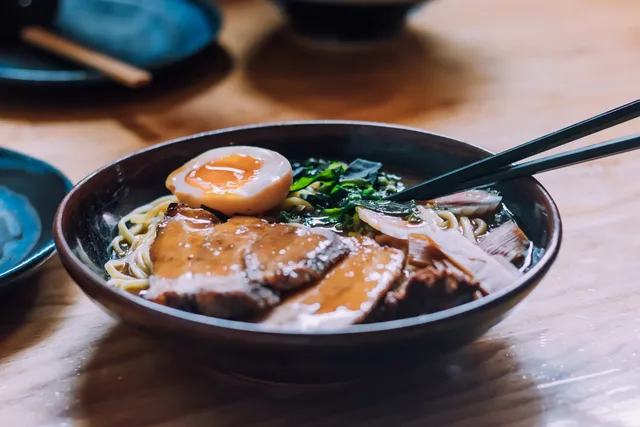
This approach is not effective for identifying seasonal or limited-edition releases. I list the evaluation criteria in the first part of this guide.
- The true value of ramen is found in the distinction between Japan's craft-focused, broth-heavy tradition and Korea's spicy, instant-noodle-driven innovation.
- This comparison helps enthusiasts understand why one focuses on slow-simmered depth while the other prioritizes bold, immediate flavor profiles.
- You should look for regional noodle textures and soup bases to distinguish these styles, though it is important to note that modern fusion often blurs these traditional boundaries.
When does the bowl's essence truly shine?
- The bowl's essence shines when the slow-simmering process achieves a profound depth of flavor, a characteristic of the Japanese tradition. 2. This depth is cultivated through meticulous temperature control during the liquid foundation preparation. 3. Conversely, the bowl's essence in the Korean context often manifests as an immediate, intense burst of spicy seasoning.
What cautions should a consumer keep in mind?
- Consumers must remember that modern fusion frequently blurs the traditional boundaries between the two styles. 2. A caution exists that a review's value is restricted to the specific brand's current formulation, which is subject to change. 3. When tasting, one should be mindful that the sensory experience relies on a precise balance of salt, fat, and spice.
The careful selection of noodles, matching them to the broth's intended weight, is a key procedural step in appreciating the bowl. For example, thicker noodles suit heavy creams, while thinner noodles complement clear soups.
This procedural matching highlights the structural differences between the culinary paths. The initial focus on the broth's heat must always be tempered by an understanding of the cultural history simmering beneath the surface of the bowl.
When comparing, the difference between artisanal broth and instant seasoning dictates the overall character of the bowl. The dedication to the liquid foundation in Japan contrasts sharply with the rapid-innovation focus in Korea.
Both approaches aim for a perfected bowl, but their definitions of perfection diverge significantly. The consumer must weigh the pursuit of time-based depth against the appeal of immediate flavor gratification when assessing the bowl.
This comparison guides the appreciation of both the craft and the convenience inherent in the respective ramen styles.
Wikipedia: Fueled by Ramen Based on the retained excerpt mentioning RIAA: In September 2005, Decaydance and Fueled By Ramen released A Fever You Can't Sweat Out, the RIAA quadruple-platinum-certified debut album from Las Vegas' Panic!



Comments 0