Chinese noodle extra size taste: guide to higher volume
"The difference between a standard serving and an extra portion often lies in the balance of salt, starch, and seasoning density."
Understanding Chinese noodle extra size taste requires looking at the nutritional density and the shift in flavor intensity when volume increases. This guide explores how larger portions affect the eating experience and provides a comparison of nutritional profiles for dry ramen noodles.
Key takeaways: * Increased portion sizes often concentrate carbohydrates and calories. * Flavor profiles can shift depending on the seasoning-to-noodle ratio. * Nutritional density remains consistent per 100g but scales with volume.
How does increasing portion size affect Chinese noodle extra size taste?
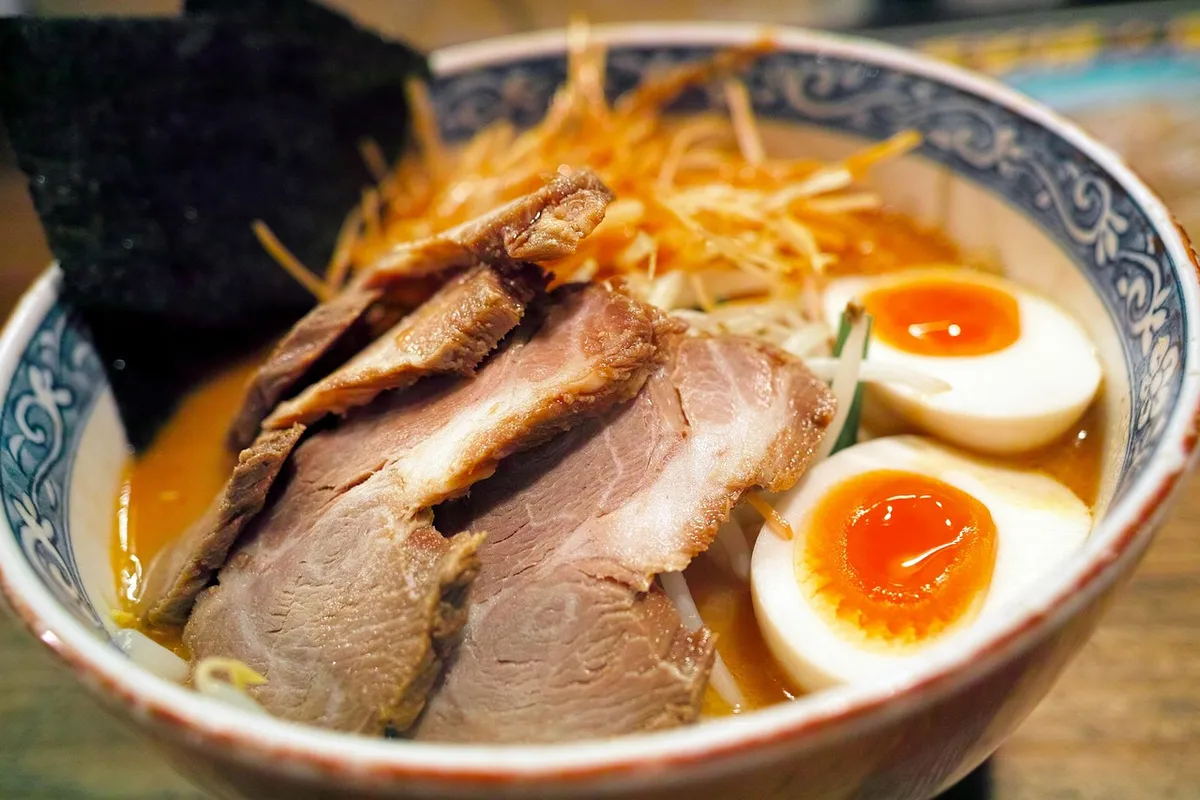
At noon, I lift a heavy ceramic bowl at the kitchen table and swallow a mouthful of the dense Chinese noodle extra size taste.
A person sits at a wooden table, lifting a heavy ceramic bowl filled with steaming noodles. The steam rises in thick clouds, carrying the scent of savory broth and wheat.
When consumers seek a larger serving, they are often looking for a more substantial mouthfeel rather than just more volume. This Chinese noodle extra size taste often involves a higher concentration of carbohydrates and fats to provide satiety.
While the base ingredients remain the same, the sensory perception of saltiness or richness can change as the volume of noodles increases relative to the liquid.
The nutritional profile of a standard serving provides a baseline for these larger portions.
For any flavor of dry ramen noodle, 100g contains 440kcal, 60.3g of carbohydrates, 17.6g of fat, 181mg of potassium, 21mg of calcium, 0.3mg of vitamin C, 0.25ug of vitamin B12, 1ug of vitamin A, 0.6mg of zinc, and 116ug of folate.
However, the flavor intensity may diminish if the volume of noodles overwhelms the sauce ratio.
Can we compare the nutritional profile of different noodle flavors?
A hand reaches for a spice packet, shaking the fine powder over a pile of dry noodles. The kitchen is quiet, save for the sound of the packet tearing open.
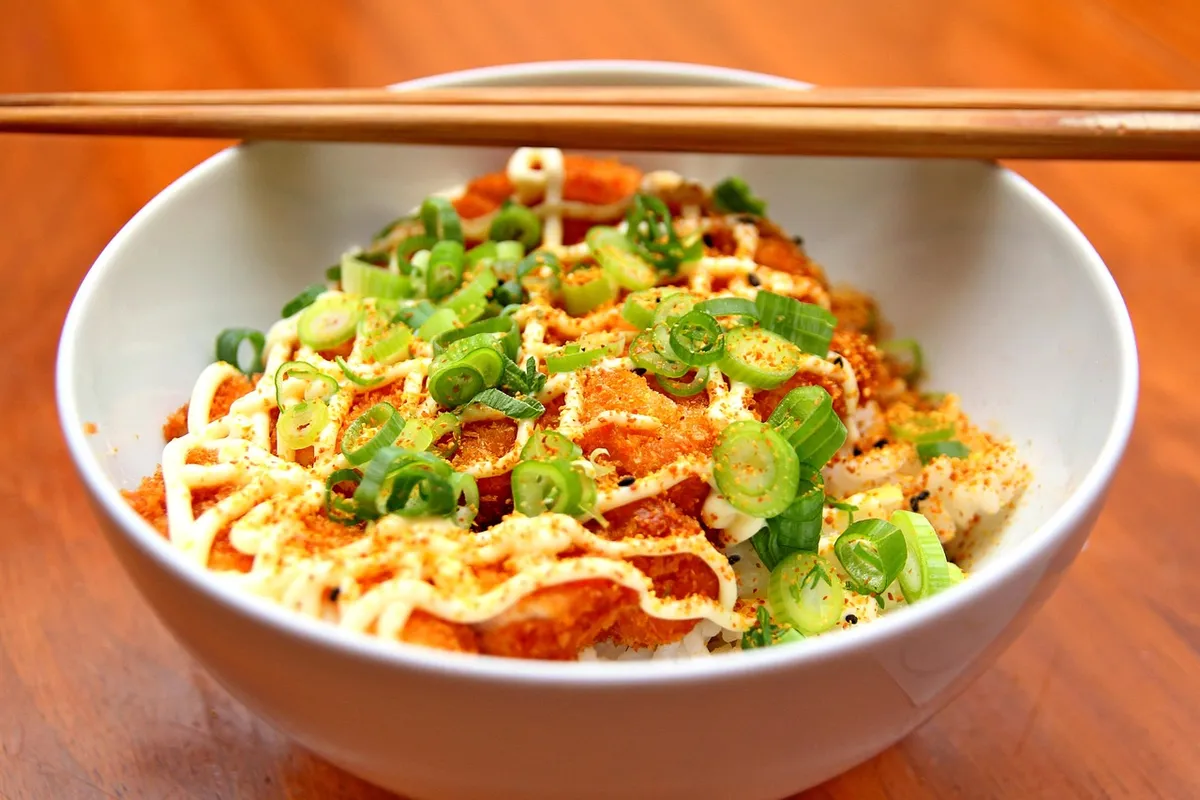
Comparing flavors helps determine how an extra portion might impact dietary intake. For instance, beef-flavored dry noodles offer a slightly different composition compared to other varieties.
| Nutrient (per 100g) | Any Flavor (Dry) | Beef Flavor (Dry) |
|---|---|---|
| Calories | 440kcal | 441kcal |
| Carbohydrates | 60.3g | 60.3g |
| Fat | 17.6g | 17.7g |
| Fiber | Not specified | 3g |
| Iron | Not specified | 3.93mg |
According to USDA FoodData Central, beef-flavored dry noodles contain 441kcal, 60.3g of carbohydrates, 17.7g of fat, 21mg of calcium, 177mg of potassium, 0.61mg of zinc, 111ug of folate, 3g of fiber, and 3.93mg of iron.
The extra noodle flavor profile remains largely driven by these core macronutrients.
This comparison is not applicable when flavorings are primarily used for seasoning rather than nutritional substance.
What are the steps to prepare a larger portion without losing flavor?
A chef carefully measures out a second block of noodles, placing it into a boiling pot of water. The water bubbles vigorously as the noodles begin to soften.
To maintain a high-quality large portion, follow these steps:
- Adjust the liquid-to-noodle ratio to ensure the broth does not become too thin. 2. Balance the seasoning by adding slightly more aromatics or salt to match the increased starch volume. 3. Cook the noodles in stages or use a larger vessel to prevent sticking.
I once attempted to double a single serving in one pot, but the noodles became overly soft due to the crowded space. This large noodle taste difference is often caused by uneven cooking. Always check the texture of the noodles before draining to ensure they maintain their bite.
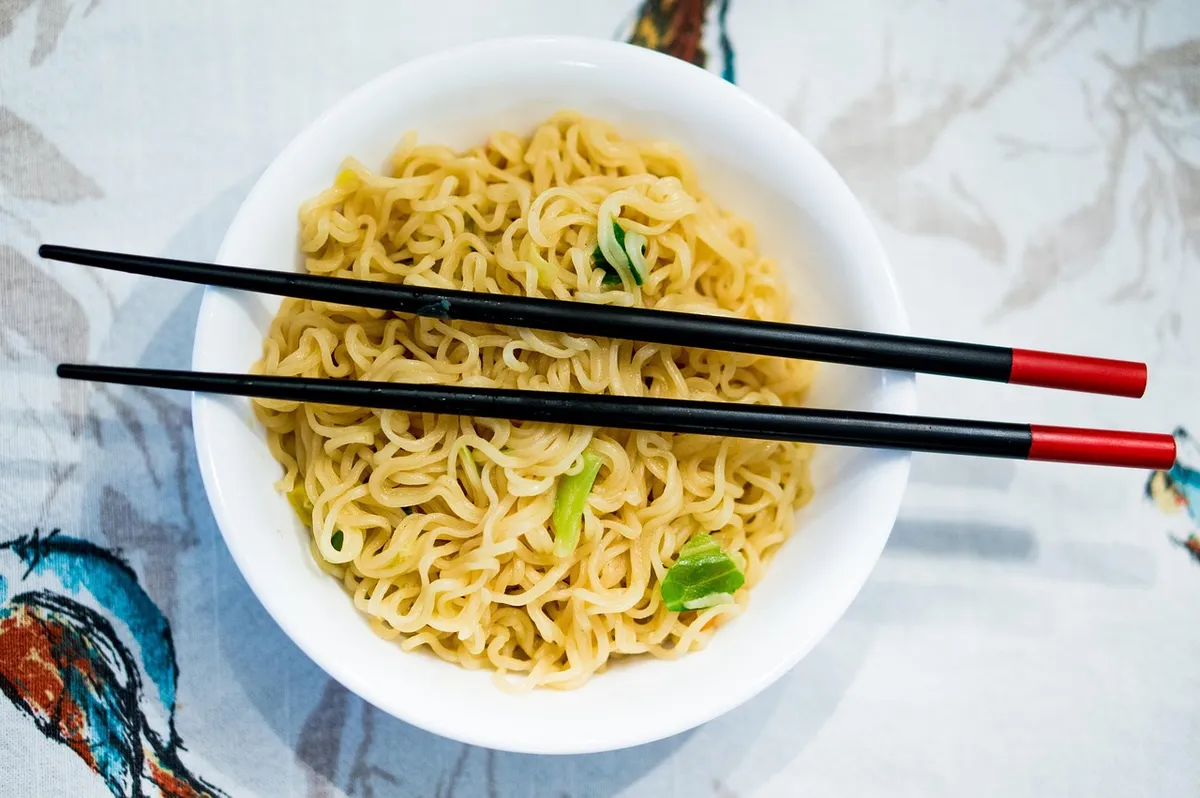
- Scale up the seasoning base proportionally to the increased noodle volume.
- Adjust the cooking water to maintain the desired texture.
- Incorporate additional aromatics to prevent flavor dilution.
How does the extra noodle flavor profile change with dietary needs?
A person looks at a nutrition label, comparing the numbers to their daily goals. The light reflects off the plastic packaging.
The extra noodle flavor profile is heavily influenced by the starch and fat content. Because carbohydrates make up a significant portion of the weight, an extra portion significantly increases caloric density.
In the case of beef-flavored noodles, the nutritional profile includes 0.6mg of vitamin C, 17.7g of fat, 60.3g of carbohydrates, 441kcal, 21mg of calcium, 177mg of potassium, 0.61mg of zinc, 111ug of folate, 3g of fiber, and 3.93mg of iron, according to USDA FoodData Central.
This specific combination defines the base of the taste.
In this sequence, the second step is the most critical.
Is portion size the only factor in a large noodle taste difference?
A diner stirs a large bowl, watching the noodles swirl in the dark broth. The aroma of beef and garlic fills the small dining area.
While volume is key, the large noodle taste difference can also stem from how the noodles interact with the soup. In a larger bowl, the surface area changes, which can affect how quickly the noodles absorb the broth.
If the ratio of seasoning to noodles is not adjusted, the flavor might feel diluted. This is why understanding the full-scale nutritional content is vital for those managing their intake. An extra noodle flavor profile should ideally remain as rich as the original serving.
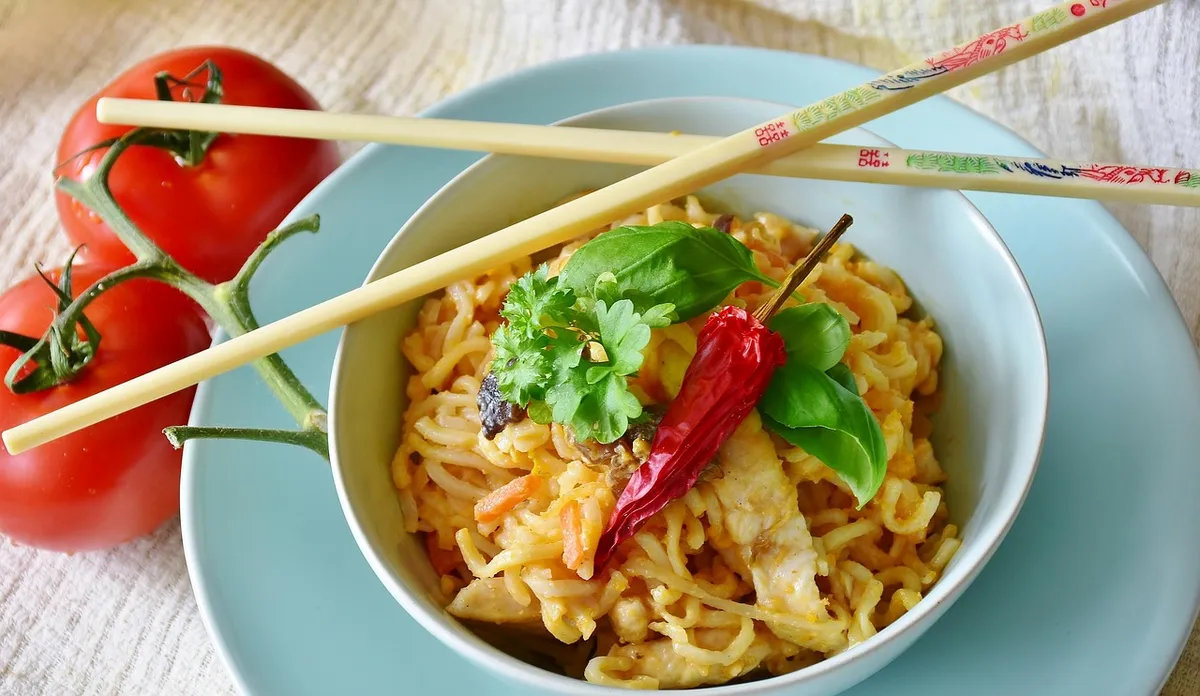
The impact of portion size is limited when the ingredient quality remains inconsistent.
How to manage a heavy noodle portion?
A person sets a large bowl on a placemat, preparing to eat. The weight of the ceramic feels substantial in their hands.
Managing a large portion involves careful planning:
- Measure the exact weight of the dry noodles to track calorie intake. 2. Prepare the soup base separately to control the salt and fat levels. 3. Divide the portion if the total calories exceed a single meal's requirements.
A final check of the seasoning levels ensures the meal is not overly salty. I personally find that preparing the broth separately helps maintain the integrity of the noodles.
The second step in this process is the most significant.
Related
- Chinese noodle extra size trend: Guide to big serving appeal
- Spicy Noodle Extra Large Appeal: Guide to Noodle History
How does the difference between the two portions manifest in consumption?
The difference between the standard serving and the extra portion is most evident in the overall feeling of fullness achieved. When the volume increases, the body registers a greater intake of macronutrients, particularly carbohydrates and fats.
This translates to a more pronounced satiety signal compared to the initial serving.
The comparison between the two portions highlights the role of density. While the nutrient composition per 100g is fixed, the sheer quantity consumed in the extra portion scales this density up. This difference in scale dictates the overall metabolic contribution of the meal.
What is the caution regarding the preparation difference?
The caution when scaling up is maintaining the integrity of the cooking process. If the liquid volume is not scaled appropriately with the noodle mass, the resulting broth consistency suffers.
Furthermore, the cooking time or method must account for the increased mass to prevent textural degradation.
For instance, overcrowding the pot during cooking leads to uneven thermal exposure, resulting in noodles that are softer than desired. Therefore, the preparation technique must evolve with the portion size to ensure optimal mouthfeel.
This addresses the difference between a successful and unsuccessful large batch.
FAQ
What is the calorie count for beef-flavored dry noodles?
How much carbohydrate is in a standard 100g serving of any flavor ramen?
Related posts
Popular posts

Best ramen monthly ranking: Taste matters for global demand
Best spicy Southeast Asian ramen: Why choose the right bowl?
Chinese noodle extra size trend: Guide to big serving appeal

Comments 0