Ramen spiciness guide: Southeast Asian ramen spiciness tips
"Is it truly spicy, or is it just aromatic?"
Southeast Asian ramen spiciness is defined more by the complex layers of aromatic spices and heat-inducing herbs than by simple capsaicin intensity alone.
For those seeking a balance of heat and fragrance, understanding the distinction between chili-driven heat and spice-driven complexity is essential.
This guide helps you navigate the flavor profiles, provides tips for managing the heat, and explains why these noodles differ from traditional varieties.
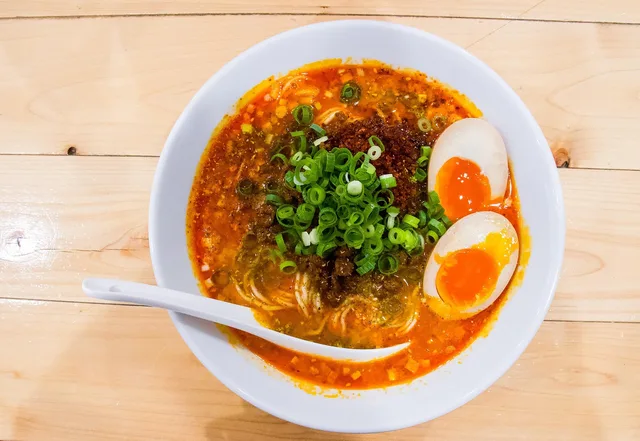
* Spiciness is often layered with aromatics like lemongrass or galangal. * Heat levels vary significantly depending on the specific regional spice blend used. * Aromatic spices can mask or enhance the perceived chili heat. * Adding specific toppings can help balance the intense spice profile.
What makes Southeast Asian ramen so spicy?
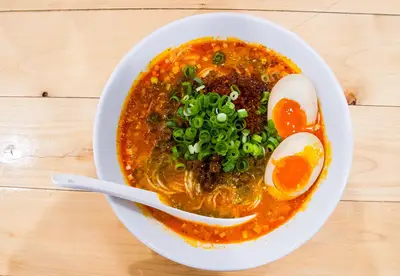
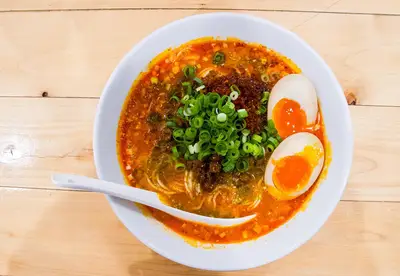
A steaming bowl of noodles sits on a wooden table, releasing a cloud of fragrant steam that smells of citrus and earth. You lift a spoonful of broth, noticing the reddish tint that suggests heat, but the scent is unexpectedly bright.
This is the essence of Southeast Asian ramen spiciness, where the heat is rarely a singular, blunt sensation.
Instead of the heavy, oil-based heat found in some East Asian varieties, this style relies on a multi-dimensional spice profile. The heat often comes from a combination of dried chilies and fresh aromatics that provide a sharp, immediate sting followed by a lingering warmth.
This rep is characterized by how the spice interacts with the sweetness of coconut milk or the acidity of lime.
The complexity arises because the spice is not just a measurement of Scoville units but a composition of ingredients. You might feel a prickle on the tongue from bird's eye chilies, but it is immediately met by the cooling sensation of lemongrass.
This interplay ensures that the heat does not overwhelm the palate, allowing the consumer to taste the underlying broth.
I find that the third element is the most intense.
How to identify Southeast Asian ramen spiciness
You pick up a packet of instant noodles, scanning the ingredient list for mentions of turmeric, chili, or ginger. The bright packaging promises a kick, but the specific type of heat remains a mystery until the water hits the seasoning.
Understanding the spice profile is the first step to enjoying these regional specialties.
Ramen spice level analysis begins with identifying the spicy ramen spice profile. Some products focus on a slow-burn chili oil, while others utilize a dry spice powder that hits the throat quickly.
To master the Southeast Asian noodle heat, look for ingredients that suggest a "bright" heat, such as lime or lemongrass, which often accompanies the chili.
When you taste the broth, pay attention to the timing of the sensation. A spicy Southeast Asian ramen, as detailed in this spicy ramen ingredient guide, often presents a "front-loaded" heat that hits the tip of the tongue, followed by a complex aromatic finish.
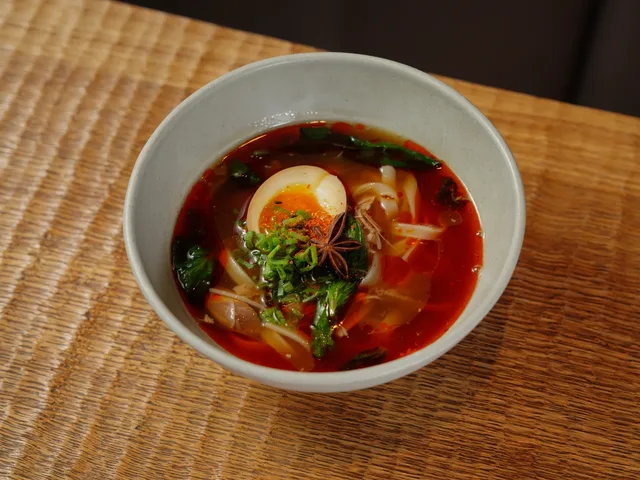
This is fundamentally different from the deep, lingering heat of heavy pepper-based broths.
- Smell the aromatic oils on the surface.
- Taste a small amount of the broth.
- Note the lingering heat on your tongue.
What spices are in Southeast Asian ramen?
The kitchen counter is covered in small bowls containing dried red peppers, crushed garlic, and stalks of lemongrass. As you prepare the noodles, the scent of these spices begins to fill the room, signaling a departure from standard savory flavors.
This exploration of Southeast Asian ramen spices reveals a culinary tradition rooted in herbology.
The heat is often a secondary characteristic to the aromatic depth. While many people expect a purely stinging sensation, the presence of spices like galangal or coriander root creates a "warm" rather than "burning" sensation.
This distinction is vital for those who want flavor without excessive pain.
To better understand the experience, consider these two common profiles:
| Spice Type | Primary Sensation | Common Ingredients |
|---|---|---|
| Chili-Centric | Sharp, stinging heat | Bird's eye chili, chili oil |
| Aromatic-Centric | Warm, fragrant heat | Lemongrass, galangal, turmeric |
I noticed during my own tasting that the aromatic-centric profiles felt much more approachable for a midday meal.
How to eat spicy ramen without overwhelming your palate?
You sit before a large bowl, the red broth shimmering under the light, and reach for a pair of chopsticks. Before taking the first bite, you prepare a glass of cold water and a small side of mild protein.
Knowing how to eat spicy ramen effectively can transform a painful experience into a culinary journey.
Follow these steps to manage the intensity:
- Sip a small amount of broth first to gauge the heat level before committing to a large mouthful. 2. Incorporate creamy elements, such as a splash of coconut milk or a soft-boiled egg, to coat the tongue. 3. Add acidic components like a squeeze of fresh lime to cut through the heavy spice and oil.
After completing these steps, take a moment to breathe through your nose to appreciate the aromatics. A final check involves ensuring your toppings are sufficiently integrated into the broth to provide a buffer against the heat.
Can anyone enjoy these spicy profiles?
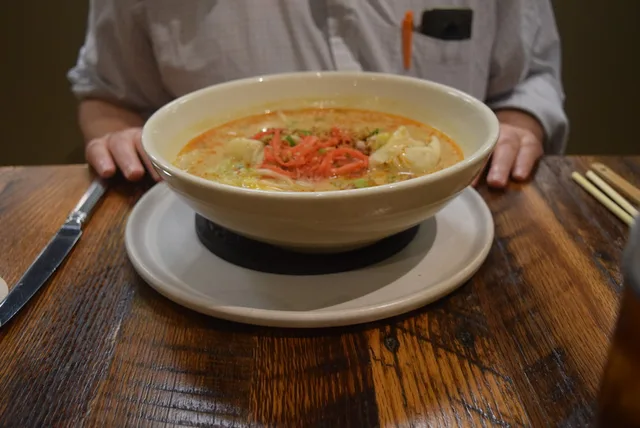
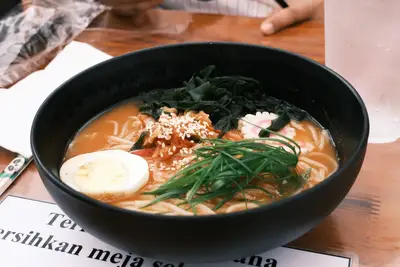
A person sits at a dining table, hesitantly eyeing a bowl of bright red noodles. They have always avoided spicy foods, yet the scent of the broth is too inviting to ignore. This question of accessibility is common when encountering Southeast Asian ramen.
The experience is not limited to those with high heat tolerance. Because the spiciness is often tied to aromatics, the "heat" can be mitigated by adjusting the preparation.
However, a limitation exists: if a product is specifically formulated with high concentrations of concentrated chili paste, the heat may be too aggressive to be balanced by simple toppings.
The complexity of Southeast Asian ramen lies in its ability to blend sharp chili heat with deep, aromatic spice profiles, making it a unique experience compared to other noodle varieties.
While the heat can be intense, understanding the ingredients and using proper preparation techniques allows for a balanced and flavorful meal.



Comments 0