Taiwanese ramen taste standard: How to guide best tips
"True flavor is not found in a single ingredient, but in the delicate balance between spice, sweetness, and the depth of the broth."
This guide explores the flavor profiles that define authentic regional styles for ramen enthusiasts and grocery shoppers.
* The role of savory broth depth * Aromatic spice blend characteristics * Noodle texture and mouthfeel * Identifying authentic Taiwanese profiles
What makes a ramen taste truly Taiwanese?
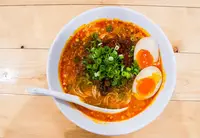
A steaming bowl of noodles sits on a wooden table, releasing a fragrant cloud of steam into the air. To understand the Taiwanese ramen taste standard, one must look past the surface to the complex interaction of seasoning and heat.
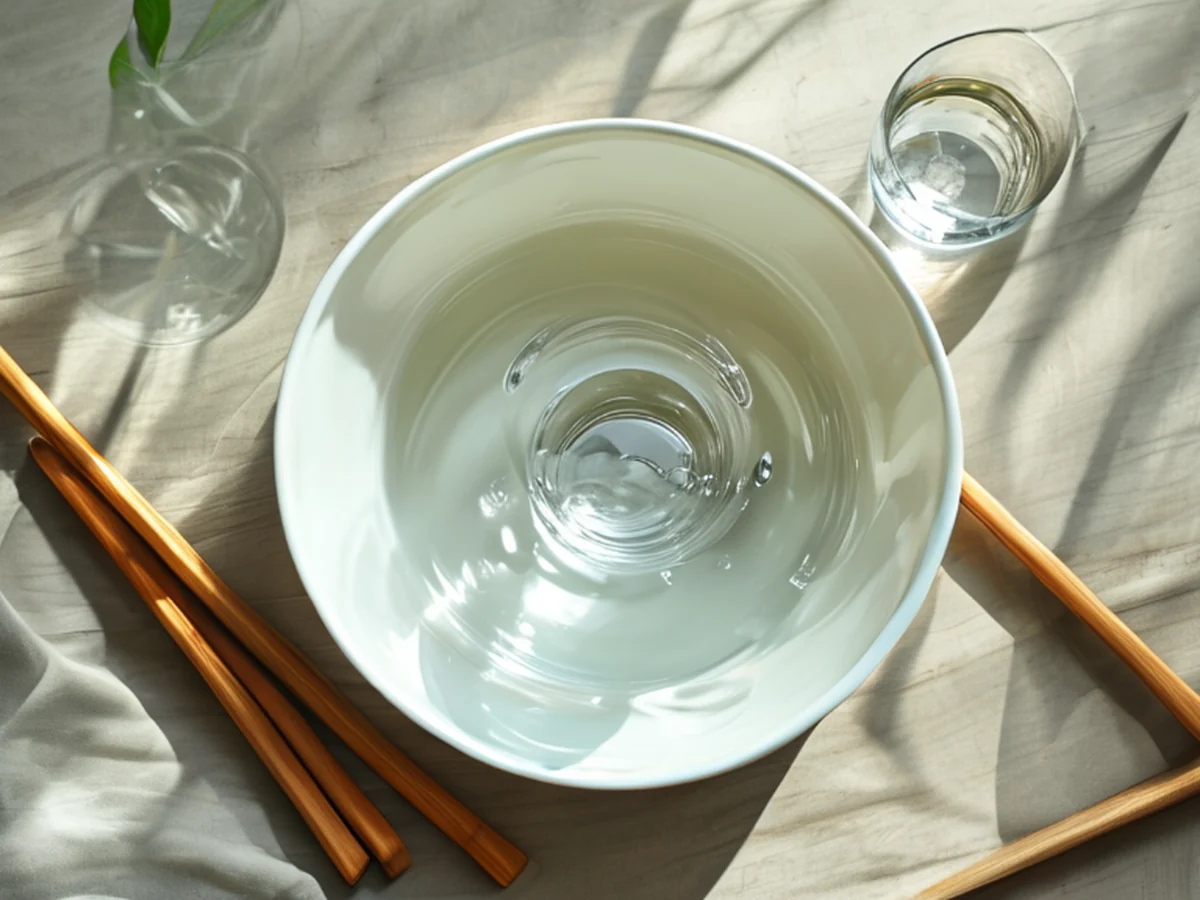
Authentic profiles frequently balance savory notes with a subtle sweetness, often derived from high-quality soy or specific aromatics. This balance ensures that the spice does not overwhelm the palate, allowing the underlying broth aroma to remain prominent.
A true Taiwanese style ramen review focuses on whether the heat serves the broth or merely masks it.
The Migoren ramen flavor guide suggests that the seasoning packet serves as the soul of the dish. When evaluating these products, look for a seasoning that integrates seamlessly with the noodles rather than sitting on top as a separate layer.
This integration is a hallmark of high-quality regional recipes.
How to analyze a Migoren ramen flavor guide? Taiwanese ramen taste standard
In the quiet kitchen, I swirl the spoon through the hot liquid to sense the complex Taiwanese spice blend.
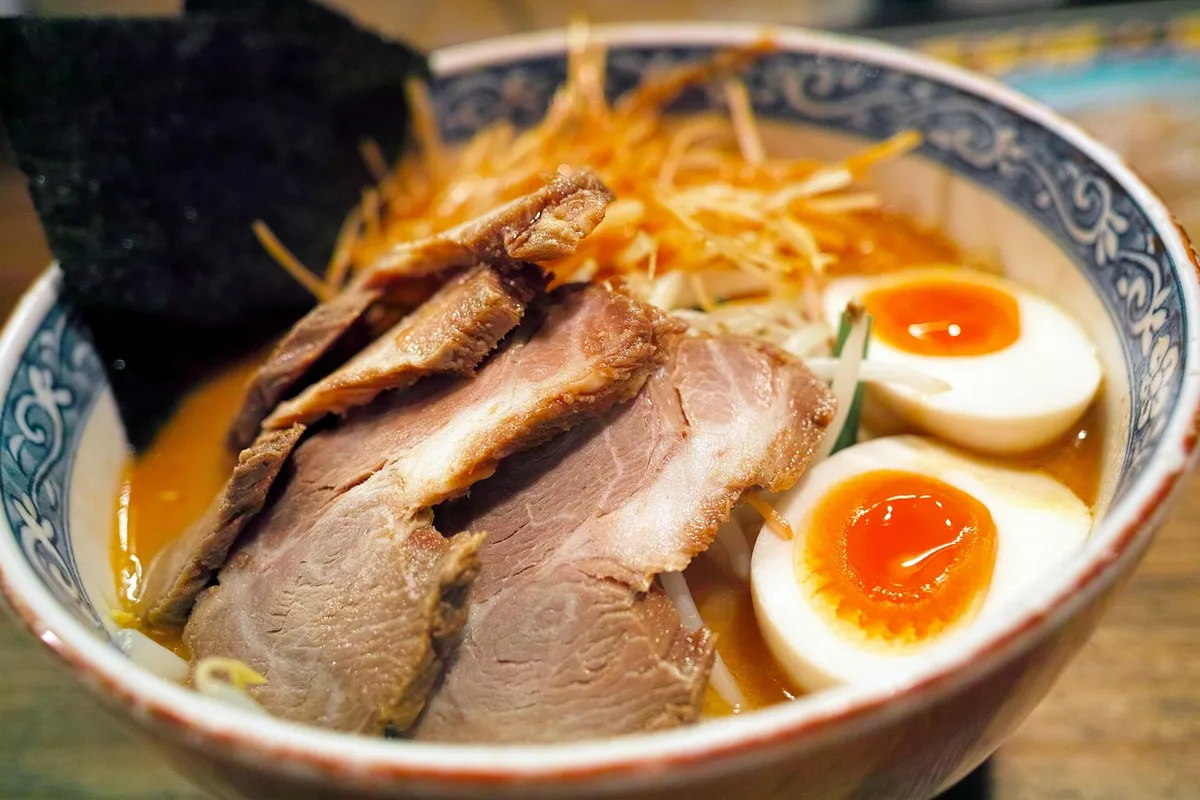
The scent of toasted spices fills the small kitchen as the seasoning is stirred into boiling water. Analyzing a Migoren ramen flavor guide requires a sensory approach that breaks down the dish into its fundamental elements.
You must examine how the oils, powders, and dried components interact once they hit the hot liquid.
First, observe the clarity and color of the broth to gauge the concentration of the base. Second, inhale the steam to identify the primary aromatic notes, such as garlic, ginger, or peppercorn. Third, taste the liquid to find the point where saltiness meets sweetness.
I once spent an afternoon comparing various instant versions to see which held their profile best after five minutes of soaking. I found that the most authentic versions maintain their spice blend in ramen dishes even as the temperature drops slightly.
This consistency is vital for a satisfying meal.
How do I judge if ramen tastes great?
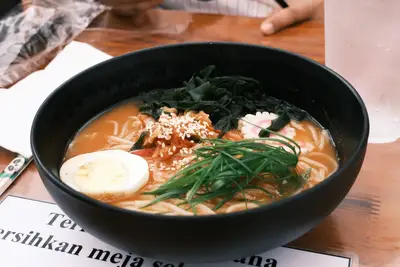
A person picks up a pair of chopsticks, lifting a heavy clump of noodles from a deep ceramic bowl. Establishing the best ramen taste criteria involves a multi-dimensional evaluation of the eating experience.
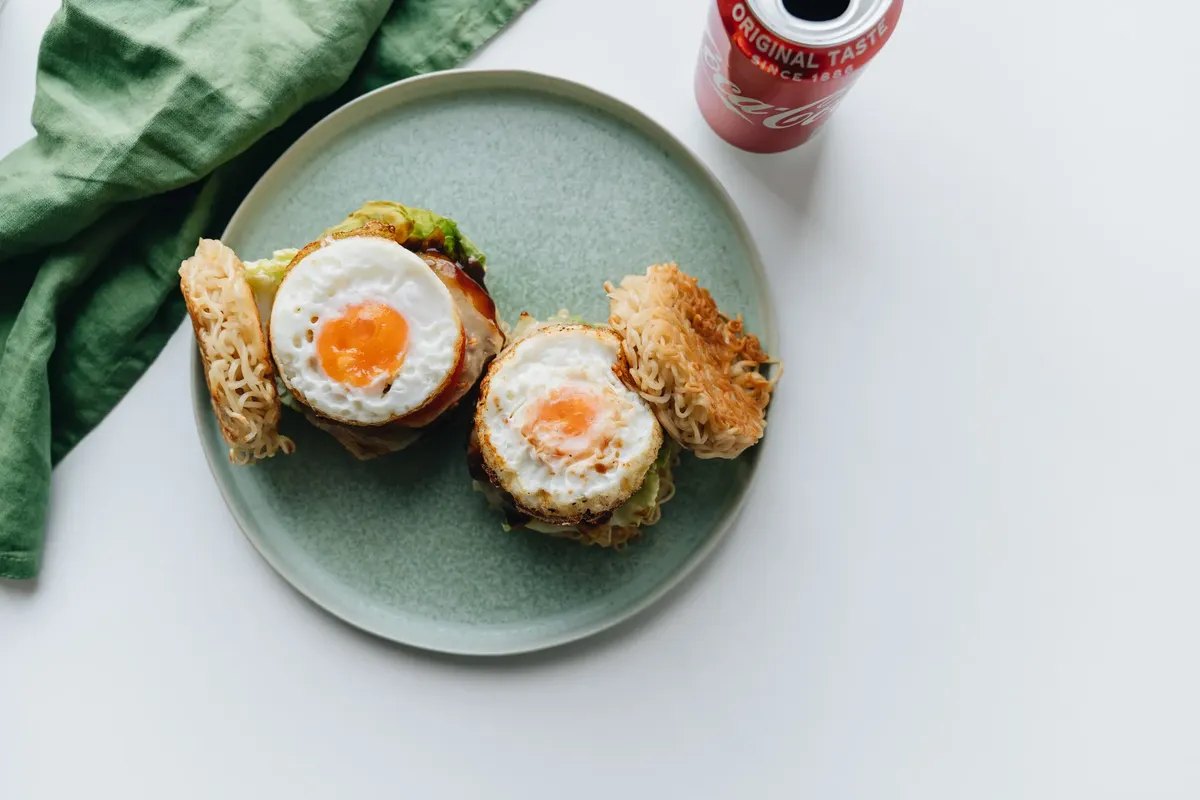
It is not merely about the intensity of the flavor, but the rhythm of the taste as it moves across the tongue.
| Feature | Description |
|---|---|
| Broth Depth | The lingering umami sensation after swallowing |
| Spice Profile | The balance between immediate heat and aromatic warmth |
Using these criteria, one can differentiate between a generic instant product and a premium experience. A high-quality dish will exhibit a "round" flavor, meaning no single ingredient feels disconnected from the whole.
Can you use an authentic ramen cooking secrets approach?
The chef carefully pours a dark, viscous sauce into a simmering pot, watching the ripples spread. Applying authentic ramen cooking secrets to home preparation involves enhancing the existing components of the instant pack.
Even with a simple product, small adjustments can elevate the profile toward a more professional standard.
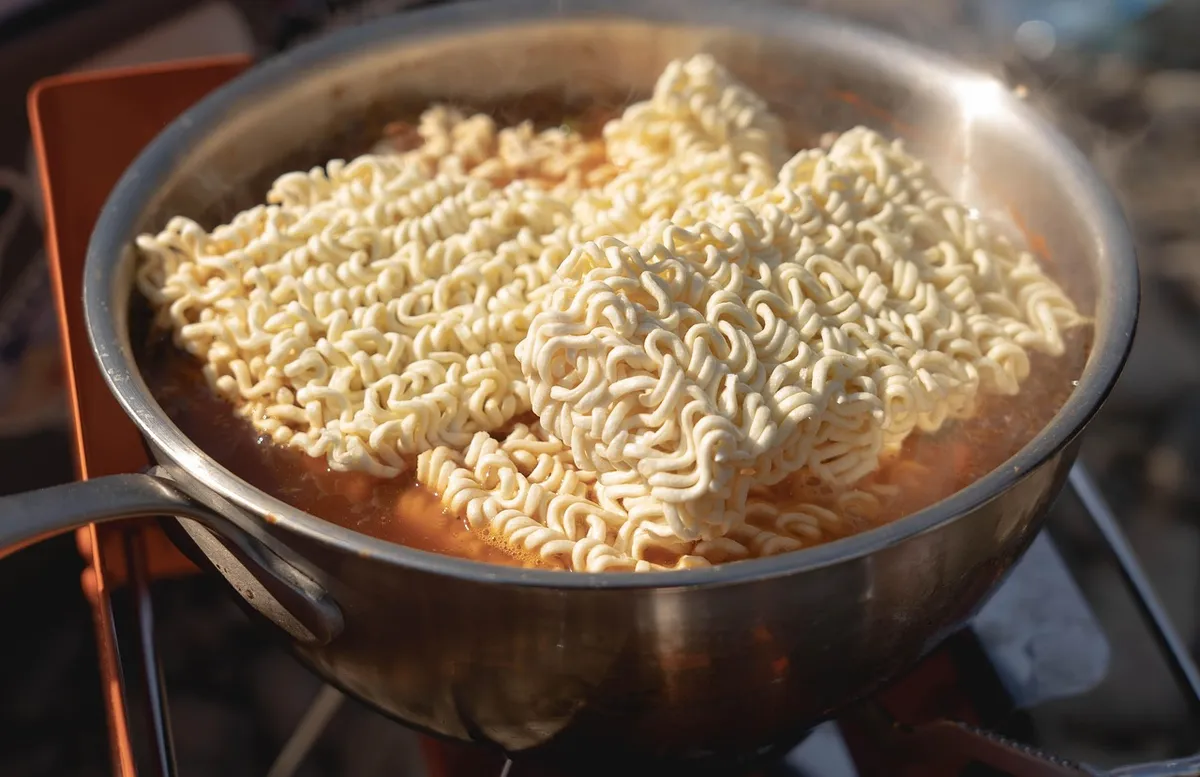
- Infuse the oil by lightly heating the seasoning oil with minced garlic or scallions before adding it to the broth. 2. Control the noodle texture by reducing the boiling time by thirty seconds to ensure a firm bite. 3. Layer the flavors by adding a fresh protein or a soft-boiled egg to provide a creamy contrast to the spice.
After following these steps, check the final balance of the broth to ensure the added ingredients haven't diluted the intended seasoning.
Is there a limitation to this flavor analysis?
A single packet of noodles sits alone on a white plate under a bright light. A limitation of this analysis is that the sensory profile can change significantly based on the water hardness and altitude of the cooking location.
According to USDA FoodData Central, standard snack-type crackers with whole wheat contain 4.9g of dietary fiber per 100g.
While the seasoning remains constant, the way it dissolves and interacts with the noodles is not established as being identical in every kitchen environment.
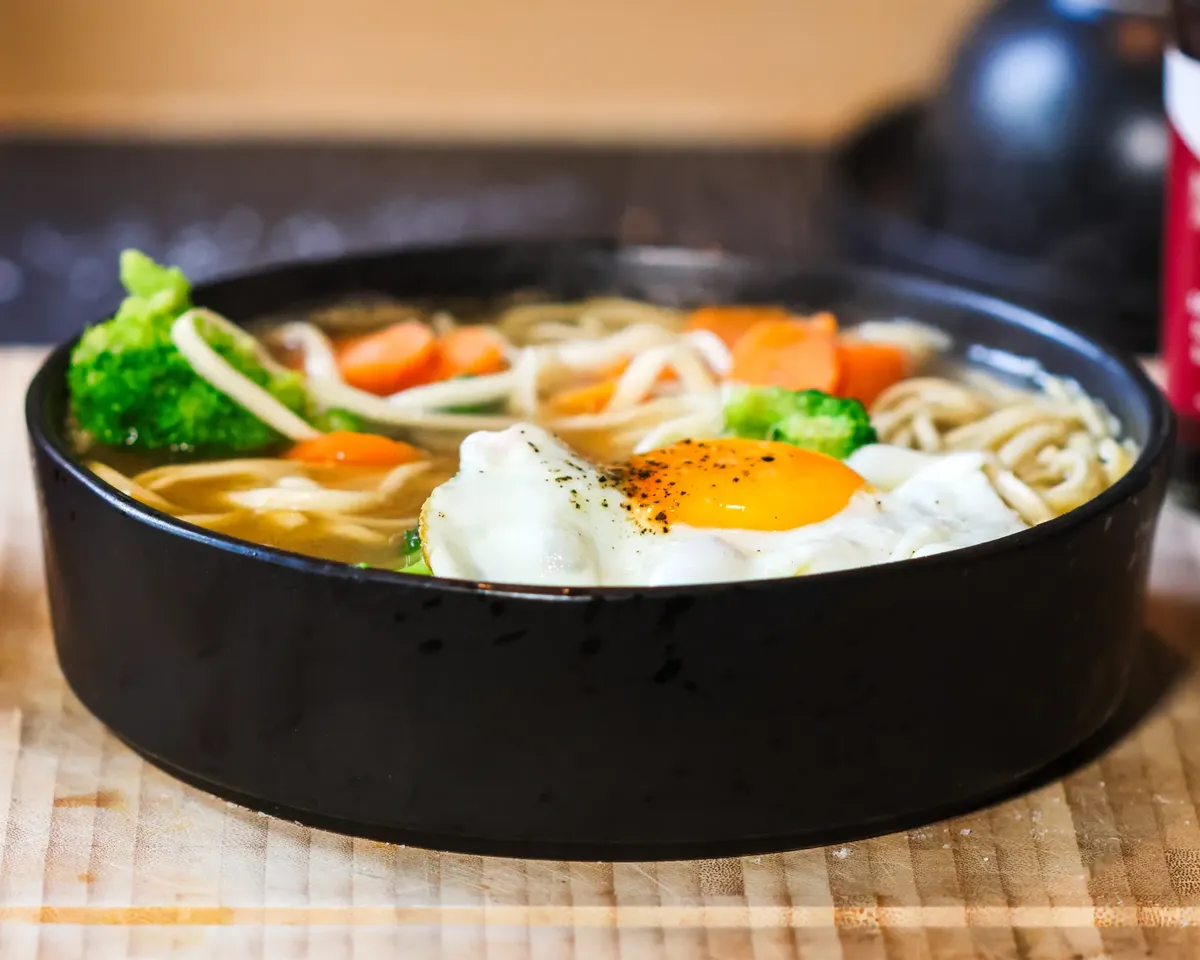
- The Taiwanese ramen taste standard relies on the harmonious integration of savory broth, aromatic spices, and noodle texture.
- You will learn how to identify key components, what to look for in a premium bowl, and why certain spice blends define the experience, though specific regional variations may vary by brand.
- The core identity often rests on a rich, umami-heavy broth that provides a foundational layer for more aggressive spice profiles.
The same subject is also called Taiwan style ramen review.
The same subject is also called Ramen broth aroma analysis.
This part also covers Comparing ramen flavor profiles.
Related
- Chinese noodle extra size taste: guide to higher volume
- Chinese noodle extra size trend: Guide to big serving appeal
How does the broth depth influence the overall flavor?
- The lingering umami sensation after swallowing directly relates to the broth depth. 2. This foundational layer supports the more aggressive spice profiles present in authentic recipes. 3. A rich broth ensures that the spice serves the broth, rather than simply hiding its characteristics.
The interplay between the broth and the spice profile is critical when assessing the true flavor of any ramen. A shallow broth cannot adequately carry the complexity introduced by the aromatic spices. This comparison shows that the base must be robust enough to stand up to the heat.
What conditions affect the noodle texture?
- Reducing the boiling time by thirty seconds helps control the noodle texture for a firm bite. 2. The initial quality of the noodle itself contributes to the mouthfeel, which is part of the overall flavor assessment. 3. A premium bowl requires noodle texture that complements the savory broth depth.
The mouthfeel of the noodles provides a necessary textural counterpoint to the liquid seasoning. When analyzing the eating experience, the resistance or softness of the noodle must be considered alongside the spice balance.
This condition helps distinguish a superior bowl from a standard preparation.
When evaluating the final product, remember that the true flavor is a synthesis of all these elements. The balance between spice, sweetness, and the broth depth dictates the final impression on the palate.
FAQ
What is the primary characteristic of the Taiwanese ramen taste standard?
How can I identify a quality Migoren ramen flavor guide?
Related posts
Chinese ramen spice value: How to best guide flavor tips
Chinese ramen large portion truth guide for 441kcal
Chinese noodle extra size taste: guide to higher volume


Comments 0